Disclosure: This post contains affiliate links and I will be compensated if you make a purchase after clicking through my links. Learn More
Flux core welding is a popular way to join metals because it works well outdoors and in dirty or windy places. But many welders struggle with too much slag. Slag is the hard, glassy layer that forms on top of a weld. It protects the weld when it is still hot, but if you have too much, it can cause problems. Slag can trap defects, make the weld look bad, and slow you down because you have to chip it off. If you leave slag behind, it can even make the weld weak or cause cracks.
Knowing how to reduce slag in flux core welding helps you save time, make your welds stronger, and keep your work looking clean. Many beginners do not realize that small mistakes can create extra slag. Even experienced welders sometimes miss simple fixes. This article explains all the key steps, from choosing the right wire to cleaning your welds correctly. You will learn practical tips, real examples, and common mistakes to avoid.
What Causes Slag In Flux Core Welding?
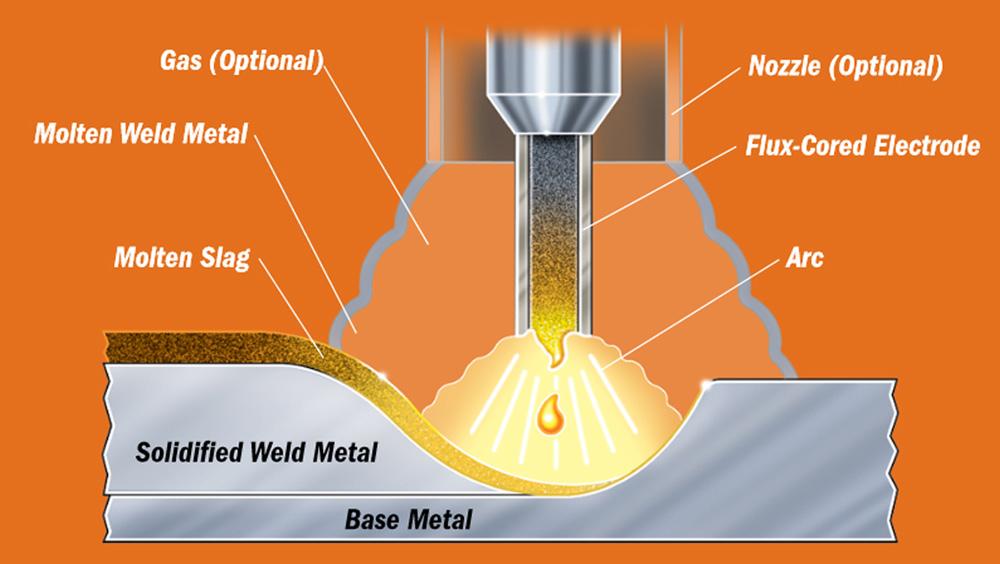
Slag forms when the flux inside the wire melts during welding. The flux protects the weld from the air, but it also creates byproducts—mainly silicates and oxides—that solidify on the weld as slag. Some slag is normal and necessary, but too much usually means something went wrong.
Common causes of excess slag:
- Using the wrong type of wire or flux
- Bad welding technique (wrong angle, travel speed, or arc length)
- Dirty or rusty base metal
- Incorrect machine settings
- Overlapping weld passes without cleaning
Each of these problems has a solution. Reducing slag is not just about cleaning after you weld—it starts before you even strike the arc.
Choosing The Right Flux Core Wire
The wire you choose has a big impact on slag. There are two main types:
- Self-shielded wire (FCAW-S): Does not need a separate gas. Produces more slag, but works well outdoors.
- Gas-shielded wire (FCAW-G): Uses a gas (like CO2) and produces less slag, but needs wind protection.
Match The Wire To Your Job
Use FCAW-G wire if you work inside or in a controlled space. This wire makes less slag and is easier to clean. If you must weld outside or in windy places, use FCAW-S wire, but expect more slag.
Check The Manufacturer’s Recommendations
Every wire brand and type has its own slag-forming properties. Some are made for easy slag removal. Read the wire’s datasheet or packaging. Look for phrases like “fast-freezing slag” or “easy slag removal.” Do not just pick the cheapest wire. The right wire can save hours of cleanup.
Example:
A welder using E71T-1C (a gas-shielded wire) noticed much less slag than when using E71T-11 (a self-shielded wire) on the same steel plates. The welds were cleaner, and chipping the slag was faster.
Prepare The Base Metal Properly
A clean surface is critical for reducing slag. Dirt, rust, oil, and paint can all react with the flux and create more byproducts.
Steps For Proper Cleaning
- Remove rust and mill scale with a wire brush, grinder, or sandpaper.
- Wipe off oil and grease using a degreaser or clean rag.
- Get rid of paint on the weld area with a grinder or chemical stripper.
- Dry the metal before welding. Moisture can create steam and extra slag.
Why Cleaning Matters
Dirty metal not only increases slag, but it can also cause porosity (tiny holes) in the weld. Some people think flux core wire can handle rust and paint, but this is only partly true. Cleaner metal always gives better results with less slag.
Practical tip:
For large jobs, clean all plates before starting. This is faster than stopping to clean each time you see slag problems.
Set The Welding Machine Correctly
Machine settings control heat, speed, and how the flux melts. Wrong settings can create thick, sticky slag that is hard to remove.
Key Settings For Less Slag
- Voltage: Too low creates a cold weld with lots of slag. Too high can also cause problems. Stay in the recommended range for your wire.
- Wire feed speed: Too slow makes the weld too cold; too fast can cause spatter and uneven slag.
- Polarity: Most flux core wires need DCEN (direct current electrode negative). Check your wire’s requirements.
How To Adjust
- Start with the settings from the wire’s datasheet.
- Do a test weld.
- If you see too much slag, adjust the voltage and wire speed slightly up or down.
- Test again.
Example:
A welder switched from 18 volts to 21 volts (using the same wire) and saw that the slag became thinner and easier to chip away.

Credit: www.reddit.com
Use Proper Welding Technique
Your hand movements and torch angle affect how the slag forms and where it goes.
Maintain The Right Gun Angle
- For most flux core wires, use a drag technique (pull the gun away from the weld). Hold the gun at a 15-30° angle from vertical, pointing back over the weld.
- Do not push the gun forward—this traps slag under the weld.
Control Your Travel Speed
- Move too fast, and the weld cools too quickly, trapping slag.
- Move too slow, and the weld piles up, making thick slag.
Best practice:
Keep a steady speed so the weld pool stays a consistent size.
Keep The Correct Arc Length
- Hold the tip close—about ½ inch from the metal.
- A long arc throws more spatter and makes the slag rough.
Pro tip:
Watch the edge of the weld pool. You should see the slag forming behind the hot metal, not mixing in with the weld.
Clean Slag Between Passes
If you weld thick metal, you often need more than one pass. Always remove slag between each pass.
How To Remove Slag
- Use a chipping hammer to break up the big pieces.
- Use a wire brush to sweep away the rest.
- For stubborn slag, use a grinder with a flap disc.
Why It Matters
If you leave slag between passes, it gets trapped inside the weld. This weakens the weld and can cause cracks. Even if you are in a hurry, always clean before starting the next pass.
Common mistake:
Some people try to weld over thin layers of slag, thinking it will burn away. This makes the problem worse.
Use Pre-heat For Thick Or Dirty Steel
Thick or dirty steel cools quickly and can trap slag. Pre-heating slows this cooling and makes the slag easier to remove.
When To Pre-heat
- For steel thicker than ½ inch (12 mm)
- For steel with heavy rust or paint
- For critical welds (like structural work)
How To Pre-heat
- Use a torch or oven to heat the area to 150–250°C (300–480°F).
- Check the temperature with a temperature stick or infrared thermometer.
- Do not overheat—too much heat can warp the metal.
Non-obvious insight:
Even a small increase in temperature (50–100°C) can make a big difference in how the slag comes off.
Control Your Welding Environment
Wind, humidity, and temperature affect how the flux works.
Shield Your Welds From Wind
Even self-shielded wires can suffer if wind blows the flux away. Use welding curtains or move inside when possible.
Avoid Moisture
Moisture in the air or on the metal causes the flux to form more slag. Dry your materials and keep your wire in a dry place.
Maintain Stable Temperatures
Extreme cold can cool the weld too fast, trapping slag. If working outside in winter, warm the metal before welding.
Use Suitable Joint Design
The way you fit the pieces together can affect slag formation.
Choose The Right Joint
- Use open root joints for thick steel. These allow better access for slag removal.
- Avoid joints with tight gaps or corners where slag can hide.
Prepare The Edges
- Bevel the edges for thick steel. This gives more room for the weld and lets slag escape.
- For thin steel, a square edge is usually fine.
Practical example:
A welder working on a T-joint found that adding a small gap (1–2 mm) made it much easier to clean out the slag between passes.
Select The Correct Welding Position
Welding position (flat, horizontal, vertical, overhead) changes how slag forms and how easy it is to remove.
Best Position For Less Slag
- Flat position (weld is on top) produces the least slag and is easiest to clean.
- Horizontal is also good, but slag may run to the lower side.
- Vertical and overhead positions make slag removal harder. Use these only if you must.
Non-obvious insight:
Some wires are designed for specific positions. Using a “flat-only” wire in a vertical weld will almost always create excess slag.
Credit: www.thefabricator.com
Match Pass Sequence And Weld Size
The order and size of your weld passes affect slag.
Use The Right Pass Sequence
- For wide joints, use “stringer beads” (straight, narrow passes) instead of wide, weaving passes.
- Clean after each bead.
Control Bead Size
- Do not make beads too large. Large beads cool slowly and trap more slag.
- Aim for beads 6–12 mm wide (¼–½ inch) for most jobs.
Best practice:
Practice on scrap metal to find the best bead size and sequence for your job.
Inspect And Maintain Your Equipment
Old, dirty, or damaged gear can increase slag.
Check Your Contact Tip
- Replace worn tips. A bad tip causes arc instability and spatter, leading to more slag.
Clean The Nozzle
- Remove spatter and debris from the nozzle after each job.
Inspect The Liner And Drive Rolls
- A dirty liner or worn drive rolls can cause the wire to feed unevenly. This makes the arc unstable and increases slag.
Tip:
Regular maintenance saves time in the long run by reducing welding problems.
Choose The Correct Welding Current And Polarity
Most flux core wires need a specific current type and polarity.
Use The Recommended Polarity
- Self-shielded wires (like E71T-11): Use DCEN (direct current electrode negative).
- Gas-shielded wires (like E71T-1): Use DCEP (direct current electrode positive).
Set The Right Amperage
- Too little current makes a cold weld with thick slag.
- Too much current causes spatter and uneven slag.
Always check your wire’s packaging or datasheet for the correct settings.
Compare Slag Formation: Different Wires And Settings
Here is a simple comparison to show how different wires and machine settings affect slag:
| Wire Type | Shielding Gas | Slag Amount | Slag Removal |
|---|---|---|---|
| E71T-11 | None (Self-shielded) | High | Hard, thick layer |
| E71T-1C | CO2 | Medium | Medium effort |
| E70T-4 | None (Self-shielded) | Very High | Very hard, slow removal |
| E71T-1M | Ar/CO2 mix | Low | Easy, flaky slag |
Common Mistakes That Increase Slag
Even experienced welders make mistakes that create more slag than needed. Watch out for these:
- Using dirty or rusty base metal
- Ignoring the wire manufacturer’s recommendations
- Wrong torch angle or travel speed
- Not cleaning between passes
- Using the wrong wire type for the position or material
- Incorrect machine polarity
Fixing these mistakes often gives a bigger improvement than buying new equipment.
Practical Tips For Easier Slag Removal
Sometimes, you cannot avoid all slag. Here’s how to make cleaning up faster and easier:
- Use a high-quality slag chipping hammer with a sharp edge.
- Try a needle scaler for large jobs.
- Use a stiff wire brush or a flap disc on a grinder.
- Let the weld cool just enough before chipping. Too hot, and the slag is sticky; too cold, and it is hard and brittle.
- Wear safety glasses and gloves. Chipping slag can send sharp pieces flying.
Data: Time Spent On Slag Removal
Many welders underestimate how much time they spend removing slag. A small change in technique or wire can save hours each week.
| Weld Length | Wire Type | Slag Removal Time (minutes) |
|---|---|---|
| 1 meter | E71T-11 | 8 |
| 1 meter | E71T-1M | 3 |
| 2 meters | E70T-4 | 20 |
| 2 meters | E71T-1C | 7 |
Non-obvious insight:
Switching from a self-shielded to a gas-shielded wire can cut your cleanup time by more than half.
Comparing Slag In Different Welding Positions
Slag behaves differently depending on your welding position. This table shows the typical results:
| Position | Slag Amount | Ease of Removal |
|---|---|---|
| Flat | Low | Easy |
| Horizontal | Medium | Medium |
| Vertical | High | Hard |
| Overhead | Very High | Very Hard |
Tip:
Plan your welding so you can do as much as possible in the flat position.

Credit: www.youtube.com
Advanced Methods: Anti-slag Coatings And Tools
Some professionals use anti-slag sprays or coatings on the metal before welding. These make the slag less likely to stick. Others use pneumatic chipping tools for big projects.
Are These Worth It?
- For most small jobs, good technique is enough.
- For large or repetitive jobs, these tools can save a lot of time.
Example:
On a shipyard project, workers using anti-slag spray cut their cleanup time by 30%.
Safety Tips For Slag Removal
Slag can be sharp and hot. Always protect yourself:
- Wear safety glasses and a face shield.
- Use gloves to protect your hands.
- Keep your work area clean to prevent slips and falls.
Never try to break off slag with your bare hands.
Continuous Improvement: Keep Learning
Welding is a skill that improves with practice. Watch your results. If you see excess slag, try changing one thing at a time—wire, settings, technique, or cleaning method. Keep notes about what works.
Learn from others. Many welding forums and official guides (such as from the American Welding Society) offer practical advice based on real-world experience.
Frequently Asked Questions
What Is The Main Cause Of Slag In Flux Core Welding?
The main cause is the flux in the wire, which melts and forms a protective layer over the weld. Too much slag often comes from using the wrong wire, poor technique, dirty metal, or incorrect machine settings.
Can You Avoid Slag Completely In Flux Core Welding?
No, some slag is always present because it protects the weld. The goal is to keep it thin and easy to remove, not to eliminate it completely.
Does Wire Quality Affect Slag Formation?
Yes. High-quality wires often have better flux formulas that create less or easier-to-remove slag. Always check the manufacturer’s recommendations for your wire.
Is It Safe To Weld Over Slag From A Previous Pass?
No. Welding over slag traps it inside the weld, which can make the weld weak or cause cracks. Always clean before starting the next pass.
How Do You Know If Your Slag Problem Is From Technique Or Machine Settings?
Test by changing one thing at a time. Try adjusting your gun angle, travel speed, or machine voltage. If the slag changes, you have found the cause. If not, check the wire or the condition of the base metal.
Flux core welding can be clean and efficient with the right methods. Focus on preparation, technique, and good equipment. You will spend less time chipping and more time making strong, good-looking welds.