Disclosure: This post contains affiliate links and I will be compensated if you make a purchase after clicking through my links. Learn More
In the leather vs FR cotton welding apron choice, leather wins for stick, flux core, heavy MIG and grinding, and FR cotton wins for light TIG and bench work. Leather blocks heat and heavy spatter better. FR cotton is lighter, cooler and easier to wash.
Miller Electric describes FR cotton as relatively inexpensive, lightweight and breathable, and says it suits work where sparks and spatter are relatively mild. Thick leather keeps heat out and resists abrasion and punctures.
Leather vs FR Cotton Welding Apron at a Glance
| Feature | Leather Apron | FR Cotton Apron |
|---|---|---|
| Material | Split or grain cowhide | Cotton treated with a flame-resistant chemical |
| Heat and spatter | Best for heavy spatter, slag and grinding sparks | Best for mild sparks and spatter |
| Weight and comfort | Heavier, less breathable | Lighter and breathable |
| Wear over time | Gets stiffer with age | Chars and wears under repeated spatter |
| Care | Brush clean and condition | Many can be machine washed |
| Best processes | Stick, flux core, short-circuit MIG, grinding, cutting | Light TIG and bench fabrication |
What Is a Leather Welding Apron?
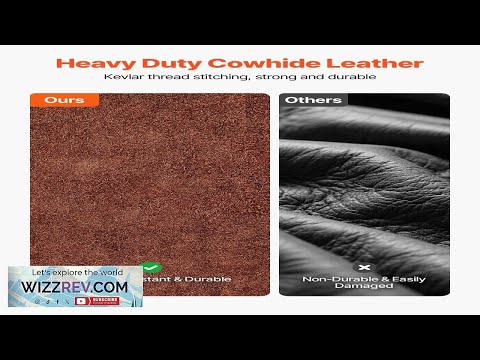
A leather welding apron is a bib or waist apron cut from cowhide. Most use split leather, the under layer of the hide. Miller says split leather costs less but is heavier and thicker, and it soaks up dirt and oil more than grain leather.
Grain leather comes from the top layer of the hide. Miller calls it the strongest layer, and it can be cut thinner, so grain leather gear is lighter and more comfortable.
Credit: www.youtube.com
What Is an FR Cotton Welding Apron?
An FR cotton welding apron is made from cotton treated with a flame-resistant chemical. Miller explains that the treatment off-gasses when it meets flame or intense heat, which helps the fabric resist catching fire.
FR cotton still has limits. Miller notes it can char from sparks, spatter or molten metal, and Weld Guru says repeated spatter chews up the stomach, lap and pocket edges. Weld Guru prefers a 9 to 12 oz FR cotton apron or shirt for light bench TIG.
Key Differences Between Leather and FR Cotton Aprons
Heat and Spatter Protection
Leather is the stronger shield. Miller says the thickness of leather stops heat from getting through and resists abrasion and punctures. Weld Guru says leather handles spatter better than FR cotton.
Comfort and Weight
FR cotton is the comfort pick. Weld Guru says it breathes and moves better and does not drag against your torch hand. Heavy leather can pull on your neck during a long shift, and Miller warns that leather’s lack of air flow can add to heat stress in hot shops.
Durability
Leather lasts longer in front of slag and grinding sparks, but it gets stiffer and less pliable over time. FR cotton wears out faster under steady spatter, and thin spots or holes mean it is time for a new one.
Care and Cleaning
Strongarm says leather aprons need conditioning and special cleaning to keep their flame resistance. FR cotton is easier to care for, and many FR cotton aprons can go in the washing machine. Keep both free of oil, grease and solvents, because contaminated gear can catch fire.
Where Each One Fits
Weld Guru matches apron material to the process. Use this list as a starting point, then adjust for how hot and dirty your work runs.
- Light bench TIG: 9 to 12 oz FR cotton apron.
- Short-circuit MIG: Medium split cowhide apron.
- Flux core on dirty steel: Heavy split leather, plus sleeves if needed.
- Stick repair work: Leather jacket or apron with sleeves.
- Heavy grinding or cutting: Leather apron with covered pockets.

Credit: www.youtube.com
Safety note: OSHA 1910.252 says the right protective clothing varies with the size, nature and location of the work. An apron covers only the front of your body, so add sleeves or a jacket for overhead, stick and flux core work, and never wear an apron soaked with oil or solvent.
Which One Should You Choose?
Choose by the heat and spatter your main process makes.
Choose a Leather Apron If
- You run stick, flux core or short-circuit MIG most days.
- You grind or cut and throw heavy sparks.
- You want the most heat and puncture resistance.
Choose an FR Cotton Apron If
- You do mostly light TIG or bench fabrication.
- You work in a hot shop and need air flow.
- You want a lighter apron you can machine wash.
Frequently Asked Questions
Is a Leather Welding Apron Better Than FR Cotton?
A leather welding apron is better for heavy spatter, slag and grinding sparks. FR cotton is better for light TIG and bench work, where comfort and air flow matter more. Pick the apron that matches the heat and spatter your process throws at you.
Can You Use an FR Cotton Apron for MIG Welding?
You can use FR cotton for light MIG work with mild spatter, but it wears fast under steady spatter. Weld Guru suggests a medium split cowhide apron for short-circuit MIG. Switch to leather when you see burn marks building up on the cotton.
How Do You Clean a Leather Welding Apron?
Brush off dust and slag, and keep the leather free of oil, wax, leather dressing and solvent overspray, as Weld Guru advises. Strongarm says leather aprons need conditioning and special cleaning to keep their flame resistance. Follow the care steps from your apron maker for anything beyond that.
Can You Wash an FR Cotton Welding Apron?
Yes, many FR cotton aprons can be machine washed, according to Strongarm, which makes them easier to care for than leather. Follow the care label from your apron maker. Retire the apron once it has holes, thin spots or charred areas from spatter.
Do You Need Sleeves With a Welding Apron?
Yes, for most work you need sleeves or a jacket with a welding apron. Weld Guru notes that an apron protects only the front of your body, and leaves your arms, collar and neck open. Add leather sleeves for stick, flux core and overhead work.
Final Words
Leather is the right welding apron for heavy spatter, slag, stick, flux core and grinding. FR cotton is the right pick for light TIG and bench work, where comfort counts more than heavy heat protection.
Match the apron to your hottest process, add sleeves when your arms are exposed, and replace any apron that has holes, charring or oil soaked into it.