Disclosure: This post contains affiliate links and I will be compensated if you make a purchase after clicking through my links. Learn More
Welding outside is different from welding indoors. Wind, humidity, and temperature changes can affect your results. For many welders, flux core wire is the best choice for outdoor jobs because it works well in bad weather and does not need shielding gas. But not every flux core wire performs the same. Choosing the right wire can make your welds stronger, safer, and more reliable.
This article explains everything you need to know about picking the best flux core wire for outdoor welding. You will learn what makes a wire good for outdoor use, key features to consider, and see real examples. You will also find a list of the top wires on the market, plus tips to help you work safely and efficiently.
Why Choose Flux Core Wire For Outdoor Welding?
Many welders use MIG welding indoors. But outside, wind can blow away the shielding gas used in MIG welding. This can cause poor welds, more splatter, and weak joints. Flux core wire solves this problem.
Flux core wire has a special flux in the center. When you weld, the flux burns and creates a shield around the weld. This shield protects the weld from wind and air, so you get better results even outside. You do not need gas tanks or hoses, which makes your setup lighter and easier to move.
Some wires are dual-shield (they use gas and flux), but for outdoor work, self-shielded flux core wire is best. It is more portable and works better in tough weather.
Key Factors When Choosing Flux Core Wire
Choosing the right wire is not always easy. Here are the main things you should check:
- Diameter: Common sizes are 0.030″, 0.035″, and 0.045″. Thicker wire gives higher output but needs more power.
- Material Compatibility: Most wires are for mild steel, but some are for stainless steel or hardfacing.
- Welding Position: Some wires work better for vertical, overhead, or flat welding.
- Welding Machine Compatibility: Check if your welder supports the wire size and type.
- Spool Size: Standard spools are 2 lbs, 10 lbs, or larger. Choose a size that fits your welder and job.
- Brand Reputation: Trusted brands usually give more consistent quality.
- Price and Availability: Balance cost with quality. Cheaper wires can cause problems like too much slag or weak welds.
- Wire Classification: You may see labels like E71T-GS or E71T-11. These codes tell you about the wire’s strength, position, and gas needs.
Top 10 Best Flux Core Wires For Outdoor Welding
Here are the top wires used by welders who often work outside. Each wire fits a different need, so you can match your work style and budget.
1. Hobart Fabshield E71t-11
This wire is popular for outdoor welding. It works with both 110V and 220V machines and performs well on rusty or painted steel.
- Diameter options: 0.030″, 0.035″, 0.045″
- Best for: General repairs, farm equipment, gates
- Key features: Smooth arc, easy slag removal, low spatter
Many users say it gives clean welds even in windy conditions. It is also easy to find in stores and online.
2. Lincoln Electric Innershield Nr-211-mp
Lincoln’s NR-211-MP is another top choice, especially for small welders. It gives reliable results on thin and medium steel.
- Diameter options: 0.030″, 0.035″
- Best for: Car repairs, metal art, outdoor projects
- Key features: Good bead shape, low spatter, easy to use
It is easy to control, which helps new welders get better results faster.
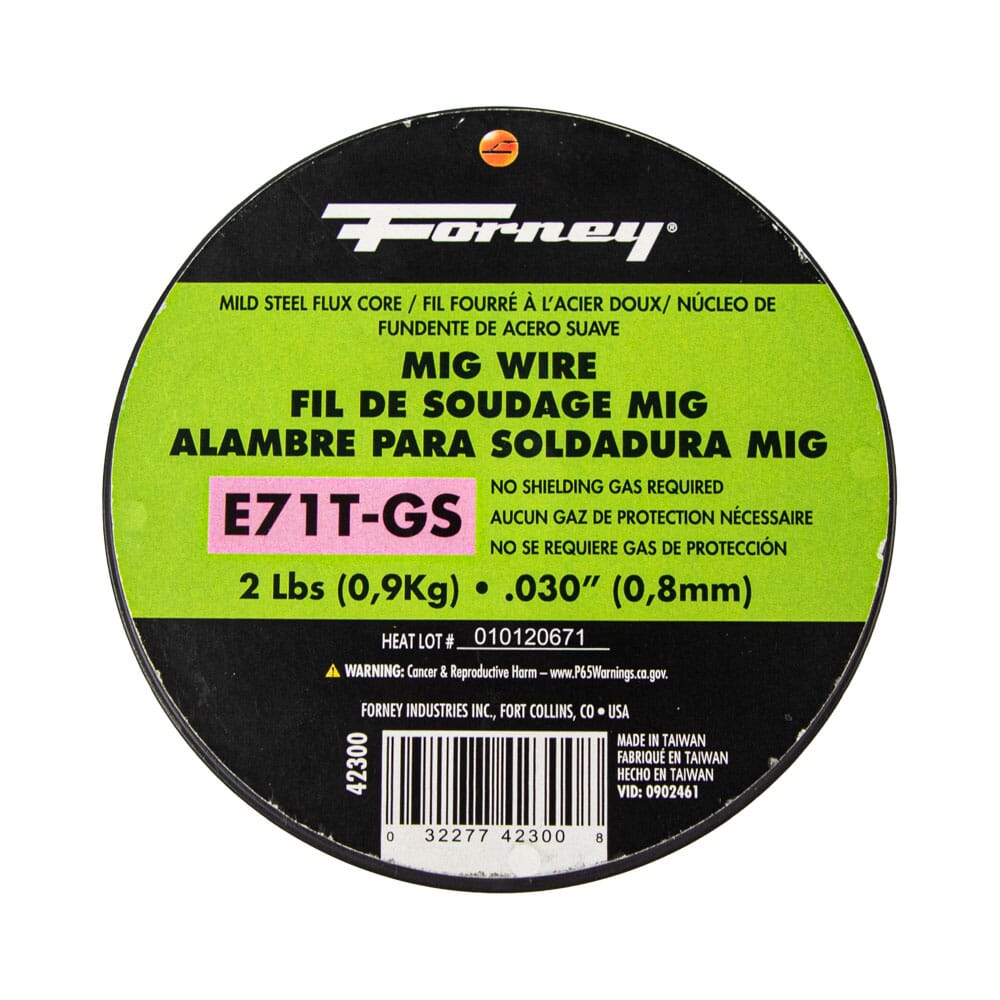
3. Forney E71t-gs
Forney’s E71T-GS is a good wire for hobbyists and farmers. It is self-shielded and works on most home welders.
- Diameter options: 0.030″, 0.035″
- Best for: Fencing, trailer repairs, DIY jobs
- Key features: Stable arc, good for thin steel, works on dirty metal
It is less expensive than some big brands but still offers good performance.
4. Blue Demon E71t-gs
Blue Demon’s wire is known for its consistent quality. It works well for both beginners and experienced welders.
- Diameter options: 0.030″, 0.035″
- Best for: Sheet metal, auto body repair, outdoor jobs
- Key features: Good penetration, easy to clean slag, smooth feed
It gives a nice bead and does not clog the welder.
5. Washington Alloy E71t-11
Washington Alloy’s wire is designed for tough jobs. It is a good choice for heavy farm repairs and structural welding outdoors.
- Diameter options: 0.035″, 0.045″
- Best for: Structural steel, heavy repairs, construction
- Key features: Deep penetration, strong welds, works well in wind
It handles thick metal and can work in all positions.
6. Kiswel E71t-gs
Kiswel is less known, but many welders trust it for reliable results at a lower price.
- Diameter options: 0.030″, 0.035″
- Best for: Home repairs, gates, outdoor metalwork
- Key features: Easy to use, good bead, low splatter
It comes in small spools, which are easy to store and use.
7. Yeswelder E71t-gs
YESWELDER’s wire is a newer option but growing in popularity for its clean results.
- Diameter options: 0.030″, 0.035″
- Best for: Fencing, shop repairs, small projects
- Key features: Smooth arc, little smoke, good for new welders
It is often available online and gives good value for money.
8. Inetub Ba71tgs
INETUB’s wire is made in Italy and gets strong reviews for its performance on thin and medium steel.
- Diameter options: 0.030″, 0.035″
- Best for: Sheet metal, car panels, small structures
- Key features: Clean welds, easy slag removal, smooth bead
It is used by many hobbyists and repair shops.
9. Arcfab E71t-gs
ARCFAB offers affordable wire that still performs well outdoors.
- Diameter options: 0.030″, 0.035″
- Best for: Light fabrication, home repairs, outdoor metalwork
- Key features: Consistent arc, low spatter, good weld strength
It is a good pick for those who want to save money but still need quality.
10. Us Forge E71t-gs
US Forge’s self-shielded wire is made for outdoor tasks and is easy to find in stores.
- Diameter options: 0.030″, 0.035″
- Best for: Maintenance, gates, farm tools
- Key features: Easy to start, steady feed, works on dirty metal
It is simple to use and gives a strong bond even if the metal is not perfectly clean.
Outdoor Welding: Challenges And Solutions
Working outside brings special problems. Here’s what you may face and how to handle it.
Wind
Wind can blow away the protective shield from the flux. Even with flux core wire, very strong wind can still cause porosity (tiny holes in the weld).
Solution: Weld in a sheltered spot, use your body or a board to block wind, and keep wire stick-out short.
Rust And Dirt
Outdoor metal is often rusty, painted, or dirty. Flux core wire can handle some dirt, but too much will weaken the weld.
Solution: Clean the area with a wire brush or grinder before welding.
Temperature Swings
Hot or cold weather can change how the metal acts and how the weld cools.
Solution: In cold weather, preheat thick metal with a torch. In hot weather, work in the shade and let the weld cool slowly.
Moisture
Rain, dew, or humidity can cause weld cracks and rust.
Solution: Keep your wire dry and store spools in sealed bags. Do not weld wet metal.
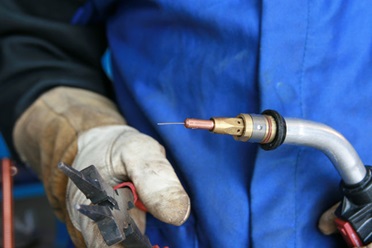
Credit: www.millerwelds.com
How To Use Flux Core Wire For Best Results
Even with the best wire, you need the right technique. Here are some tips:
- Set Polarity: For self-shielded flux core, set your welder to DCEN (Direct Current Electrode Negative).
- Keep Stick-Out Short: Use 3/8 inch (about 10 mm) of wire stick-out for stable arc.
- Travel Angle: Hold the gun at a 10-15 degree drag angle. Do not push.
- Travel Speed: Move at a steady pace. Too slow causes too much build-up, too fast makes weak welds.
- Clean After Welding: Chip off slag with a hammer and brush for a clean finish.
- Practice Vertical and Overhead: Many outdoor jobs need welding in tough positions. Practice on scrap first.
Self-shielded Vs. Dual-shield Flux Core Wire
You may see two types of flux core wire:
- Self-Shielded (FCAW-S): Does not need gas. Best for outdoor use.
- Dual-Shield (FCAW-G): Needs gas and flux. Used for heavy industrial work, usually indoors.
For outdoor jobs, always pick self-shielded wire. It is safer and easier to use in the wind.
Comparison: Popular Flux Core Wires
To help you see the differences, here’s a quick look at some top wires:
| Brand | Wire Type | Diameter | Best Use | Spool Size Options |
|---|---|---|---|---|
| Hobart Fabshield E71T-11 | Self-shielded | 0.030″, 0.035″, 0.045″ | General repairs, farm work | 2 lb, 10 lb, 33 lb |
| Lincoln NR-211-MP | Self-shielded | 0.030″, 0.035″ | Auto, outdoor jobs | 1 lb, 10 lb |
| Blue Demon E71T-GS | Self-shielded | 0.030″, 0.035″ | Sheet metal, repair | 2 lb, 10 lb |
Wire Classification: What Do The Numbers Mean?
Welding wire labels can look confusing. Here’s a simple guide using E71T-11 as an example:
- E: Electrode
- 7: Tensile strength (x10,000 psi). So 7 means 70,000 psi.
- 1: All-position (flat, vertical, overhead)
- T: Tubular wire (flux core)
- 11: Self-shielded, outdoor use
If you see E71T-GS, it means general use for single-pass welds.

Credit: www.dnhsecheron.com
How To Store Flux Core Wire
Moisture is the enemy of welding wire. Wet wire can cause poor welds and rust. Here’s how to keep your wire in good shape:
- Store unused spools in a dry place, inside sealed bags or boxes.
- Use silica gel packs to absorb moisture.
- Keep wire away from rain, dew, or wet hands.
- If you see rust on the wire, do not use it.
Pros And Cons Of Flux Core Wire For Outdoor Welding
Every tool has its strengths and limits. Here’s a quick overview:
| Pros | Cons |
|---|---|
| – Works in wind – No gas tanks needed – Good on dirty/rusty steel – Portable setup |
– More spatter – Slag cleanup needed – Not as clean as MIG – Some smoke and fumes |
Common Mistakes To Avoid
Welders often make the same mistakes when starting with flux core wire outdoors:
- Using the Wrong Polarity: Always check your welder’s settings.
- Poor Metal Prep: Even though flux core can handle rust, clean the weld area for better strength.
- Too Much Stick-Out: A long stick-out causes arc problems.
- Wrong Wire Size: Using thick wire on thin metal can burn holes.
- Ignoring Storage: Keep wire dry to prevent rust and feed issues.
Real-world Examples
Many welders share their experiences with flux core wire outside:
- A farmer repaired a broken gate hinge during a windy spring. He used Hobart Fabshield E71T-11 and finished the job quickly without stopping for the wind.
- A car hobbyist fixed a rusted frame on a project car in his driveway. He used Lincoln NR-211-MP and got strong welds even though the metal was not perfectly clean.
- A ranch worker built new fencing in open fields. He liked Blue Demon E71T-GS because it fed smoothly and did not clog his small welder.
These stories show that the right wire can save time and avoid frustration.
How To Choose The Right Wire For Your Project
Here are some practical tips to help you decide:
- Check Your Machine: Make sure your welder can use the wire diameter and spool size.
- Match to Metal Thickness: Use 0.030″ for thin steel (under 1/8”), 0.035″ or 0.045″ for thicker parts.
- Read Reviews: Look for feedback from welders who work outside.
- Try Small Spools First: Test a 2 lb spool before buying large amounts.
- Stick with Known Brands: Quality control is better with trusted names.
Safety Tips For Outdoor Welding
Welding outside means more risks. Stay safe with these rules:
- Always wear gloves, a jacket, and a welding helmet.
- Watch for flammable grass or dry leaves near your work area.
- Keep a fire extinguisher nearby.
- Be careful with extension cords in wet areas.
- Never weld if rain or storms are close.
Two Insights Most Beginners Miss
- Slag Hides Problems: Flux core wire leaves a slag layer. If you do not chip and brush after every pass, you may miss holes or weak spots in the weld.
- Wind Direction Matters: Even with self-shielded wire, if the wind is blowing directly onto the weld, you can still get porosity. Change your position so the wind hits your back, not the weld.
Environmental Impact
Flux core wires make more smoke and fumes than solid MIG wire. If you weld outside, this is less of a problem, but stay upwind and avoid breathing the fumes. Used wire spools and slag should be thrown away safely.
Where To Learn More
If you want to learn more about welding and flux core wires, check the Wikipedia page on flux-cored arc welding for detailed information and the science behind it.
Frequently Asked Questions
What Is The Best Diameter For Flux Core Wire Outdoors?
For most outdoor jobs, 0.035 inch wire is a good all-around choice. It works well on steel from 1/8” to 1/4” thick. If you weld thin sheet metal, use 0.030″. For heavy repairs, try 0.045″.
Can I Weld Aluminum With Flux Core Wire?
Standard flux core wires are for mild steel. There are special flux core wires for aluminum, but they are rare and do not work as well as MIG or TIG for aluminum. For most outdoor aluminum work, flux core is not recommended.
Why Does My Flux Core Weld Look Dirty?
Flux core welding creates slag and sometimes spatter. If you do not clean the weld area or brush off the slag after welding, your weld will look dirty. Clean before and after welding for better results.
How Do I Know If My Wire Is Self-shielded?
Check the label for codes like E71T-11 or E71T-GS. Self-shielded wires do not need gas. The box or spool will say “no gas needed” or “self-shielded.”
Is Flux Core Welding Safe In The Rain?
No. Never weld in the rain or on wet surfaces. Water increases the risk of electric shock and poor weld quality. Always wait for dry conditions.
Welding outside with flux core wire makes many jobs possible that would be hard with other methods. With the right wire, good prep, and safe habits, you can get strong, reliable welds in almost any weather. Choose your wire wisely, follow these tips, and you will get better results every time.
Credit: www.forneyind.com