Disclosure: This post contains affiliate links and I will be compensated if you make a purchase after clicking through my links. Learn More
Metal fume fever symptoms feel like a sudden case of the flu: fever, chills, muscle aches, headache, cough, thirst and a metallic taste in your mouth. They usually start 4 to 10 hours after you breathe freshly made metal oxide fume, most often zinc oxide from welding or cutting galvanized steel.
Most cases clear up within 24 to 48 hours. The delay fools a lot of welders, because you can finish a shift feeling fine and wake up at 2 a.m. shaking under the blankets.
This is a health topic, so we stick to facts from NIOSH, OSHA and peer-reviewed medical sources. Use it to spot the signs and protect yourself, and see a doctor for any diagnosis or treatment.
What Is Metal Fume Fever?
Metal fume fever is a short-term, flu-like illness caused by inhaling very fine metal oxide particles. Welding, cutting, brazing and foundry work boil metal off the base metal or its coating, and the vapor cools into tiny oxide particles that reach deep into your lungs.
The body reacts with an inflammatory response, which brings on the fever and aches. Shop slang for it includes zinc shakes, brass chills, welder’s ague, foundry fever and spelter shakes.
Metal Fume Fever Symptoms
The most common metal fume fever symptoms are fever, chills, muscle aches, fatigue, cough and a metallic taste. The NIOSH Pocket Guide entry for zinc oxide lists this full set of signs:
- Fever and chills
- Muscle aches, joint pain and low back pain
- Headache and a general sick, tired feeling (malaise)
- Dry throat, cough and chest tightness
- Shortness of breath or wheezing
- Nausea and sometimes vomiting
- A metallic taste in your mouth
- Intense thirst
- Blurred vision
In a NIOSH-funded study of zinc oxide exposure at Yale, the most common symptoms were fatigue, muscle ache and cough, and blood tests showed raised white blood cell counts.

Credit: www.youtube.com
Symptom Timeline: When It Starts and How Long It Lasts
The timing is the biggest clue. Symptoms show up hours after the exposure, peak the next day and then fade.
| Time after exposure ends | What usually happens |
|---|---|
| 0 to 4 hours | Often no symptoms yet, so you may feel fine. |
| 4 to 10 hours | Chills, fever, aches, headache, cough and thirst begin. |
| About 18 hours | Symptoms are at their worst. |
| 24 to 48 hours | Most mild cases clear up without lasting effects. |
These ranges come from the StatPearls review of metal fume fever. Symptoms that last past 48 hours, or get worse instead of better, point to something other than a simple case.
What Causes Metal Fume Fever?
Zinc oxide fume causes most cases. It forms when you weld, cut or grind with heat on zinc-coated (galvanized) steel, or melt brass and bronze. Other metals named in medical and welding sources include copper, cadmium, iron, manganese, nickel and chromium.
| Common source | Metal in the fume | Typical job |
|---|---|---|
| Galvanized steel | Zinc oxide | MIG, flux core or stick welding fence posts, trailers, pipe |
| Brass and bronze | Zinc and copper | Brazing, casting, torch work |
| Cadmium-plated parts and some older silver solders | Cadmium | Brazing, cutting old hardware |
| Mild and alloy steel | Iron, manganese, chromium, nickel | Heavy production welding in poor ventilation |
Cadmium deserves extra caution. The StatPearls review notes that cadmium can cause a pneumonitis that is far more dangerous than metal fume fever and can be fatal.
Monday Morning Fever and Short-Term Tolerance
Welders who work with zinc every day often notice a weekly pattern. Symptoms are weakest on the weekend and strongest after returning to work on Monday or Tuesday, which earned it the name Monday morning fever.
The NIOSH-funded Yale study found that people who got mild symptoms built up tolerance with repeated exposure on the following days. After a weekend away, symptoms come back on return to work, so the cycle repeats. Tolerance does not mean the fume is safe to breathe.
Metal Fume Fever vs the Flu and Other Look-Alikes
Metal fume fever looks a lot like a viral illness. The big difference is the link to a recent hot-work job on coated or alloy metal.
- Flu, COVID-19 and RSV: similar fever and aches, with no link to recent hot work on coated metal.
- Cadmium pneumonitis: a more dangerous lung injury from cadmium fume that can cause low oxygen and can be fatal.
- Polymer fume fever: caused by burning PTFE (Teflon) or other plastic coatings, with very similar symptoms.
When to See a Doctor
Safety note: Get medical care any time you have flu-like symptoms after hot work, and tell the provider exactly what metal, coating and process you were using. Bring the safety data sheet (SDS) if you have it.
Call 911 or go to the emergency room right away if you have:
- Trouble breathing, wheezing that keeps getting worse, or chest pain
- Confusion, fainting or bluish lips
- Symptoms that last longer than 48 hours or get worse after the first day
- Any chance the parts had cadmium plating or old cadmium-bearing solder
For questions about a fume exposure, you can also call Poison Help at 1-800-222-1222 in the US.
How Doctors Diagnose and Treat It
There is no single test for metal fume fever. Doctors rely mostly on your work history: hot work on zinc or other metals, then flu-like symptoms a few hours later.
Chest X-rays and most lab tests are usually normal. A doctor may still run tests to rule out pneumonia, cadmium exposure or an infection.
Treatment is supportive, according to the StatPearls review. That means rest, fluids and fever reducers, with oxygen or inhaled medicines for people who have wheezing or low oxygen. Follow your doctor’s advice on any medicine.
How to Prevent Metal Fume Fever
Prevention comes down to keeping fresh metal fume out of your breathing zone. Use these steps on every galvanized or coated job:
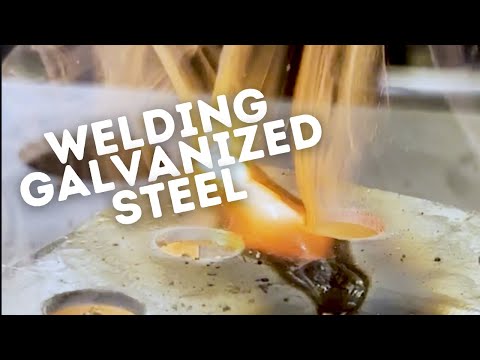
- Remove the coating first. TWI advises removing the zinc coating on both sides of the weld and far enough back that no fume forms.
- Capture fume at the source. Use a local exhaust hood or fume extractor close to the arc. TWI calls efficient fume extraction the preferred way to prevent exposure.
- Ventilate the space. Open doors and run mechanical ventilation that pulls fume away from your face, not across it.
- Wear the right respirator. The StatPearls review notes that elastomeric half-face respirators, full-face respirators and powered air-purifying respirators (PAPRs) protect better than N95 masks.
- Keep your head out of the plume. Position yourself so the rising fume moves away from your helmet.
- Know your metal. Check the SDS or markings for zinc, cadmium or other coatings before you strike an arc.
Credit: www.youtube.com
Exposure Limits for Zinc Oxide Fume
Both OSHA and NIOSH set limits for zinc oxide fume in the air. These limits apply to workplaces, and they are a useful guide for any home shop.
| Agency | Limit | Value |
|---|---|---|
| OSHA PEL | 8-hour time-weighted average | 5 mg/m3 |
| NIOSH REL | 10-hour time-weighted average | 5 mg/m3 |
| NIOSH REL | 15-minute short-term limit | 10 mg/m3 |
| NIOSH | Immediately dangerous to life or health (IDLH) | 500 mg/m3 |
Values are from the NIOSH Pocket Guide and the OSHA chemical database. The Yale study showed that most volunteers got a mild fever after 2 hours at or below the 5 mg/m3 limit, so staying under the limit does not guarantee you will feel fine.
Frequently Asked Questions
How long after welding do metal fume fever symptoms start?
Symptoms usually start 4 to 10 hours after the exposure ends, according to the StatPearls medical review. That delay is why many welders feel fine at the end of a shift and then get chills, aches and a fever that evening or overnight.
Can metal fume fever go away on its own?
Most cases are mild and fade within 24 to 48 hours with rest and fluids. You should still see a doctor, because cadmium fumes, polymer fumes and infections such as the flu or COVID-19 can cause similar symptoms and some of those need real treatment.
Does drinking milk prevent metal fume fever?
The medical sources we checked, including StatPearls and NIOSH, do not list milk as a way to prevent or treat it. The StatPearls review lists supportive care, such as rest, fluids and fever reducers. Real prevention means keeping zinc oxide fume out of your breathing zone.
Can you get metal fume fever from welding galvanized steel once?
Yes. One exposure can do it. In a NIOSH-funded study, 10 of 12 volunteers who had never been exposed developed a mild fever after breathing zinc oxide fume for just 2 hours at 2.5 or 5 mg/m3, which is at or below the OSHA limit.
Is metal fume fever contagious?
No. Metal fume fever is a reaction to inhaled metal oxide particles, not an infection, so you cannot pass it to anyone at home or at work. A coworker who welded the same galvanized parts can get it too, but only from breathing the same fume.
Final Words
Metal fume fever symptoms hit hours after the job: fever, chills, aches, cough and a metallic taste. Most cases pass in 1 to 2 days, but you should still get checked, and you need urgent care for any breathing trouble or chest pain.
The cause is almost always zinc oxide fume from galvanized steel, brass or bronze. Strip the coating, pull the fume away with extraction and wear a proper respirator, and you can weld coated metal without paying for it that night.