Disclosure: This post contains affiliate links and I will be compensated if you make a purchase after clicking through my links. Learn More
Flux core welding is one of the most reliable methods for joining metals in construction, shipbuilding, and repairs. But even skilled welders sometimes find small holes inside their welds. These holes are called porosity, and they weaken the joint. Porosity is not always easy to spot from the outside. It can cause cracks, leaks, or even early failure of the welded part. Many beginners struggle with porosity, and even professionals can face it under certain conditions.
If you want strong, clean welds, you must understand why porosity happens and how to avoid it. This article explains how to prevent porosity in flux core welding. You will learn about the main causes, practical steps to stop it, and advanced tips. Whether you are just starting or you have years of experience, these techniques can save you time, money, and frustration.
What Is Porosity In Flux Core Welding?
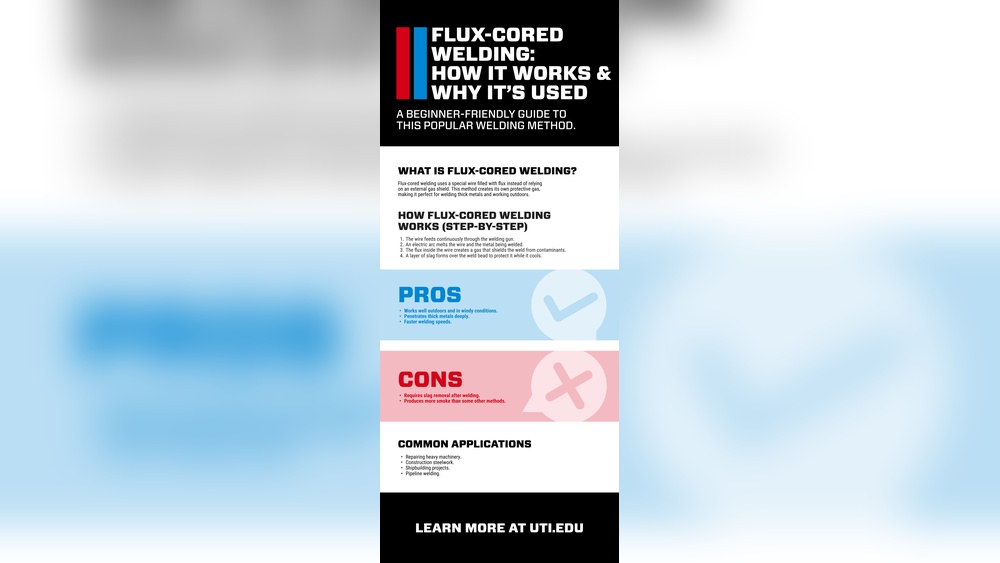
Porosity is the presence of gas pockets or holes in the weld metal. These holes form when gas gets trapped during the welding process. Flux core welding uses a special wire with flux inside. The flux melts and creates a gas shield around the weld. This shield protects the molten metal from oxygen and moisture in the air.
But if something goes wrong, gas can stay inside the weld and form bubbles. When the metal cools, these bubbles become holes. Porosity can be:
- Surface Porosity: Holes visible on the weld surface.
- Subsurface Porosity: Holes inside the weld, not visible outside.
- Distributed Porosity: Many small holes across the weld.
- Clustered Porosity: Holes grouped in one spot.
Even small amounts of porosity can weaken the weld. In critical jobs like pipelines or bridges, this is a serious problem.
Main Causes Of Porosity In Flux Core Welding
To prevent porosity, you must know why it happens. Here are the most common causes:
- Contaminated Base Metal: Dirt, oil, grease, paint, and rust on the metal surface trap gas.
- Wet or Damaged Welding Wire: Moisture in the wire releases hydrogen, which creates bubbles.
- Wrong Welding Parameters: Incorrect voltage, current, or wire speed affects the gas shield.
- Poor Gas Shielding: In self-shielded wire, wind can blow the shield away. In dual-shielded wire, low gas flow causes problems.
- Improper Joint Preparation: Gaps, fit-up issues, or sharp edges create areas for gas to hide.
- Improper Welding Technique: Wrong angle, travel speed, or stick-out length disturbs the shield.
- Atmospheric Conditions: High humidity, wind, or rain brings moisture to the weld zone.
- Dirty or Damaged Equipment: Old liners, tips, or cables introduce contaminants.
- Base Metal Composition: Some steels have high sulfur or other elements that cause gas release.
Each of these causes can lead to porosity by trapping gas in the weld pool. Sometimes, more than one factor is involved.
How To Prevent Porosity In Flux Core Welding
Preventing porosity is about controlling the welding environment, using the right materials, and following good practices. Let’s break it down into clear steps.
1. Clean The Base Metal Properly
Clean metal is the foundation of a good weld. Even a small amount of oil or rust can cause porosity. Before you start welding:
- Use a wire brush to remove loose rust and paint.
- Wipe the surface with a clean rag to remove oil and grease.
- Use a grinder for thick rust or mill scale.
- For stainless steel, use a dedicated brush to avoid cross-contamination.
- Do not use solvents that leave a residue.
Some welders skip cleaning to save time, but this almost always leads to problems. Even new steel can have a thin layer of oil from the factory.
2. Store And Handle Welding Wire Correctly
Moisture is your enemy. It brings hydrogen into the weld, which forms bubbles. To avoid this:
- Store wire spools in a dry area, away from humidity.
- Keep wire in sealed containers if possible.
- Do not touch the wire with bare hands; sweat adds moisture.
- Use wire within its shelf life.
- If you see rusty or dirty wire, cut away the first few layers.
Self-shielded flux core wire absorbs moisture more easily than solid wire. Never use wire that feels damp.
3. Use The Right Welding Parameters
Settings matter. Wrong voltage, current, or wire feed speed can change the way gas forms and escapes. Here’s what to check:
- Set voltage and amperage according to the wire manufacturer’s chart.
- Adjust wire feed speed for a stable arc.
- Use the correct electrode extension (stick-out), usually 3/4″ to 1-1/4″ for flux core.
- If you use dual-shielded wire, check the gas flow rate (usually 35–45 cubic feet per hour).
If your arc is sputtering or erratic, stop and check your settings. Do not try to “push through” problems.
4. Protect The Weld From Wind And Drafts
Wind can blow away your shield. This is a common cause of porosity outdoors. Some tips:
- Weld in a sheltered spot if possible.
- Use welding screens to block wind.
- Do not weld outside in strong wind, even with self-shielded wire.
- For dual-shielded wire, check for leaks or drafts near the weld.
A wind as low as 5 mph can cause problems. Porosity often increases on windy days.
5. Prepare Joints And Fit-up Correctly
Good fit-up prevents hidden traps for gas. Before welding:
- Make sure the joint gap is correct (not too wide).
- Grind sharp edges to a small bevel if needed.
- Remove burrs or slag from previous welds.
- Clamp pieces tightly so they do not move during welding.
If you have a gap, fill it with a short tack weld first.
6. Use The Right Welding Technique
How you move the gun matters. Follow these guidelines:
- Hold the gun at the right angle (usually 10–20 degrees from vertical).
- Keep the correct travel speed; too fast or too slow causes problems.
- Maintain a steady hand; do not weave too much.
- Keep the stick-out at the proper length.
If you see spatter, uneven bead, or a rough surface, adjust your technique.
7. Control Atmospheric Conditions
Moisture in the air brings hydrogen. Try to weld in dry conditions:
- Avoid welding in rain or heavy fog.
- If the metal feels wet, dry it with a torch or heater first.
- Keep your work area dry; do not leave wire or metal out overnight.
Even small amounts of water can cause porosity.
8. Maintain And Inspect Equipment
Dirty tools add contaminants. Check your equipment often:
- Clean contact tips and nozzles before each job.
- Change liners if the wire drags or jams.
- Check cables for cracks or worn spots.
- Use only clean gloves and tools.
A damaged gun or cable can introduce oil, dirt, or even air leaks.
9. Check Base Metal Composition
Some steels are more prone to porosity. For example, high-sulfur or high-phosphorus steels release more gas. If you are unsure:
- Ask your supplier for a material test report.
- Use wire designed for the type of steel you are welding.
- Consider using a different filler metal if you keep having porosity.
In some cases, a short trial weld can show if the metal is clean enough.
Advanced Tips For Reducing Porosity
As you gain experience, you can use more advanced methods to prevent porosity. Here are some expert strategies.
Preheat The Metal
Preheating removes moisture and helps gas escape. This is helpful for thick or high-strength steel. Use a torch or induction heater to warm the area to 120–250°C (250–480°F) before welding. Do not overheat, as this can damage the metal.
Use A Backing Bar
A backing bar is a piece of copper or steel placed behind the joint. It supports the weld pool and helps gas move out. This is especially useful for root passes or thin metals.
Monitor Gas Flow And Quality
For dual-shielded wires, always use the recommended gas mix (often 75% argon, 25% CO2). Use a flowmeter, not just the gauge, to check flow rate. Leaks in hoses or loose fittings can ruin the shield even if the gauge looks fine.
Use Proper Welding Sequence
Weld in short sections, and let each bead cool before adding the next. This prevents overheating and reduces gas trapping. For large joints, use a “back-step” sequence to control heat.
Avoid Excessive Weaving
A wide weave can trap gas. Keep your weave small and steady. Only weave as much as the wire manufacturer allows.
Common Mistakes That Lead To Porosity
Even skilled welders make mistakes. Here are some errors that often cause porosity:
- Skipping Metal Cleaning: Welding over paint or oil is a sure way to get porosity.
- Wrong Wire Type: Using solid wire instead of flux core wire or vice versa.
- Ignoring Wind: Welding outdoors on a windy day without protection.
- Reusing Old Wire: Using wire that has been left out and absorbed moisture.
- Wrong Gas Mixture: Using pure CO2 instead of the recommended mix.
- Poor Equipment Maintenance: Letting tips, liners, or cables get dirty.
- Moving Too Fast: Not allowing gas to escape from the weld pool.
- Not Watching the Weld Pool: Focusing only on the bead, not on how the metal is flowing.
Avoiding these mistakes can solve most porosity problems.
Signs Of Porosity And How To Detect It
Porosity is not always visible. Here’s how you can find it:
- Visual Inspection: Look for small holes or rough spots on the bead.
- Bend Test: Bend the welded piece. Cracks often form at areas with porosity.
- X-Ray or Ultrasonic Testing: For critical jobs, use these tests to find hidden holes.
- Grind and Etch: Grind down the bead and use acid to reveal subsurface porosity.
If you find porosity, grind out the defect and re-weld the area.
Why Porosity Matters: Risks And Costs
Porosity is not just an appearance problem. It causes real risks:
- Reduced Strength: Gas holes make the weld weaker, especially under stress.
- Leakage: Pores can let liquids or gases through. This is dangerous in tanks or pipes.
- Cracking: Porosity can start cracks, which grow over time.
- Failed Inspection: Many industries require X-ray or ultrasonic testing. Porosity often leads to a failed part.
Fixing porosity after welding is expensive. You often have to grind out the weld and redo it. In some cases, you must scrap the part.
How Different Wires Affect Porosity
Not all flux core wires behave the same. Here’s a quick comparison:
| Wire Type | Shielding | Common Porosity Cause | Best Use |
|---|---|---|---|
| Self-Shielded (FCAW-S) | Flux only | Wind, moisture in wire | Outdoor, thick steel |
| Gas-Shielded (FCAW-G) | Flux + external gas | Low gas flow, leaks | Indoor, high-quality welds |
| Solid Wire (GMAW) | External gas | Contamination, wrong gas mix | Thin steel, clean shops |
Self-shielded wire is more sensitive to wind and moisture. Gas-shielded wire needs the right gas flow. Always match the wire type to your job.

Credit: www.reddit.com
Gas Shielding: What Works And What Fails
For dual-shielded flux core welding, shielding gas is key. Here’s how different gas mixes affect porosity risk:
| Gas Mix | Porosity Risk | Notes |
|---|---|---|
| 100% CO2 | Medium | Good penetration, more spatter |
| 75% Argon / 25% CO2 | Low | Best for most flux core wires |
| 80% Argon / 20% CO2 | Very Low | Smoother arc, less spatter |
| 90% Argon / 10% CO2 | Very Low | Used for stainless steel |
| Air (No Shielding) | Very High | Never use for flux core |
Using the wrong gas or too little flow increases porosity. Always check the wire manufacturer’s chart.
Practical Examples: Fixing Porosity Problems
Example 1: Outdoor Welding With Self-shielded Wire
A welder tries to fix a fence post on a windy day. After welding, he sees many holes in the bead. The cause is wind blowing away the gas shield. Solution: Set up a windbreak, clean the wire, and reduce travel speed.
Example 2: Welding Dirty Steel Plate
A beginner welds over an old painted plate. Porosity appears after grinding. The paint trapped gas in the weld. Solution: Grind off all paint before welding.
Example 3: Moisture-contaminated Wire
A shop stores wire spools in a damp area. Welds show porosity after a few weeks. The wire absorbed moisture. Solution: Store wire in a dry, sealed cabinet and use a dehumidifier.
Example 4: Wrong Gas Flow
A welder uses dual-shielded wire with a low flow rate (15 CFH). Porosity appears throughout the bead. Solution: Increase gas flow to 35–45 CFH and check for leaks.
These examples show that small changes can prevent big problems.

Credit: primeweld.com
Real Data: Porosity Failure Rates
Studies show that porosity is one of the top three causes of weld failure in field work. In a test of 1,000 welds done with flux core wire:
- 18% failed due to porosity
- 23% failed due to lack of fusion
- 11% failed due to cracks
Most failures happened when metal was not cleaned or when wire was stored in a humid place. Fixing porosity before inspection saved an average of $120 per weld, including labor and materials.
Essential Tools For Preventing Porosity
Having the right tools makes prevention easier. Here are the basics:
- Wire brush: Cleans rust and scale
- Grinder: Removes paint and thick rust
- Clean rags: Wipes oil and grease
- Flowmeter: Checks gas flow for dual-shielded wires
- Wind screen: Shields outdoor welds
- Dry storage cabinet: Keeps wire dry
- Moisture meter: Checks humidity in storage
Investing in these tools pays off by reducing wasted time and materials.
Non-obvious Insights
Some details are easy to miss, even for experienced welders:
- New steel is not always clean. Mill scale or factory oil often covers new metal, and both can cause porosity.
- Wire that looks clean can still be damp. Even a few hours in a humid shop can add enough moisture to cause problems. Always store wire in a sealed box.
- Short welds cool faster. If you weld in short bursts, gas has less time to escape, so adjust technique for small parts.
These small changes can make a big difference in your results.
Best Practices Checklist
To sum up, follow these steps every time:
- Clean the metal fully—no shortcuts.
- Store wire dry and use within its shelf life.
- Set parameters as recommended.
- Block wind and drafts.
- Prepare joints with correct gap and fit.
- Use steady, correct technique.
- Keep equipment clean and maintained.
- Check gas flow and quality.
- Understand your base metal.
If you follow these steps, you will prevent most porosity problems.

Credit: www.youtube.com
Frequently Asked Questions
Why Does Porosity Happen Even With Self-shielded Flux Core Wire?
Self-shielded wire creates its own shield, but wind, moisture in the wire, or dirty metal can still cause porosity. Always clean the base metal and store wire in a dry place.
How Do I Know If My Weld Has Porosity?
You can spot surface porosity as small holes or craters. For hidden porosity, use bend tests, X-ray, or ultrasonic testing. If the weld cracks easily, check for internal porosity.
Can I Fix Porosity After Welding?
Yes. Grind out the affected area until you reach solid metal, then re-weld. Make sure you correct the cause before trying again, or the problem will return.
Does Wire Type Affect Porosity Risk?
Yes. Self-shielded wire is more sensitive to wind and moisture. Gas-shielded wire needs the right gas flow and mix. Always use the recommended wire for your job and follow storage guidelines.
Where Can I Find More Technical Data On Porosity Prevention?
You can read more in the American Welding Society’s handbooks and technical papers. Also, check Lincoln Electric’s Porosity Guide for detailed advice and examples.
Flux core welding is a strong and flexible process, but porosity can ruin your results if you are not careful. By cleaning your metal, storing your wire dry, using the right settings, and following good practices, you will achieve stronger, cleaner, and more reliable welds every time.