Disclosure: This post contains affiliate links and I will be compensated if you make a purchase after clicking through my links. Learn More
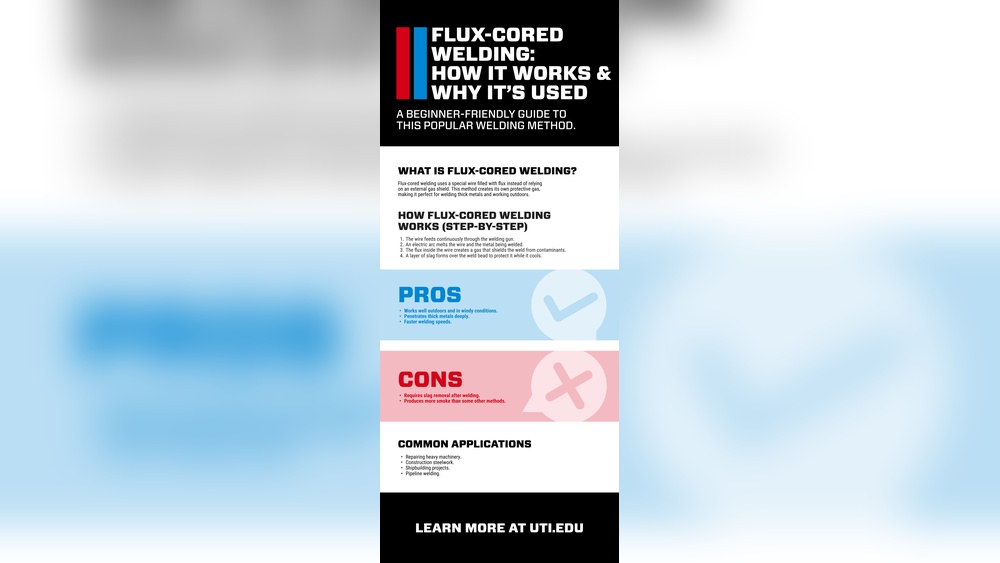
Flux core welding is popular because it works well outdoors and can handle dirty or rusty metal. Many welders choose flux core because it is fast and doesn’t need a gas tank. But, to get good welds, you need the right contact tip size.
The contact tip looks small and simple, but it affects how the wire feeds, the arc quality, and how strong your welds are. If you pick the wrong size, you get burnback, wire jams, or unstable arcs. This guide will help you choose the right flux core contact tip size.
You will find details for beginners and experienced welders, from wire size to tip materials, and practical advice for your next weld.
What Is A Contact Tip In Flux Core Welding?
The contact tip is a small part at the end of your welding torch. It touches the welding wire and sends electricity into it. The tip also guides the wire as it goes into the weld pool. In flux core welding, the wire moves fast and gets very hot.
The tip must stay clean and fit well for smooth wire feeding and a stable arc.
A good contact tip keeps the wire stable and the weld even. If the tip is too small or too large, the wire may stick or wander. This leads to poor welds, extra spatter, and even damage to your torch.
Some welders overlook contact tip size, but it is as important as your wire type or voltage settings.
Why Contact Tip Size Matters
Contact tip size means the diameter of the hole in the tip. This hole guides the welding wire as it moves from the torch to the workpiece. The tip size must match the wire size closely. If it is too tight, the wire sticks or feeds unevenly.
If it is too loose, the arc becomes unstable and you lose control over the weld bead.
Getting the right size can:
- Reduce wire jams: The correct size stops the wire from snagging.
- Improve arc stability: A well-fitted tip gives a steady arc and less spatter.
- Increase tip life: The right fit means less wear and fewer replacements.
- Boost weld quality: Good fit leads to better penetration and cleaner welds.
Many beginners think a “close enough” tip will do. But small mismatches can cause big problems, especially with flux core, which runs hotter and has more spatter than MIG welding.
Flux Core Wire Sizes And Their Matching Tip Sizes
Flux core wires come in standard diameters. Each wire size has a matching contact tip size. Here are the common flux core wire sizes and their recommended contact tip sizes.
| Flux Core Wire Size (inch) | Recommended Tip Size (inch) | Comments |
|---|---|---|
| 0.030″ | 0.030″ or 0.035″ | Use 0.030″ for tight fit; 0.035″ if wire sticks |
| 0.035″ | 0.035″ or 0.040″ | 0.035″ for new wire; 0.040″ for dirty or rusty wire |
| 0.045″ | 0.045″ or 0.052″ | 0.045″ for clean, round wire; 0.052″ for rough wire |
| 0.052″ | 0.052″ or 1/16″ | For heavy-duty welds |
| 1/16″ | 1/16″ or 0.068″ | For thick steel and industrial jobs |
Most welders use 0. 030″ or 0. 035″ flux core wire for general work. Thicker wires are common in heavy industry.
Metric Sizes
Many countries use metric wire sizes. Here’s a simple match-up for metric users:
| Wire Size (mm) | Tip Size (mm) | Use Case |
|---|---|---|
| 0.8 mm | 0.8 mm or 0.9 mm | Light sheet metal |
| 0.9 mm | 0.9 mm or 1.0 mm | General fabrication |
| 1.0 mm | 1.0 mm or 1.2 mm | Structural jobs |
| 1.2 mm | 1.2 mm or 1.4 mm | Heavy steel |
Choosing the right size depends on wire quality, machine settings, and how much spatter you get.
How To Choose The Best Contact Tip Size
1. Match Tip Size To Wire Size
Start by checking your wire diameter. The tip size should match the wire as closely as possible. For example, use a 0. 035″ tip with a 0. 035″ wire. If your wire is rough or has a thick flux coating, you might need a tip 0.
005″ larger.
2. Consider Wire Type
Flux core wire expands when it gets hot. Solid MIG wire does not expand as much. Because of this, some welders use a tip that is one size bigger for flux core. This extra clearance helps the wire feed smoothly, especially during long welds.
3. Think About Welding Position
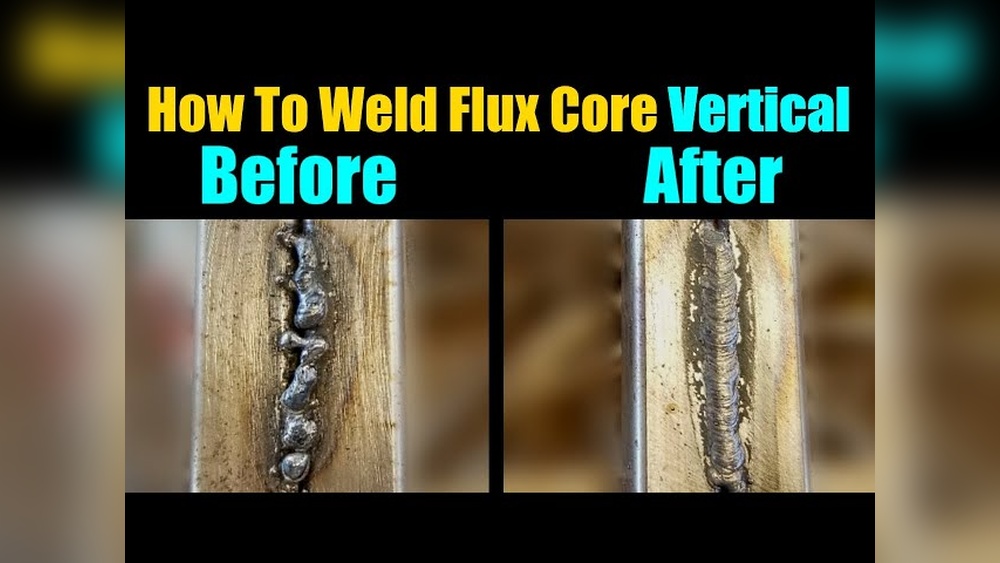
If you weld overhead or vertical, the wire heats up more. This makes expansion worse. In these cases, a slightly bigger tip helps prevent jams.
4. Check Wire Quality
Cheap or old flux core wire is not always perfectly round. This can cause it to stick in a tight tip. If you often have feeding problems, try a tip one size up.
5. Test And Adjust
Start with the recommended tip size. If you get burnback (wire melting into the tip), or you feel the wire “dragging,” try a bigger tip. If the arc feels unstable or you get too much spatter, try a smaller tip.
6. Watch For Wear And Tear
Tips wear out with use. The hole becomes bigger and the fit becomes loose. If you notice more spatter, bad arcs, or wire that “wanders,” replace the tip.
Different Contact Tip Types
There are several kinds of contact tips. The most common are:
- Standard copper tips: Cheap, good heat transfer, short life.
- Heavy-duty copper tips: Thicker, last longer, cost more.
- Chromium-zirconium tips: Harder, resist wear, best for high-heat jobs.
- Threaded tips: Screw in, stay tight, common on industrial torches.
- Push-in tips: Easy to change, used on smaller welders.
Each type fits different needs. For most home and shop welders, standard copper tips work fine. But if you weld all day, heavy-duty or chromium-zirconium tips save time and money.
Contact Tip Fit: Tight Vs. Loose
Some welders debate whether to use a tight or loose tip fit. Here is what you need to know:
- Tight fit (tip matches wire size): Gives best arc stability and current transfer. Risk of wire jams if the wire expands or is not round.
- Loose fit (tip slightly larger than wire): Less risk of jamming, easier wire feeding. Slightly less arc control.
For flux core, many choose a loose fit because the wire expands more from heat. For solid MIG, a tight fit is usually better.
Pro tip: If you switch between solid and flux core wire, keep different tips for each. Label them to avoid mix-ups.

Credit: americantorchtip.com
Signs Of The Wrong Contact Tip Size
How do you know if your tip is the wrong size? Look for these signs:
- Burnback: The wire melts into the tip. Usually means tip is too tight.
- Wire jams or stops: Tip hole is too small or wire is rough.
- Unstable arc: Tip is too loose, wire “dances” in the arc.
- Too much spatter: Tip is worn out or too loose.
- Short tip life: Wrong size or poor-quality tip.
Many new welders think these problems come from voltage or wire speed. Often, the tip is the real problem.
How To Change A Contact Tip
Changing a contact tip is simple. Here are the basic steps:
- Turn off the welder and unplug it.
- Remove the nozzle from the torch. Most twist off by hand.
- Unscrew or pull out the old tip. Use pliers if needed.
- Check the new tip. Make sure it matches your wire size.
- Install the new tip. Screw or push it into place.
- Put the nozzle back on.
- Test the wire feed before you start welding.
Do not overtighten the tip. Hand-tight is enough for most machines.
Beginner insight: Always keep spare tips in your toolbox. Tips wear out fast, especially if you weld a lot or use cheap wire.
Common Mistakes With Contact Tip Sizing
Many welders make the same mistakes with tip size. These mistakes hurt weld quality and slow down your work.
- Ignoring wire expansion: Flux core wire expands more than solid wire. Use a bigger tip if you get jams.
- Using worn-out tips: Old tips have big holes and give poor arcs.
- Mixing up metric and imperial sizes: Always match the wire and tip units.
- Forcing the wire: If the wire does not feed, do not force it. Change the tip.
- Not cleaning the tip: Dirt or spatter inside the tip blocks the wire.
Advanced tip: If you weld for long periods, check the tip every hour. Replace it if you see burn marks or if the hole is no longer round.
How Contact Tip Materials Affect Welding
Contact tips are made from different materials. Each material has strengths and weaknesses:
- Copper: Best heat transfer, cheapest, wears out fastest.
- Copper-chromium-zirconium: Harder, lasts longer, costs more.
- Silver-plated: Used in special cases, very expensive, resists sticking.
For most welders, copper is enough. If you weld heavy steel or do long runs, try chromium-zirconium tips.
Non-obvious insight: Some cheap tips are not pure copper. They have poor current transfer and fail early. Always buy tips from a trusted brand.
Choosing Contact Tip Shape
Contact tips come in different shapes:
- Tapered: Small at the end, gives a focused arc. Good for detail work.
- Flat: Wider at the end, spreads the arc. Good for general welding.
- Long: Extends past the nozzle, helps in deep corners.
- Short: Sits inside the nozzle, protects the tip from spatter.
Choose tip shape based on your weld. For most jobs, a standard flat tip works best.
How Contact Tip Size Affects Welding Performance
Using the right tip size improves your welding in many ways:
- Better arc stability: The arc stays steady, so you get a smooth weld bead.
- Less spatter: Right fit means less cleanup.
- Longer tip life: Less wear and fewer jams.
- Higher weld strength: Good contact means better current transfer.
- Faster work: Fewer stops to fix wire jams or tip problems.
If your welds look messy or you keep stopping to fix the wire, check your tip size first.
Troubleshooting: Fixing Contact Tip Problems
If you have trouble with your flux core welder, try these steps:
- Check tip size: Make sure it matches your wire.
- Inspect for wear: Replace if the hole is too big or out of shape.
- Clean the tip: Remove any spatter inside the tip.
- Check wire quality: Use clean, round wire.
- Adjust wire speed: Too fast or too slow can cause burnback.
- Try a different tip size: If you get jams, go up one size.
If you still have problems, check your torch liner or drive rolls. Sometimes, the problem is not the tip but the wire path.
How Often Should You Replace Contact Tips?
There is no exact rule, but most welders replace tips after:
- Every full spool of wire (about 10 lbs or 4.5 kg)
- After 2-3 hours of heavy welding
- Any time you see burnback or wire jams
- If you see the tip hole is no longer round
Tips are cheap. Changing them often saves you time and gives better welds.
Credit: www.uti.edu
Practical Examples: Choosing Tip Size In Real Jobs
Example 1: Farm Equipment Repair
A farmer needs to fix a steel gate using 0. 035″ flux core wire. The wire is a bit rusty. He tries a 0. 035″ tip, but the wire jams after a few inches. He switches to a 0. 040″ tip, and the wire feeds smoothly.
The welds look clean, and he finishes faster.
Insight: Dirty or rough wire needs a bigger tip for smooth feeding.
Example 2: Building A Trailer
A welder is making a small trailer frame with 1/16″ flux core wire. He uses a 1/16″ tip. After several welds, he notices the wire is dragging. He checks the tip and finds spatter inside. He cleans it and the wire feeds better.
Insight: Regular tip cleaning is as important as correct size.
Example 3: Hobby Welding In A Garage
A beginner welder uses 0. 030″ flux core wire on old car panels. He starts with a 0. 030″ tip, but after a long weld, he gets burnback. The wire has expanded from heat. He switches to a 0. 035″ tip, and the problem stops.
Insight: Long welds make the wire hotter and thicker. Use a bigger tip for long runs.
How To Store And Maintain Contact Tips
Contact tips are small, so they are easy to lose or damage. Good storage and care make a difference.
- Keep tips in a small box or bin: This stops them from getting dirty or bent.
- Label by size: Mark each tip or bag for easy picking.
- Check for damage before use: A bent tip can ruin a weld.
- Clean with a tip cleaner: Use a special file or brush if tips get spatter inside.
- Store in a dry place: Moisture makes tips corrode or rust.
If you weld often, keep several spare tips on hand. You never know when you will need a new one.

Credit: www.thefabricator.com
How Flux Core Welding Differs From Mig For Tip Selection
Many people use both flux core and MIG. The main difference is wire expansion. Flux core wires expand more, so a bigger tip helps. MIG wire stays about the same size, so a matching tip gives a better arc.
Another difference is that flux core makes more spatter. This clogs tips faster, so you must change or clean them more often.
Some welders try to use the same tips for both. But switching tips when you change wires gives better results.
Quick Reference: Contact Tip Selection For Common Flux Core Wires
Here’s a handy guide for standard wire sizes and their best tip sizes:
- 0.030″ wire: Use 0.030″ or 0.035″ tip
- 0.035″ wire: Use 0.035″ or 0.040″ tip
- 0.045″ wire: Use 0.045″ or 0.052″ tip
- 0.052″ wire: Use 0.052″ or 1/16″ tip
- 1/16″ wire: Use 1/16″ or 0.068″ tip
These pairings work in 95% of cases. For special jobs, adjust based on wire quality and weld length.
Data Table: Contact Tip Material And Performance Comparison
To help you choose, here’s a table comparing tip materials and how they perform in common welding tasks.
| Material | Heat Resistance | Wear Resistance | Cost | Best For |
|---|---|---|---|---|
| Copper | Good | Fair | Low | Home, hobby welding |
| Chromium-Zirconium | Excellent | Very high | Medium | Industrial, long runs |
| Silver-Plated | Excellent | High | High | Specialty, high precision |
Choose copper for most jobs, but upgrade if you weld all day or use thick wire.
Expert Tips For Better Flux Core Welding
- Always use the right tip size: A good fit gives better welds and saves you time.
- Keep spare tips handy: Tips wear out faster than you expect.
- Clean tips often: Spatter builds up fast with flux core.
- Avoid mixing tip sizes: Label tips to avoid mistakes.
- Use quality wire: Cheap, rough wire jams more often.
One Source For More Information
For a deeper look at welding tips, see the Flux-cored arc welding entry on Wikipedia.
Frequently Asked Questions
What Happens If I Use The Wrong Contact Tip Size?
If the tip is too small, the wire jams or burns back into the tip. If the tip is too big, the arc becomes unstable and you get more spatter. The weld may be weak or messy.
How Often Should I Change Contact Tips In Flux Core Welding?
You should change tips after every spool of wire or if you see burnback, jams, or a hole that is no longer round. Heavy users may change tips every day.
Can I Use The Same Contact Tip For Both Flux Core And Mig Wires?
It is possible, but not ideal. Flux core wires expand more, so you often need a bigger tip. For best results, use separate tips for each type.
What Is Burnback, And How Does Tip Size Cause It?
Burnback is when the welding wire melts and sticks to the tip. This happens if the tip is too tight or if the wire feed is too slow. A slightly larger tip can help prevent this.
Do Contact Tip Materials Matter For Home Welding?
For most home welders, copper tips work well. If you weld often or use thick wire, try chromium-zirconium tips for longer life and less wear.
Choosing the right contact tip for flux core welding is simple but important. The correct size gives better welds, fewer problems, and saves you money in the long run. Always match your tip to your wire, keep tips clean, and replace them as needed for the best results.