Disclosure: This post contains affiliate links and I will be compensated if you make a purchase after clicking through my links. Learn More
A stick welder is used for joining metal pieces by melting a metal rod (electrode) with an electric arc. It’s a favorite for construction, repairs, and heavy-duty projects because it works outdoors, on rusty metal, and with thick materials.
What Is A Stick Welder?
A stick welder, also called Shielded Metal Arc Welding (SMAW), uses electricity to create an arc between a metal stick (electrode) and the workpiece. The arc melts both the electrode and the base metal, forming a weld pool that cools into a strong joint. The flux coating on the electrode burns away during welding, creating a gas shield and a layer of slag to protect the weld from air contamination. This process is simple, reliable, and works in tough conditions.
Stick welding is a go-to for many industries. From building skyscrapers to fixing farm equipment, its rugged design and ability to handle dirty or rusty metals make it essential for both professionals and hobbyists. It’s portable, doesn’t need gas tanks, and works almost anywhere you have power.
Main Uses Of Stick Welders
1. Construction And Structural Welding
Stick welders are widely used in construction. They join steel beams, columns, and rebar for bridges, buildings, and towers. The process works well outdoors and in windy areas because the flux coating shields the arc from air and debris. Workers can weld thick steel sections, even when surfaces are not perfectly clean. For example, on a high-rise site, welders often use stick welding to connect large steel parts quickly and safely.
2. Repair And Maintenance
Maintenance crews rely on stick welders for heavy equipment repair. Whether it’s a broken bulldozer blade or a cracked tractor frame, stick welding delivers sturdy, long-lasting fixes. The process can handle rusty, painted, or oily surfaces, so there’s less prep work.
This is why farmers, mechanics, and fleet managers keep stick welders on hand for fast, reliable repairs.
3. Pipeline And Oil Field Welding
In the oil and gas industry, pipe welders use stick welding to join miles of pipeline. The technique is ideal for field conditions—wind, dirt, and variable weather don’t stop the process. Welders create high-strength joints that meet strict safety codes. For pipeline repairs or new construction, stick welding is often the standard method.
4. Shipbuilding And Marine Work
Shipyards use stick welders to build and fix ships, barges, and offshore platforms. Saltwater and humidity make metal surfaces corrode quickly, but stick welding cuts through rust and scale. Its portability allows welders to climb, crawl, and reach difficult spots in ship hulls or decks.
The robust welds stand up to the harsh marine environment.
5. Manufacturing And Fabrication
Manufacturers use stick welding for heavy steel fabrication—frames, tanks, trailers, and machinery. The process handles thick metals and creates strong, solid joints. It’s often used in combination with other welding methods, but when speed and strength matter, stick welding is a trusted choice.
6. Outdoor And Remote Worksites
Stick welding shines in remote locations. You don’t need bottled gas or complicated equipment. A portable stick welder, a box of electrodes, and a generator are often enough. This makes it the top pick for field repairs on farms, ranches, logging sites, and construction projects far from city power.
7. Artistic And Hobby Welding
Artists and hobbyists use stick welders for creative metalwork—sculptures, furniture, and custom signs. It’s affordable and simple to learn. Many home workshops have a small stick welder for do-it-yourself projects. While it takes practice to create clean welds, the process is forgiving and works with scrap metal.
8. Welding Cast Iron
Fixing cast iron parts, such as engine blocks or machine bases, is tricky. Stick welders can do the job using special electrodes. The process delivers enough heat to bond cast iron without causing cracks. Repairs last and restore function to expensive parts.
9. Joining Dissimilar Metals
Stick welding can join different metals, such as steel to stainless steel, using the right electrode. This flexibility helps in repair, maintenance, and custom fabrication, where you often encounter mixed materials.
10. Heavy Equipment Manufacturing
Companies making bulldozers, cranes, and mining trucks use stick welding for thick steel plates and frames. The method creates deep, strong welds that handle heavy loads and stress. It’s a backbone process in heavy industry.
How Stick Welding Works
The stick welder sends current through an electrode, creating a high-temperature arc when the tip touches the workpiece. This arc melts the metal, allowing it to fuse with the base material. The flux coating burns off, forming a gas shield and a slag layer that protect the weld from oxygen and moisture.
The process uses either AC (alternating current) or DC (direct current) power. DC gives a smoother arc and is preferred for most jobs, but AC machines are cheaper and work well for simple repairs.
Key steps:
- Clamp the workpiece with the ground cable.
- Insert the electrode into the electrode holder.
- Strike the arc by touching the electrode to the metal.
- Move the electrode along the seam to create the weld bead.
- Remove slag after the weld cools.
Types Of Stick Welders
Not all stick welders are the same. Here are the main types you’ll find:
Ac Stick Welders
These use alternating current. They’re affordable and reliable for basic repairs and farm work. AC welders handle thick materials and tolerate dirty power sources, but the arc can be rough for beginners.
Dc Stick Welders
These run on direct current, producing a steady, smooth arc. They’re easier to use and create better-looking welds. Most professional machines are DC or offer both AC and DC options.
Inverter Stick Welders
Inverter models are compact, lightweight, and energy-efficient. They use electronics to control power, giving better arc stability and more features (like adjustable hot start and arc force). Inverters are ideal for mobile welders and anyone who needs to carry the machine to the job.
Engine-driven Stick Welders
These welders have a built-in generator powered by gasoline or diesel. They’re made for field work with no electricity—pipeline, construction, or remote repairs. They’re heavy and expensive but deliver power anywhere.
What Makes Stick Welding Popular?
Several advantages make stick welding the top pick for tough jobs:
- Works on dirty, rusty, or painted metal: Little surface prep needed.
- No gas needed: The flux creates its own shield, so there are no tanks to carry.
- All-position welding: Welders can work overhead, vertical, or flat.
- Portable: Most machines are small and rugged.
- Versatile: Joins steel, stainless, cast iron, and more.
- Handles thick materials: Excellent penetration for strong joints.
A common insight: Many beginners overlook how important electrode selection is to stick welding success. The right rod type and size can make the difference between a weak weld and a flawless joint.
Key Stick Welding Applications Explained
Structural Steel Fabrication
Large buildings, stadiums, and bridges depend on strong steel joints. Stick welding fuses I-beams and columns on-site, even in poor weather. The fast setup and low sensitivity to wind or dust keep projects moving on schedule.
Farm And Ranch Repairs
Farmers fix plows, gates, and trailers with stick welders. The process doesn’t demand clean surfaces, and it’s quick to set up in a barn or field. For example, a rancher can patch a broken cattle pen without hauling parts to the shop.
Automotive And Truck Repairs
Mechanics use stick welders to mend frames, mufflers, and heavy truck bodies. It’s not ideal for thin sheet metal (which can burn through), but for suspension parts and chassis, stick welding is strong and dependable.
Emergency Field Welding
Disaster recovery teams use stick welders to restore bridges, railways, and pipelines after storms or earthquakes. The gear is easy to move and set up, making it critical for fast repairs in tough locations.
Industrial Equipment Manufacturing
Factories making cranes, mining shovels, or loaders use stick welding for core joints. The process stands up to vibration, impact, and heavy loads over years of service.
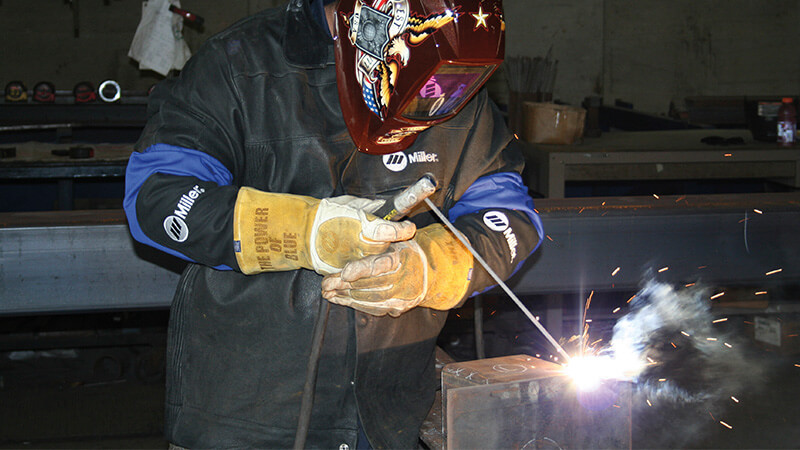
Credit: www.codinter.com
Types Of Electrodes And Their Uses
The electrode (welding rod) is central to stick welding. Different jobs need different rods. Here are the most common types:
- 6010: Deep penetration, good for dirty/rusty metal and pipe welding.
- 6011: Similar to 6010, but works on AC or DC machines.
- 6013: Easy to use, smooth bead, best for clean metal and light repairs.
- 7018: High strength, low hydrogen, ideal for structural steel and code work.
- 7024: Fast fill, high speed, used for thick, flat welds.
Choosing the right electrode affects weld strength, appearance, and ease of use. For beginners, 6013 and 7018 are popular because they strike an easy arc and create good-looking welds.
Benefits Of Stick Welding Over Other Methods
Stick welding stands out for a few big reasons:
- Simplicity: No external shielding gas or advanced equipment needed.
- Low cost: Machines and rods are affordable.
- Ruggedness: Keeps working in rain, wind, and cold.
- Flexibility: Handles many metals and thicknesses.
- Portability: Small units travel easily.
Compared to MIG welding (which needs clean metal and shielding gas) and TIG welding (which is slow and skill-intensive), stick welding is the workhorse for big jobs and tough spots.
Downsides And Limitations
No method is perfect. Stick welding has some drawbacks:
- Spatter and slag: You’ll need to chip away slag after each weld.
- Not ideal for thin metal: It can burn through light sheet.
- More smoke and fumes: Good ventilation is important.
- Learning curve: Beginners may struggle with arc starts and keeping the rod from sticking.
- Less precise: TIG welding gives finer control for delicate projects.
A tip many miss: Electrode storage is crucial. Moisture can ruin certain rods (like 7018), leading to weak welds. Keep them dry in a sealed container or rod oven.
Stick Welding Vs. Other Welding Processes
Here’s a simple comparison of stick welding with MIG and TIG:
| Feature | Stick Welding | MIG Welding | TIG Welding |
|---|---|---|---|
| Best for | Heavy steel, outdoor, dirty metal | Clean metal, high speed | Thin/fine work, artistic welds |
| Shielding | Flux-coated rod | Gas bottle | Gas bottle |
| Portability | High | Medium | Medium |
| Skill Level | Moderate | Easy | Advanced |
| Cost | Low | Medium | High |
| Material Thickness | Medium to thick | Thin to medium | Very thin to medium |
Stick welding is usually the best choice if you need to work outdoors or on rusty steel. For fast, clean welds on thin metal, MIG is easier. For beautiful, detailed welds, TIG is the expert’s pick.
Choosing The Right Stick Welder For Your Needs
It’s easy to buy the wrong welder if you don’t know what matters. Here’s what you should look for:
Power Output
Pick a welder with enough amps for your jobs. Most home units offer 100–200 amps—good for up to 1/4-inch steel. For thicker metal, get a heavier-duty model.
Ac, Dc, Or Both
DC welders are smoother and easier to use. Some machines offer both AC and DC, giving more flexibility for different rods and jobs.
Duty Cycle
This number shows how long the welder can run at a set amperage before it overheats. For long welds or big projects, a higher duty cycle is better.
Portability
If you need to move the welder often, pick a lightweight inverter model. Engine-driven units are best for remote work with no power source.
Electrode Compatibility
Make sure the machine can run the types of electrodes you need. Not all welders handle low-hydrogen rods (7018) well.
Price And Warranty
Stick welders range from $100 for small hobby units to $2,000+ for pro gear. Buy from a trusted brand with solid support and warranty.
A mistake many buyers make: Focusing only on price. Cheap welders often have poor arc control and break down fast. Investing in a quality brand saves money and frustration in the long run.
Stick Welding Safety
Welding creates intense heat, bright light, and fumes. Always follow safety rules:
- Wear a welding helmet with a dark lens to protect your eyes.
- Use gloves and a long-sleeve shirt to shield your skin from sparks and UV rays.
- Work in a well-ventilated area to avoid inhaling fumes.
- Keep a fire extinguisher nearby.
- Check cables and connections for damage before use.
Many new welders forget to protect their skin from UV burns, which can feel like a bad sunburn. Always cover up, even for quick welds.
Stick Welding Tips For Beginners
- Start with easy electrodes like 6013 or 7018.
- Practice your arc starts—tap or scratch the rod on the metal.
- Keep a short arc—about the same distance as the rod’s diameter.
- Watch your travel speed—too fast makes weak welds, too slow creates big lumps.
- Chip away slag after each pass to see your weld.
- Store rods dry to avoid moisture problems.
- Use proper amperage—too low makes the rod stick, too high creates excess spatter.
A non-obvious insight: Changing your hand angle slightly can improve weld bead shape and reduce spatter. Experiment with angles until you find what works best.
Common Mistakes To Avoid
- Using the wrong electrode for the job.
- Welding on wet or oily surfaces.
- Moving the rod too fast or too slow.
- Not cleaning off slag between passes.
- Ignoring safety gear.
- Setting the wrong amperage.
Many beginners think stick welding is all about brute force. In reality, small adjustments in speed, angle, and arc length make a big difference in weld quality.
Stick Welder Maintenance
A well-kept stick welder lasts for years. Here’s how to keep yours running:
- Check cables and connectors for wear and tightness.
- Clean the fan and vents to prevent overheating.
- Store electrodes in a dry container.
- Keep the ground clamp clean for solid contact.
- Inspect and replace worn electrode holders.
A neglected welder can give poor arc starts or even fail in the middle of a job. Regular checks keep your equipment reliable.
Real-world Examples
Bridge Construction: Crews use stick welders to assemble steel girders in place, even when wind or rain would make other welding methods impossible.
Farm Repairs: A farmer fixes a cracked plow blade in the field, saving a costly trip to the machine shop.
Pipeline Maintenance: Welders join or repair pipelines hundreds of miles from the nearest town, relying on engine-driven stick welders.
Art Projects: Metal artists use stick welders to create outdoor sculptures that withstand weather and time.
Stick Welding Skills That Set You Apart
If you want to stand out as a welder, master these advanced skills:
- Welding in all positions: Flat, vertical, overhead, and horizontal.
- Reading welding symbols: Understanding blueprints and codes.
- Controlling heat input: Avoiding warping and cracking.
- Welding different metals: Knowing which electrodes and settings work.
Many employers look for welders who can handle stick welding in tough conditions. These skills open doors in construction, manufacturing, and energy sectors.
How To Improve Your Stick Welding Fast
- Practice regularly on scrap steel.
- Take a welding class at a local trade school.
- Watch expert welders and ask questions.
- Test your welds: Cut them open to see the inside.
- Try harder positions (vertical, overhead) as you improve.
A tip most beginners miss: Don’t rush to weld everything at high amps. Lower heat and slower travel give better control and bead shape.

Credit: www.thefabricator.com
Stick Welding In Industry Trends
Stick welding stays strong in the USA and worldwide. While new technologies like laser and robotic welding grow in factories, stick welding remains the top choice for field work, repairs, and heavy construction. Industry surveys show that over 70% of pipeline welds still use the stick method. Its ruggedness, low cost, and flexibility keep it in demand despite new alternatives.
Frequently Asked Questions
What Metals Can I Weld With A Stick Welder?
A stick welder can join steel, stainless steel, cast iron, and some non-ferrous metals using the right electrode. It’s most effective on ferrous metals but not suitable for aluminum or very thin materials.
Can I Use A Stick Welder For Thin Metal?
Stick welders struggle with very thin metal (under 1/8 inch) because the arc can burn through. For thin sheet metal, MIG or TIG welding is a better choice for clean, controlled welds.
Why Does My Stick Welder Electrode Keep Sticking?
Electrodes stick when the amperage is too low, the workpiece is dirty, or the arc length is too short. Try increasing the amperage, cleaning the metal, and keeping a small gap between the rod and work.
Do I Need Special Power For A Stick Welder?
Most stick welders run on standard 120V or 240V outlets. For heavy-duty welding or industrial jobs, a higher voltage outlet or generator may be needed to deliver enough power.
Is Stick Welding Safe For Beginners?
Stick welding is safe if you follow basic safety steps: wear a helmet, gloves, and long sleeves, and work in a ventilated space. Always keep a fire extinguisher nearby and inspect your gear before use.
Stick welders are the backbone of metal joining in tough environments. Whether you’re building bridges, fixing machinery, or creating art, the stick welder’s strength, versatility, and reliability make it a tool worth mastering. With the right skills and knowledge, you can tackle nearly any welding job with confidence and quality.