Disclosure: This post contains affiliate links and I will be compensated if you make a purchase after clicking through my links. Learn More
TIG welding stainless steel pipe is a skill that demands precision, patience, and the right techniques. Among these, back purging stands out as one of the most important steps for ensuring high-quality welds. Many professionals know that skipping or poorly performing back purging can ruin a weld—making it weak, dirty, or prone to corrosion. Yet, for those new to TIG welding or those who want to improve their results, understanding the best back purging method can be confusing. With many options and opinions, it’s easy to feel lost.
This article brings clarity by breaking down the best back purging method for TIG welding stainless pipe. You’ll learn what makes a method effective, how to set it up, and how to avoid common mistakes. You’ll also see practical comparisons, real examples, and tips that come directly from expert welders. Whether you’re in a fabrication shop, working on site, or welding at home, this guide will help you make better choices and produce cleaner, stronger, and longer-lasting stainless steel welds.
Why Back Purging Matters In Tig Welding Stainless Pipe
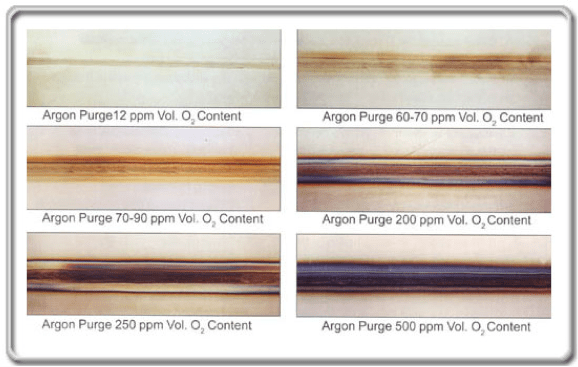
Back purging is not just a technical detail—it is the foundation of clean, corrosion-resistant welds on stainless pipe. Stainless steel contains chromium, which forms a protective oxide layer. If the inside of the pipe gets exposed to oxygen during welding, the chromium burns off and the surface forms sugaring or oxidation. This weakens the joint, encourages rust, and can even cause failures in critical applications like food processing, pharmaceuticals, and gas pipelines.
A proper back purge protects the weld root from exposure to oxygen by flooding the inside of the pipe with an inert gas—usually argon. This creates a shield that prevents oxidation, giving a smooth, shiny, and strong weld root. Skipping this step or using the wrong method means risking contamination, expensive repairs, or even safety hazards down the line.
What Happens Without Back Purging
- Sugaring (oxidation): Black, crusty, or rough surface at the weld root.
- Porosity: Tiny holes inside the weld, reducing strength.
- Poor corrosion resistance: The pipe rusts or pits over time.
- Failed inspections: Welds may not pass quality tests.
For these reasons, most industries that use stainless pipe require strict back purging protocols.
Common Back Purging Methods Explained
There are several ways to back purge a stainless pipe. Each method has pros and cons based on cost, speed, gas use, and quality. The most common methods are:
- Full Pipe Purge (Traditional)
- Purge Dam (Inflatable Bladders, Paper Discs, or Tape)
- Continuous Gas Flow with Tape Sealing
- Purge Plug Systems
- Advanced One-Sided Welding Tapes
Before choosing, it is important to understand how each method works and where it fits best.
1. Full Pipe Purge
This method fills the entire pipe with argon gas from end to end. The welder seals all open ends and fittings, then introduces argon at one end while allowing it to exit from the other. This ensures the inside is completely protected.
Advantages:
- Simple setup for short pipes.
- Excellent for high-purity work.
Disadvantages:
- Uses a lot of argon, especially for long pipes.
- Takes longer to purge and reach low oxygen levels.
- Harder to control in complex pipe networks.
Best Use: Short runs or when purity is critical and gas cost is not a concern.
2. Purge Dam (inflatable Bladders, Paper Discs, Or Tape)
This method creates a temporary dam inside the pipe near the weld joint. The welder inserts a dam (such as inflatable rubber bladders, water-soluble paper discs, or aluminum tape) on each side of the weld area. Argon is then introduced in the space between the dams, purging only a small section.
Advantages:
- Reduces argon use.
- Faster to reach purge quality.
- Works for both straight and curved pipes.
Disadvantages:
- Dams must be well-sealed to avoid leaks.
- Placement can be tricky for small diameter pipes.
- Some dam materials (like paper discs) must be compatible with the application.
Best Use: Medium-length pipes, frequent welds, or when saving gas is important.
3. Continuous Gas Flow With Tape Sealing
For quick jobs or fieldwork, some welders wrap the pipe ends with aluminum tape and cut a small hole for the gas inlet and outlet. Argon flows continuously through the pipe during welding.
Advantages:
- Quick setup.
- Flexible for many pipe sizes.
- Cheap materials.
Disadvantages:
- Not as reliable for long or complex pipes.
- Taping must be airtight.
- Some argon waste.
Best Use: Repairs, short production runs, or when speed is more important than absolute purity.
4. Purge Plug Systems
These are reusable rubber or silicone plugs that seal both ends of the pipe. Some have built-in gas inlets and outlets for easy argon flow. High-quality plugs can be adjusted for different pipe sizes.
Advantages:
- Quick to install and remove.
- Very low argon use.
- Repeatable and reliable seals.
Disadvantages:
- Upfront cost for plugs.
- Not suitable for all pipe sizes and shapes.
- Must be kept clean.
Best Use: Workshops with frequent pipe welding, or jobs with strict quality needs.
5. Advanced One-sided Welding Tapes
Some manufacturers offer special tapes that can be applied inside the pipe to create a gas barrier. These are often used for open-root welds and then removed after welding.
Advantages:
- Fast application.
- Good for difficult access or small diameter pipes.
- Leaves little residue.
Disadvantages:
- Tape must be rated for stainless welding.
- Not as strong a seal as mechanical plugs or bladders.
Best Use: Thin-wall pipes, fieldwork, or when traditional dams are not possible.

Credit: soulpp.com
The Best Back Purging Method: Purge Dam With Water-soluble Paper
Among these methods, the purge dam using water-soluble paper stands out as the best balance of quality, speed, and cost for TIG welding stainless pipe in most situations. This method is trusted in industries like food, pharma, and oil & gas.
How The Purge Dam Method Works
- Cut two discs of water-soluble paper to fit inside the pipe—one on each side of the weld joint, around 6 inches away.
- Insert the discs and position them using a rod or stick.
- Seal the pipe ends with tape to prevent leaks.
- Insert argon gas through a small hole in one dam, and let gas flow out the other end.
- Monitor oxygen levels until they reach below 0.1% (1,000 ppm) before welding.
- Weld the joint. The paper dams keep argon around the weld root.
- Flush the pipe with water after welding. The dams dissolve and leave no residue.
Why This Method Is Best
- Efficient gas use: Only purges a small area, so you save argon.
- Clean removal: Water-soluble paper leaves nothing behind, so it’s safe for sanitary systems.
- Quality welds: Consistent, smooth, and shiny weld roots.
- Flexible: Works with many pipe sizes and shapes.
- Low cost: Paper is cheap and available.
Some expert welders use a combination of paper and aluminum tape for extra sealing on larger pipes or in windy conditions.
Non-obvious Insights For Beginners
- Purge paper thickness matters: Choose the right thickness for the pipe diameter and pressure. Thicker paper holds better in larger pipes, but avoid too thick, which can make removal hard.
- Oxygen sensors are key: Many beginners skip oxygen measurement. But even a small leak can ruin your weld. Use an oxygen analyzer to confirm the purge is below 0.1% before starting.
- Purge time depends on pipe size: A small 2-inch pipe might purge in 5-10 minutes, but a 12-inch pipe can take 30-40 minutes to reach a safe level.
- Don’t rush dam placement: If the dam is too close to the weld, heat will destroy it early, causing leaks. Too far, and you waste gas.
- Water flow after welding: Always flush the pipe with clean water to remove paper residue, especially in food or pharma work.
Step-by-step Guide: Using The Purge Dam Method
Setting up a water-soluble paper dam for back purging is simple but requires care. Follow these steps for reliable results.
Step 1: Prepare Materials
- Water-soluble paper (choose proper diameter)
- Aluminum tape
- Argon gas supply and flowmeter
- Oxygen analyzer (recommended)
- Scissors or knife
- Rod or stick for placing the dam
- Clean water for flushing
Step 2: Clean The Pipe
Use a brush or clean rag to remove any dust, oil, or debris from inside the pipe. Contamination can block the dam or ruin the weld.
Step 3: Cut And Place The Dams
Cut two discs of water-soluble paper. The diameter should match the inside of the pipe snugly. Insert one disc into each side of the weld joint, about 6 inches from the edge. Use a rod to gently push the disc into position.
Make sure the edges are sealed against the pipe wall.
Step 4: Seal The Ends
Seal the pipe ends with aluminum tape, leaving small holes for the argon inlet and outlet. The tape should be tight to avoid leaks.
Step 5: Purge With Argon
Attach the argon supply hose to the inlet hole. Set the flow rate to around 10-15 liters per minute for small pipes (increase for larger pipes). Let the gas flow and push out air through the outlet.
Step 6: Monitor Oxygen Level
Place the oxygen analyzer at the outlet. Wait until the reading drops below 0. 1% oxygen (1,000 ppm). This ensures a clean, oxygen-free environment for welding.
Step 7: Weld
Start TIG welding the joint. Keep a steady gas flow during the whole weld. Do not stop or reduce flow until the weld is finished.
Step 8: Remove And Flush
After welding, remove the tape from the pipe ends. Flush the inside of the pipe with clean water to dissolve the paper dams. Make sure all residue is gone, especially for pipes used in food or pharma.
Practical Tips
- Always double-check dam placement before sealing the ends.
- Use a flashlight to look for gaps or misaligned paper.
- Mark the outside of the pipe to show dam location.
- If working in windy or outdoor conditions, reinforce seals with extra tape.
- Always check for leaks using soap solution on the taped joints.

Credit: www.thefabricator.com
Comparing Back Purging Methods
The following table compares the main features of each method. This helps you decide which is right for your job.
| Method | Argon Use | Setup Time | Material Cost | Weld Quality | Best For |
|---|---|---|---|---|---|
| Full Pipe Purge | High | Medium | Medium | Excellent | Short, high-purity jobs |
| Purge Dam (Paper) | Low | Low | Low | Excellent | Most shop work |
| Continuous Flow Tape | Medium | Low | Low | Good | Field repairs, quick jobs |
| Purge Plug | Low | Low | High (initial) | Excellent | Frequent, repeat jobs |
| One-Sided Tape | Low | Very Low | Medium | Good | Thin-wall, small pipes |
Gas Flow Rates And Oxygen Levels: Data Table
Knowing the right gas flow and oxygen target is important for a successful back purge. The following table gives typical values for common pipe sizes.
| Pipe Diameter (inches) | Argon Flow Rate (L/min) | Target Oxygen Level (%) | Average Purge Time (minutes) |
|---|---|---|---|
| 2 | 8-10 | 0.1 or less | 5-10 |
| 4 | 10-12 | 0.1 or less | 10-15 |
| 6 | 12-15 | 0.1 or less | 15-20 |
| 8 | 15-20 | 0.1 or less | 20-30 |
| 12 | 20-30 | 0.1 or less | 30-40 |
Mistakes To Avoid In Back Purging
Many welders, especially those new to stainless pipe, make simple mistakes that lead to failed welds. Here are the most common, and how to avoid them.
- Poor dam placement: If the dam is too close, it can burn. Too far, and you waste gas.
- Leaks in the system: Even a small leak lets in oxygen. Always test with a soap solution.
- Not waiting for proper oxygen level: Starting before reaching below 0.1% oxygen is a main cause of sugaring.
- Improper gas flow: Too much flow can cause turbulence and suck in air. Too little flow leaves air pockets.
- Dirty pipes or dams: Any oil, dust, or debris can cause the dam to leak or block argon flow.
- Skipping post-weld flushing: Leftover dam material can block the pipe or contaminate the system.
Advanced Tips For Best Results
- Use an oxygen analyzer: Simple handheld units are worth the cost and prevent failed welds.
- Purge only as much as needed: The best method uses the least argon for the highest quality.
- Document your process: For jobs with inspection, keep records of dam type, purge time, and oxygen levels.
- Check dam compatibility: For food or pharma, use only certified water-soluble paper and tape.
- Train your team: Consistency is key. Everyone should follow the same steps for repeatable results.
Credit: www.aquasolwelding.com
When To Use Other Methods
While the water-soluble paper dam method is best for most TIG welding on stainless pipe, sometimes another approach is better:
- Full pipe purge: For ultra-high-purity work, like semiconductor or nuclear, where any residue is unacceptable.
- Purge plugs: For repeated jobs on the same diameter, or where speed is critical.
- Continuous flow/tape: For emergency repairs or when nothing else is available.
- One-sided welding tape: For thin-wall or very small diameter pipes.
Always match the method to the job’s needs and quality standards.
Real-world Example: Food-grade Stainless Pipe
A welding contractor needs to join 4-inch stainless steel pipes for a dairy plant. The job requires smooth, sanitary weld roots, and no contamination.
- The contractor cuts two water-soluble paper discs and inserts them 6 inches from the weld joint.
- Tapes the ends, connects the argon line, and purges until the oxygen analyzer reads 0.08%.
- Welds the joint with TIG, keeping a steady gas flow.
- After welding, removes the tape and flushes the pipe with clean water to dissolve the dams.
- Inspection shows a shiny, smooth weld root and zero residue inside the pipe.
This method passes both visual and X-ray tests and keeps the system safe for food.
How To Choose Argon Gas For Back Purging
Pure argon is the industry standard for back purging. Do not use CO₂, nitrogen, or air—they will not protect the weld. For very large pipes, some shops use an argon/helium mix, but for most jobs, pure argon is safest and gives the best results.
Tip: Always use welding-grade argon, not industrial or generic gas, to avoid contamination.
Tools And Accessories That Improve Back Purging
- Oxygen analyzers: Measure oxygen level at the weld root.
- High-quality tape: Aluminum tape is best for tight seals.
- Water-soluble paper: Comes in rolls or pre-cut discs.
- Purge bladders or plugs: For repeatable setups.
- Argon flowmeter: Set correct flow for pipe size.
These tools save time, reduce gas use, and improve weld quality.
Industry Standards And Quality Control
Most industries follow standards for stainless pipe welding. These include:
- ASME B31.3: Process Piping
- AWS D18.1: Food and Dairy Industry
- EN 1418: European standard for orbital welding
All require proper back purging for stainless, so following best practice is not just about quality—it’s about meeting codes and passing inspections.
Common Questions About Back Purging
Welders often ask similar questions when starting with back purging. Here are the answers from practical experience.
How Do I Know My Purge Is Good Enough?
Use an oxygen analyzer at the outlet. Start welding only when the oxygen level is below 0.1%. If you do not have an analyzer, wait at least 5 times the pipe volume after starting gas flow, but this is less reliable.
Can I Use Nitrogen For Back Purging?
Do not use nitrogen for austenitic stainless steel. It can cause embrittlement or weaken the weld. Use only pure argon for best results.
What If The Dam Moves During Welding?
If the dam shifts or leaks, stop welding. Fix the dam and re-purge the pipe. Welding with a bad purge ruins the joint and may require cutting out the weld.
How Much Argon Will I Use For A Typical Weld?
For a 4-inch pipe and a 10-minute purge, you will use about 100-150 liters of argon. Using purge dams reduces this amount compared to a full pipe purge.
Is Back Purging Always Required For Tig Welding Stainless Pipe?
Back purging is always required for open-root TIG welds on stainless. If you are making a weld with a backing ring or insert that fully protects the root, you might not need a purge, but most codes and jobs require it for quality.
Frequently Asked Questions
What Is Sugaring In Tig Welding?
Sugaring is the rough, black, or gray oxidation that forms on the weld root when stainless steel is exposed to air during welding. It weakens the weld and reduces corrosion resistance.
How Long Should I Purge Before Welding?
Purge until oxygen is below 0. 1%. This can take 5–40 minutes depending on pipe size, gas flow, and dam placement.
Can I Reuse Water-soluble Paper Dams?
No, water-soluble paper is single-use. It dissolves after the weld, so you must cut and place new discs for each weld.
What Is The Best Gas Flow Rate For Back Purging?
For small pipes, use 8–15 liters per minute. For larger pipes, increase up to 30 liters per minute. Too much flow can cause turbulence, too little leaves air pockets.
Where Can I Find More Details About Industry Standards For Purging?
You can read more in the ASME B31.3 code, available at the ASME official site.
Final Thoughts
The best back purging method for TIG welding stainless pipe is the purge dam with water-soluble paper. It offers the right mix of clean welds, low cost, and efficient gas use. Other methods have their place, but for most jobs, this approach delivers the best results. Always use pure argon, monitor oxygen, and pay attention to dam placement. With good technique and the right tools, you can create stainless welds that pass the toughest tests and last for years.
Back purging is more than a technical step—it’s the difference between a weld that fails and one that shines. Use these tips and steps to improve your work and meet high industry standards. Your stainless pipes—and your clients—will thank you.