Disclosure: This post contains affiliate links and I will be compensated if you make a purchase after clicking through my links. Learn More
What skills are needed to be a welder? A top welder needs strong hand-eye coordination, technical welding skills, blueprint reading, safety awareness, physical stamina, attention to detail, and good communication. Mastery of these core skills leads to success and career growth in welding.
Welding is a hands-on, high-demand trade. It shapes the backbone of construction, manufacturing, automotive, shipbuilding, and many other industries. From bridges to pipelines, skilled welders make modern life possible. But what really separates an average welder from a highly sought-after professional?
It’s not just about learning to join two pieces of metal. The best welders combine technical skill, practical knowledge, precision, and a set of “soft” skills that make them valuable on any worksite.
If you’re thinking of starting a welding career or want to improve your craft, understanding the key skills welders need is essential. Employers look for more than basic training—they want reliable, safe, and adaptable workers who can deliver strong results under pressure.
This guide breaks down every critical skill you need, why it matters, and how to develop each one. You’ll also find common mistakes to avoid, real-world examples, and advice on standing out in a competitive job market.
Core Technical Skills Every Welder Must Master
The foundation of welding success is technical ability. Without these, it’s impossible to deliver safe, high-quality work.
1. Hand-eye Coordination
Precise hand-eye coordination is non-negotiable. Welding requires steady hands and the ability to guide a torch or electrode along a seam, sometimes for long periods. Even a small mistake can weaken a joint or ruin a part.
Example: When welding a thin sheet of aluminum, a shaky hand can burn a hole or create uneven beads. Employers often test this skill in practical assessments.
2. Manual Dexterity
Manual dexterity goes beyond steady hands. Welders often work in tight spaces, awkward positions, or on overhead joints. You need flexibility and control to move tools smoothly and produce consistent welds.
Practical tip: Exercises like assembling small models, working with hand tools, or practicing with scrap metal can boost your dexterity.
3. Understanding Welding Processes
There are many welding processes, each with its own techniques:
- MIG (Metal Inert Gas) Welding
- TIG (Tungsten Inert Gas) Welding
- Stick Welding (SMAW)
- Flux-Cored Arc Welding (FCAW)
- Oxy-Acetylene Welding
Mastery of at least two processes increases your employability. Each method has different speed, difficulty, and best-fit materials.
Non-obvious insight: Many beginners overlook the importance of adjusting machine settings (voltage, amperage, wire speed) for each job. Learning to fine-tune these makes a big difference in weld quality.
4. Knowledge Of Metals And Alloys
Not all metals weld the same way. You must identify material types and know how they react to heat and filler metals:
- Carbon steel is forgiving but rusts easily.
- Stainless steel requires tighter temperature control.
- Aluminum melts quickly and needs special cleaning.
Mistake to avoid: Using the wrong filler rod or settings can cause cracks or weak joints, especially with alloys.
5. Blueprint And Technical Drawing Reading
Welders often work from blueprints or schematics. You need to read and interpret symbols, dimensions, and instructions precisely. This ensures every joint is in the right place and meets strength requirements.
Example: A construction welder might use a blueprint to assemble a steel frame. Misreading one symbol could lead to costly errors or safety hazards.
6. Measuring And Layout
Accurate measuring is critical. Welders use tape measures, calipers, squares, and gauges to mark materials. Even a 1/16” mistake can ruin a part or create alignment problems.
Tip: Double-check measurements before cutting or welding. Many shops say, “Measure twice, cut once.”
Safety And Risk Management Skills
Welding can be dangerous. Top professionals never cut corners on safety.
1. Safety Protocol Knowledge
You must understand and follow workplace safety rules. This covers:
- Wearing proper PPE (helmet, gloves, boots)
- Setting up proper ventilation
- Knowing emergency shutdown steps
- Understanding fire prevention
Data: According to OSHA, welding accidents account for over 500,000 injuries annually in the US. Most are preventable with proper safety skills.
2. Hazard Recognition
A good welder constantly scans for risks:
- Flammable materials nearby
- Gas leaks
- Faulty equipment
- Tripping hazards
Non-obvious insight: Many injuries happen during cleanup or setup, not just while welding. Always check your area before and after work.
3. First Aid Awareness
You don’t need to be a paramedic, but basic first aid knowledge is valuable. Knowing how to treat burns, eye injuries, or electric shock can save lives until help arrives.
Tip: Many employers require first aid certification.

Credit: www.thefabricator.com
Physical And Mental Attributes
Welding is demanding work. You need both physical and mental endurance.
1. Physical Stamina
Welders often work long hours, sometimes outdoors in heat or cold. You may need to lift heavy parts, stand, bend, or crouch for extended periods.
Example: Shipyard welders sometimes work 10-hour shifts in cramped spaces, wearing heavy protective gear.
2. Strength And Endurance
Cutting, grinding, and moving metal requires good upper body and core strength. Endurance helps maintain focus and accuracy throughout a shift.
Tip: Simple strength training and stretching routines can reduce fatigue and injury.
3. Good Vision
You must spot details, read gauges, and inspect finished welds. Many companies require vision tests for color blindness and sharpness.
Mistake to avoid: Neglecting eye protection can cause long-term vision damage. Always wear safety glasses and welding helmets.
4. Stress Management
Welding deadlines can be tight, and mistakes are costly. Calm, focused workers avoid errors and handle pressure better.
Non-obvious insight: Mindfulness or breathing exercises before a shift can improve focus and reduce job stress.
Precision And Quality Control
Attention to detail sets great welders apart from average ones.
1. Attention To Detail
Every weld must meet quality standards. Overlooking a crack or porosity can lead to part failure.
Example: In pipeline welding, even a small leak can cause environmental disasters. Inspect every joint carefully.
2. Patience
Quality welding takes time. Rushing leads to defects like slag, undercut, or spatter.
Tip: Slow, steady work—especially during setup and finishing—produces better results.
3. Problem-solving
Not every job goes as planned. Welders often troubleshoot issues like:
- Unusual metal thickness
- Poor fit-up
- Machine malfunctions
Non-obvious insight: Keeping a simple troubleshooting log helps spot recurring problems and solutions.
Communication And Teamwork
Welders rarely work alone. Communication skills are essential for safety and project success.
1. Verbal Communication
You’ll give and receive instructions, ask for clarification, and report problems. Clear, direct speech prevents mistakes.
Example: On a large site, miscommunication about welding order can delay an entire project.
2. Listening Skills
Active listening ensures you follow directions and understand changes. Repeat instructions back if unsure.
3. Teamwork
Welders coordinate with engineers, supervisors, and other trades. Cooperation keeps workflows smooth and builds professional respect.
Non-obvious insight: Good welders often become crew leaders because they communicate well and earn trust.
Adaptability And Learning
Welding technology evolves. Workers who stay current stay employed.
1. Willingness To Learn
Employers value welders who seek new certifications or learn updated methods.
Example: Robotic welding is growing fast in manufacturing. Learning to program or operate these machines increases your value.
2. Flexibility
You may need to switch processes, work shifts, or locations quickly. Adaptable welders thrive in varied environments.
3. Technology Skills
Basic computer skills are now common in welding shops. CNC machines, digital blueprints, and automated inspection tools are everywhere.
Tip: Take short online courses in welding technology to boost your resume.
Certification And Licensing
Credentials open doors in the welding industry.
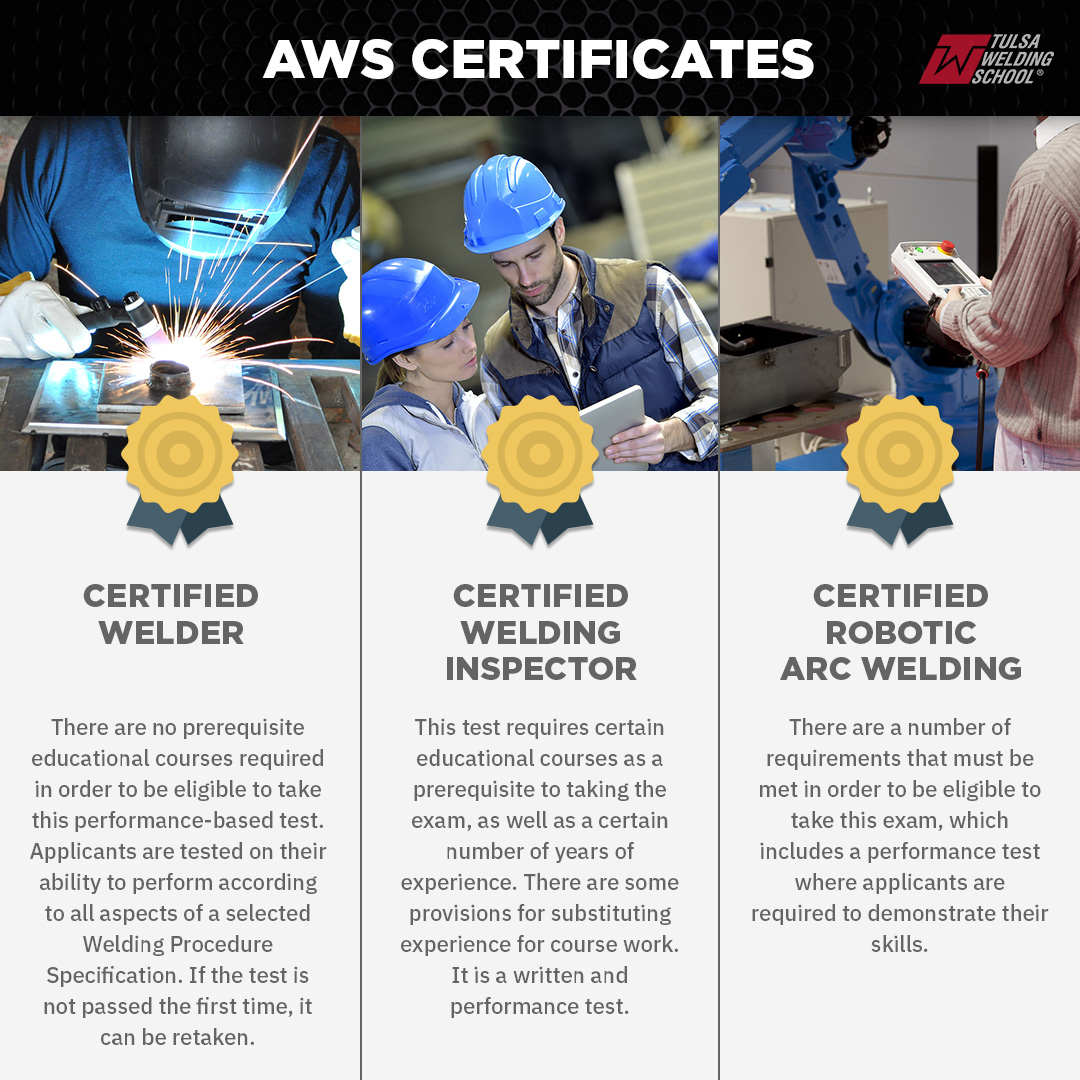
1. Welding Certifications
Certifications from organizations like the American Welding Society (AWS) prove your skills. Each type (e.g., 3G, 6G, TIG) covers different positions and materials.
Data: Certified welders earn up to 20% more than non-certified workers, according to the Bureau of Labor Statistics.
2. Specialty Endorsements
Some jobs require extra endorsements, such as:
- Underwater welding
- Pipe welding
- Aerospace or nuclear welding
Example: Pipeline welders often need API 1104 certification.
3. Continuing Education
Many employers pay for ongoing training. Staying current with new codes and standards keeps your skills relevant.
External link: Learn more about welding certifications at the American Welding Society.
Common Mistakes Beginners Make
Understanding what to avoid saves you time and trouble.
- Skipping safety gear: Never weld without proper PPE.
- Poor preparation: Not cleaning or fitting parts before welding leads to weak joints.
- Ignoring machine settings: Wrong voltage or speed creates bad welds.
- Rushing work: Fast welding causes more defects.
- Lack of inspection: Always check every weld for cracks or flaws.
Day-to-day Tasks And Responsibilities
Welders do much more than join metal. Here’s what you can expect on a typical shift:
- Reviewing blueprints and job instructions
- Gathering and preparing materials
- Setting up welding machines and tools
- Measuring and marking cut lines
- Cutting, grinding, and shaping metal
- Performing different welding processes as needed
- Inspecting, testing, and finishing welds
- Cleaning work areas and maintaining safety standards
- Communicating with supervisors and team members
Welding Career Growth And Opportunities
Welding offers many paths. Here’s how skills impact your career:
Entry-level Welder
- Basic welding and safety skills
- Works under supervision
Experienced Welder
- Proficient with multiple processes
- Handles complex jobs, trains others
Welding Inspector Or Supervisor
- Strong blueprint reading and quality control
- Leads teams, enforces standards
Specialized Welder
- Underwater, aerospace, or pipe welding
- Requires advanced certifications
Welding Engineer Or Trainer
- Advanced education
- Designs processes, teaches others
Comparison: Welding Processes And Their Skill Requirements
Understanding which welding process to learn first depends on your career goals and the industries you want to enter.
| Welding Process | Skill Difficulty | Common Uses | Learning Curve |
|---|---|---|---|
| MIG | Medium | Auto repair, fabrication | Short |
| TIG | High | Aerospace, food industry | Long |
| Stick (SMAW) | Medium | Construction, pipelines | Medium |
| Flux-Cored | Medium | Heavy equipment | Medium |
How Welding Skills Affect Pay And Job Options
Skilled welders have more choices and earn higher wages.
| Certification Level | Average Hourly Pay (USA) | Typical Job Type |
|---|---|---|
| No Certification | $17 – $20 | Entry-level shop work |
| Basic AWS Cert | $22 – $27 | Manufacturing, construction |
| Advanced Cert (6G, Pipe) | $30 – $40 | Pipeline, shipbuilding |
| Specialty (Underwater, Aerospace) | $50+ | Oil rigs, aircraft, nuclear |

Credit: www.redriver.team
Essential Tools And Equipment Skills
Knowing how to use and maintain your tools is vital.
Welding Machines
You must safely operate and troubleshoot various machines:
- MIG/TIG/Stick welders
- Plasma cutters
- Grinders
Measuring Tools
Precision tools include:
- Tape measures
- Calipers
- Angle finders
Maintenance
Keeping equipment clean and calibrated prevents breakdowns and defects.
Practical tip: Learn basic troubleshooting for common problems like wire feed jams or clogged tips.
Real-world Examples: What Top Employers Seek
Manufacturing and construction companies want welders with:
- Proven safety record
- Multiple process certifications
- Flexibility to work shifts or travel
- Good communication and teamwork
- Willingness to train or move up
Example: A large shipyard may require welders to pass a hands-on test and show recent AWS certification before hiring.
How To Build And Improve Welding Skills
Anyone can improve. Here’s how:
- Practice regularly: Use scrap metal for extra practice.
- Take classes: Community colleges offer affordable courses.
- Seek feedback: Ask experienced welders to critique your work.
- Get certified: Start with basic AWS, then add more.
- Stay current: Read trade magazines, attend workshops.
How Employers Test Welding Skills
Many employers ask for practical tests, not just resumes.
Typical tests:
- Weld a sample joint (butt, lap, T-joint)
- Cut and prep metal pieces
- Read and follow a blueprint
- Pass visual and bend tests
Tip: Bring a small portfolio (photos, certs) to job interviews.
Credit: www.tws.edu
Welding Skill Gaps And Future Trends
Automation is changing welding. Robots now handle many repetitive welds, but skilled humans are needed for complex or custom work.
In-demand future skills:
- Robotic welding programming
- Advanced materials (composites, new alloys)
- Digital blueprint reading
Non-obvious insight: The best-paid welders in the next decade will combine hands-on and tech skills.
Soft Skills Welders Need
Welding is not just technical. Employers want:
- Reliability: Show up on time, every day.
- Work ethic: Take pride in doing the job right.
- Initiative: Look for ways to help or improve the process.
- Adaptability: Accept new tasks without complaint.
Example: A welder who helps others learn a new machine often gets noticed for promotion.
Frequently Asked Questions
What Education Do You Need To Become A Welder?
Most welders need a high school diploma or GED and complete a technical program or apprenticeship. Many employers prefer candidates with formal welding training and industry certifications like those from the American Welding Society (AWS).
How Long Does It Take To Learn Welding Skills?
You can learn basic welding in a few months through a trade school or community college course. Reaching advanced skill levels or earning certifications can take one to two years of hands-on experience and study.
Is Welding A Physically Demanding Job?
Yes, welding requires good physical condition. You often stand, bend, lift heavy materials, and work in hot or cramped spaces. Good stamina, strength, and flexibility help you handle the physical demands and avoid injuries.
Do Welders Need To Know Math?
Basic math is important for welders. You use math for reading blueprints, measuring materials, calculating angles, and understanding machine settings. You don’t need advanced math, but accurate measuring and simple calculations are essential.
What Welding Skills Are Most In Demand?
MIG, TIG, and pipe welding skills are highly sought after. Employers also want welders with strong safety awareness, blueprint reading, and the ability to work with advanced materials or robotic welding equipment.
Welding is a solid career for those who master both technical and soft skills. If you focus on safety, quality, and lifelong learning, you’ll always find opportunities in the field. With the right skills, you can build a rewarding, well-paid career shaping the world around you.