Disclosure: This post contains affiliate links and I will be compensated if you make a purchase after clicking through my links. Learn More
Oxy acetylene welding is a classic method for joining metals. It has been used for over a century and remains popular for repair work, metal art, and small-scale fabrication. One key reason for its continued use is its flexibility. Welders can adjust the flame and gas settings to match the job.
But improper pressure settings can lead to weak welds, equipment damage, or even accidents. Many beginners struggle to set the right oxygen and acetylene pressures. Some copy values from online guides without understanding why they matter. Others rely only on the “look” of the flame and miss hidden problems.
This article explains oxy acetylene welding pressure settings in detail. You will learn what these settings mean, why they matter, and how to adjust them safely. We cover factors that affect settings, common mistakes, and practical tips based on real workshop experience.
By the end, you will have a full guide you can trust, whether you are just starting or have welded for years.
What Are Oxy Acetylene Welding Pressure Settings?
Oxy acetylene welding uses two gases: oxygen and acetylene. Each comes from a pressurized cylinder. Pressure settings tell you how much gas moves from the cylinder, through the hoses, and out the torch. Regulators on each cylinder reduce the high pressure inside to a safe, usable level.
The settings affect the flame’s temperature, shape, and behavior. Low pressure may produce a lazy flame that cannot melt metal. High pressure may cause dangerous popping, backfire, or a waste of gas. Accurate pressure control is essential for safe, strong welds.
Basic Pressure Ranges For Oxy Acetylene Welding
Most welding jobs use standard pressure ranges. These are not strict rules but starting points. The best setting can change with the job, torch size, or tip type. Below is a quick reference for typical values.
| Welding Task | Oxygen Pressure (psi) | Acetylene Pressure (psi) |
|---|---|---|
| Light welding (up to 1/16” steel) | 5–7 | 5–7 |
| Medium welding (1/16”–1/8” steel) | 7–15 | 7–10 |
| Heavy welding (1/8”–1/4” steel) | 15–25 | 10–15 |
| General cutting (using cutting torch) | 20–40 | 5–10 |
These values are measured in psi (pounds per square inch). Always start at the lower end, then adjust upward if needed.
Why Correct Pressure Settings Matter
Some beginners think any flame will work. This is a mistake. The right pressure settings do more than make a flame—they control the weld quality and safety.
- Weld Quality: Too little pressure, and the flame may not melt the metal fully. This causes weak joints. Too much, and the weld can burn or oxidize, making it brittle.
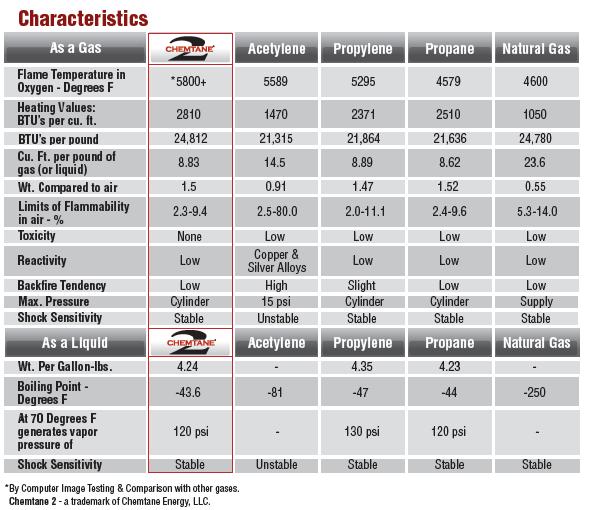
- Gas Safety: Setting acetylene over 15 psi is dangerous. Acetylene becomes unstable and can explode under high pressure.
- Equipment Life: Wrong settings can damage tips, hoses, and regulators. High pressure can also cause flashbacks, which harm the torch and may cause injury.
- Gas Use: Correct settings save gas. High pressure wastes both oxygen and acetylene.
How To Set Oxy Acetylene Welding Pressures Step By Step
Welders must follow a clear process to set the right pressures. Skipping steps can lead to leaks or poor welds. Here’s a safe, effective method:
- Check Equipment: Inspect hoses, regulators, and torch for damage. Leaks are dangerous.
- Open Cylinder Valves Slowly: Turn the oxygen valve fully open. Open the acetylene valve just a half-turn. This is enough for welding and allows quick shut-off.
- Set Regulators: With the torch valves closed, turn the regulator adjusting screws until each gauge reads zero. Then, open the torch valves (one at a time), and adjust the regulators to reach your target psi.
- Purge Lines: Let a small amount of gas flow through each line to clear air and moisture.
- Close Torch Valves: After purging, close the torch valves again.
- Fine-Tune While Lighting: Light the acetylene first, then slowly add oxygen. Adjust both valves until you have a neutral flame (see below).
Non-obvious insight: Always use the same sequence—acetylene first, oxygen second—when lighting or shutting down. Reversing the order can cause backfires.
Understanding The Neutral Flame
A neutral flame is the goal for most oxy acetylene welding. It means the flame has the right balance of oxygen and acetylene. This produces a clear, inner cone and a short, blue outer flame.
- Too much acetylene: The flame is “carburizing.” It has a long, feathery tip and adds carbon to the weld.
- Too much oxygen: The flame is “oxidizing.” It hisses and causes the weld to burn or pit.
Look for a sharp, well-defined inner cone. Listen for a steady sound—not a hiss or pop. This is a sign your pressure settings are correct.
Factors That Affect Pressure Settings
Pressure settings are not “one size fits all.” Many factors can change what is best for your job:
1. Torch Tip Size
Each tip is designed for a certain flow of gas. Larger tips need more pressure to supply enough gas. Small tips require less. Using the wrong pressure for a given tip causes unstable flames or poor welds.
Practical tip: Always check the manufacturer’s chart for your torch and tip. They often give recommended pressure ranges.
2. Type And Thickness Of Metal
Thicker metals need more heat. This means higher pressures and larger tips. Thin sheet metal can burn through if the pressure is too high.
Example: Welding 1/8” steel plate often uses 10–15 psi oxygen and 7–10 psi acetylene. For 1/16” sheet, 5 psi for both gases is usually enough.
3. Type Of Joint
Butt joints, fillet welds, and lap joints have different requirements. A tight butt joint may need less heat than an open fillet, so adjust pressure and tip accordingly.
4. Ambient Temperature And Altitude
Cold weather can reduce gas pressure in the cylinder. High altitudes lower atmospheric pressure, changing the flame’s behavior. You might need to adjust pressures upward to compensate.
5. Gas Purity And Cylinder Size
Dirty or low-quality gas can affect flame stability. Small cylinders lose pressure as they empty, so check gauge readings often.
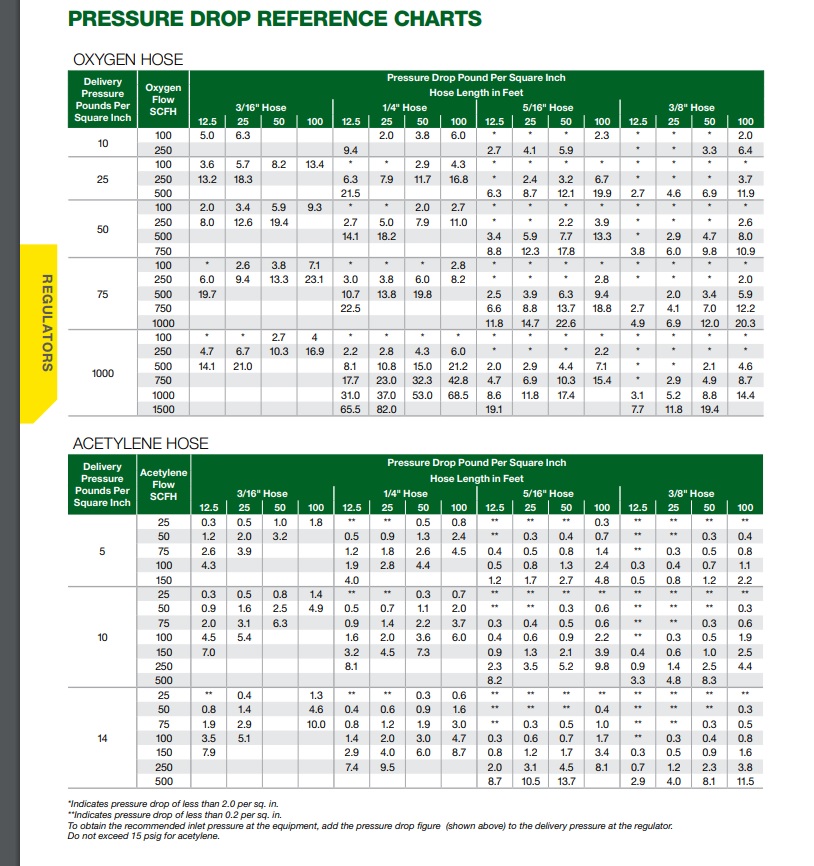
6. Hose Length And Condition
Longer hoses cause a small pressure drop. Old or cracked hoses may leak gas, making it hard to maintain stable settings.
Non-obvious insight: Don’t ignore small leaks. Even a slow leak wastes gas and creates a fire risk.
Adjusting Pressure For Different Welding Tasks
Oxy acetylene welding is used for more than joining metal. Each task has its own ideal pressure range.
Welding Thin Sheet Metal
Thin metal (less than 1/16”) is easy to burn through. Use a small tip and low pressures—usually 3–5 psi for both gases. Keep the flame short and avoid overheating the workpiece.
Welding Medium Plate
For 1/16” to 1/8” steel, use a medium tip. Set oxygen at 7–15 psi and acetylene at 7–10 psi. Move the torch steadily to avoid warping.
Welding Heavy Plate
Thicker steel (up to 1/4”) needs a larger tip and higher pressure—often 15–25 psi oxygen and 10–15 psi acetylene. Preheat the joint and use a weaving motion for a strong weld.
Cutting Steel
Switch to a cutting torch. These use higher oxygen (20–40 psi) but keep acetylene low (5–10 psi). The extra oxygen blows molten metal away during the cut.
Brazing And Soldering
These tasks need a gentler flame. Use low pressures (3–5 psi) and a small tip. Too much heat can damage the parts.
| Task | Oxygen Pressure (psi) | Acetylene Pressure (psi) | Tip Size (approx.) |
|---|---|---|---|
| Sheet metal welding | 3–5 | 3–5 | #000 to #0 |
| Plate welding (1/8”) | 10–15 | 7–10 | #1 to #2 |
| Cutting (1/4” steel) | 25–30 | 5–7 | Cutting tip #1 |
Common Mistakes With Pressure Settings
Even experienced welders make mistakes. Here are some to watch out for:
- Setting acetylene pressure above 15 psi: This is unsafe. Acetylene can break down and explode under high pressure.
- Not purging the lines: Air or moisture in the hoses can cause poor starts or spitting flames.
- Relying only on flame appearance: The flame may look normal, but the pressure can be wrong. Always check the gauges.
- Ignoring tip recommendations: Each tip has a preferred range. Using the wrong setting can lead to unstable flames or backfire.
- Leaving regulator screws tight after use: Always back out regulator screws to zero when finished. This protects the diaphragm and spring.
Practical tip: If the flame pops, flickers, or goes out easily, check both pressure settings and for leaks.
Pressure Settings For Different Torch Types
There are two main styles of oxy acetylene torches: welding torches and cutting torches. Each has its own needs.
Welding Torch
These use equal pressures for oxygen and acetylene in most cases. The flame is adjusted for a neutral balance. Tip size, not pressure, does most of the work.
Cutting Torch
These require higher oxygen pressure. The cutting lever sends a strong jet of oxygen to blow away molten steel. Acetylene is kept low to avoid a violent flame.
Example: For cutting 1/2” steel, use 30–40 psi oxygen and 5–7 psi acetylene. For welding, both gases can be set at 7–15 psi, depending on tip and metal thickness.
How To Read And Adjust Regulators
Regulators have two gauges: one for cylinder pressure, one for working pressure. Here’s how to use them:
- Cylinder pressure gauge: Shows how much gas is left. For oxygen, this can be up to 2200 psi when full. For acetylene, usually 250 psi when full.
- Working pressure gauge: Shows the pressure going to the torch. This is where you set your values for welding.
When setting, always start low and increase slowly. Never set acetylene above 15 psi. If you need more heat, use a larger tip instead of higher pressure.
Safety Tips For Setting And Using Pressures
Oxy acetylene welding can be safe if you respect the equipment and rules.
- Always check for leaks: Use soapy water on all connections. Bubbles show leaks.
- Open valves slowly: A sudden rush of gas can damage regulators.
- Keep oil and grease away: Oxygen reacts violently with oil. Never use greasy tools.
- Purge hoses before lighting: This removes air and moisture.
- Shut down in correct order: Turn off acetylene first, then oxygen, then close cylinder valves.
Non-obvious safety tip: Do not use Teflon tape or thread sealant on gas fittings. These threads are designed to seal metal-to-metal and tape can cause leaks.
Choosing The Right Tip And Pressure For Your Job
The torch tip controls how much gas flows and how big the flame is. Tips are numbered by size. Manufacturers publish charts showing the right pressure for each tip. Always match your pressure to the tip, not just the metal thickness.
Example: An oxy acetylene tip #0 might use 5 psi for both gases and weld up to 1/16” steel. Tip #2 could require 15 psi and weld up to 1/4” steel.
Troubleshooting Flame Problems
If you set the pressures but the flame acts up, use this guide:
| Problem | Possible Cause | Solution |
|---|---|---|
| Flame pops or backfires | Too high pressure, dirty tip, leaks | Lower pressure, clean tip, check for leaks |
| Flame blows out easily | Low pressure, wrong tip, drafty area | Increase pressure, use larger tip, shield from wind |
| Flame is yellow or sooty | Too much acetylene, dirty tip | Increase oxygen, clean tip |
| Hissing sound, harsh flame | Too much oxygen pressure | Lower oxygen pressure |
Tips For Consistent And Safe Welds
- Keep records: Write down the best settings for each job. This saves time later.
- Stay alert: Check gauges often during long welds. Pressures can drift as cylinders empty.
- Use flashback arrestors: These safety devices prevent flames from traveling back up the hose.
- Replace worn parts: Old hoses or tips can leak or clog, changing the flame.
- Practice: Flame adjustment is a skill. Spend time learning how the torch sounds and looks at the correct settings.
Credit: regulatortorchrepair.com
Pressure Settings For Special Materials
Oxy acetylene welding is mainly for steel, but some use it on other metals. These need special care.
Aluminum
Aluminum melts at a lower temperature. Use a neutral flame and lower pressures (about 5 psi each). Preheat the joint and move quickly to avoid warping.
Brass And Copper
These metals conduct heat quickly. Use medium pressures (7–10 psi each) and a slightly carburizing flame to prevent oxidation.
Stainless Steel
Stainless can be welded, but it is tricky. Use a neutral flame and keep the area shielded from air. Use standard pressures, but keep the flame small and tight.
Understanding The Role Of Back Pressure
Back pressure is the resistance in the hose and torch. Long hoses, dirty filters, or small tips can all increase back pressure. This means the working pressure at the torch may be lower than what the gauge shows.
Practical tip: If the flame seems weak even at the right settings, check the hoses and tip for blockages.

Credit: www.reddit.com
Pressure Settings For Oxy Acetylene Cutting
Cutting uses different settings than welding. The oxygen does most of the work by burning the steel and blowing it away.
- Set cutting oxygen at 20–40 psi, depending on plate thickness.
- Keep acetylene low (5–10 psi) to avoid a large, uncontrolled preheat flame.
- Use the cutting lever to send a strong oxygen blast.
Example: For 1/2” steel, set oxygen at 35 psi and acetylene at 7 psi.
How To Shut Down Safely
When finished, always follow this shutdown order:
- Close the acetylene valve on the torch.
- Close the oxygen valve on the torch.
- Close both cylinder valves.
- Open torch valves to bleed lines, then close again.
- Back out regulator adjusting screws to zero.
This prevents pressure from building up in the system.
Real-world Example: Small Workshop Vs. Large Factory
Pressure needs can change based on your setup.
- Small workshop: Short hoses, small cylinders, and small tips often mean lower pressures (5–10 psi).
- Large factory: Longer hoses, bigger jobs, and higher output may require higher settings, but always check the torch tip chart.
How To Choose A Regulator
A good regulator is key for safe welding. Look for:
- Accurate, easy-to-read gauges
- Solid brass body for safety
- Ability to adjust in small increments
- Built-in safety relief valve
Non-obvious insight: Cheap or old regulators may not hold steady pressure, causing the flame to flicker. Invest in quality equipment.
How Often To Check And Adjust Pressures
Check your gauges every time you start and after long breaks. Gas pressure drops as cylinders empty or temperatures change. If you notice changes in flame shape or sound, recheck the gauges.
When To Increase Or Decrease Pressure
- Increase: If the flame is weak, unstable, or the metal does not melt.
- Decrease: If the flame pops, hisses, or the weld burns.
Credit: www.gowelders.com
Key Numbers To Remember
- Never set acetylene over 15 psi.
- For most welding, start at 5–7 psi for both gases.
- For cutting, raise oxygen to 20–40 psi.
Summary Of Best Practices
- Start with manufacturer’s settings for your tip.
- Adjust upward in small steps if needed.
- Use the same sequence every time for lighting and shutdown.
- Keep your equipment clean and leak-free.
- Write down what works for your torch and job.
For more technical details, you can visit the Wikipedia page on oxy-fuel welding.
Frequently Asked Questions
What Happens If I Set Acetylene Pressure Too High?
Setting acetylene above 15 psi is dangerous. Acetylene can become unstable and may explode. Always keep acetylene below this level and use the correct tip for more heat.
How Do I Know If My Flame Is Neutral?
A neutral flame has a sharp inner blue cone and no yellow or feathery tip. The sound is steady, not hissing or popping. Adjust the oxygen and acetylene until you see this shape.
Can I Use The Same Pressure For Welding And Cutting?
No. Cutting needs higher oxygen pressure and lower acetylene. Welding usually uses equal or similar pressures for both gases. Always check the chart for your torch tip.
Why Does My Flame Go Out When I Open The Oxygen Valve?
This often means your oxygen pressure is too high or your acetylene pressure is too low. Check both gauges and adjust to the recommended range. Also, check for leaks or a clogged tip.
Is Oxy Acetylene Welding Safe For Home Workshops?
Yes, if you follow safety rules. Always check for leaks, use the correct pressure settings, and store cylinders upright. Do not weld near flammable materials, and wear proper eye protection.
Using the right oxy acetylene welding pressure settings is a core skill for anyone working with metal. With practice and attention to detail, you can make strong, clean welds and work safely every time.