Disclosure: This post contains affiliate links and I will be compensated if you make a purchase after clicking through my links. Learn More
Galvanized steel is everywhere—fences, pipes, roofing, and many tools. The zinc coating protects steel from rust and corrosion, but sometimes you need to remove it. You might want to weld, paint, or use the steel for another project where zinc gets in the way.
Removing zinc safely and completely is not as simple as it sounds. If you do it wrong, you can damage the steel or create dangerous fumes. This article gives a full guide on how to remove zinc coating from galvanized steel, using different methods, safety practices, and tips from real-world experience.
Why Remove Zinc Coating?
Zinc coating acts as a shield. It sacrifices itself to save the steel from rust. But sometimes you need bare steel. Here are common reasons:
- Welding: Zinc fumes are toxic when heated. Removing zinc is important before welding to protect your health.
- Painting or Plating: Paint and some coatings do not stick well to zinc. Bare steel gives better results.
- Electrical Contact: Zinc can block electrical connections. Some electrical projects need pure steel surfaces.
- Aesthetics: You may want a raw steel look instead of the shiny, gray zinc finish.
People often miss that zinc can react with chemicals used in other projects. For example, in some chemical etching or patina processes, zinc will react and ruin the finish. Removing all zinc is important for consistent results.
How Galvanized Steel Gets Its Zinc Coating
Galvanization usually means dipping steel in molten zinc. The zinc bonds to the steel, forming a thin but tough layer. This process leaves a silvery or dull gray finish. Sometimes, manufacturers use electro-galvanization, which gives a thinner and smoother coating.
Zinc thickness depends on the method and product. Hot-dip galvanizing can leave a coating from 50 to 150 microns thick. Electroplated zinc is much thinner, often around 5 to 25 microns. Thicker coatings are harder to remove, so the removal method matters.
Safety First: Risks And Personal Protection
Removing zinc is not risk-free. Each method has its hazards. Here’s what you need to know:
- Zinc fumes: If you heat or burn zinc, it releases fumes that can cause “metal fume fever”—a flu-like illness with headache, nausea, and chills. Never breathe these fumes.
- Acid burns: Chemical removal uses strong acids. These can burn skin, eyes, and lungs.
- Flying particles: Mechanical methods can send sharp bits of metal flying.
Personal protective equipment (PPE):
- Chemical-resistant gloves
- Safety goggles or face shield
- Respirator mask (for fumes or dust)
- Long sleeves and pants
- Good ventilation or work outdoors
Never work alone with dangerous chemicals. Have water nearby for rinsing skin or eyes. Keep a first aid kit ready.
Methods To Remove Zinc Coating
You can remove zinc from galvanized steel in several ways. The best method depends on your tools, safety needs, and the size of your project. This section covers the main methods with details, pros, and cons.
1. Chemical Removal With Acid
Acids dissolve zinc quickly and cleanly. This is the most common way for small parts or thin coatings.
Common Acids Used
- Hydrochloric acid (muriatic acid): Fast and effective, but dangerous to handle.
- Sulfuric acid: Works well but is less common for home use.
- Vinegar or acetic acid: Much slower, but safer for small jobs.
Step-by-step Acid Removal
- Prepare the area: Work outdoors or in a well-ventilated space. Lay down plastic or trays to catch spills.
- Wear PPE: Gloves, goggles, mask, and long sleeves.
- Mix acid (if needed): For hydrochloric acid, dilute to about 10-15% with water. Always add acid to water, not the other way around.
- Submerge the steel: Place the galvanized part in the acid bath. You will see bubbling as the acid reacts with the zinc.
- Wait and watch: Zinc dissolves in minutes with strong acids, or hours with vinegar. Check progress often.
- Remove and rinse: When bubbling stops, the zinc is gone. Remove the part and rinse with lots of water to neutralize acid.
- Dry and inspect: Make sure all zinc is gone. Repeat if needed.
Reaction Equation
Zinc + Hydrochloric Acid → Zinc Chloride + Hydrogen Gas
Zn + 2HCl → ZnCl₂ + H₂↑
Key insight: Hydrogen gas is flammable. Do not use open flames or sparks near acid baths.
Pros And Cons
| Pros | Cons |
|---|---|
| Removes zinc completely | Acids are hazardous to handle |
| Works on complex shapes | Fumes can harm lungs and eyes |
| Simple setup | Can damage steel if left too long |
2. Mechanical Removal (grinding, Sanding, Or Blasting)
Mechanical methods scrape or grind the zinc away. This is best for large, flat surfaces or when you cannot use chemicals.
Common Tools
- Angle grinder with flap disc or wire wheel
- Sandpaper for small areas
- Sandblaster for heavy-duty work
How-to Steps
- Wear PPE: Dust mask, goggles, gloves.
- Secure the steel: Clamp it so it does not move.
- Start grinding or sanding: Use steady, even pressure.
- Check progress: The zinc layer is softer and has a different color than steel.
- Clean up: Wipe away dust. Inspect for shiny, bare steel.
Pros And Cons
| Pros | Cons |
|---|---|
| No chemicals needed | Creates dust and noise |
| Works on thick coatings | Can overheat or gouge steel |
| Good for large pieces | Not good for complex shapes |
Important tip: Zinc dust is still hazardous. Always use a mask and vacuum up the dust.
3. Thermal Removal (heating And Wire Brushing)
Heating zinc makes it brittle and easier to brush off. This method uses a torch and wire brush.
How-to Steps
- Work outdoors: Never use this method indoors.
- Wear PPE: Respirator, goggles, gloves.
- Heat the surface: Use a propane torch to heat the zinc until it turns dull gray.
- Brush quickly: Use a stiff wire brush to scrub off the coating while hot.
- Repeat if needed: Some zinc may stay in corners or rough spots.
Pros And Cons
| Pros | Cons |
|---|---|
| Fast for small areas | Releases toxic zinc fumes |
| No chemicals needed | Can warp thin steel |
| Good for edges or weld prep | Not safe indoors |
Key insight: Zinc melts at 419°C (786°F). Steel can handle much higher heat, but thin pieces may warp. Never heat to red-hot.
4. Electrolytic Removal
This advanced method uses electricity to strip zinc. It works well for valuable parts or when you want full control.
How Electrolytic Removal Works
You set up a simple circuit with the steel part as the anode (positive) in a bath of mild electrolyte, like sodium carbonate (washing soda) solution. A steel plate acts as the cathode (negative). When you apply DC power, zinc leaves the steel and moves into the solution.
Steps
- Prepare electrolyte: Mix about 1 tablespoon washing soda per liter of water.
- Connect power: Use a DC power supply (12V battery charger is common).
- Attach wires: Positive to the galvanized steel, negative to the scrap steel cathode.
- Submerge both: Do not let them touch.
- Turn on power: Bubbles will form as zinc leaves the steel.
- Check progress: After 1-2 hours, remove and check. Repeat if needed.
Pros And Cons
| Pros | Cons |
|---|---|
| Precise control | Requires special setup |
| Gentle on steel | Slower than acid |
| Less hazardous | Needs a DC power source |
Non-obvious tip: Electrolytic removal is popular with antique restorers. It removes zinc without pitting or thinning the steel.
5. Professional Zinc Stripping Services
For large, valuable, or complex parts, you may want to use a professional metal finisher. They use industrial baths and strict safety controls. This is common in automotive or art restoration.
Example: Some plating shops use controlled acid baths with temperature and agitation for even removal. This gives a perfect finish but costs more.
Key insight: Professional services can handle large batches and odd shapes, but always ask for proof of safe waste disposal.
Comparing Zinc Removal Methods
Every method has strengths and weaknesses. Here’s a summary table to help you choose:
| Method | Best For | Speed | Cost | Hazard Level |
|---|---|---|---|---|
| Chemical (Acid) | Small parts, complex shapes | Fast | Low | High |
| Mechanical | Flat, large surfaces | Medium | Low | Medium |
| Thermal | Weld prep, small areas | Fast | Low | High |
| Electrolytic | Antiques, gentle removal | Slow | Medium | Low |
| Professional | Large batches, high value | Varies | High | Low |
Step-by-step Example: Removing Zinc With Hydrochloric Acid
Many DIYers use hydrochloric acid because it is easy to get and works fast. Here is a detailed example for small steel parts.
What You Need
- Hydrochloric acid (sold as muriatic acid at hardware stores)
- Large plastic container
- Baking soda (for neutralizing acid)
- Water for rinsing
- Tongs or plastic tweezers
- PPE: Gloves, goggles, mask
Steps
- Set up outside: Place the container on a flat surface, away from pets and children.
- Pour water, then acid: Add water first, then slowly pour in acid to dilute.
- Lower in the steel: Use tongs to place the steel part in the acid.
- Watch for bubbles: Zinc will bubble as it dissolves. Do not breathe fumes.
- Check every few minutes: Remove the part once the bubbling stops and the steel looks dull gray.
- Rinse in water: Move the part to a bucket of water. Swirl for a minute.
- Neutralize acid: Sprinkle baking soda in the rinse water to neutralize any acid left on the steel.
- Dry and inspect: Make sure the surface is even and free of zinc.
Expert tip: If the steel part stays in acid too long, it may start to pit. Check often and remove as soon as the zinc is gone.
What Beginners Often Miss
- Zinc removal is not always needed: For some welding jobs, you can grind away zinc only at the weld joint, not the whole piece.
- Steel can rust quickly after zinc is gone: Bare steel will start to rust in hours if left wet or in humid air. Dry and protect it right away.
- Acid fumes travel: Even outdoors, acid fumes can corrode nearby metal tools. Keep all valuables away from your work area.
Waste Disposal: Doing It Safely
Do not pour acid or zinc waste down the drain. Zinc-contaminated acid can damage plumbing and harm the environment.
- Neutralize leftover acid with baking soda until it stops fizzing.
- Collect all rinse water and waste in a plastic container.
- Contact your local hazardous waste facility for safe disposal instructions.
Non-obvious tip: Some cities have special collection days for chemicals. Never mix acid waste with household trash.
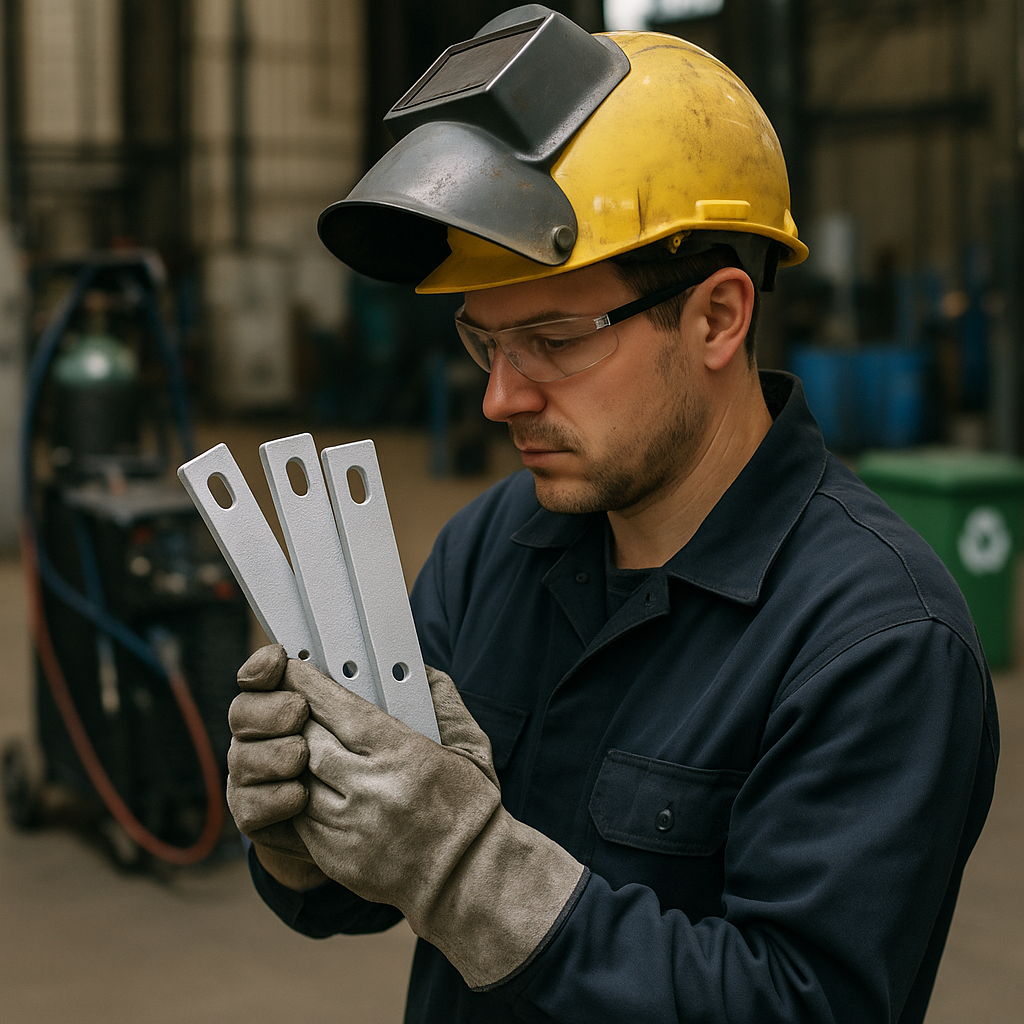
Credit: www.okonrecycling.com
How To Tell If All Zinc Is Gone
- Color: Bare steel is darker and less shiny than zinc.
- Water test: Drop water on the surface. Zinc beads up, while bare steel wets evenly.
- Magnet test: Not always reliable, but thick zinc can make steel less magnetic.
- Scratch test: Use a sharp tool to scratch the surface. If you see a different color or texture, some zinc may remain.
If in doubt, repeat your chosen method on the spot.
Protecting Steel After Zinc Removal
Bare steel rusts fast. Here’s how to protect it:
- Dry immediately: Use a clean rag or heat gun.
- Apply oil: A thin layer of machine oil, WD-40, or similar will slow rust.
- Paint or plate: Finish your project quickly to seal the surface.
Real-world example: Some artists use a rust-inhibiting primer within 30 minutes of zinc removal, especially in humid climates.

Credit: www.youtube.com
When Not To Remove Zinc Coating
Sometimes, it is better to leave the zinc on. Examples:
- Outdoor fencing or hardware that will face rain or moisture
- Fasteners, like bolts and nuts, that need long-lasting rust protection
If you must remove zinc, always replace it with another form of protection—paint, powder coating, or a new plating.
Common Mistakes And How To Avoid Them
- Skipping PPE: Always wear gloves, goggles, and a mask.
- Mixing acid and water incorrectly: Always add acid to water, never water to acid.
- Leaving steel in acid too long: Check every few minutes to prevent pitting.
- Welding with zinc present: Zinc fumes are dangerous—never weld galvanized steel without removing the coating first.
- Poor waste disposal: Never pour acid or zinc waste down the drain.
Real-world Example: Preparing Galvanized Pipe For Welding
Suppose you want to weld two pieces of galvanized pipe for a home project.
Best practice: Use a grinder to remove zinc from the weld area only, about 1 inch around the joint. Then wipe with vinegar or acetone to clean away dust. Weld in a well-ventilated area and wear a respirator.
Why not use acid? Pipes are hard to rinse inside. Grinding is faster and leaves no chemical inside the pipe.
Environmental Impact Of Zinc Removal
Zinc is useful, but too much zinc in water or soil can harm plants and fish. Always collect and dispose of zinc waste responsibly. Many countries limit zinc discharge from workshops and factories. You can read more about environmental standards at the US EPA Metal Finishing Effluent Guidelines.

Credit: southatlanticllc.com
Frequently Asked Questions
What Is The Safest Method To Remove Zinc From Galvanized Steel?
The safest method is electrolytic removal because it uses mild chemicals and does not make toxic fumes. Mechanical removal is also safe if you wear a mask and goggles. Never heat zinc indoors or use strong acids without proper protection.
Can I Use Vinegar To Remove Zinc Coating?
Yes, vinegar contains acetic acid and can remove zinc, but it is slow. It works best for small parts. Soak overnight and check progress. You may need to scrub with a brush. For thick coatings, a stronger acid is better.
Is It Safe To Weld Galvanized Steel Without Removing The Zinc?
No, welding galvanized steel without removing zinc is dangerous. Zinc fumes can cause metal fume fever and lung damage. Always remove zinc from the weld area and work in a ventilated space.
How Do I Know If All The Zinc Is Gone?
Check the color—bare steel is darker and less shiny. Use the water drop test: water should spread out instead of beading. If any shiny spots remain, repeat the removal process.
What Should I Do With Leftover Acid Or Zinc Waste?
Do not pour it down the drain. Neutralize acid with baking soda, collect the waste in a container, and contact your local hazardous waste facility for disposal instructions. Never mix with household trash.
—
Working with galvanized steel is common in many projects. Sometimes, removing the zinc coating is necessary for safety or to get the result you want. You have several ways to do this—chemical, mechanical, thermal, electrolytic, or by sending the part to a professional.
Each method has its pros, cons, and safety steps. Always protect yourself, your workspace, and the environment. With the right method and careful work, you can remove zinc coating from galvanized steel and prepare your material for welding, painting, or any other job.