Disclosure: This post contains affiliate links and I will be compensated if you make a purchase after clicking through my links. Learn More
Making extra money through welding can change your finances without leaving your regular job. Many skilled workers already weld for a living, but few realize how much side income welding can create. You can use your tools, knowledge, and creativity to earn cash on weekends, evenings, or during slow months. This guide explains how to start, what you need, and how to find customers. It also covers legal, safety, and marketing steps so you avoid costly mistakes. If you want a practical way to boost your income, welding on the side is a smart and reachable path.
Why Welding Makes A Great Side Hustle
Welding gives you skills that people need. Many things break or need custom work—trailers, fences, furniture, art, tools, and machinery. Most people cannot fix or build these items themselves. This high demand means steady work for skilled welders.
Welding has a low barrier to entry if you already own basic equipment. You do not need a big shop or rare tools. A small garage or outdoor space is often enough. If you work full time as a welder, you likely have the gear and the know-how.
Even if you are a hobbyist, you can earn money as you learn.
Side welding is flexible. You can choose jobs that fit your skills and time. Some projects take an hour, others a weekend. You can say no to jobs you dislike or that do not pay enough.
Welders can charge good rates. A simple repair job can bring $50–$200 for an hour’s work. Custom builds or art can fetch much more. With time, many welders grow their side business into a full-time shop.
Skills And Tools You Need
Before you start, check your skill level. Some side jobs are easy, like fixing a gate. Others, like pressure vessels or car frames, need advanced skills and certifications. Focus on jobs you know you can finish safely and well.
Basic welding skills you need include:
- MIG welding (for mild steel, most repairs)
- Stick welding (good for outdoor or heavy repairs)
- TIG welding (for aluminum, stainless, and thin metals)
- Cutting and grinding (to prep and finish work)
- Measuring and layout (to ensure accuracy)
You also need basic tools:
- Welding machine (MIG, stick, or TIG)
- Helmet and safety gear
- Angle grinder
- Clamps and magnets
- Measuring tape and square
- Chipping hammer and wire brush
- Work table or surface
You can add specialty tools later as your business grows.
| Skill/Tool | Why You Need It | Beginner-Friendly? |
|---|---|---|
| MIG Welder | Most common repairs and builds | Yes |
| Angle Grinder | Prepping and finishing welds | Yes |
| TIG Welder | For aluminum and thin work | No |
Finding The Best Side Welding Jobs
You have many ways to make money with welding. Some jobs are simple and steady, while others are creative and bring higher pay. Choose jobs that fit your tools, skills, and available time.
1. Mobile Welding Repairs
Many people need fast repairs at their location. You can fix gates, fences, farm equipment, or trailers. Mobile welding often pays more because you travel to the customer. You need a reliable vehicle and a generator or portable welder.
2. Custom Metal Fabrication
Customers often want custom brackets, racks, railings, or shelves. These jobs let you use your creativity and bring in higher profits. You can start small—making items for friends, family, or local businesses.
3. Trailer And Hitch Repairs
Many trailers break or need upgrades. You can repair frames, build new hitches, or add accessories. These jobs are common in rural areas and among people who haul goods.
4. Ornamental Ironwork
People like custom gates, fences, and railings for their homes. Artistic work pays well if you have good design and welding skills. You can sell ready-made items or create custom pieces on request.
5. Automotive Welding
Many car owners and shops need small welding jobs—exhaust repairs, frame patching, roll cages, or brackets. Start with simple work and expand as you gain skill.
6. Farm Equipment Repairs
Farmers often need quick repairs for tools, plows, or livestock gates. These jobs are steady and urgent during planting or harvest seasons.
7. Small Machine Repairs
Factories and workshops need repairs for carts, racks, and small machines. These clients may give you repeat work.
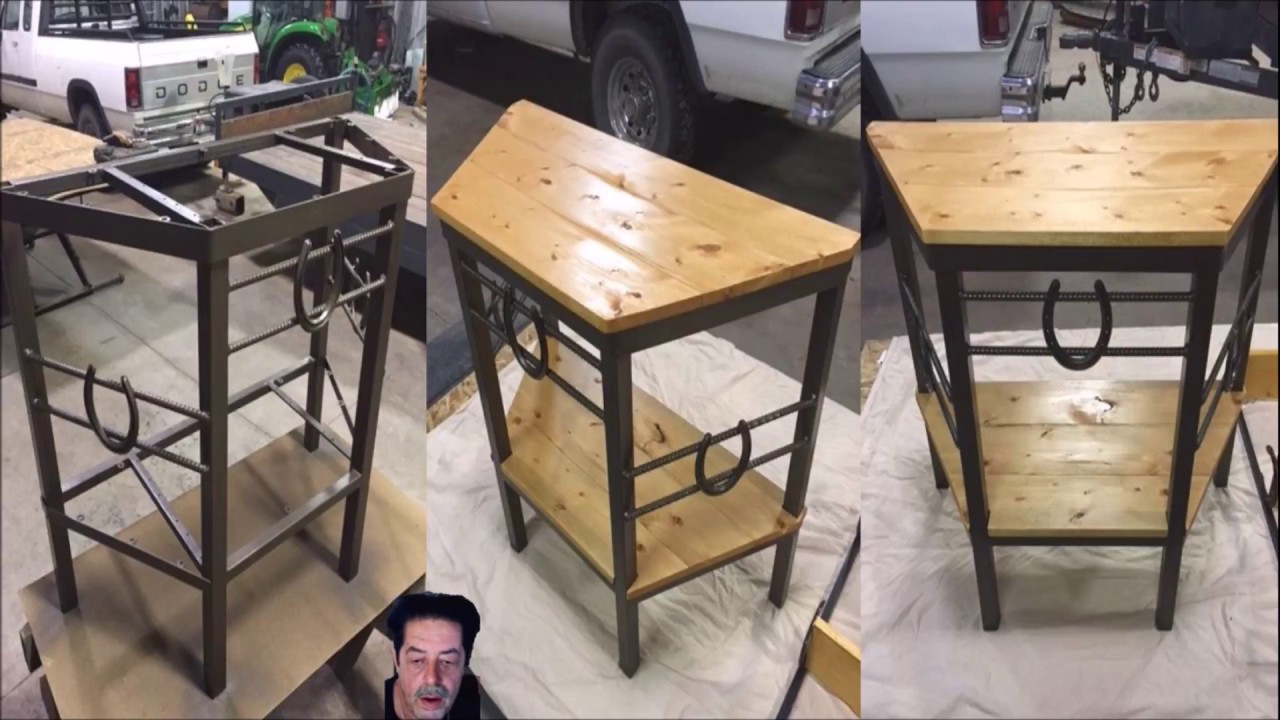
8. Furniture And Home Decor
Metal tables, chairs, shelves, and art are popular. You can sell these at local markets or online. Unique designs often bring higher prices.
9. Off-road And 4×4 Modifications
Jeep and truck owners want bumpers, skid plates, and racks. These jobs require skill but pay well.
10. Art And Sculptures
If you enjoy creative work, metal art and sculptures can bring income and recognition. You can sell at art fairs or take custom orders.
11. Bbq Pits And Smokers
Outdoor cooking gear is always in demand. You can build and sell BBQ pits, smokers, or fire pits.
12. Gates And Railings
Simple gates and railings for homes or businesses are steady sellers. You can offer powder coating or painting for extra income.
13. Lawn And Garden Equipment Repairs
People often need repairs for mowers, wheelbarrows, or garden tools. Quick jobs, but they build customer trust.
14. Industrial Contract Work
Small factories or shops may need a welder for short-term jobs. You can set higher rates for urgent repairs.
15. Heavy Equipment Repairs
Construction firms need welders to fix buckets, blades, or frames. These jobs require skill but pay well.
16. Boat And Dock Welding
If you live near water, boat owners need repairs for trailers or docks. Aluminum welding is a plus.
17. Security Bars And Window Guards
Home and shop owners want extra security. You can design, build, and install these for steady work.
18. Handrails And Accessibility Ramps
Public buildings and homes need safe handrails and ramps. These jobs are growing as safety rules increase.
19. Selling Welding Courses Or Workshops
If you have teaching skills, offer short courses for beginners. Many people want to learn welding as a hobby.
20. Tool And Equipment Rentals
If you own extra gear, rent it out to hobbyists or new welders for extra cash.
Where To Find Customers
Many welders start with friends, family, or neighbors. But to grow, you need more ways to reach customers. Here are proven methods:
- Word of mouth: Happy customers will recommend you. Always do good work and finish on time.
- Social media: Share photos of your work on Facebook, Instagram, or local groups. Use before-and-after shots and clear prices.
- Online classifieds: Post on Craigslist, Facebook Marketplace, or local forums.
- Business cards: Hand them out at hardware stores, gas stations, or events.
- Partner with businesses: Auto shops, farms, and hardware stores can refer customers.
- Signs: Place a clear sign outside your home or garage if local rules allow.
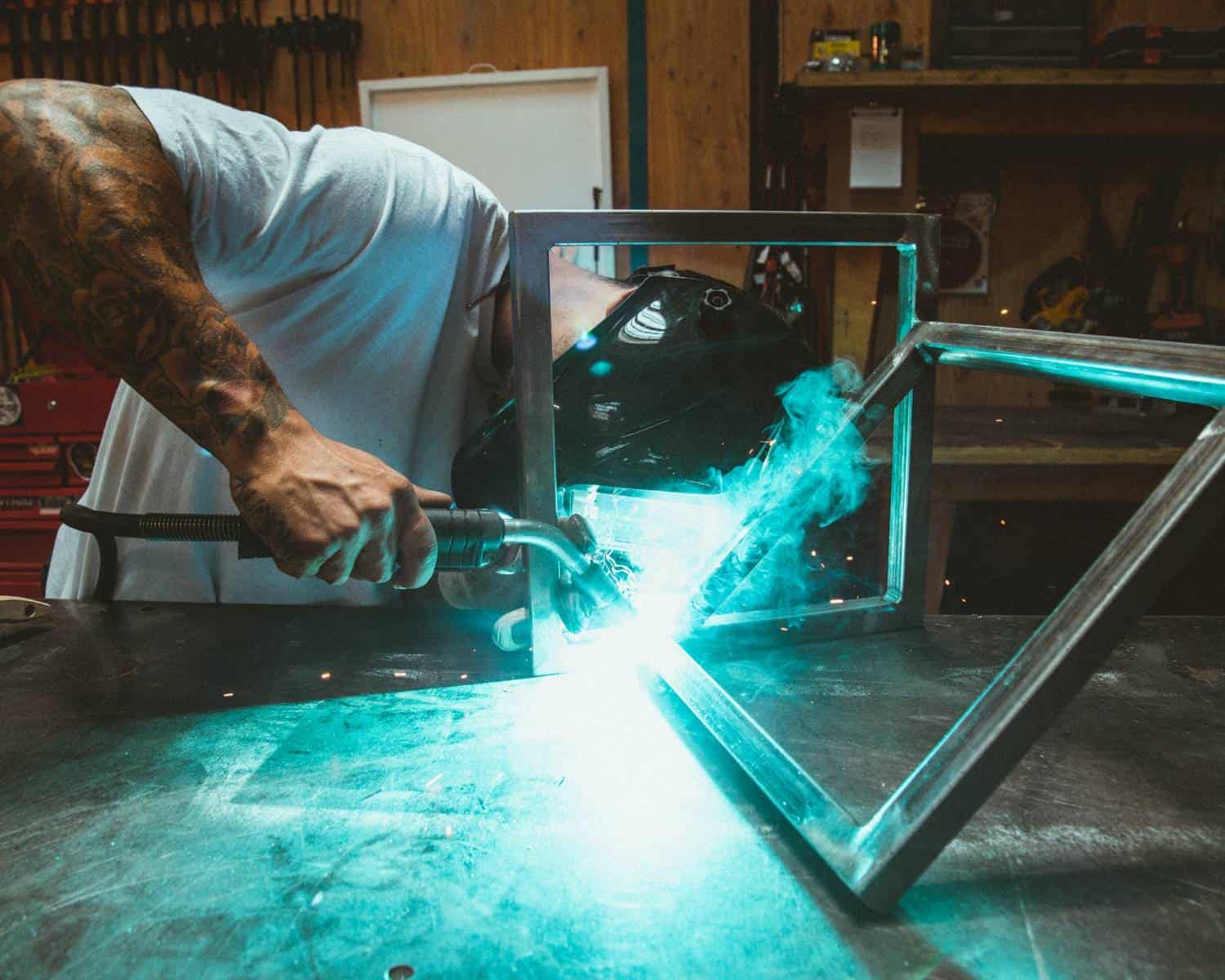
Be clear about what you offer. List your services and show real examples. Reply quickly to questions. Many jobs come from fast, helpful responses.
Credit: makeitfrommetal.com
Setting Your Prices
Pricing is key to making money and keeping customers. If you charge too little, you lose money and burn out. Too much and customers go elsewhere.
Hourly rates for side welders range from $50–$100 in the US. Mobile jobs can charge travel fees ($1–$2 per mile). Custom or complex work brings higher rates.
Project pricing is common for art, gates, or furniture. Calculate your material cost, estimate time, and add a profit margin (20–50%).
Minimum charge: Set a minimum fee ($50–$100) for small jobs, so you do not waste time.
Material markup: Add 10–30% to cover buying and handling materials.
Deposit: For large jobs, ask for a deposit (20–50%) before starting.
| Service Type | Typical Charge | Extra Fees |
|---|---|---|
| Mobile Repair (per hour) | $70–$100 | Travel fee |
| Simple Fabrication | $100–$300 | Material cost |
| Custom Art Piece | $500+ | Design fee |
Non-obvious tip: Track your time and material costs for each job. This data helps you set better prices and spot which jobs are most profitable.
Legal And Safety Steps
Earning money on the side means you must follow local rules and keep yourself safe.
Business License And Taxes
Most cities require a small business license, even for part-time work. Check with your city or county office. If you make more than a few hundred dollars, you must report it as income. Keep clear records of every job, expense, and payment.
Self-employment taxes may apply. Save receipts for tools, materials, and vehicle use. Consider talking to a tax professional once you earn steady money.
Insurance
Welding is risky. If you work at customer sites, get liability insurance. This protects you if your work causes damage or injury. Some jobs, such as city contracts, require proof of insurance.
Safety
Never skip safety steps to save time. Always wear your helmet, gloves, and fire-resistant clothes. Keep a fire extinguisher nearby. Check for flammable materials before starting.
Non-obvious insight: Many welders get hurt not from welding, but from grinding or moving heavy objects. Always use lifting aids and guard your grinder.
Credit: www.youtube.com
Marketing Your Welding Side Business
Marketing does not need to be expensive. Small steps often bring the best results.
Build An Online Portfolio
Take clear photos of your finished jobs. Show different angles and close-ups. Create a free website or a simple Facebook page. Post your story, your skills, and your contact info.
Ask For Reviews
Happy customers are your best marketers. Ask them to write reviews online or give a short testimonial. Post these on your site or social media.
Offer Referral Discounts
Give a small discount or free service to customers who send you new clients. Even $10 off can motivate people to recommend you.
Join Local Events
Set up a booth at local fairs, markets, or trade shows. Bring a few sample pieces. Offer to fix small items on the spot for a fee.
Network With Other Trades
Electricians, plumbers, and carpenters often need welders. Build a contact list and trade referrals.
| Marketing Method | Effort | Cost | Expected Results |
|---|---|---|---|
| Social Media | Medium | Low | Steady leads |
| Word of Mouth | Low | None | Best customers |
| Events/Markets | High | Medium | Many small jobs |
Growing Your Welding Side Business
Once you have steady work, you can grow your business or keep it part-time. Here are ways to expand:
- Buy better tools for faster or higher-quality work.
- Train in new skills (TIG, aluminum, pipe welding).
- Hire help for large jobs or to cover busy weekends.
- Raise your rates as your reputation grows.
- Offer new services—painting, powder coating, or delivery.
- Build relationships with repeat clients.
Important: Do not grow too fast. Many new welders buy expensive gear or rent space before they have steady work. Start small, track your profits, and expand only when demand is clear.

Credit: www.arccaptain.com
Common Mistakes And How To Avoid Them
Many welders make the same errors when starting a side business. Avoid these to save money and stress.
Underpricing Work
Many beginners charge too little. They forget to count their time, travel, and wear on tools. Always calculate your real costs before quoting a price.
Taking Unsafe Jobs
Some jobs are too risky or need special insurance. Do not weld on fuel tanks, pressure vessels, or load-bearing structures unless you are trained and insured.
Overpromising
Say “yes” only to jobs you can finish well and on time. It is better to say “no” than to deliver poor work or miss deadlines.
Poor Communication
Always explain the job, price, and timeline before starting. Put agreements in writing for bigger jobs.
Ignoring Local Rules
Some cities ban welding in garages or require special permits. Always check local rules before you begin.
How To Start: First Steps
If you want to make money welding on the side, start with these steps:
- List your skills and tools. Pick jobs that match them.
- Check local business license and insurance rules.
- Tell friends and family you are open for side jobs.
- Take clear photos of your work for your portfolio.
- Set fair prices with a minimum fee for small jobs.
- Post on social media and local groups.
- Track every job and payment for taxes.
Start small. Early jobs teach you what people want, how to price, and how to manage your time. As you gain skill and trust, better work and referrals will follow.
Real-world Examples
Example 1: Joe works full-time at a factory. He starts fixing neighbors’ gates and trailers on weekends. After a year, his side welding brings $500–$1,000 per month. He uses Facebook and word of mouth for new clients.
Example 2: Maria is a hobbyist welder. She builds metal art and furniture in her garage. She sells at local markets and through Instagram. One custom table brings $700 profit—more than two weeks at her day job.
Example 3: Sam lives near farms. He repairs plows, gates, and livestock trailers. He offers mobile service. Farmers call him in emergencies, and he charges $80/hour plus travel. In busy seasons, he turns down work to keep quality high.
Non-obvious insight: Most successful side welders focus on repeat customers—not one-off jobs. Building trust leads to steady income.
Where To Learn More
You can find many free and paid welding resources online. The American Welding Society offers guides and forums for beginners and advanced welders. Find more at American Welding Society.
Frequently Asked Questions
How Much Can I Make Welding On The Side?
Side welders often earn $500–$2,000 per month, depending on hours, skill, and demand. Some earn much more with custom work or by building a strong customer base. Your earnings will grow as you gain experience and repeat clients.
Do I Need A License To Weld For Money?
Most cities require a business license for paid welding, even part-time. Some states may need special permits for mobile work or certain jobs. Always check your local rules before starting paid work.
What Is The Best Way To Find Welding Customers?
Start with friends, family, and neighbors. Use social media, local online groups, and business cards. Partner with auto shops, farms, and small businesses. Good service and fast replies bring repeat work and referrals.
Is It Safe To Weld As A Side Hustle?
Welding is safe if you use the right safety gear and follow rules. Always wear a helmet, gloves, and fire-resistant clothes. Keep a fire extinguisher nearby. Check your work area for flammable items before starting any job.
What Type Of Welding Is Most Profitable?
Mobile welding and custom fabrication usually pay the most. Repairs for trailers, farm tools, and heavy equipment bring high rates. Unique art, gates, or furniture can also be very profitable if you have creative skills.
Making money welding on the side is possible for many people with basic skills and tools. Start small, offer good service, and always put safety first. With time and effort, you can build a side income that supports your goals and gives you financial freedom.