Disclosure: This post contains affiliate links and I will be compensated if you make a purchase after clicking through my links. Learn More
TIG welding is a popular way to join metal because it creates clean, strong welds. But sometimes, after TIG welding, you notice your tungsten electrode turns gray. This problem is common for both beginners and experienced welders. Gray tungsten can cause weak arcs, dirty welds, and even ruin your project. Many people wonder if they can fix gray tungsten or if they need to start over. The good news is: you can fix it, and you can prevent it from happening again if you know what to do.
This article explains why tungsten turns gray after TIG welding, how to fix it, and what you can do to stop it from happening. You will learn how to prepare your tungsten, adjust your welding settings, and use the right techniques.
By the end, you will know how to keep your tungsten clean and your welds looking professional.
Why Does Tungsten Turn Gray After Tig Welding?
Understanding the cause helps you solve the problem. When you see gray color on your tungsten, it usually means contamination. Contaminated tungsten does not give a stable arc and can ruin your weld. Here are the main reasons:
1. Overheating
Too much heat can damage tungsten. If your amperage is too high or your electrode is too small, the tip burns and turns gray.
2. Contaminated Shielding Gas
Argon or other gases protect your tungsten from the air. If you use low-quality gas, or if your gas flow is too low or too high, air can reach the tungsten and oxidize it.
3. Touching The Weld Pool
If the tungsten touches molten metal, filler rod, or dirty workpiece, it becomes contaminated and turns gray or even black.
4. Dirty Base Metal Or Filler Rod
Oil, rust, or paint on the metal or filler rod can transfer to the tungsten, making it gray.
5. Incorrect Polarity
Using the wrong polarity on your welding machine can overheat and damage tungsten.
6. Poor Gas Coverage
If your gas nozzle is blocked or too far from the weld, the tungsten does not get enough protection.
These points cover the usual reasons, but sometimes, a combination of problems causes gray tungsten.
How To Fix Gray Tungsten After Tig Welding
You can fix gray tungsten. Do not throw it away if it is not melted or broken. Here is a step-by-step guide to restore your tungsten electrode:
1. Remove The Tungsten Electrode Safely
First, turn off your TIG welder and wait until everything cools down. Use gloves to remove the electrode from the torch. Safety is important because you do not want to burn yourself.
2. Inspect The Electrode
Look at the tungsten carefully. If the tip is melted or has deep cracks, you should replace it. If only the surface is gray, you can clean and regrind it.
3. Clean The Tungsten
Use a clean rag to wipe off any loose dirt or metal from the electrode. Do not use oil or chemicals, as they can add more contamination.
4. Regrind The Tip
Use a dedicated tungsten grinder or a fine-grit bench grinder. Only use a grinding wheel that is meant for tungsten. If you use a wheel that was used on steel or other metals, you will contaminate the tungsten again.
- Hold the tungsten lengthwise against the wheel, not sideways.
- Grind from the tip towards the end, not around the circumference.
- Shape the tip to a point for DC welding or leave it slightly rounded for AC welding.
This method keeps the grain of the tungsten aligned, which helps the arc stay stable.
5. Remove Contaminated Parts
If the gray area is deep, grind away enough material to reach clean tungsten. Do not leave any gray or black spots. A clean, shiny surface is what you want.
6. Clean The Electrode Holder
Sometimes contamination comes from the collet or torch head. Wipe these parts with a clean cloth. Replace them if they are dirty or damaged.
7. Reinstall The Tungsten
Once the tip is clean and sharp, put it back in the torch. Make sure it is tight, but do not overtighten.
8. Test On Scrap Metal
Before you start your main project, test the cleaned tungsten on a piece of scrap metal. Check the arc. It should be steady and bright, with no flickering or sputtering.
9. Monitor Your Work
Watch your tungsten during welding. If it starts to turn gray again, stop and fix the problem right away.
Extra Tips
- Use a dedicated grinder for tungsten only.
- Store your tungsten electrodes in a clean, dry place.
- Never use oily hands when handling tungsten.
How To Prevent Tungsten From Turning Gray
Fixing gray tungsten is useful, but prevention saves time and effort. Here are proven ways to keep your tungsten clean and bright:
Set Correct Amperage
Use the right amperage for your electrode size and metal thickness. Too much power overheats tungsten.
| Electrode Diameter | Recommended Amperage (DC) |
|---|---|
| 1/16″ (1.6 mm) | 20–100 A |
| 3/32″ (2.4 mm) | 65–180 A |
| 1/8″ (3.2 mm) | 100–250 A |
If you use more power than the electrode can handle, the tip burns and turns gray.
Choose The Right Shielding Gas
Pure argon works best for most TIG welding. Argon/helium mix is good for thicker metals, but for beginners, use pure argon.
- Use high-quality gas from a trusted supplier.
- Check for leaks in hoses and fittings.
- Use a flow rate between 15–20 cubic feet per hour (CFH) for most jobs.
Keep The Tungsten Away From The Weld Pool
Do not let the tip touch the molten metal, filler rod, or dirty base material. If it happens, stop and fix the tungsten.
Clean The Base Metal And Filler Rod
Use a stainless steel wire brush, sandpaper, or a dedicated grinder to clean the metal before welding. Wipe it with a clean cloth. The same goes for the filler rod.
Use Correct Polarity
- For steel and stainless steel: Use DCEN (Direct Current Electrode Negative).
- For aluminum and magnesium: Use AC (Alternating Current).
Wrong polarity overheats tungsten and causes gray color.
Check Gas Coverage
- Use the right size gas lens and cup.
- Hold the torch at the correct angle (10–15 degrees from vertical).
- Keep the tungsten tip about 1/8 to 1/4 inch from the workpiece.
Store Tungsten Properly
Moisture and oil can contaminate tungsten. Store electrodes in a sealed container in a dry place.
Replace Worn Or Damaged Parts
If your torch parts are old, damaged, or dirty, replace them. Clean collets, cups, and diffusers make a big difference.
Use A Dedicated Grinder
Do not use the same grinder for tungsten and other metals. A dedicated grinder prevents cross-contamination.
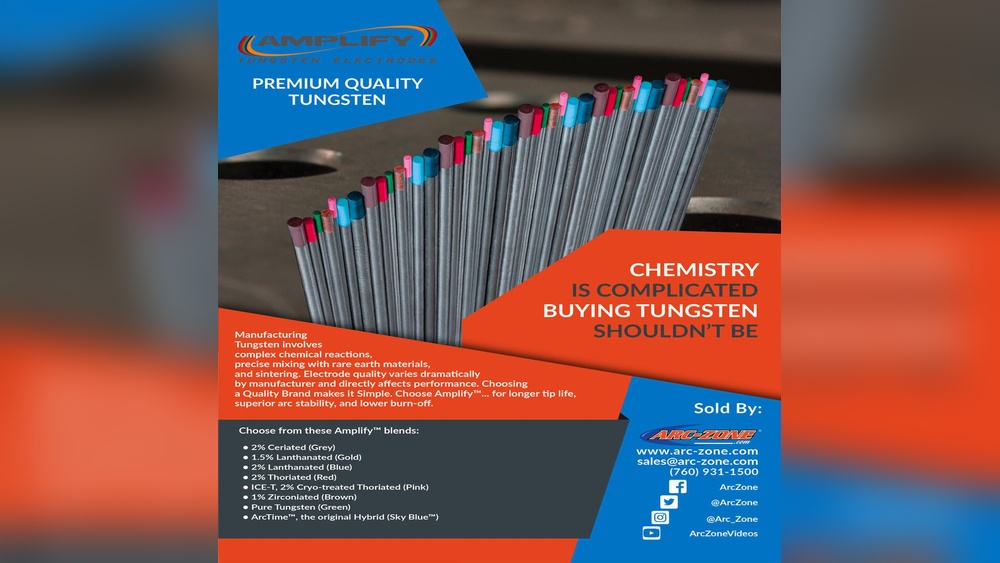
Tungsten Types And Their Resistance To Contamination
Not all tungsten electrodes are the same. Some types resist contamination better than others. Here is a comparison of common types:
| Type | Color Code | Main Features | Contamination Resistance |
|---|---|---|---|
| Pure Tungsten | Green | Cheap, soft arc, for AC | Low |
| Thoriated (2% ThO2) | Red | Stable arc, for DC | Moderate |
| Ceriated (2% CeO2) | Gray | Good for low amp, AC & DC | High |
| Lanthanated (1.5% La2O3) | Gold/Blue | Long life, all-purpose | High |
| Zirconiated (1% ZrO2) | White | For AC, good arc start | High |
Ceriated, lanthanated, and zirconiated tungstens handle contamination better. They are good choices if you often have gray tungsten problems.

Credit: www.youtube.com
The Science Behind Gray Tungsten
Many welders do not know why tungsten changes color. Gray color means oxidation or contamination. Here is what happens:
- When tungsten gets too hot, it reacts with oxygen from the air.
- If the shielding gas fails, air reaches the electrode, causing an oxide layer to form.
- Touching the weld pool adds metal to the tip, making it gray or even black.
Oxidation changes the properties of tungsten. The arc becomes unstable and may wander. The tip can even start to melt. This is why fixing gray tungsten is important for good welds.
What Happens If You Ignore Gray Tungsten?
If you keep welding with gray tungsten, you will face several problems:
- Unstable Arc: The arc may flicker or jump, making it hard to control the weld.
- Dirty Welds: Contaminated tungsten adds impurities to the weld, causing cracks or weak spots.
- Difficult Arc Start: You may notice the arc does not start smoothly.
- Shorter Electrode Life: Contaminated tips wear out faster, so you need to regrind or replace them more often.
- Wasted Time and Material: Poor welds mean more rework, which wastes gas, filler, and base metal.
These problems add up, especially if you weld often or work on critical parts.

Credit: www.thefabricator.com
Real-world Examples
Example 1:
A beginner was welding stainless steel with a 1/16″ thoriated tungsten at 120 amps. After a few minutes, the electrode turned gray. The shielding gas was set to 10 CFH, which was too low. After increasing the gas flow to 18 CFH and cleaning the base metal, the problem disappeared.
Example 2:
An experienced welder noticed gray tips on his lanthanated tungsten after welding aluminum. He had used DC instead of AC by mistake. Switching to AC fixed the issue.
Example 3:
A shop owner used one grinder for both steel and tungsten. Every time he ground his tungsten, it became contaminated. After buying a dedicated tungsten grinder, the electrodes stayed clean, and weld quality improved.
These examples show that even small mistakes can cause gray tungsten.
Common Mistakes When Fixing Gray Tungsten
Welders often make these mistakes when trying to fix gray tungsten:
- Grinding sideways instead of lengthwise.
- Using a dirty grinder or wheel.
- Not grinding away all the gray area.
- Touching the electrode with oily hands.
- Forgetting to clean the collet and torch head.
Avoid these mistakes to keep your tungsten clean and your welds strong.
How To Set Up Your Tig Welder For Clean Tungsten
Proper setup helps prevent gray tungsten. Here are the key points:
Choose The Right Electrode
Pick the right tungsten type for your metal and current:
- Steel: Thoriated or lanthanated tungsten, DCEN.
- Aluminum: Zirconiated or pure tungsten, AC.
Set Amperage And Polarity
Use recommended amperage for your electrode size. Set polarity to DCEN for most metals, AC for aluminum/magnesium.
Adjust Gas Flow
15–20 CFH argon works for most jobs. Too much flow causes turbulence, letting air in. Too little does not protect the electrode.
Select The Right Cup And Lens
A larger cup gives better gas coverage. Gas lens helps keep the shield even and strong.
Torch Angle And Distance
Keep the torch at 10–15 degrees from vertical. Hold the tip 1/8 to 1/4 inch above the weld pool.
The Cost Of Replacing Tungsten Vs. Regrinding
Some welders throw away electrodes as soon as they turn gray. This can be expensive over time. Here is a cost comparison:
| Action | Cost per Electrode | Frequency | Yearly Cost (50 electrodes/year) |
|---|---|---|---|
| Replace | $2.00 | Every time | $100 |
| Regrind | $0.05 (electricity/wear) | Up to 10 times per electrode | $5 |
Regrinding saves money and time. As long as the tungsten is not melted or broken, you can reuse it several times.
Advanced Tips For Keeping Tungsten Clean
Professional welders use extra steps to keep their electrodes clean:
- Use a tungsten sharpener with dust collection to avoid breathing harmful dust.
- Mark your tungsten electrodes for different metals (for example, use a marker or storage tube).
- Keep a small brush to clean the collet and cup between welds.
- Use a protective cap on the torch when not in use.
These habits help maintain weld quality in busy shops.
Myths About Gray Tungsten
Some myths confuse new welders. Here are the facts:
- Myth: All color changes mean the electrode is bad.
Fact: Blue or purple colors can appear from heat but do not always mean contamination. Gray or black usually means contamination.
- Myth: You must always throw away gray tungsten.
Fact: You can regrind unless the electrode is melted or cracked.
- Myth: Any grinder works for tungsten.
Fact: Use a dedicated tungsten grinder to avoid contamination.
- Myth: More gas flow is always better.
Fact: Too much gas flow causes turbulence, which can let air in.
When Should You Replace Tungsten Instead Of Fixing It?
Sometimes fixing is not enough. Replace your tungsten if:
- The tip is melted, split, or has deep cracks.
- The electrode is too short to use safely.
- The contamination is deep and you cannot grind it all away.
Using damaged tungsten risks poor welds and can damage your torch.
The Role Of Workplace Cleanliness
A clean workspace helps keep tungsten electrodes clean. Metal dust, oil, and moisture can all cause contamination. Here are some best practices:
- Sweep the area before welding.
- Keep tools and electrodes in sealed containers.
- Avoid welding near grinding or cutting operations.
Small changes in your habits can make a big difference.
Training And Practice Matter
No one gets perfect results the first time. Practice helps you learn the right torch angle, distance, and speed. Watch your arc and tungsten. If you see gray, stop and check what went wrong. Over time, you will make fewer mistakes and spend less time fixing electrodes.
Using Technology To Improve Results
Modern TIG welders have features that help prevent gray tungsten. Some machines have:
- Pre-flow and post-flow gas timers to protect the electrode before and after welding.
- Arc start controls for smoother ignition.
- Memory settings for different metals and jobs.
If your welder has these features, use them. They make a difference, especially for beginners.

Credit: www.reddit.com
Selecting The Right Accessories
Using the correct cup, lens, and collet is important. Here is a simple guide:
- Small jobs: Use a #5 or #6 cup.
- Large jobs or aluminum: Use a #7 or #8 cup with a gas lens.
- Always use clean, undamaged parts.
This helps keep your arc steady and your tungsten clean.
Environmental Factors
High humidity, dust, and drafts can all affect gas coverage and electrode cleanliness. Weld in a well-ventilated but not windy area. If possible, use screens to block drafts.
Summary Of Key Steps
If your tungsten turns gray:
- Turn off the welder and let everything cool.
- Remove the electrode and inspect it.
- Clean and regrind the tip using a dedicated grinder.
- Remove all contaminated parts.
- Clean the torch components.
- Reinstall and test the electrode.
- Fix the cause to prevent future problems.
If you follow these steps, you will spend less time fixing problems and more time welding.
Frequently Asked Questions
Why Does My Tungsten Turn Gray So Quickly?
This usually means you have contamination from air, dirty base metal, or touching the weld pool. Check your gas flow, clean your materials, and use the correct technique.
Can I Use A Regular Bench Grinder For Tungsten Electrodes?
You should use a dedicated grinder for tungsten. Using a grinder that also touches steel or other metals will contaminate your tungsten.
How Many Times Can I Regrind A Tungsten Electrode?
You can regrind tungsten up to 10 times if you remove all contamination and the electrode is not melted or broken. Always inspect before reuse.
What Shielding Gas Is Best To Prevent Gray Tungsten?
Pure argon is best for most TIG welding. Make sure your gas is clean and your system has no leaks.
Where Can I Find More Detailed Information About Tig Welding Electrodes?
For more technical details, visit the Wikipedia Tungsten Electrode page.
Fixing gray tungsten after TIG welding is a simple process if you understand the causes and follow the right steps. Clean tungsten gives you better welds, saves money, and makes your work look professional. Start with good habits, and soon, gray tungsten will be a rare problem in your shop.