Disclosure: This post contains affiliate links and I will be compensated if you make a purchase after clicking through my links. Learn More
Many kitchens have stainless steel appliances and surfaces. People like them because they look modern and are easy to keep clean. But fingerprints, water spots, and streaks can quickly make them look messy. Using the wrong cleaner can even cause damage or leave marks that are hard to remove. One of the simplest and safest ways to clean stainless steel is by using vinegar.
Vinegar is a common item in most homes. It is affordable, safe, and does not harm the environment. Many people do not know that vinegar works well for cleaning stainless steel. It removes smudges, fingerprints, and even some stains without strong chemicals.
In this article, you will learn how to use vinegar to clean stainless steel effectively. You will also learn tips, mistakes to avoid, and answers to common questions. If you follow these steps, you can keep your stainless steel shiny and clean with little effort.
Why Vinegar Works On Stainless Steel
Vinegar contains acetic acid. This acid helps break down grease and mineral deposits. Stainless steel surfaces often collect oils from hands and food, as well as hard water spots. Vinegar cuts through these without scratching or dulling the metal.
Most commercial cleaners have strong chemicals. These can sometimes react with stainless steel and cause discoloration or streaks. Vinegar, in contrast, is gentle but effective. It is safe for most people and does not create strong fumes.
Some people worry about vinegar damaging surfaces. Pure vinegar is usually safe for stainless steel if used correctly. Still, you should rinse and dry the surface after cleaning. This stops any acid from staying on the metal too long.
Supplies Needed For Cleaning
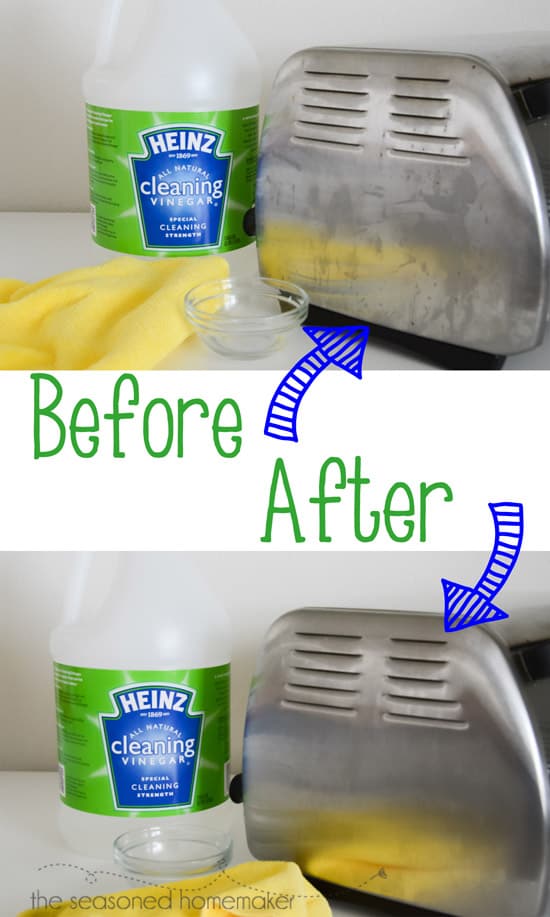
Before you start, gather a few simple items. Having the right tools makes the job quicker and gives better results.
- White vinegar (distilled vinegar is best)
- Spray bottle (for easy application)
- Microfiber cloth (soft and lint-free)
- Paper towels or soft rags
- Water (for rinsing)
- Olive oil or mineral oil (optional, for polishing)
- Small bowl (if not using a spray bottle)
- Sponge (non-abrasive, for tough spots)
Using a microfiber cloth is important. Paper towels can leave lint, and rough sponges can scratch the surface. A microfiber cloth is soft and does not leave marks.
Credit: www.seasonedhomemaker.com
Step-by-step Guide: Cleaning Stainless Steel With Vinegar
Cleaning stainless steel with vinegar is simple, but a few details help you get the best results.
1. Remove Loose Dirt
Wipe the surface with a dry microfiber cloth. This removes dust and loose crumbs. If you skip this, you may spread dirt and cause tiny scratches later.
2. Prepare Your Vinegar Solution
Pour white vinegar into a spray bottle. You do not need to mix it with water for regular cleaning. For lighter cleaning, you can mix equal parts vinegar and water. If the surface is very dirty or greasy, use pure vinegar.
3. Spray The Surface
Spray the vinegar directly on the stainless steel. Cover all the areas with a light mist. If you do not have a spray bottle, dip your cloth in vinegar and wipe the surface. Do not soak the area; just make it damp.
4. Wipe With The Grain
Stainless steel has a grain, just like wood. You can see tiny lines running across the surface. Always wipe with the grain. This helps remove dirt from the grooves and avoids streaks.
Use a clean, dry microfiber cloth to wipe the vinegar. Move in long, gentle strokes. Do not scrub hard.
5. Repeat For Tough Spots
Some marks or fingerprints may need more work. Spray vinegar again on these spots. Let it sit for a few minutes. Then wipe with a soft cloth or a non-abrasive sponge. For greasy areas, repeat this step as needed.
6. Rinse And Dry
After cleaning, wipe the area with a damp cloth (water only). This removes any vinegar left on the surface. Then dry the metal with a clean, dry cloth. Drying is important. If you let water air-dry, you may see new spots.
7. Polish (optional)
To make your stainless steel shine, add a small amount of olive oil or mineral oil to a soft cloth. Wipe gently with the grain. This step is optional, but it gives a bright, fingerprint-resistant finish.
Example: Cleaning A Stainless Steel Refrigerator
Many people struggle with keeping their fridge clean. Fingerprints and smudges show up easily on the door. Here’s how you can clean a refrigerator with vinegar:
- Wipe the surface with a dry cloth to remove dust.
- Spray vinegar on the refrigerator door.
- Wipe with a microfiber cloth, moving with the grain.
- For sticky marks, spray again and let sit for 2-3 minutes.
- Rinse with a damp cloth and dry.
- Polish with a few drops of olive oil on a soft cloth for extra shine.
You will see most fingerprints and streaks disappear after these steps.
Comparing Vinegar To Other Stainless Steel Cleaners
Many products claim to clean stainless steel. Some are sprays, some are creams, and some are wipes. How does vinegar compare?
| Cleaner Type | Effectiveness | Cost | Safety | Residue |
|---|---|---|---|---|
| White Vinegar | High | Low | Safe | No residue |
| Commercial Spray | High | Medium to High | Can be harsh | May leave film |
| Soap & Water | Medium | Low | Safe | May leave streaks |
| Baking Soda Paste | Good for stains | Low | Safe | No residue |
Vinegar is one of the safest and most effective options. It does not scratch or leave a cloudy finish. It is also much cheaper than many store-bought cleaners.
Tips For Best Results
Some small details can help you get a streak-free finish every time.
Use Distilled White Vinegar
Other types of vinegar, like apple cider or balsamic, can leave sticky residue or color stains. Always use distilled white vinegar for cleaning.
Test First
If you have never used vinegar on your stainless steel, test it on a small area first. This checks for any unexpected reaction or discoloration.
Avoid Abrasive Tools
Do not use steel wool, scouring pads, or rough sponges. These can scratch and damage the surface. Even a single scratch can ruin the look.
Wipe Dry Right Away
Air-drying can leave water spots. Always dry with a soft cloth after cleaning.
Clean With The Grain
This tip is worth repeating because it is often missed. Wiping against the grain can cause streaks that are hard to remove.
Remove Oil Residue
Sometimes after polishing with oil, you may see streaks. Use a clean cloth to buff until the surface is shiny and smooth.
Removing Tough Stains And Grease
Some stains do not come off with vinegar alone. Here’s how to handle stubborn spots safely.
Hard Water Spots
Mix equal parts vinegar and water. Soak a cloth in the mixture and place it on the stain for 5–10 minutes. Wipe with the grain, then rinse and dry.
Grease Buildup
Spray vinegar and let it sit for 5 minutes. Wipe with a microfiber cloth. For very thick grease, sprinkle a little baking soda on a damp cloth and scrub gently. Rinse and dry.
Rust Spots
Stainless steel does not rust easily, but sometimes rust can form (for example, from contact with another metal). Soak a corner of your cloth with vinegar. Rub the rust spot gently. If needed, add a pinch of baking soda for more cleaning power.
How Often Should You Clean Stainless Steel?
How often you clean depends on use. For kitchen appliances, wiping with vinegar once a week keeps them looking good. For sinks or counters, you might clean every day. Polishing with oil is only needed once a month or when you want extra shine.
Credit: www.youtube.com
Common Mistakes To Avoid
Many people make small mistakes that cause streaks or even damage. Here are the most common problems to watch for:
- Using the wrong vinegar: Only use white distilled vinegar.
- Skipping the rinse: Always wipe with water after vinegar to remove acid.
- Letting vinegar dry on surface: This can leave marks.
- Using paper towels: These can leave lint or even scratch some finishes.
- Wiping in circles: Always wipe with the grain.
- Scrubbing with hard tools: Never use abrasive pads or powders.
- Not drying the surface: Water spots can appear if you let it air-dry.
Polishing For Extra Shine
Many people want their appliances to not just be clean but also shiny. Polishing is simple and only takes a minute.
- Put a small drop of olive oil or mineral oil on a clean cloth.
- Wipe gently with the grain of the steel.
- Use a second, dry cloth to buff until shiny.
This step also helps repel fingerprints and makes future cleaning easier.
Cleaning Different Stainless Steel Items
Not all stainless steel is the same. Some items need special care.
Kitchen Appliances
Refrigerators, ovens, and dishwashers have smooth finishes. Use vinegar spray and a microfiber cloth. Polish if you want extra shine.
Sinks
Kitchen sinks can collect hard water stains and soap scum. Spray with vinegar, let it sit for 5–10 minutes, then scrub gently with a soft sponge. Rinse well and dry.
Cookware
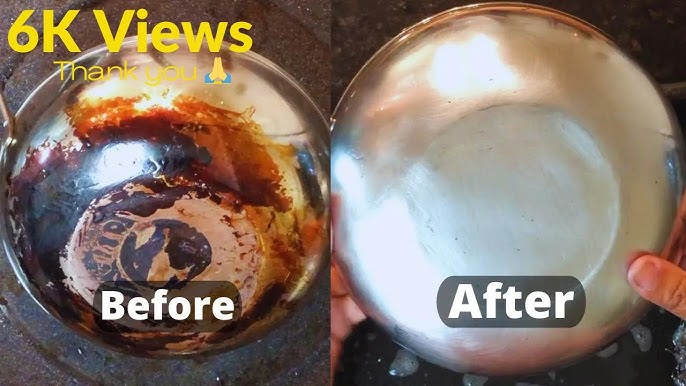
Pots and pans can get greasy or stained. Wipe with vinegar, let it sit, then scrub with a non-abrasive pad. Rinse and dry. For stuck-on stains, soak with vinegar for 10–15 minutes before scrubbing.
Cutlery And Utensils
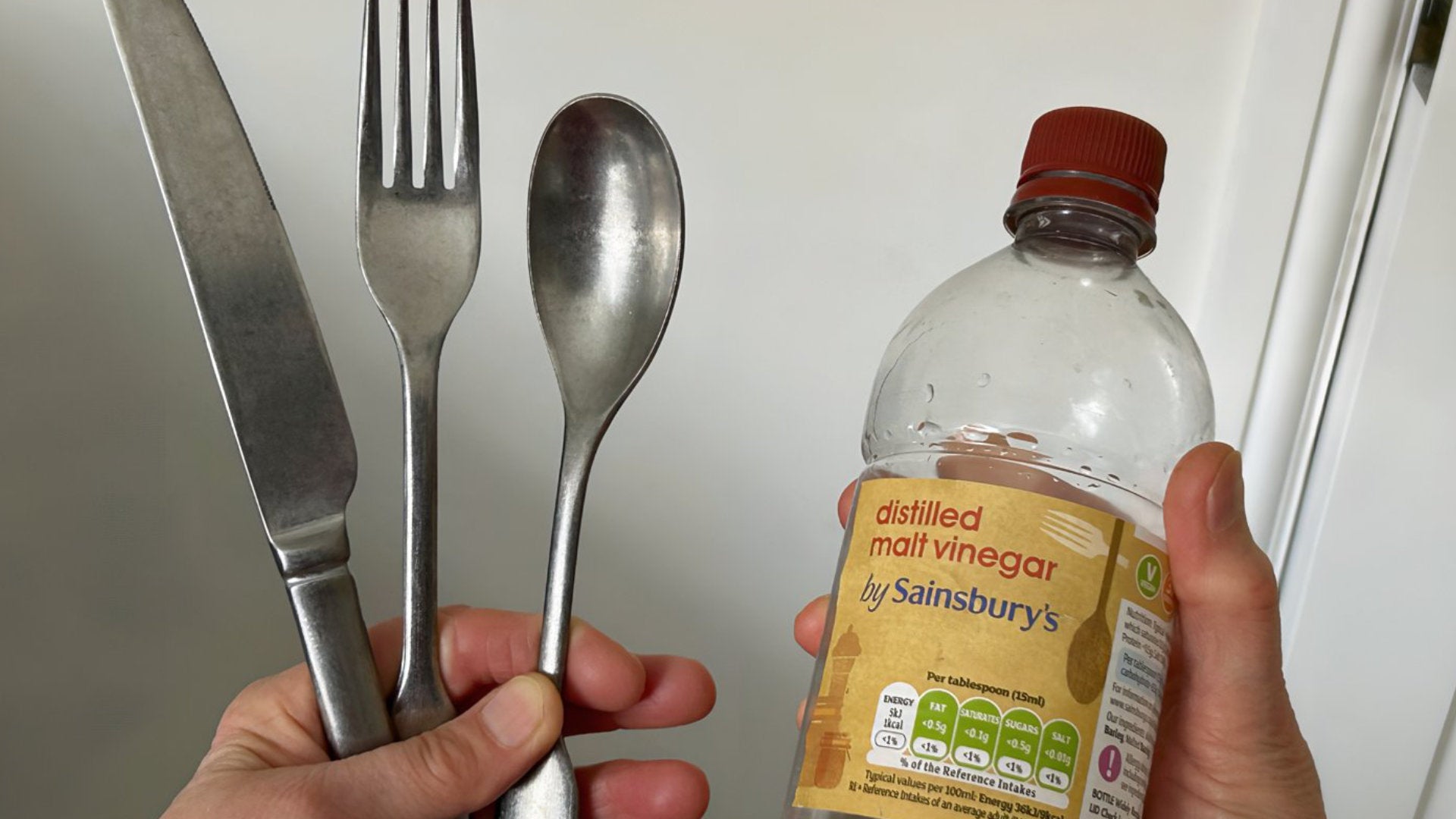
Dip a cloth in vinegar and wipe each piece. Rinse with water and dry. Do not soak for long periods.
Outdoor Items
Grills, outdoor sinks, and fixtures may have more dirt and rust. Use a stronger vinegar solution and repeat cleaning steps as needed.
Vinegar Cleaning Vs. Other Home Remedies
People often use baking soda, lemon, or commercial sprays. How do these methods compare to vinegar?
| Method | Removes Grease | Removes Water Spots | Safe for Daily Use | Cost |
|---|---|---|---|---|
| Vinegar | Yes | Yes | Yes | Low |
| Baking Soda | No | Yes | Yes | Low |
| Lemon Juice | Some | Yes | Yes | Medium |
| Commercial Cleaner | Yes | Yes | Check label | High |
Vinegar is the easiest and cheapest option for most daily cleaning.
Safety Tips When Cleaning With Vinegar
Vinegar is safe for most people, but a few tips will keep your kitchen and your hands protected.
- Ventilate: Open a window if you are sensitive to the smell.
- Avoid mixing with bleach: Never mix vinegar and bleach, as this creates toxic fumes.
- Wear gloves if you have sensitive skin or cuts on your hands.
- Keep away from children: Store vinegar and cleaning supplies out of reach.
How To Store Stainless Steel After Cleaning
Once you have cleaned and dried your stainless steel, keep it in good shape with these habits:
- Always dry after each use, especially in wet areas like sinks.
- Avoid leaving metal objects (like steel wool) on the surface.
- Use a soft towel to wipe surfaces daily.
- If you spill something acidic (like lemon juice), clean it quickly.
Environmental Benefits Of Vinegar Cleaning
Many people choose vinegar because it does not harm the environment. It breaks down naturally and does not leave harmful chemicals behind. By using vinegar, you reduce plastic waste from commercial cleaners and avoid strong fumes in your home.
Troubleshooting: If You See Streaks Or Spots
Even with the best method, sometimes you may see streaks after cleaning. Here’s what you can do:
- Buff with a dry cloth: Many streaks come from leftover moisture. Wipe with a clean, dry microfiber cloth until shiny.
- Repeat cleaning: Some stains need another round of vinegar.
- Check for soap residue: If you used soap before, rinse well before vinegar.
- Polish with oil: If streaks persist, polish with a tiny amount of oil for a smooth finish.
Credit: ubaahaus.co.uk
Two Insights Beginners Miss
- Always wipe with the grain: Many new users ignore the grain of the steel. Wiping in the wrong direction does not clean as well and leaves more streaks.
- Rinse after vinegar: People often forget to rinse the surface with water after using vinegar. Even though vinegar is safe, rinsing removes leftover acid and keeps the surface shiny longer.
How Vinegar Helps With Hygiene
Vinegar is not only a cleaner. It also has mild antibacterial properties. While it does not kill all bacteria like strong disinfectants, it helps reduce germs on surfaces. This makes it a good option for kitchens where you want both clean and safe counters.
For more information about the properties of vinegar, you can visit Wikipedia.
Frequently Asked Questions
Can I Use Vinegar On Colored Or Painted Stainless Steel?
You should not use vinegar on painted or colored stainless steel. The acid can damage the coating or cause fading. Only use vinegar on plain stainless steel surfaces.
Will Vinegar Remove Scratches From Stainless Steel?
No, vinegar cannot remove scratches. It cleans the surface but does not repair physical damage. To reduce the look of light scratches, you can try special stainless steel polishing creams.
Is It Safe To Use Vinegar On Stainless Steel Every Day?
Yes, daily cleaning with diluted vinegar is safe. For heavy cleaning, use pure vinegar less often. Always rinse and dry after cleaning to protect the finish.
Can I Use Apple Cider Vinegar Instead Of White Vinegar?
It is best to use white distilled vinegar. Apple cider vinegar can leave a sticky film or even stain the steel with its color.
What Should I Do If Vinegar Does Not Remove All Marks?
If vinegar does not remove all stains, try soaking the area with vinegar for a few minutes and then using a gentle baking soda scrub. For very tough marks, use a product made for stainless steel.
Keeping stainless steel clean does not have to be hard or expensive. With vinegar, a soft cloth, and a few minutes, you can remove fingerprints, stains, and spots easily. Regular cleaning keeps your appliances and surfaces looking new. By following the steps and tips in this guide, you can get a shiny, streak-free finish every time.