Disclosure: This post contains affiliate links and I will be compensated if you make a purchase after clicking through my links. Learn More
Air compressors are essential tools for industries, workshops, and even home use. They power machines, tools, and various processes by storing compressed air in a tank. But inside each tank, a hidden problem can slowly develop: corrosion. Moisture, air, and metal together cause rust, which weakens the tank and may lead to leaks or even dangerous failures. Applying a proper coating inside of air compressor tank is one of the best ways to stop this damage, extend tank life, and improve safety.
This article will give you a full understanding of why and how to coat an air compressor tank. It covers the science behind coatings, the types you can use, the step-by-step process, real-world examples, and tips that go beyond what most beginners know.
You will also find out common mistakes, safety points, and how to compare different coating options. Whether you maintain your own compressor or manage an industrial system, this guide will help you make clear, confident choices.
Why Coat The Inside Of An Air Compressor Tank?
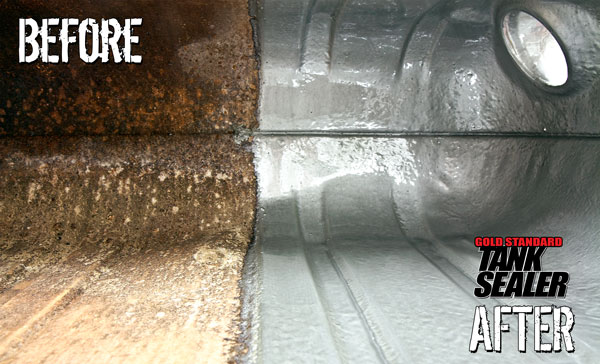
Every time you compress air, moisture forms and collects inside the tank. Over time, this water reacts with metal and air, causing rust and pitting. Rust not only weakens the tank but also sends flakes into your tools and machines, causing clogging and wear.
Coating the inside acts as a barrier. It separates the tank’s metal from moisture and air, preventing most corrosion. This simple step can:
- Add years to your tank’s life
- Keep air clean for your tools and equipment
- Improve safety by reducing the risk of tank failure
- Maintain the value of your compressor
Ignoring this problem may seem cheap at first, but it usually leads to higher costs and risks later.
How Corrosion Damages Compressor Tanks
Corrosion is a chemical reaction between metal, water, and oxygen. Inside an air compressor tank, you will find all three. When you compress air, water vapor condenses and sticks to the tank walls. Over months and years, rust forms. This weakens the tank in several ways:
- Pitting: Small holes develop inside the tank.
- Wall thinning: Metal becomes thinner and weaker.
- Leaking: Holes grow and air escapes, making the compressor useless.
- Rupture: In rare cases, a tank can burst, causing injury or damage.
Most people do not realize that even a small spot of rust can grow fast once it starts. Regular draining helps but does not solve the root cause. A coating slows or stops this process, protecting both your equipment and your safety.

Credit: metalfusionpro.com
Types Of Coatings For Air Compressor Tanks
You will find several types of coating inside of air compressor tank, each with its own strengths and weaknesses. Choosing the right one depends on your tank’s use, size, and your budget.
1. Epoxy Coatings
Epoxy is a two-part chemical that hardens to form a tough, water-resistant layer. It sticks well to metal and lasts for years.
Pros:
- Excellent resistance to water and chemicals
- Easy to apply on most tanks
- Smooth finish prevents debris buildup
Cons:
- Needs proper mixing and surface cleaning
- Can crack if the tank flexes a lot
2. Polyurethane Coatings
Polyurethane is flexible and tough, making it good for tanks that see movement or vibration.
Pros:
- Resists impact and abrasion
- Flexible and less likely to crack
- Good chemical resistance
Cons:
- Often more expensive
- Needs careful application for best results
3. Zinc-rich Primers
These coatings use zinc to protect steel by “sacrificial” action. Zinc corrodes instead of the steel.
Pros:
- Very good rust protection
- Used in industrial settings
Cons:
- Usually a primer, not a full finish
- Often combined with another topcoat
4. Phenolic Coatings
Phenolic resins are used where high chemical resistance is needed, such as in food or medical air systems.
Pros:
- Resists strong acids and cleaning chemicals
- Durable in tough environments
Cons:
- Expensive
- Harder to apply for beginners
5. Powder Coating
This method uses dry powder, baked on at high heat. It creates a hard, smooth finish.
Pros:
- Very tough and long-lasting
- Even coverage
Cons:
- Needs special equipment and heating
- Usually applied only at the factory
6. Ceramic Coatings
Thin layers of ceramic material block water and air.
Pros:
- Excellent at stopping corrosion
- Withstands high temperatures
Cons:
- Pricey
- Rare for standard compressor tanks
7. Bitumen Or Asphalt-based Coatings
These are sometimes used in large, old tanks.
Pros:
- Cheap and thick coverage
- Good for large, non-critical tanks
Cons:
- Messy and hard to clean if repairs are needed
- Not as safe for air purity
Comparison Of Coating Types
Here is a simple comparison:
| Coating Type | Durability | Ease of Application | Cost | Best Use |
|---|---|---|---|---|
| Epoxy | High | Medium | Medium | General, DIY |
| Polyurethane | High | Medium | High | Industrial, Vibrating Tanks |
| Zinc-Rich Primer | Medium | Hard | Medium | Industrial, as Primer |
| Phenolic | Very High | Hard | High | Chemical/Food Use |
| Powder Coating | Very High | Factory Only | High | New Tanks |
| Ceramic | Very High | Hard | Very High | Specialty |
| Bitumen/Asphalt | Low-Medium | Easy | Low | Large, Old Tanks |
How To Prepare For Coating Application
A coating will only protect your tank if you prepare the surface well. Many people skip or rush this step, but it is the most important part. Poor preparation means the coating will peel, crack, or trap rust underneath.
Steps To Prepare The Tank
- Drain and depressurize: Release all air and open the drain valve. Never work on a pressurized tank.
- Remove all fittings: Take off pressure switches, gauges, valves, and hoses.
- Clean inside: Use a vacuum to remove dust and loose rust. For heavy rust, use a wire brush or a sandblaster.
- Degrease: Wipe inside with a solvent to remove oil or grease.
- Dry thoroughly: Moisture under the coating will cause failure. Use a heat gun or hairdryer if needed.
Table: Common Tank Preparation Tools
| Tool | Use | When Needed |
|---|---|---|
| Wire Brush | Scraping rust and old paint | Light to medium rust |
| Sandblaster | Deep cleaning and smoothing | Heavy rust or old tanks |
| Vacuum Cleaner | Removing dust and flakes | All tanks |
| Solvent Cleaner | Degreasing | Any oil present |
| Heat Gun/Hairdryer | Drying surfaces | After washing/cleaning |
Non-obvious insight: Even small traces of oil or water can break the bond between coating and metal. Inspect every part, especially welds and seams, for hidden dirt.
Step-by-step: Applying Coating Inside An Air Compressor Tank
Applying coating inside a tank is not hard, but it does require patience and careful work. Here is a clear, practical guide:
Step 1: Select The Right Coating
- Choose based on your tank’s size, use, and what you want to protect against (water, vibration, chemicals).
- Buy extra, as some will be lost in the process.
Step 2: Mix And Prepare The Coating
- Follow the manufacturer’s instructions.
- Wear gloves and a mask, as most coatings have strong fumes.
Step 3: Apply The Coating
For small tanks (up to 60 liters):
- Pour coating into the tank.
- Seal all openings except one.
- Slowly rotate and tilt the tank so the coating covers all inside surfaces.
- Drain excess coating.
For large tanks:
- Use a spray wand or airless sprayer with a long hose.
- Move the wand slowly and evenly.
- Aim for even, thin layers.
Step 4: Check For Missed Areas
- Use a strong light to inspect inside the tank.
- Touch up any missed spots with a brush or small sprayer.
Step 5: Cure And Dry
- Let the coating dry as long as the instructions say.
- Do not close or pressurize the tank until fully cured (often 24–72 hours).
Non-obvious insight: Most failures happen because of uneven coverage. Always check seams, welds, and corners, as these are easy to miss but most likely to rust.
Real-world Examples And Case Studies
Home Workshop: Small Diy Compressor
A hobbyist in a humid area found rust flakes in his air tools. He cleaned his 40-liter tank with a wire brush and degreaser, applied a two-part epoxy, and let it cure for 48 hours. After two years, he found no new rust or flakes, and his tools lasted longer.
Industrial Plant: Large Compressor Tanks
A factory switched to polyurethane coatings for 500-liter tanks. They used a professional spray system and allowed a three-day cure. Over five years, their tanks needed fewer repairs, and safety checks showed no thinning of the walls.
Automotive Shop: Old Tank Refurbish
A car shop had an old compressor with thick rust. They hired a sandblasting service, then used a zinc-rich primer and an epoxy topcoat. The tank passed inspection, and the shop avoided the cost of a new compressor.
Credit: www.kbs-coatings.com
Common Mistakes To Avoid
- Skipping surface prep: Coating will fail if you do not clean and dry the tank perfectly.
- Applying too thick: Thick layers may crack or peel. Thin, even coats last longer.
- Not checking for missed spots: Even a small missed area can start rust.
- Closing the tank too soon: Locking up moisture before the coating dries traps water and causes blisters.
- Using the wrong coating: Some paints are not safe for air tanks and may flake or release fumes.
Practical tip: Always read safety and technical sheets for your chosen product. Some coatings need special ventilation or have limits for use with breathing air.
Safety Considerations
Coating inside of air compressor tank involves chemicals, dust, and sometimes fumes. Follow these safety rules:
- Work in a well-ventilated area.
- Wear gloves, goggles, and a mask.
- Never use open flames near solvents or coatings.
- Dispose of rags and waste safely.
If your tank supplies air for breathing, only use certified coatings that do not give off harmful gases. Check with the coating supplier for safety data sheets.
Maintenance After Coating
A good coating can last many years, but it is still important to keep your tank healthy.
- Drain water regularly: Even with coating, water collects at the bottom. Open the drain valve after each use.
- Inspect yearly: Check for signs of rust or peeling inside the tank.
- Touch up as needed: If you see bare metal, clean and re-coat the spot quickly.
Insider tip: Install an automatic drain valve to reduce water buildup. This simple upgrade keeps both the coating and your tank in better shape.
Comparing Diy Vs. Professional Coating
Some people coat their tanks at home, while others send them to specialists. Here is a quick comparison:
| Aspect | DIY Coating | Professional Coating |
|---|---|---|
| Cost | Low to Medium | High |
| Quality | Good (if done well) | Very high |
| Equipment Needed | Basic (brush, sprayer) | Advanced (blasting, industrial sprayers) |
| Time Required | 1–3 days (including drying) | 1–2 days |
| Best For | Small tanks, home shops | Large tanks, critical use |
Non-obvious insight: Some professional shops offer internal camera inspection, so you can see the coating quality before accepting the job.

Credit: www.youtube.com
How To Choose The Right Coating For Your Compressor Tank
Making the best choice depends on a few key questions:
- What is the tank’s size? Large tanks are often worth professional coating.
- What is your budget? Epoxy offers the best price/performance for most users.
- How is the air used? For food or breathing air, always use certified, safe coatings.
- What is the working environment? Humid or chemical-rich areas need tougher coatings.
Expert advice: Never use regular paint, household enamel, or unapproved products inside a compressor tank. They can flake, break down, or release harmful chemicals into your air supply.
How Often Should You Re-coat?
Most good coatings last 5–10 years if you drain the tank regularly and keep it dry. Inspect the inside every year. If you see any rust, peeling, or bare metal, plan to re-coat soon. In harsh industrial use, check every six months.
Tip: Write the date of coating and the product used on the outside of the tank, so you always know when to check or redo.
Environmental And Legal Concerns
Disposing of old coatings and cleaning agents can harm the environment. Follow these rules:
- Collect all waste in sealed containers.
- Take to a hazardous waste center.
- Never pour leftover chemicals down drains or onto the ground.
In many places, there are rules about what coatings you can use, especially for air systems in food or medical areas. Always check your local laws before starting.
Where To Buy Coatings And Supplies
You can find suitable coatings at:
- Industrial supply stores
- Online paint and coating shops
- Compressor dealers
Look for products labeled “for air tanks” or “interior use. ” Ask for technical sheets if you are unsure.
Resource: For more on industrial coatings, see Wikipedia: Corrosion inhibitor.
Frequently Asked Questions
How Do I Know If My Compressor Tank Needs Coating?
If your tank is new, check the manual. Many new tanks already have a factory coating. For older tanks, look inside with a light. If you see rust, flakes, or bare metal, you need to coat or re-coat soon.
Can I Use Any Paint Or Coating Inside My Air Compressor Tank?
No. Only use coatings made for pressurized air tanks. Regular paints can peel, break, or give off harmful chemicals. Choose certified products for safety.
How Long Does A Typical Tank Coating Last?
With good prep and regular draining, most coatings last 5–10 years. In harsh or humid conditions, check inside more often and re-coat if needed.
Is It Safe To Coat My Tank At Home?
Yes, for small tanks, if you use the right products and follow safety steps. Work outside or in a well-ventilated area. Wear gloves, goggles, and a mask. For large tanks, or tanks used for breathing air, consider professional coating.
What Is The Best Way To Prevent Rust Besides Coating?
Drain your tank after every use. Install an automatic drain if possible. Store the tank in a dry place, and check inside at least once a year.
Air compressor tanks are valuable and can last many years with good care. Applying the right coating inside gives protection, safety, and peace of mind. With careful preparation, the right choice of product, and regular checks, you can stop corrosion before it causes damage or risk.
Take these steps today and enjoy trouble-free compressed air for years.