Disclosure: This post contains affiliate links and I will be compensated if you make a purchase after clicking through my links. Learn More
Welding outside is rarely easy, especially on dirty steel. Wind, dust, and old paint can make a clean weld nearly impossible. Many people struggle to pick the best stick rod for this job. The right choice can save time, reduce frustration, and make your welds stronger, even when conditions are not perfect.
This guide will help you pick the best stick rod for welding dirty steel outdoors. You will learn which rods work best in rough weather, which ones handle rust and dirt better, and what to avoid. We’ll also cover key tips, show you real examples, and answer common questions so you can finish your project with confidence.
What Makes Welding Dirty Steel Outdoors Difficult?
Welding outdoors is more challenging than in a shop. The biggest problems are:
- Wind blows shielding gas away, causing weak welds.
- Moisture from rain or dew can cause porosity.
- Dirt, rust, oil, and paint make the weld pool unstable.
- Temperature changes can crack or warp the steel.
- Limited power in remote places limits your machine choices.
Dirty steel is often covered with rust, old paint, or grease. These layers block the weld from joining the clean metal below. This leads to weak welds, holes, and poor appearance. Many rods do not work well in these conditions.
What Is A Stick Rod?
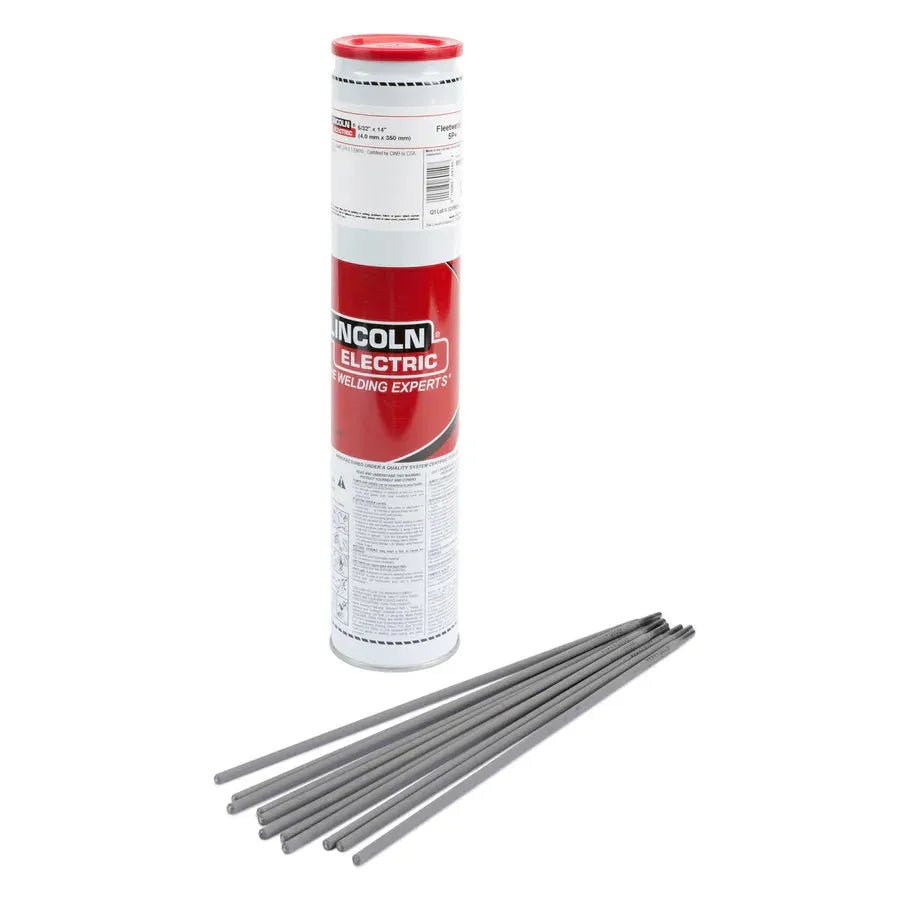
A stick rod is a metal wire coated in flux. You use it in a process called Shielded Metal Arc Welding (SMAW) or stick welding. The rod creates the weld and the flux protects the pool from air.
Stick welding does not need an external shielding gas. The flux coating makes its own shield when it melts. This is why stick rods are great for outdoor work, even in windy or dirty areas.
Key Features Of Stick Rods For Dirty Steel Outdoors
Not all stick rods are equal. Some work well on clean steel, but fail on dirty or rusty metal. The best rods for outdoor dirty steel should have:
- Strong arc stability – Helps keep the arc going, even through rust or paint.
- Deep penetration – Melts through dirt and rust to reach clean metal.
- Tolerant flux – Handles surface contamination better.
- Moisture resistance – Reduces chances of porosity in humid or damp air.
- Easy slag removal – Slag lifts off easily, even when the steel is not clean.
If you choose the wrong rod, you might get weak welds, holes, or cracks. The right rod can make the job much easier, even if your steel is far from perfect.
Best Stick Rods For Welding Dirty Steel Outdoors
Some stick rods have a long track record of success on dirty steel in outdoor conditions. Here are the top choices, with details on what makes each rod stand out.
1. 6010 Electrodes
6010 rods are famous for their deep penetration and fast freeze characteristics. They can burn through heavy rust, paint, and even light grease. The arc is strong and stable, even when the steel is not perfectly clean.
- Polarity: DC only
- Penetration: Very deep
- Slag removal: Moderate
- Common uses: Pipe welding, repair work, construction sites
6010 rods are the first choice for many pipeline welders who work outdoors. They are less common for home use because they need a DC-capable welder.
Non-obvious insight: 6010 rods can make a rough, spattery weld bead if you move too slow. Keep a steady hand and slightly whip the rod for best results.
2. 6011 Electrodes
6011 rods offer similar benefits to 6010 but work on both AC and DC welders. They are popular for farmers, field repairs, and anyone with a basic AC welder.
- Polarity: AC or DC
- Penetration: Deep
- Slag removal: Moderate
- Common uses: Farm equipment, fences, outdoor repairs
6011 rods are forgiving. They will burn through rust, mill scale, and dirt, making them ideal for old or poorly prepared steel.
Non-obvious insight: 6011 rods are easier to restart than 6010. If your rod sticks, a quick scratch will get the arc going again.
3. 7018 Electrodes
7018 rods are low-hydrogen electrodes. They make strong, smooth welds with less spatter. They are less tolerant of heavy rust or paint, but many welders use them outdoors when the steel is only lightly dirty.
- Polarity: AC or DC
- Penetration: Medium to deep
- Slag removal: Easy
- Common uses: Structural beams, bridges, critical repairs
7018 rods need the steel to be cleaner than 6010 or 6011 rods. They do best if you brush away the worst rust and dirt first.
Non-obvious insight: 7018 rods can absorb moisture from the air. Store them in a dry place, or use a rod oven, or you may get porosity.
4. 6013 Electrodes
6013 rods are a good choice for thin, lightly rusted steel. They have a soft arc and produce a nice, smooth bead. They do not penetrate as deeply as 6010 or 6011.
- Polarity: AC or DC
- Penetration: Shallow to medium
- Slag removal: Very easy
- Common uses: Sheet metal, auto body, light repairs
6013 rods work best if you can remove most paint and oil. They are not ideal for heavy rust.
5. 7014 Electrodes
7014 rods are iron powder rods. They run smoothly, even on dirty or painted steel, and fill gaps well.
- Polarity: AC or DC
- Penetration: Medium
- Slag removal: Easy
- Common uses: General repair, fabrication, thick joints
7014 rods are not as aggressive as 6010 or 6011 for deep rust, but they are better than 7018 on dirty steel.
6. 7024 Electrodes
7024 rods are high-speed rods, used for flat or horizontal welding. They handle light dirt but struggle with heavy rust.
- Polarity: AC or DC
- Penetration: Medium
- Slag removal: Very easy
- Common uses: Thick plate, large welds, fabrication
Use 7024 rods only if the steel is mostly clean, but they are useful for fast, heavy welds outdoors.
7. 6012 Electrodes
6012 rods are less common but useful for bridging gaps on dirty or rusty steel. They have a hot arc and can weld through thin surface rust.
- Polarity: AC or DC
- Penetration: Medium
- Slag removal: Moderate
- Common uses: Sheet metal, quick repairs
6012 rods do not make as strong a weld as 6010 or 6011, but they are handy for patchwork.
8. 6019 Electrodes
6019 rods are designed for better performance on rusty, painted, or oily steel. They are not as widely available, but they fill a gap between 6011 and 6013.
- Polarity: AC or DC
- Penetration: Medium
- Slag removal: Easy
- Common uses: Farm repairs, machinery
If you can find them, 6019 rods are a good backup for occasional use on dirty steel.
9. 7016 Electrodes
7016 rods are low-hydrogen like 7018 but offer better performance on steel with some surface rust. They provide a strong weld with less risk of cracking.
- Polarity: AC or DC
- Penetration: Medium
- Slag removal: Easy
- Common uses: Bridges, structural work, repair jobs
7016 rods are less common in hardware stores, but professionals use them for important outdoor welds.

Credit: www.arccaptain.com
Comparing Stick Rods For Dirty Steel
Here is a summary to help you compare the best rods for dirty steel outdoors:
| Rod | Penetration | Polarity | Best for | Works on Heavy Rust? |
|---|---|---|---|---|
| 6010 | Very Deep | DC | Pipe, Field Repairs | Yes |
| 6011 | Deep | AC/DC | General Repairs, Farm | Yes |
| 7018 | Medium-Deep | AC/DC | Structural, Clean Repairs | Light Rust Only |
| 6013 | Shallow-Medium | AC/DC | Thin Steel, Light Repairs | No |
| 7014 | Medium | AC/DC | General Fabrication | Light Rust |
| 7024 | Medium | AC/DC | Thick Plate, Flat Welds | Light Rust |
| 6012 | Medium | AC/DC | Patch, Sheet Metal | Light Rust |
| 6019 | Medium | AC/DC | Machinery, Repairs | Yes |
| 7016 | Medium | AC/DC | Bridges, Structural | Some Rust |
How To Choose The Right Stick Rod For Dirty Steel Outdoors
You should not pick a rod only by its number. Think about these points:
- Condition of steel: Is it covered in thick rust, light paint, or just dirty?
- Power source: Does your welder run on AC, DC, or both?
- Steel thickness: Thicker steel needs deep penetration.
- Type of repair: Is it a critical weld or just a quick fix?
- Weather: Are you welding in wind, rain, or dry weather?
Example Scenarios
- Farm equipment repair (heavy rust, outdoors, AC welder): 6011 is the best option. It burns through the rust and works with common AC welders.
- Bridge structure (light dirt, DC welder): 7018 or 7016 is a good choice. These rods provide strong welds but need mostly clean steel.
- Old fence repair (thick rust, thin metal, AC welder): Start with 6011, but if you burn through, try 6013 for better control on thin steel.
Real-world Rod Performance Data
Many welders test rods in real outdoor conditions. Here is a summary of common results:
| Rod | Average Weld Strength (psi) | Arc Stability (1-10) | Slag Removal (1-10) | Spatter Level |
|---|---|---|---|---|
| 6010 | 60,000 | 9 | 7 | High |
| 6011 | 60,000 | 8 | 7 | Medium |
| 7018 | 70,000 | 10 | 9 | Low |
| 6013 | 60,000 | 7 | 10 | Low |
| 7014 | 70,000 | 8 | 9 | Low |
Arc stability means how well the arc stays lit, even with bad steel. Slag removal scores how easy it is to chip off the protective layer after welding. Spatter shows how much molten metal sprays off the weld.
Common Mistakes When Welding Dirty Steel Outdoors
Even with the best rod, you can run into problems. Watch out for these mistakes:
- Not cleaning enough: Even the best rods need some prep. Use a wire brush to remove thick rust or paint.
- Wrong polarity: 6010 needs DC. 6011 works on AC or DC. If you use the wrong setting, you get a poor arc.
- Using a small rod on thick steel: Thin rods can’t melt deep enough into thick, dirty metal.
- Moving too slow: Slow travel can cause burn-through or excess spatter, especially with 6010 and 6011.
- Overheating the rod: If you run too hot, you get a messy weld and more spatter.
Practical tip: Start with a small test weld in a hidden spot. Check if the bead is strong and clean before you weld the main area.
How To Prepare Dirty Steel For Stick Welding Outdoors
You cannot always make steel perfectly clean, but a little prep makes a big difference:
- Wire brush: Scrub off loose rust, paint, and dirt.
- Grinder: Use it to remove thick rust or stubborn paint.
- Degreaser: Wipe away oil or grease.
- Dry the steel: Use a rag or torch to remove moisture.
Even five minutes of prep can double the strength of your weld.
Non-obvious insight: If you cannot reach all spots, focus on the edges where you start the weld. Penetration is highest there, so cleaning those points helps the rod burn through the rest.
Outdoor Welding Safety Tips
Welding outdoors brings extra risks. Stay safe with these steps:
- Wear proper gear: Use gloves, jacket, and a full-face helmet.
- Watch for wind: Sparks can fly farther outside. Clear flammable materials away.
- Work on dry ground: Wet areas can increase shock risk.
- Use a ground clamp: Make sure your ground connection is solid to avoid arc faults.
- Keep fire tools nearby: A fire extinguisher or water bucket can stop a small fire quickly.
Practical tip: Wind blocks or welding tents help shield your work area, improving arc quality and reducing safety risks.

Credit: oceanplayer.com
Best Stick Rod Brands For Dirty Steel
Not all brands make rods the same way. Some popular, reliable brands include:
- Lincoln Electric: Known for stable quality and wide selection.
- Hobart: Offers affordable, high-performing rods.
- Forney: Good for beginners and home use.
- ESAB: Widely used for industrial and field work.
- Weldcote Metals: Offers specialty rods like 6019 and 7016.
Always check the packaging for correct rod numbers and storage instructions. Some brands offer small sample packs for testing before you buy in bulk.
How To Store Stick Rods For Outdoor Use
Moisture is the enemy of stick rods. Here’s how to protect your rods:
- Keep in sealed containers: Use airtight plastic boxes.
- Store indoors: Avoid leaving rods in trucks or sheds.
- Use rod ovens: For 7018 and other low-hydrogen rods, store them at 250-300°F if possible.
- Check for rust: If the flux is cracked or flaking, the rod may not work well.
Poor storage is a leading cause of bad welds, even with the best rods.
Practical Examples: Choosing The Right Rod
Repairing A Rusty Trailer Frame
You find a thick layer of rust on an old trailer. You have an AC welder. Start with 6011 rods. Use a wire brush to remove the loose rust, then make a test weld. If the steel is very thin, switch to 6013 to avoid burning through.
Welding A Painted Gate In The Field
You need to fix a gate with old paint and some oil. 6011 rods will handle the paint and oil if you can’t clean it off. If you have a DC welder and want a smoother finish, try 6010, but remember it won’t run on AC.
Building A Farm Fence In Wet Weather
You have wet, dirty steel posts and only basic tools. 6011 rods are your best bet. They run well in less-than-ideal conditions and are easy to strike and restart.
Structural Beam In Windy Conditions
For a critical beam, clean the steel as much as you can. Use 7018 rods for the strongest weld. If the steel is still a bit rusty, try 7016 rods. Make sure to shield the area from wind if possible.
Stick Rod Selection Table For Outdoor Dirty Steel
Here is a simple table to help you quickly pick the best rod for your situation:
| Situation | Best Rod | Alternative Rod |
|---|---|---|
| Heavy Rust, AC Welder | 6011 | 6019 |
| Heavy Rust, DC Welder | 6010 | 6011 |
| Light Rust, Clean Weld Needed | 7018 | 7016 |
| Thin Steel, Dirty | 6013 | 6012 |
| Fast, Large Welds | 7024 | 7014 |
Use this as a quick reference before starting your job.
Credit: weldingmart.com
Frequently Asked Questions
What Is The Best Stick Rod For Welding Rusty Farm Equipment Outdoors?
The 6011 rod is usually the best choice for rusty farm equipment outdoors. It works on both AC and DC welders, burns through rust and paint, and gives a strong weld even if the steel is not perfectly clean.
Can I Use 7018 Rods On Dirty Steel Outside?
You can use 7018 rods on lightly dirty steel, but they work best if you clean the surface first. For heavy rust or paint, 6010 or 6011 rods will perform better. 7018 rods are more sensitive to moisture and need careful storage.
What Is The Difference Between 6010 And 6011 Rods?
6010 rods require DC power and have deeper penetration, making them ideal for thick rust or tough jobs. 6011 rods can run on AC or DC, are more available for home welders, and are easier to restart, but their weld bead is a bit softer.
How Do I Prevent Porosity When Welding Outdoors?
To prevent porosity, store your rods in a dry place, keep the steel as clean as possible, and avoid welding in rain or high wind. If you see holes or bubbles in your weld, moisture in the rod or steel is likely the cause.
Where Can I Learn More About Stick Welding And Rod Choices?
For more details and guides on stick welding electrodes, see the Shielded Metal Arc Welding page on Wikipedia. It explains rod types, welding tips, and safety.
Welding dirty steel outdoors is always a challenge. But with the right stick rod, a little prep, and some smart choices, you can get strong, safe, and lasting results. Choose your rod carefully, keep your tools ready, and always put safety first.