Disclosure: This post contains affiliate links and I will be compensated if you make a purchase after clicking through my links. Learn More
For the 6011 vs 6013 welding rod choice, pick 6011 when the steel is rusty, painted or dirty and you need deep penetration. Pick 6013 for clean sheet metal and light repair work where a smooth, good-looking bead matters more than depth.
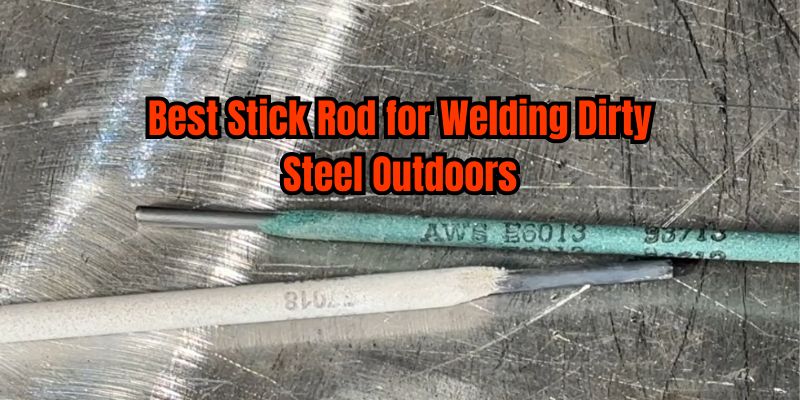
Both rods are mild steel electrodes in the AWS A5.1 system, and both run on AC or DC. The difference comes from the flux coating. 6011 uses a cellulosic coating with a punchy, digging arc. 6013 uses a rutile coating with a quiet arc and easy slag.
We pulled the numbers below from Lincoln Electric data sheets for Fleetweld 180 (E6011) and Fleetweld 37 (E6013), plus TWI’s technical notes on rutile and cellulosic electrodes.
6011 vs 6013 Welding Rod at a Glance
The quick answer: 6011 digs, 6013 looks clean. The table puts the main specs side by side.
| Feature | E6011 (Lincoln Fleetweld 180) | E6013 (Lincoln Fleetweld 37) |
|---|---|---|
| Coating type | Cellulosic | Rutile |
| Penetration | Deep | Medium |
| Arc | Punchy, digging, fast-freeze | Quiet, soft |
| Current | AC (preferred), DC+ or DC- | AC (preferred), DC+ or DC- |
| Positions | All | All, slag supports vertical down |
| 1/8 in amperage (AC) | 65 to 120 A | 110 to 140 A |
| Typical tensile strength | 83 to 86 ksi | 67 to 75 ksi |
| Diffusible hydrogen (coating family, per TWI) | 30 to 45 ml/100 g | Up to 25 ml/100 g |
| Best for | Dirty, rusty, painted or galvanized steel, farm repair | Clean sheet metal, short repair welds, neat beads |
What Is a 6011 Welding Rod?
A 6011 welding rod is a cellulosic mild steel electrode built for AC machines. In the welding rod numbers, the “60” means a minimum tensile strength of 60,000 psi, and the “1” means it runs in all positions.
Lincoln describes Fleetweld 180 as a “deep-penetrating, fast-freeze arc with light, easy-to-remove slag.” Lincoln’s product listing also says the arc burns through galvanized zinc, paint, light surface rust and oil.
That makes 6011 a common pick for farm equipment, field repair and small AC transformer welders. It’s not for stainless steel, cast iron, aluminum or alloy steels that need low hydrogen.
What Is a 6013 Welding Rod?
A 6013 welding rod is a rutile mild steel electrode with a soft arc and a smooth bead. It shares the same 60 ksi minimum strength and all-position rating as 6011.
Lincoln lists Fleetweld 37 for sheet metal, short welds that change position, and maintenance work. The data sheet calls out “Excellent bead appearance” and use with small AC welders that have low open circuit voltage.
TWI describes rutile electrodes as having a quiet arc, little spatter and a self-releasing slag. That’s why many hobby welders find 6013 easy to run on clean steel.
Key Differences Between 6011 and 6013
Penetration
6011 penetrates deeper. TWI rates cellulosic rods as “deep penetration” and rutile rods as “medium penetration.”
Deep penetration helps on thicker joints and on dirty steel. Medium penetration helps on thin sheet metal, where too much dig burns holes.
Arc and Spatter
The 6011 arc is harsh and forceful. TWI ties this punchy arc to the high hydrogen in the cellulosic coating.
The 6013 arc is softer and calmer, with little spatter. New welders often find it easier to hold a steady arc length with 6013.
Slag and Bead Appearance
6013 leaves a smooth bead and a slag that often peels off by itself. 6011 has a light slag that comes off easily but still needs a wire brush, per TWI.
If the weld will show on a finished project, 6013 usually gives the cleaner result with less cleanup.
Base Metal Condition
This is where 6011 wins. Lincoln lists Fleetweld 180 for plated, painted, dirty or greasy steel and for weathered field repairs where you can’t clean the joint well.
6013 works best on clean steel. Grind off rust, mill scale and paint first for sound fusion.
Amperage Range
At the same diameter, 6013 runs hotter on the Lincoln data sheets. A 1/8 in Fleetweld 37 runs 110 to 140 A on AC, and a 1/8 in Fleetweld 180 runs 65 to 120 A.
| Diameter | E6011 Fleetweld 180 (AC) | E6013 Fleetweld 37 (AC) |
|---|---|---|
| 3/32 in | 40 to 90 A | 75 to 115 A |
| 1/8 in | 65 to 120 A | 110 to 140 A |
| 5/32 in | 115 to 150 A | 160 to 200 A |
These are Lincoln’s typical ranges. Other brands differ, so check the label on your box before you strike an arc.
Strength and Hydrogen
Both classes meet the 60 ksi minimum. Lincoln’s typical as-welded tensile numbers come out higher for Fleetweld 180 (83 to 86 ksi) than for Fleetweld 37 (67 to 75 ksi).
Neither rod is low hydrogen. TWI puts cellulosic coatings at 30 to 45 ml of hydrogen per 100 g of weld metal and rutile coatings at up to 25 ml. For crack-sensitive or code structural work, a low-hydrogen rod such as 7018 is the usual choice.
Where Each One Fits
6011 fits outdoor repair, farm gates, trailers, rusty brackets and old painted steel. It also fits AC-only transformer welders and out-of-position welds where a fast-freeze puddle helps.
6013 fits clean sheet metal, light fabrication, garden projects, and short repair welds that change position. It suits home shops where looks matter and the steel is fresh.
If you weld galvanized or painted steel with 6011, the coating burns off as fume. Lincoln advises welding in a well-ventilated area or wearing respiratory protection.
Which One Should You Choose?
Base the choice on the steel you have and the finish you want.
Choose 6011 if:
- The steel is rusty, painted, oily or galvanized and you can’t clean it well
- You need deep penetration on a thicker joint
- You run a small AC welder and weld outdoors or out of position
- Bead looks don’t matter much
Choose 6013 if:
- The steel is clean and fairly thin
- You want a smooth bead with little spatter and easy slag
- You’re doing light fabrication or home shop projects
- You want a soft arc that’s easy to control as a beginner
For structural or code work, many welders skip both and compare 6010 vs 6011 vs 7018 instead, because 7018 is a low-hydrogen rod.
Frequently Asked Questions
Is 6011 or 6013 better for beginners?
Many beginners find 6013 easier because the arc is soft, spatter is low and the slag often peels off by itself. 6011 takes more practice to control, but it teaches you to handle a digging arc. Start with 6013 on clean scrap, then try 6011 on dirty steel.
Can you weld rusty metal with 6013?
You can, but results are poor on heavy rust. 6013 has medium penetration, so rust and scale can cause poor fusion. Grind the joint to bright metal first. For rusty or painted steel you can’t clean, Lincoln lists 6011 (Fleetweld 180) for that kind of job.
Is 6011 stronger than 6013?
Both classes meet the same 60 ksi minimum tensile strength. On Lincoln’s data sheets, Fleetweld 180 (6011) shows typical tensile of 83 to 86 ksi and Fleetweld 37 (6013) shows 67 to 75 ksi. Real joint strength depends more on fusion and technique than on these numbers.
Can you run 6011 and 6013 on DC?
Yes. Lincoln lists AC as the preferred current for both Fleetweld 180 and Fleetweld 37, with DC+ and DC- also allowed. Amperage ranges on DC are a little lower than on AC for the same diameter, so check the data on your box before setting the machine.
What amperage for 1/8 6013 rod?
Lincoln lists 110 to 140 A on AC and 100 to 135 A on DC for a 1/8 in Fleetweld 37 (E6013). Start near the middle of the range, then adjust for plate thickness and position. Other brands publish their own ranges, so read the label on your electrode box first.
Final Words
The 6011 vs 6013 welding rod decision comes down to the steel in front of you. Dirty, rusty or painted steel calls for 6011 and its deep, digging arc.
Clean sheet metal and visible welds call for 6013 and its soft arc and smooth bead. Keep a small box of each in the shop and you’ll cover most mild steel repair jobs.