Disclosure: This post contains affiliate links and I will be compensated if you make a purchase after clicking through my links. Learn More
Welding rods, often called electrodes, play a key role in producing strong welds. Choosing the right rod matters if you want a reliable, clean, and lasting joint. Many welders, especially those new to stick welding, often ask about three common rods: 6010, 6011, and 7018. Each of these rods has its own strengths, weaknesses, and uses. Picking the wrong one can mean weak welds, cracks, or wasted time.
If you want to pick the best rod for your project, you need to know what makes each one different. This guide explains everything about 6010, 6011, and 7018 rods. You will learn how each rod works, what jobs suit them, and how to compare their results. I will also share tips that most beginners miss, so you can avoid common mistakes and get professional results.
What Do 6010, 6011, And 7018 Mean?
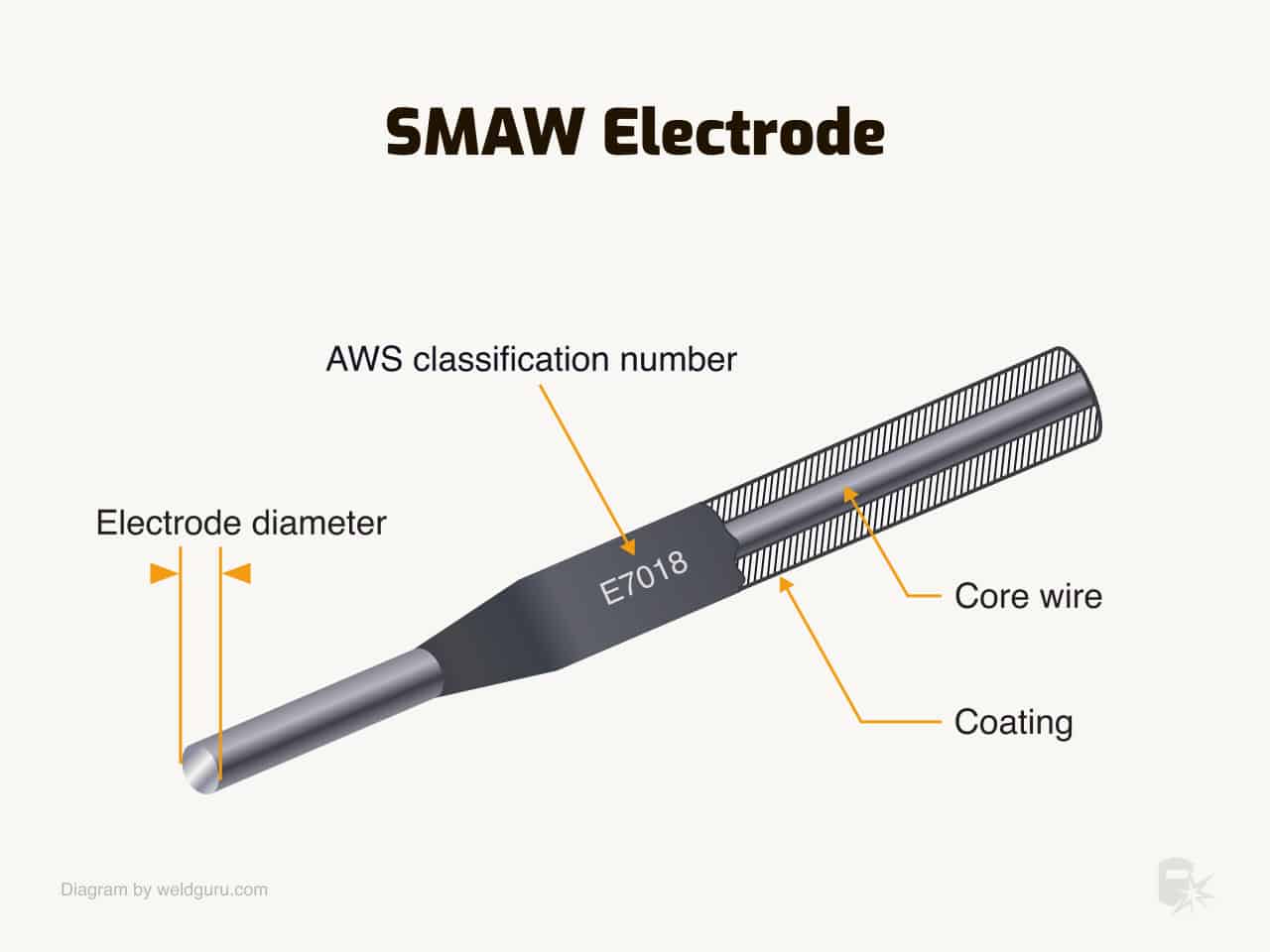
Each rod’s number tells you important facts. The first two digits show the rod’s tensile strength in thousands of pounds per square inch (PSI). The third digit tells you the position you can weld in, and the last digit gives clues about the coating and current.
- 6010: 60,000 PSI strength, all-position, special coating for direct current.
- 6011: 60,000 PSI strength, all-position, different coating for both AC and DC.
- 7018: 70,000 PSI strength, all-position, low hydrogen coating for clean, strong welds.
These numbers help you match each rod to your project’s needs. For example, 7018 is stronger than 6010 or 6011. But strength is not the only factor. The rod’s coating and current types also decide how the weld turns out.
6010 Rods: Features, Uses, And Tips
Features Of 6010 Rods
The 6010 rod is famous for deep penetration and a quick, forceful arc. It has a cellulose sodium coating. This makes it suitable for welding dirty, rusty, or painted steel. It works with DC (direct current) only.
- Tensile strength: 60,000 PSI
- Polarity: DC only
- Welding position: All positions (flat, horizontal, vertical, overhead)
- Coating type: High cellulose sodium
This rod is tough and can handle poor conditions. The arc cuts through rust and old paint, so you don’t need perfectly clean metal.
Common Uses For 6010 Rods
Welders use 6010 for:
- Pipe welding: It makes strong root passes in pipeline work.
- Repair jobs: It joins old, dirty, or rusty steel fast.
- Farm equipment repair: It handles outdoor repairs where metal is not clean.
- Structural steel: It works on bridges and buildings, especially for root passes.
Advantages And Disadvantages
Advantages:
- Deep penetration: Welds thick and dirty materials.
- Good for root passes: Seals the first layer in pipe welding.
- Works in all positions: Handy for vertical or overhead welds.
Disadvantages:
- Only DC machines: You can’t use it with AC-only welders.
- Rough finish: The bead is not smooth, so you may need to grind after.
- Hard to use for beginners: The arc is strong and can burn through thin metal.
Pro Tips For Using 6010
- Keep a tight arc to avoid holes.
- Use “whip and pause” motion for better control.
- Clean the slag before adding more passes.
6010 rods often fail if you drag them too fast or slow. Many beginners miss that arc length changes the bead’s look and the weld’s strength.
6011 Rods: Features, Uses, And Tips
Features Of 6011 Rods
The 6011 rod is almost like 6010 but has some key differences. It has a cellulose potassium coating, which lets it run on both AC and DC. That means you can use it with more welding machines.
- Tensile strength: 60,000 PSI
- Polarity: AC and DC
- Welding position: All positions
- Coating type: High cellulose potassium
This rod gives a strong, stable arc even if the power source is basic.
Common Uses For 6011 Rods
6011 is a favorite for:
- General repairs: Fixing fences, gates, and trailers, especially on farms.
- Old machinery: Welds on dirty, corroded, or oily steel.
- Outdoor work: Handles wind and bad weather better than some rods.
- Thin and thick steel: Flexible for many thicknesses.
Advantages And Disadvantages
Advantages:
- Works with AC and DC: Fits more welders.
- Deep penetration: Welds through surface dirt and rust.
- All-position welding: Useful for hard-to-reach spots.
Disadvantages:
- Rough bead: Not as smooth as 7018.
- More spatter: You may need to clean up after.
- Slag can be hard to remove: Needs more effort to chip off.
Pro Tips For Using 6011
- Adjust your speed to match the metal’s thickness.
- Use short, controlled motions to avoid undercutting.
- Clean slag well before extra passes.
A lot of beginners think 6011 will always work on thin metal, but it can still burn through if you set the amps too high. Start low and increase slowly.
7018 Rods: Features, Uses, And Tips
Features Of 7018 Rods
The 7018 rod stands out for its high strength and smooth welds. It has a low-hydrogen iron powder coating, which helps prevent cracks and makes clean, neat welds. It works with both AC and DC, but needs more care with storage.
- Tensile strength: 70,000 PSI
- Polarity: AC and DC
- Welding position: All positions
- Coating type: Low hydrogen iron powder
Low hydrogen means less risk of hydrogen-induced cracking. This is important for critical jobs.
Common Uses For 7018 Rods
Welders pick 7018 for:
- Structural welding: Used on buildings, bridges, and pressure vessels.
- Trailers and frames: Where strength and a clean look matter.
- Repairing heavy equipment: Good for thick, clean steel.
- High-strength projects: Any job where weld failure is not an option.
Advantages And Disadvantages
Advantages:
- High strength: 70,000 PSI, stronger than 6010 or 6011.
- Smooth bead: Looks clean, often needs no grinding.
- Low hydrogen: Less risk of cracking, better for critical welds.
- Less spatter: Easier cleanup.
Disadvantages:
- Metal must be clean: Oil, rust, or paint can cause weld flaws.
- Rod must be dry: Moisture ruins the low hydrogen effect.
- Not as good for dirty steel: Can fail if the base metal isn’t clean.
Pro Tips For Using 7018
- Store rods in a rod oven or airtight container.
- Clean the base metal well before welding.
- Use a slight drag or “push” technique for best results.
Many new welders don’t realize that 7018 rods can absorb moisture quickly. If you use a damp rod, the weld can crack, even weeks later. Always check for moisture.

Credit: www.thefabricator.com
Comparing 6010, 6011, And 7018 Side By Side
It helps to see the differences in a clear way. Here is a comparison showing the key points:
| Rod Type | Tensile Strength (PSI) | Current Type | Penetration | Best For | Weld Bead | Metal Cleanliness Needed |
|---|---|---|---|---|---|---|
| 6010 | 60,000 | DC Only | Deep | Pipes, repairs, dirty steel | Rough | Low |
| 6011 | 60,000 | AC/DC | Deep | Repairs, farm, general | Rough | Low |
| 7018 | 70,000 | AC/DC | Medium | Structures, frames, clean steel | Smooth | High |
This table shows that 6010 and 6011 are great for deep penetration and dirty steel, while 7018 excels at clean, strong, neat welds on clean steel.
Key Factors For Choosing The Right Rod
1. Strength Needed
If your project needs high strength (like a trailer frame or building support), 7018 is the best. For general repairs or farm gates, 6010 or 6011 are usually strong enough.
2. Power Source
Some welders only run on AC (like many home stick welders). If you have AC, 6011 and 7018 work. If you have DC, all three rods are an option.
3. Metal Condition
- Dirty, rusty, or painted steel: Use 6010 or 6011.
- Clean, ground steel: Use 7018 for the best strength and look.
4. Welding Position
All three rods work in all positions, but some are easier for vertical or overhead work. 6010 and 6011 are more forgiving for out-of-position welds.
5. Weld Appearance
If you want a clean, smooth bead that needs little grinding, pick 7018. If appearance is not a big deal, 6010 or 6011 will do.
6. Storage And Handling
7018 rods are sensitive to moisture. You must store them in a rod oven or airtight box. If you can’t do that, stick with 6010 or 6011.
7. Cost And Availability
All three rods are widely sold and affordable. 7018 may cost a bit more due to its special coating.
Practical Examples
Example 1: Farm Gate Repair
Suppose you need to fix a rusty, old farm gate. The steel is thin, corroded, and you only have an AC stick welder.
Best choice: 6011. It works with AC, handles rust, and penetrates well. Set a low amp, use fast travel, and clean after welding.
Example 2: Building A Trailer Frame
You are making a trailer frame out of new, thick steel. Strength and appearance are important. You have an AC/DC welder.
Best choice: 7018. It gives a clean bead and strong welds, perfect for structural parts. Clean the steel first, store rods properly.
Example 3: Pipeline Root Pass
You need to weld a root pass on a pipeline. The weld must penetrate deep and seal well. You have a DC machine.
Best choice: 6010. It bites deep into the steel and works well for root passes. Use whip and pause for best control.
Example 4: Outdoor Fence Repairs
You have to fix metal fences outside, in windy weather, using a basic AC welder.
Best choice: 6011. It works in all positions, handles wind better than 7018, and is less sensitive to dirty steel.
Example 5: Repairing Heavy Equipment
You are fixing a loader bucket or other heavy machinery. The steel is thick, but you can clean it well.
Best choice: 7018. You get a strong, crack-free weld, needed for tough jobs. Store rods dry.
Common Mistakes When Choosing Rods
- Ignoring the power source: Many new welders buy 6010 but have only AC machines. 6010 won’t work with AC.
- Not cleaning the metal: Using 7018 on dirty steel leads to weak welds and cracks.
- Wrong storage: Leaving 7018 rods out in the open lets them absorb moisture, causing weld defects.
- Wrong settings: Using too high or low amps causes poor penetration or burn-through.
- Not matching rod to job: Picking 6011 for a pressure vessel or 7018 for rusty farm equipment can cause weld failure.

Credit: www.youtube.com
Table: Rod Selection Quick Guide
Here is a simple guide to help you select the right rod for a typical job:
| Project Type | Best Rod | Why |
|---|---|---|
| Rusty, dirty steel repair | 6010 or 6011 | Penetrates rust and paint |
| New structural steel | 7018 | High strength, neat bead |
| Outdoor welding (windy) | 6011 | Handles wind, AC or DC |
| Pipe root pass (DC) | 6010 | Deep root weld, forceful arc |
| Farm equipment (AC welder) | 6011 | Works with AC, easy to use |
Non-obvious Insights Most Beginners Miss
- Moisture sensitivity of 7018: Many new welders don’t realize that even a few hours in humid air can ruin 7018 rods. Always keep them dry or they lose their low-hydrogen advantage.
- Amperage matters as much as rod choice: Picking the right rod is only half the battle. If you set the wrong amps, any rod can fail. Always check the manufacturer’s recommended range.
- Rod diameter affects results: Thicker rods are for thicker steel and higher amps. Using a large rod on thin metal often causes burn-through.
- “All-position” doesn’t mean easy: While all three rods are rated for all positions, some (like 7018) take more skill for vertical or overhead work.
- Slag removal is key for multi-pass welds: With 6010 and 6011, if you don’t fully remove the slag, the next weld can trap it, causing weak spots.
Choosing For Special Situations
Welding Thin Metals
For sheet metal or thin tubing, use a small diameter 6011 rod at the lowest amp setting possible. Move fast to avoid burn-through.
Welding In Bad Weather
6011 works better in wind and rain than 7018, which can produce poor welds if the coating gets wet.
Critical Structural Projects
Always use 7018 for structural beams, pressure vessels, or anything under heavy load. Clean the metal, use the right settings, and keep rods dry.
Quick Repairs With Old Equipment
If you have a basic, old AC welder and need a quick fix, 6011 is your friend. It’s forgiving and gets the job done.
Frequently Asked Questions
What Is The Main Difference Between 6010, 6011, And 7018 Rods?
The main differences are in current type, penetration, and weld appearance. 6010 is for DC only, 6011 works with AC or DC, and 7018 is low hydrogen with a smooth bead for clean steel.
Can I Use 7018 Rods On Rusty Or Painted Metal?
No. 7018 rods need clean, bare steel. Rust, paint, or oil will cause weak welds and cracks. Clean the metal before using 7018.
Why Is 7018 Called A Low Hydrogen Rod?
The coating on 7018 keeps hydrogen out of the weld, reducing the risk of cracks. This is important for structural and pressure projects.
What Happens If I Use A Wet 7018 Rod?
A wet 7018 rod loses its low hydrogen effect. The weld can crack, have pores, or fail under stress. Keep rods dry in a rod oven or airtight box.
Where Can I Learn More About Welding Rods And Standards?
You can find more details about welding rods and their standards at the Wikipedia page on Shielded Metal Arc Welding.
Credit: weldguru.com
Final Thoughts
Choosing between 6010, 6011, and 7018 rods is not just about picking a number. Each rod has its best use, strengths, and limits. Think about your welder, the metal’s condition, and the job’s demands. If you need deep penetration and can use DC, 6010 is a solid choice. If you want flexibility and have only AC, 6011 is reliable. When strength and a clean look matter, and you can keep things dry and clean, 7018 is the top pick. Test each rod, learn their quirks, and you’ll get welds that last.