Disclosure: This post contains affiliate links and I will be compensated if you make a purchase after clicking through my links. Learn More
Welding is a skill that shapes bridges, cars, buildings, and many everyday tools. At the center of most welding jobs are two types of welding wires: solid wire and flux core wire. These wires look similar, but they work differently and give different results. If you want to choose the right wire for your project, you need to understand how they compare.
Many welders, beginners and experts, ask which one is better. The answer depends on what you need. Each wire type has strengths and weaknesses for different jobs. If you use the wrong wire, you can get poor welds, make more mistakes, or spend too much on supplies.
This article explains the difference between solid wire and flux core wire in detail. You will learn how each wire works, their pros and cons, where they work best, and important tips that many beginners miss. Real examples and data will help you choose the best wire for your job and avoid common mistakes.
What Is Solid Wire?
Solid wire is a single, smooth metal wire. It is also called solid MIG wire because welders often use it with a MIG (Metal Inert Gas) welding machine. This wire is made only from metal, usually mild steel, stainless steel, or aluminum. It needs a shielding gas during welding to protect the hot weld from air.
Solid wire is popular in factories and repair shops. It is the first choice for many projects because it makes clean and neat welds. The wire comes on spools and fits inside most MIG welding guns.
How Does Solid Wire Work?
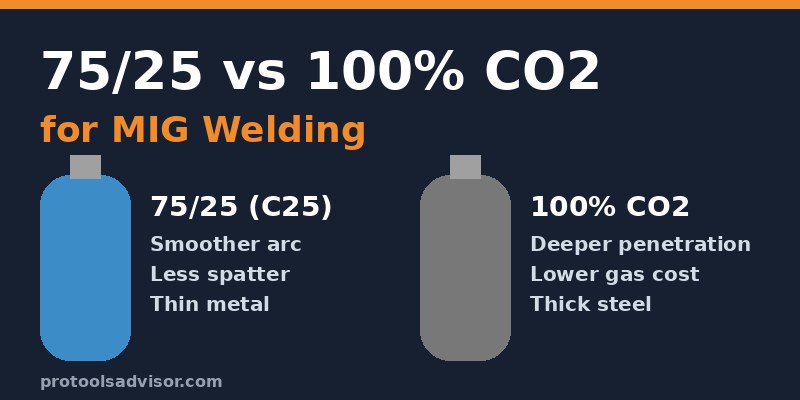
When you weld with solid wire, the machine feeds the wire through the welding gun. The gun also releases a gas—usually a mix of argon and CO2—around the wire. This gas makes a shield that protects the weld from oxygen and other gases in the air, which can cause weak welds or holes.
Solid wire melts and joins two pieces of metal together. The shielding gas ensures the weld stays clean and strong.
When Do People Use Solid Wire?
Solid wire is best for:
- Welding thin or medium-thick metals (like car bodies, furniture, or thin steel sheets)
- Indoor work, where wind cannot blow away the shielding gas
- Projects that need smooth, clean-looking welds
- Automated or robotic welding in factories
Types Of Solid Wire
There are several types, each for specific metals:
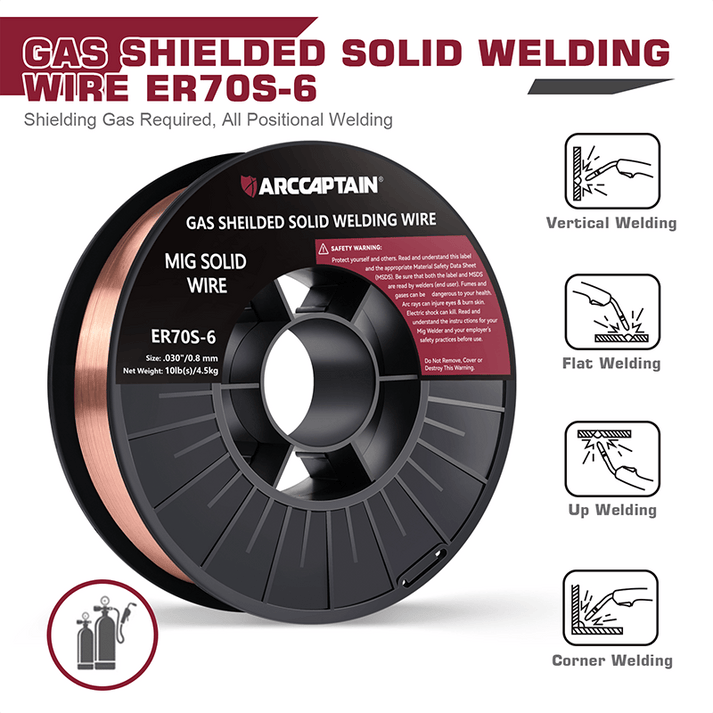
- ER70S-6: For mild steel; very common
- ER308L: For stainless steel
- ER4043: For aluminum
Always match the wire type to the metal you want to weld.
What Is Flux Core Wire?
Flux core wire looks like solid wire but is hollow. Inside, it has a powdery substance called flux. This flux melts during welding and produces a gas that protects the weld. You do not need an extra gas tank.
Flux core wire is popular for outdoor work and repairs. It can handle dirty or rusty metal better than solid wire. Many beginners like it because it is simple and works with smaller, cheaper welding machines.
How Does Flux Core Wire Work?
The wire feeds through the welding gun, just like solid wire. As the wire melts, the flux inside creates a gas shield around the weld. This shield protects the weld from air, even if there is wind.
After welding, a layer of slag forms on top of the weld. You need to chip or brush this off to see the finished weld. The slag helps protect the weld as it cools but adds an extra step.
When Do People Use Flux Core Wire?
Flux core wire is best for:
- Welding outdoors, where wind can blow away normal shielding gas
- Working with dirty, rusty, or painted metal
- Projects that need deep, strong welds (like fences, trailers, or heavy equipment)
- Quick repairs or farm work
Types Of Flux Core Wire
There are two main types:
- Self-shielded (FCAW-S): No gas tank needed; best for outside or simple jobs
- Gas-shielded (FCAW-G): Needs a gas tank; used for heavy industry
Most hobby welders use the self-shielded type.
Credit: www.arccaptain.com
Key Differences Between Solid Wire And Flux Core Wire
Many people think these wires are almost the same, but they have big differences. The best choice depends on your job, your skills, and your budget.
Below is a detailed comparison of their main differences:
| Feature | Solid Wire | Flux Core Wire |
|---|---|---|
| Shielding Method | Requires external gas (argon/CO2) | Flux in the wire creates its own gas |
| Weld Appearance | Smooth, clean, minimal spatter | Rougher, more spatter, needs slag removal |
| Outdoor Use | Poor (gas shield can blow away) | Excellent (works in wind) |
| Metal Cleanliness | Needs clean metal | Can handle rust, paint, or dirt |
| Thickness of Weld | Best for thin to medium metals | Handles thick metals well |
| Ease of Use | Simple for clean, indoor jobs | Good for beginners, especially outdoors |
| Cost | Cheaper wire, but extra cost for gas | Wire is costlier, but no gas needed |
| Post-Weld Cleaning | Minimal | Must remove slag |
1. Shielding System
Solid wire needs a gas tank and a regulator. This adds weight and cost. Flux core wire makes its own shield, so you do not need gas. This makes flux core setups lighter and easier to move.
2. Weld Quality
Solid wire makes very clean welds. The welds look smooth and need little cleaning. Flux core welds are rougher and have more splatter. Slag covers the weld and must be removed after.
3. Work Environment
Solid wire is best indoors. If wind blows away the shielding gas, the weld becomes weak and has holes. Flux core wire can work outside, in wind or even light rain, because its gas comes from inside the wire.
4. Metal Preparation
Solid wire needs clean, shiny metal. Any rust, paint, or oil can ruin the weld. Flux core wire can burn through dirt or rust, making it good for farm tools and repairs.
5. Thickness Of Material
Solid wire works best on thin to medium-thick metals (about 1/16″ to 1/4″). Flux core wire can weld thicker metals (even up to 1/2″) in a single pass.
6. Speed And Productivity
Flux core wire can weld faster and with more power than solid wire. This is why big factories often use flux core for heavy steel.
7. Cost
Solid wire is cheap, but you must buy gas. Flux core wire is more expensive by itself, but since it needs no gas, the total cost may be less for small jobs.
8. Post-weld Cleaning
Solid wire welds need little cleaning. Flux core welds leave slag, which you must remove with a hammer or brush.
Pros And Cons Of Solid Wire
Solid wire is popular, but it is not always the best. Here are the main advantages and disadvantages.
Advantages
- Smooth, clean welds: The welds look neat and are easy to paint or finish.
- Little spatter: Less mess means less cleaning.
- Easy to control: Good for beginners working indoors.
- Good for thin metals: Does not burn through easily.
- Works well with automated welding: Machines can use it for fast, repeatable welds.
Disadvantages
- Needs shielding gas: Adds cost and makes the setup heavier.
- Poor outdoor use: Wind can ruin the weld.
- Needs clean metal: Cannot handle rust, paint, or dirt.
- Not ideal for very thick metal: May not give deep penetration.

Credit: www.youtube.com
Pros And Cons Of Flux Core Wire
Flux core wire is tough and flexible, but it also has some downsides.
Advantages
- No need for gas tank: Easier to move; cheaper for small jobs.
- Works outside: Wind does not affect the weld.
- Can weld dirty metal: Great for repairs or old steel.
- Good for thick metal: Gives deep, strong welds.
- Faster welding: More power for big jobs.
Disadvantages
- More spatter: Welds are rough and messy.
- Slag to remove: Extra step after welding.
- Not as clean looking: May need grinding to look smooth.
- Wire is more expensive: Costs more per spool than solid wire.
Applications: Where Each Wire Works Best
Choosing the right wire saves time and money. Here are some common uses for each type.
Solid Wire Uses
- Car repairs and bodywork: Thin steel panels weld cleanly.
- Furniture and art: Smooth finish is easy to paint or polish.
- Factory production lines: Automated robots need predictable results.
- General metal work indoors: Light to medium steel structures.
Flux Core Wire Uses
- Outdoor construction: Fences, gates, and repair work in the field.
- Farm equipment: Can weld rusty or dirty machinery.
- Heavy steel: Beams, trailers, and thick metal plates.
- Quick repairs: No need for gas or perfect cleaning.
Practical Examples And Mistakes To Avoid
Even skilled welders sometimes choose the wrong wire or make simple mistakes. Here are real examples and tips you might not find in basic guides.
Example 1: Welding A Car Panel
A hobbyist wants to fix a car door outside on a windy day. They use flux core wire because solid wire welds would get ruined by the wind. But after welding, they find the weld is rough and needs a lot of grinding before painting.
The best choice would be to weld inside with solid wire, or, if outside, accept the extra cleaning needed after flux core welding.
Example 2: Building A Steel Gate
A farmer needs to weld a heavy steel gate. The metal is rusty and cannot be cleaned perfectly. Flux core wire works well here. It burns through the rust, gives a strong weld, and works even if the wind is blowing.
Example 3: Factory Robot Welder
A factory uses robots to weld thousands of thin steel parts every day. Solid wire gives clean welds and works with the automated system. Flux core would make too much slag, slowing down the robot as it stops for cleaning.
Common Mistakes
- Using solid wire outside without a windscreen: The gas blows away and the weld gets holes.
- Trying to weld thick metal with solid wire: The weld may not be strong enough.
- Not removing slag after flux core welding: Paint or coatings will not stick, and rust can form under the slag.
- Not matching wire type to metal: For example, using steel wire on aluminum will fail.
Technical Differences: Wire Construction And Chemistry
Many people overlook the small details in wire design. Solid wire is just metal, but flux core wire is more complex.
Solid Wire Details
- Uniform structure: Made from a single metal alloy.
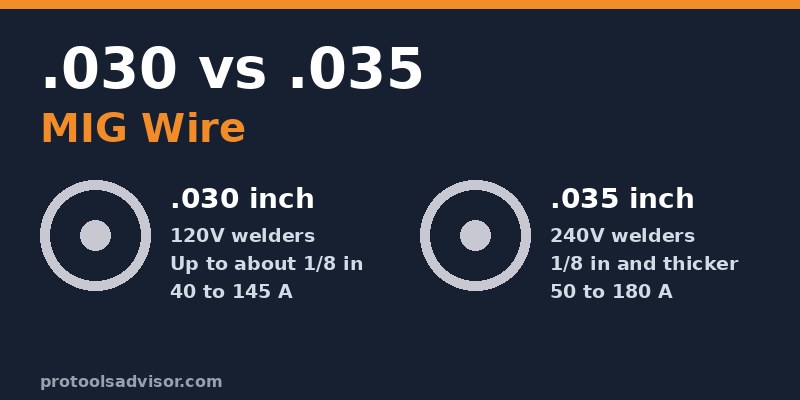
- Diameter: Common sizes are 0.023″, 0.030″, and 0.035″.
- Copper coating: Most solid wires have a thin copper layer to reduce rust and help the wire feed smoothly.
Flux Core Wire Details
- Hollow core: The wire is a tube filled with flux.
- Special flux formulas: The flux can include deoxidizers, stabilizers, and metals to make the weld stronger.
- Thicker sizes: Common sizes are 0.030″, 0.035″, and 0.045″.
- More fumes: The flux creates more smoke and fumes, so good ventilation is important.
| Specification | Solid Wire | Flux Core Wire |
|---|---|---|
| Typical Diameter (inches) | 0.023 – 0.035 | 0.030 – 0.045 |
| Wire Structure | Solid metal | Metal sheath + flux core |
| Fume Production | Low | High |
| Feeding Issues | Rare | Possible (because of hollow core) |

Credit: www.arccaptain.com
Choosing Between Solid Wire And Flux Core Wire
The choice is not always easy. Think about these factors before you decide:
- Where will you weld? Indoors (solid wire) or outdoors (flux core)?
- Is the metal clean or dirty? Clean (solid wire) or rusty/painted (flux core)?
- How thick is the metal? Thin (solid wire) or thick (flux core)?
- Do you need fast, strong welds? Flux core is faster for heavy work.
- What is your budget? Solid wire is cheaper, but needs gas. Flux core is costlier per spool, but saves on gas.
Non-obvious Tips
- Wire drive tension: Flux core wire is softer and can kink if the drive rollers are too tight. Loosen them a bit for smoother feeding.
- Gasless vs. gas flux core: Self-shielded (gasless) flux core is great for repairs, but gas-shielded flux core welds are cleaner and stronger for big jobs.
- Polarity matters: Flux core wire usually needs DCEN (Electrode Negative), while solid wire uses DCEP (Electrode Positive). Set your welder correctly, or the weld will be weak.
Health And Safety Considerations
Both wires create heat, light, and fumes. Flux core wire produces more smoke and fumes because of the flux. Always use good ventilation and wear a welding helmet, gloves, and long sleeves.
- Fume extraction: If you weld indoors with flux core, use a fan or fume extractor.
- Eye protection: Both wires give off bright UV light. Never weld without a helmet.
- Burn risk: Slag from flux core welding can pop off and burn skin. Solid wire makes less slag, but still gets hot.
Which One Is Better For Beginners?
Both wires can work for beginners, but each has trade-offs.
- Solid wire is easier indoors, gives nicer welds, and has less cleaning. But you need a gas tank and clean metal.
- Flux core wire is more forgiving outdoors and with dirty metal. It is cheaper to start (no gas), but the welds are messier and need cleaning.
Many beginners start with flux core because it is simple and works in most places. If you want to do car repairs or art, solid wire is a better choice.
Cost Comparison: Wire, Gas, And Equipment
People often look only at the wire price, but the full cost includes more.
| Cost Factor | Solid Wire | Flux Core Wire |
|---|---|---|
| Wire Price (per lb) | $3 – $5 | $8 – $12 |
| Shielding Gas | $40 – $60 for a tank | None needed |
| Welder Price | $350 – $1000 | $200 – $700 |
| Accessories | Gas regulator, hoses | None extra |
For small projects, flux core is often cheaper. For big, repeated work, solid wire costs less over time.
Environmental Impact
Solid wire creates less smoke and fumes. Flux core wire creates more, because of the burning flux. If you care about air quality or work in a small space, solid wire is the cleaner option.
Always recycle leftover wire and spools, and store them dry to prevent rust.
Solid Wire And Flux Core Wire: Myths And Facts
Many myths confuse people. Here are some common ones:
- Myth: Flux core is only for beginners.
- Fact: Many pros use flux core for heavy, outdoor, or repair work.
- Myth: Solid wire always makes better welds.
- Fact: On dirty or thick metal, flux core can make a stronger weld.
- Myth: You can’t use flux core in a MIG welder.
- Fact: Most MIG welders can use both types, but you may need to change settings.
- Myth: Flux core wire is weaker than solid wire.
- Fact: Many flux core wires are stronger and allow deeper welds.
Frequently Asked Questions
What Is The Main Difference Between Solid Wire And Flux Core Wire?
Solid wire is a single metal strand and needs a separate shielding gas during welding. Flux core wire is hollow with flux inside, which creates its own shield as it melts. Solid wire gives cleaner welds, but flux core works better outdoors or on dirty metal.
Can I Use Flux Core Wire In Any Mig Welder?
Most MIG welders can use flux core wire, but you must change the polarity and remove the gas tank. Check your welder manual before switching.
Is Flux Core Wire Stronger Than Solid Wire?
Flux core wire can make stronger welds, especially on thick or dirty metal. For thin, clean metal, both types can be equally strong if used correctly.
Do I Need To Remove Slag After Flux Core Welding?
Yes, always remove the slag after flux core welding. The slag protects the weld as it cools, but it must be chipped or brushed off before painting or using the part.
Which Is Cheaper For Home Use: Solid Wire Or Flux Core Wire?
For small, one-time projects, flux core is often cheaper because you do not need to buy a gas tank. For repeated, large jobs, solid wire can be cheaper in the long run.
Welding is a craft that rewards careful choices. Whether you pick solid wire or flux core wire, knowing their differences will help you get better results and avoid mistakes. Each wire type has a place in a welder’s toolkit. If you want to learn more about welding wire standards, see this detailed guide for deeper information. Choose wisely, stay safe, and keep practicing for stronger, cleaner welds every time.