Disclosure: This post contains affiliate links and I will be compensated if you make a purchase after clicking through my links. Learn More
Welding joins metals using intense heat, but this process changes more than just the surface. The area next to the weld, called the Heat Affected Zone (HAZ), experiences many changes. These changes can affect how strong and safe the final structure is. Many welders and engineers focus on the weld itself, but the HAZ is just as important. If you ignore it, you may face unexpected failures or weak points. This article explains what happens in the heat affected zone during welding, why it matters, and how to control its effects.
What Is The Heat Affected Zone (haz)?
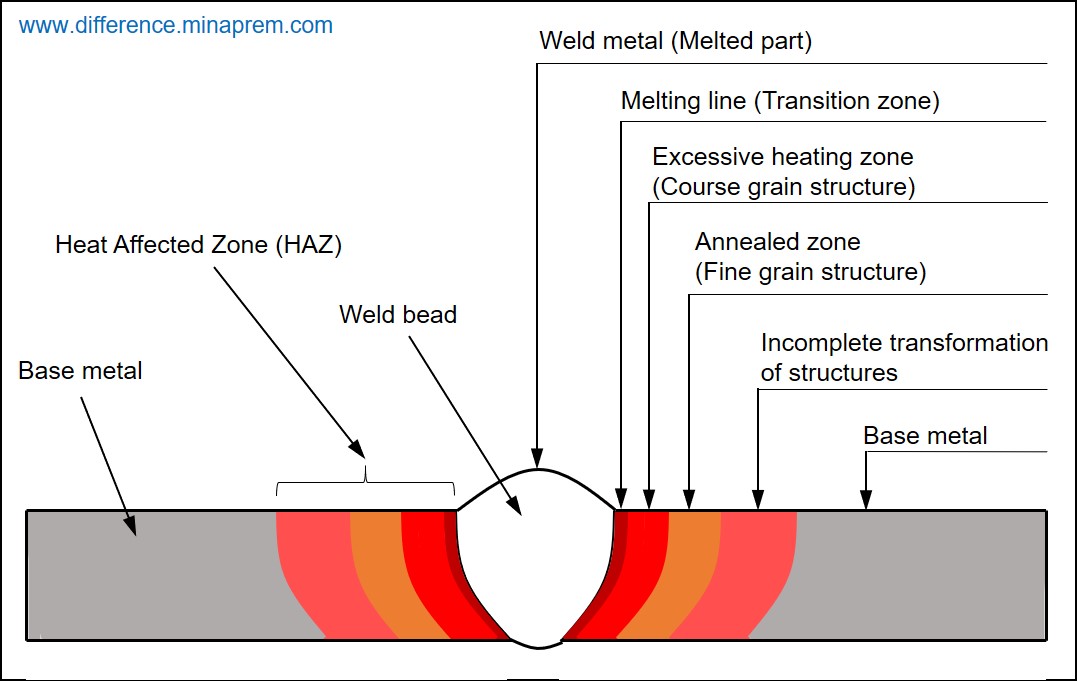
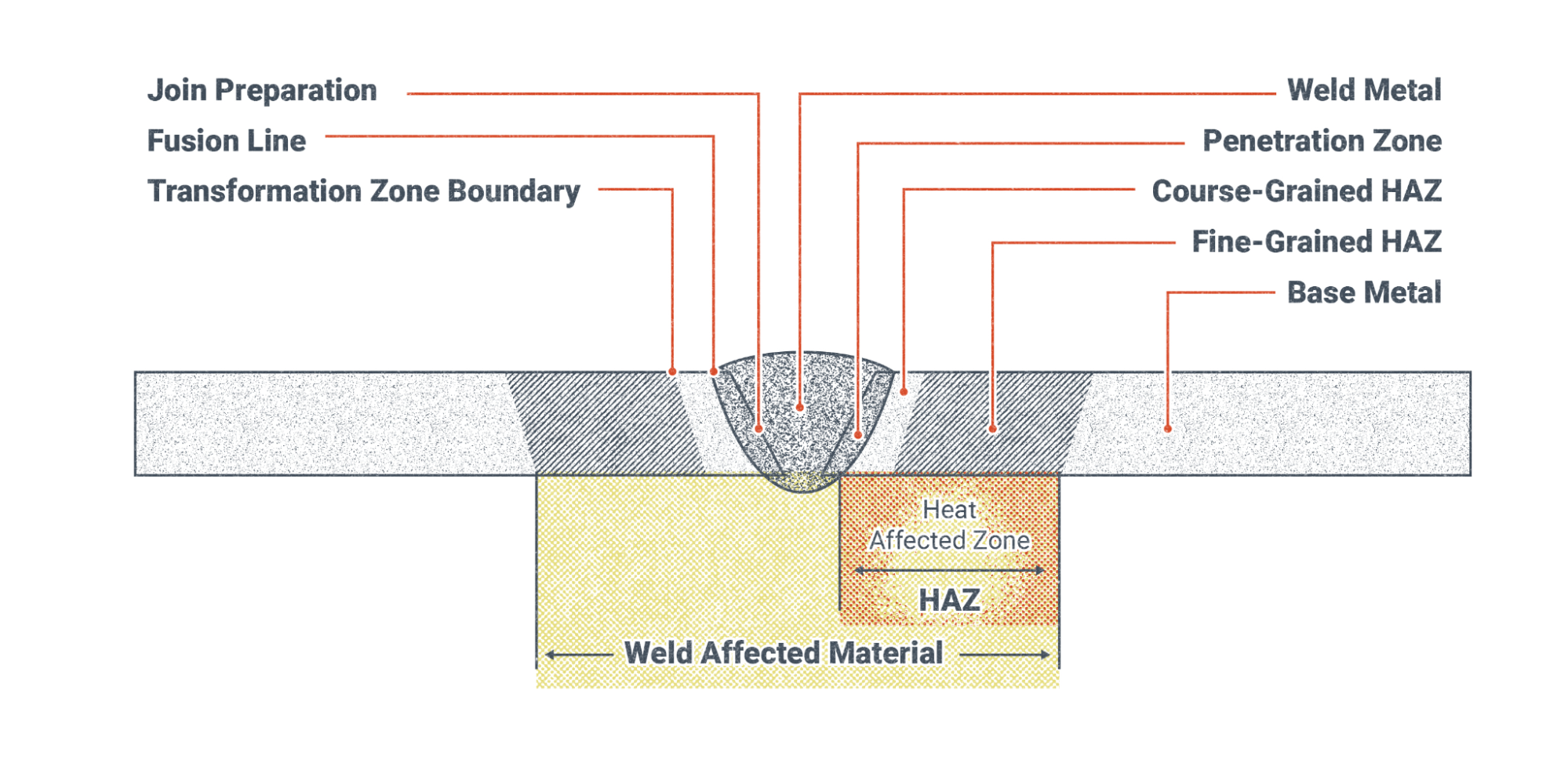
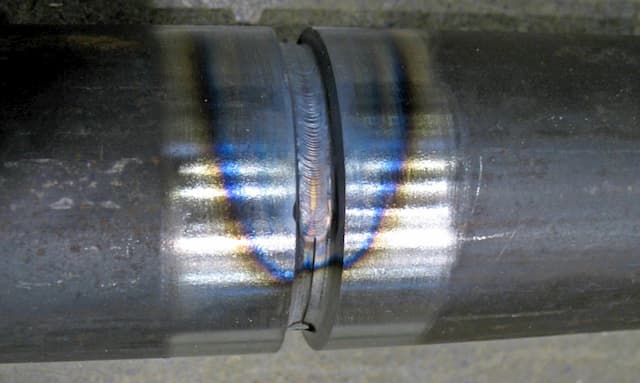
The Heat Affected Zone is a part of the base metal that does not melt but gets very hot during welding. The temperature here is high enough to change the metal’s structure and properties. The HAZ sits between the weld metal, which melts and solidifies, and the base metal, which stays cool. The size and features of the HAZ depend on several things: the welding process, the heat input, the type of metal, and the cooling rate.
Why does this matter? Because changes in the HAZ can lead to problems like cracks, reduced strength, or corrosion. Engineers must understand and control these changes to make sure the weld is safe and long-lasting.
The Science Behind The Haz
When you weld, you use a lot of heat in a small area. This heat moves from the weld into the surrounding metal. As the temperature rises and falls, the metal goes through several stages:
- Heating: The metal near the weld gets very hot, but does not melt.
- Transforming: The structure of the metal changes as it reaches different temperatures.
- Cooling: The metal cools down, sometimes quickly, sometimes slowly. This cooling affects the final structure.
The exact changes depend on the type of metal. For example, steel behaves differently than aluminum or copper. The HAZ in steel can be especially complex due to the many possible microstructures.
Microstructural Changes In The Haz
The most important changes in the HAZ happen at a microscopic level. These changes can make the metal harder, softer, more brittle, or more flexible. In steel, the main microstructural zones include:
- Coarse-grained zone (closest to the weld)
- Fine-grained zone
- Partially transformed zone
- Tempered zone (farthest from the weld)
Each zone forms because of different temperatures and cooling rates.
Coarse-grained Haz
This area is closest to the weld. The heat here is highest—close to the melting point but not enough to melt the metal. The grain size grows larger because high temperatures allow grains to combine. Large grains can make the metal brittle and weaker in this area.
Fine-grained Haz
A little farther from the weld, the temperature is still high but not as extreme. Here, grains become smaller, which often increases strength and toughness. This area is usually more resistant to cracking.
Partially Transformed Haz
The temperature in this zone is enough to change some, but not all, of the metal’s structure. Different phases form and mix. This can create weak points if the welding or cooling is not well controlled.
Tempered Haz
This area is farthest from the weld. The temperature rises enough to soften hard structures formed earlier. This can be helpful or harmful, depending on the desired result.
How The Haz Affects Mechanical Properties
The changes in the HAZ do not stay at the microscopic level. They have a big impact on how the welded structure works in real life.
Hardness Changes
Welding can make the HAZ harder or softer than the base metal. In some steels, rapid cooling creates martensite, which is very hard but brittle. In other cases, the HAZ becomes softer, making it easier for cracks to start.
Strength And Toughness
If the grains are too large, the HAZ can become weak and crack easily. Small, even grains usually mean more strength and toughness. The balance between these properties is important for safety.
Ductility And Brittleness
Some welding processes can make the HAZ brittle. Brittle zones do not stretch or bend—they break suddenly. This is dangerous, especially in structures like bridges or pressure vessels.
Corrosion Resistance
Some metals lose their resistance to rust or chemical attack after welding. For example, stainless steel can lose its protective chromium layer in the HAZ, making it more likely to corrode.
Factors That Control The Haz
Several things influence the size and quality of the HAZ:
- Welding Process: Some methods, like TIG or laser welding, use less heat and create a smaller HAZ. Others, like oxy-fuel welding, use more heat and create a larger HAZ.
- Heat Input: Higher heat input means a larger HAZ. Controlling the speed and power of the weld helps manage this.
- Type of Metal: Each metal reacts differently to heat. For example, high-carbon steel forms hard, brittle zones more easily than low-carbon steel.
- Cooling Rate: Fast cooling (quenching) can make the metal hard but brittle. Slow cooling usually means softer, tougher metal.
- Thickness of Metal: Thicker pieces absorb more heat and cool slower, affecting the HAZ’s size and structure.
Comparison Of Haz Size For Different Welding Methods
| Welding Method | Typical HAZ Size | Comment |
|---|---|---|
| Manual Metal Arc (MMA) | Medium | Common in construction |
| TIG (GTAW) | Small | Precise, low heat input |
| MIG (GMAW) | Medium | Fast, controlled |
| Laser Welding | Very Small | Minimal HAZ, high accuracy |
| Oxy-Fuel | Large | High heat, large HAZ |
Effects Of Haz On Different Metals
The way the HAZ changes depends on the metal you are welding. Here are some examples:
Steel
Most welding research focuses on steel. The HAZ in steel can become hard and brittle if it cools quickly. Engineers must often preheat or post-heat the steel to control the HAZ.
Stainless Steel
Stainless steel is sensitive to heat. The HAZ may lose its corrosion resistance if the chromium combines with carbon (sensitization). This can lead to rust along the weld line, even if the rest of the metal is fine.
Aluminum
Aluminum has a low melting point and conducts heat well. The HAZ is usually wide, and the strength can drop in this area. Special welding techniques help reduce this effect.
Copper And Alloys
Copper conducts heat so well that the HAZ is often less of a problem. But in alloys like brass or bronze, the HAZ can cause unwanted phase changes, weakening the joint.
Comparison Of Haz Problems In Common Metals
| Metal | Main HAZ Problem | Control Method |
|---|---|---|
| Steel | Hardness, Brittle Fracture | Preheat, Post-heat, Slow Cooling |
| Stainless Steel | Loss of Corrosion Resistance | Low Heat Input, Fast Welding |
| Aluminum | Strength Drop | Special Filler, Fast Process |
| Copper | Minimal HAZ Issues | Control Heat |
Common Defects In The Haz
Problems in the HAZ are a leading cause of weld failures. Some typical defects include:
Cracking
Cracks can form in the HAZ during or after welding. They often start because of rapid cooling, high stress, or impurities. Hydrogen-induced cracking is a special risk in steel.
Softening
In metals like aluminum, the HAZ can lose strength. This is called softening and can make the joint weaker than the base metal.
Grain Growth
If the grains in the HAZ grow too large, the metal becomes less tough. This is a silent problem—hard to see but dangerous.
Loss Of Toughness
Some HAZ areas lose their ability to absorb energy without breaking. This is dangerous in cold climates or where the structure faces sudden impacts.
Sensitization
In stainless steel, the HAZ may lose corrosion resistance. This is called sensitization and leads to rust or failure along the weld line.
How To Control And Minimize Haz Problems
Welders and engineers use several methods to manage the HAZ and reduce negative effects:
- Preheating: Heating the base metal before welding slows the cooling rate. This reduces the risk of hard, brittle structures.
- Post-weld Heat Treatment: Heating after welding can soften hard spots and relieve stress.
- Choosing the Right Filler Metal: Some filler metals help balance the properties in the HAZ.
- Controlling Heat Input: Using lower heat and faster travel speeds makes the HAZ smaller and more uniform.
- Using Advanced Welding Methods: Laser and electron beam welding create tiny HAZs with fewer problems.
Example: Controlling Haz In Structural Steel
Imagine welding two thick steel beams for a bridge. Engineers may preheat the area to 150°C before welding. After welding, they may heat-treat the joint to 600°C for an hour. This two-step process reduces cracking and keeps the HAZ tough.
Comparison Of Methods To Control Haz
| Method | Main Benefit | Best For |
|---|---|---|
| Preheating | Reduces Cracking | High Carbon Steel |
| Post-weld Heat Treatment | Relieves Stress | Thick or Complex Parts |
| Low Heat Input | Smaller HAZ | Stainless Steel, Aluminum |
| Filler Metal Choice | Balances Properties | All Metals |
Credit: www.difference.minaprem.com
Practical Tips For Welders
Many new welders focus only on the weld bead. They often miss the importance of the HAZ. Here are two insights many beginners overlook:
- Control the Heat, Not Just the Arc: The heat you put into the metal controls the HAZ size and quality. Use the lowest possible heat that still makes a good weld.
- Check the Base Metal’s Needs: Not all metals react the same. Know your material’s specific needs before you start. For example, high-carbon steel needs preheat, but aluminum does not.
Other practical advice:
- Always clean the base metal well before welding. Dirt and oil can cause defects in the HAZ.
- Use proper welding speed. Too slow means too much heat; too fast means poor fusion.
- Measure the HAZ hardness if possible, especially in critical parts.
Testing And Inspection Of The Haz
Engineers do not guess about the HAZ—they test it. Some common tests include:
- Hardness Testing: Checks how hard or soft the HAZ is compared to the base and weld metal.
- Microstructure Examination: Looks at the grain size and phases under a microscope.
- Non-Destructive Testing (NDT): Methods like ultrasonic or X-ray check for hidden cracks.
- Tensile Testing: Measures strength and ductility.
Regular inspection helps catch problems early, before they cause failure.
Credit: openwa.pressbooks.pub
Real-world Examples Of Haz Problems
Many famous failures happened because of poor HAZ control. For example, some pipeline welds have cracked in cold weather because the HAZ was too brittle. In bridges, cracks that start in the HAZ can spread and cause collapse.
One study by the American Welding Society found that up to 70% of weld failures start in the heat affected zone, not in the weld itself. This shows why the HAZ deserves as much attention as the weld bead.
Advances In Haz Control
Welding technology continues to improve. New methods focus on making the HAZ smaller and more predictable. For example:
- Pulsed laser welding lets engineers put heat exactly where needed, making a tiny HAZ.
- Computer modeling helps predict how the HAZ will behave before welding even starts.
Research into new alloys and better filler metals also helps reduce HAZ problems.
For more on advanced welding and HAZ science, see the Wikipedia article on Heat Affected Zone.
Why Understanding The Haz Matters
Ignoring the HAZ can lead to expensive repairs, lost time, and even disasters. By learning what happens in the HAZ, welders and engineers can make better choices. They can pick the right welding process, control the heat, and test the joint properly.
This leads to safer, stronger, and longer-lasting welded structures.
Frequently Asked Questions
What Is The Main Reason For Problems In The Haz During Welding?
Most problems in the HAZ come from rapid heating and cooling. This can cause the metal to become too hard or brittle, or to lose strength. The wrong welding speed or too much heat can make these problems worse.
How Can You Reduce The Size Of The Haz?
You can reduce the HAZ by using welding processes with lower heat input, such as TIG or laser welding. Welding faster and using proper cooling also helps. Preheating and post-weld heat treatment can control the effects, but do not make the HAZ smaller.
Why Does Stainless Steel Lose Corrosion Resistance In The Haz?
Stainless steel loses corrosion resistance in the HAZ when chromium combines with carbon to form chromium carbides. This removes chromium from the surface, allowing rust to form. Fast welding and low heat input reduce this risk.
Is The Haz Always Weaker Than The Weld?
Not always. The HAZ can be weaker, stronger, or about the same as the weld, depending on the process and the metal. In some cases, the HAZ becomes very hard and brittle; in others, it softens. Testing is the best way to know for sure.
What Tests Can Check The Quality Of The Haz?
Common tests include hardness testing, microstructure analysis under a microscope, and non-destructive tests like ultrasonic or X-ray. These tests help find cracks, measure strength, and check for unwanted changes in the metal.
Understanding what happens in the heat affected zone during welding is essential for anyone who wants to make strong, safe welded joints. By controlling the HAZ, you can avoid surprises and ensure your work stands the test of time.
Credit: fractory.com