Disclosure: This post contains affiliate links and I will be compensated if you make a purchase after clicking through my links. Learn More
Many welders, both new and experienced, sometimes find their arc welder sticks to the metal. This can stop your work, create frustration, and affect weld quality. If your electrode keeps sticking, you are not alone. This is a widespread problem for people learning to weld and even for those with years of experience. Understanding why your arc welder sticks helps you solve the problem quickly and improve your welding skills.
Many factors cause electrode sticking. These include incorrect current settings, poor technique, wrong electrodes, dirty workpieces, and equipment issues. Each factor can increase the chance of sticking and make welding difficult. By learning what causes sticking, you can fix the problem and weld more smoothly.
This article explains the main reasons your arc welder keeps sticking. It provides simple, clear advice for each cause. You will find practical tips, examples, and solutions to help you avoid this annoying problem in the future.
What Does “sticking” Mean In Arc Welding?
Sticking happens when the electrode touches the workpiece and stays stuck instead of creating a steady arc. The welding rod fuses to the metal, and you cannot move it freely. This stops the arc and interrupts your weld. You must break the electrode away, which can damage both the rod and the metal.
Sticking slows down your work. It also wastes electrodes and makes ugly welds with rough starts and weak spots. If the rod sticks often, it can overheat your machine or break your electrode holder.
Main Reasons Why Your Arc Welder Keeps Sticking
Many things can cause sticking. Below are the main reasons, explained in detail with examples and solutions.
1. Low Welding Current
A common reason is low welding current. Each electrode type and size needs a certain amount of current to start and hold an arc. If you set the amperage too low, the arc will be weak or stop quickly. The electrode tip melts too slowly and can stick to the metal.
Example:
If you use a 2. 5 mm (3/32 inch) electrode, you often need 80–100 amps. Setting your welder at 50 amps will almost always cause sticking.
Solution:
Check the electrode box for the recommended amperage. Adjust your welder to match that range. If you still have sticking problems, increase the current a bit until the rod runs smoothly.
2. Poor Welding Technique
Your hand movement and arc length matter a lot. If you keep the electrode too close to the metal, the arc can break, and the rod will stick. If you move too slowly or pause too long, the electrode can freeze to the workpiece.
Example:
A beginner may press the rod against the metal, thinking it helps start the arc. Instead, the rod sticks right away.
Solution:
Keep a steady, short arc—about the same as the diameter of the electrode core. Practice moving the rod smoothly without pressing. Start with short welds and focus on controlling the arc length.
3. Wrong Electrode Type Or Size
Some electrodes are easier to use than others. If you pick a rod that is too large or small for your machine, or one that does not fit the metal type, you may get sticking.
Common Mistake:
Trying to use a 4 mm (5/32 inch) rod with a small 100-amp welder on thin steel. The rod will not melt properly and will stick.
Solution:
Use electrodes that match your welder’s power and the thickness of your workpiece. For home welders, E6013 or E6011 2. 5 mm (3/32 inch) rods are a good choice for most mild steel jobs.
4. Dirty Or Rusty Metal Surface
A dirty workpiece with rust, paint, oil, or dirt will block the electric current. The arc cannot form well, and the rod will stick. Clean metal always welds better.
Example:
Welding on an old car frame with surface rust and paint flakes. The arc keeps failing and the rod sticks.
Solution:
Scrape, grind, or sand the area until you see shiny metal. Wipe away oil and dust. Even a small patch of clean steel helps.
5. Poor Ground Connection
A weak or loose ground clamp can cause trouble. If the ground does not connect well to the workpiece, the circuit is weak, and the rod may stick often.
Example:
The ground clamp sits on a rusty edge or is not tight. You get a weak arc that keeps breaking.
Solution:
Clamp the ground to clean, bare metal. Make sure the connection is tight. If the clamp is old or dirty, clean or replace it.
6. Wrong Polarity Setting
Some electrodes need a certain polarity (DC+ or DC-) to work properly. If you use the wrong polarity, you may get sticking, poor penetration, and spatter.
Example:
E6010 rods work best with DC+. If you use DC-, you may find the rod sticks a lot.
Solution:
Check the electrode box or datasheet for the correct polarity. Set your welder to match.
7. Damaged Or Wet Electrodes
Old, damp, or damaged electrodes do not weld well. Moisture in the rod causes poor arc starts and sticking. Bent or chipped rods also cause problems.
Example:
You find a box of rods in a damp shed. The rods spark poorly and stick often.
Solution:
Store electrodes in a dry, sealed container. If they get wet, dry them in a low oven if the maker says it is safe. Do not use rods that are bent, chipped, or have loose coatings.
8. Incorrect Electrode Angle
The angle you hold the rod affects the arc. If the tip touches the puddle or you hold the rod at a sharp angle, it can stick.
Example:
Holding the rod almost flat to the workpiece. The tip melts into the puddle and sticks.
Solution:
For flat welding, hold the electrode at a 10–15 degree angle from vertical, pointing in the direction of the weld. Adjust as needed for other positions.
9. Using The Wrong Welder For The Job
Small welders sometimes cannot provide enough power for thick steel or large rods. This leads to sticking.
Example:
Trying to weld a 10 mm steel plate with a 90-amp machine. The rod sticks and the arc is weak.
Solution:
Match your welder to the job. For thick steel, you need a more powerful machine.
10. Long Or Thin Extension Cords
Using a very long or thin extension cord can reduce the power your welder receives. The voltage drops, and the rod sticks.
Example:
Running a 30-meter (100 ft) extension cord to your garage. The welder does not work well, and rods stick.
Solution:
Use the shortest, thickest extension cord possible—at least 12 gauge (2. 5 mm2) or thicker for long runs.
11. Poor Quality Power Supply
Unstable or low voltage from your power outlet can cause trouble. Welders need steady power to run correctly.
Example:
Welding in an old workshop with poor wiring. The lights flicker, and the rod sticks often.
Solution:
Test your outlet with a multimeter. If voltage is low, fix the wiring or find a better outlet.
12. Faulty Welder Or Leads
Sometimes, the welder itself is the problem. Damaged cables, broken connections, or worn parts cause low power and sticking.
Example:
The electrode holder cable has a break inside. The arc keeps stopping and rods stick.
Solution:
Inspect your welder and leads often. Replace worn parts. Tighten all connections.
How To Identify The Main Cause
With so many possible reasons for sticking, finding the true cause helps you fix the problem faster.
Step 1: Watch What Happens
Notice when and how the rod sticks. Is it only at the start or during the weld? Does it happen with all rods or only some?
Step 2: Check Your Setup
Look at your current setting, rod type, and size. Is everything matched correctly? Is the metal clean and the ground tight?
Step 3: Test And Change
Change one thing at a time. For example, clean the metal or try a new electrode. If the problem stops, you found the cause.
Step 4: Check Your Technique
Ask someone with more experience to watch you weld. They can spot bad habits, like holding the rod at the wrong angle or moving too slowly.
Step 5: Inspect Your Equipment
Look for loose wires, worn clamps, or a weak extension cord. Small equipment problems often cause sticking.
The Effects Of Electrode Sticking
Sticking is not just annoying. It can damage your work, tools, and safety.
- Damaged rods: Stuck rods often break or lose their coating, making them useless.
- Burned workpiece: Repeated sticking can leave deep marks or holes.
- Machine stress: Frequent sticking overheats your welder and cables.
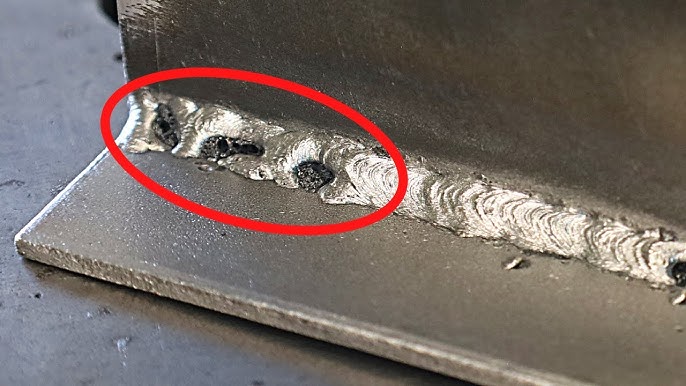
- Ugly welds: The finished bead looks rough, with pits and weak spots.
- Lost time and money: You spend more time replacing rods and fixing mistakes.
Credit: www.youtube.com
How To Start An Arc Without Sticking
Starting the arc is a key skill. Here are two main methods:
1. Scratch Start
Drag the tip of the electrode across the metal, like lighting a match. Lift the rod slightly as the arc starts.
Tips:
- Move quickly, do not press hard.
- If the rod sticks, twist gently to break it free.
2. Tap Start
Tap the rod tip straight down onto the metal, then lift up to start the arc.
Tips:
- Tap lightly, then lift to avoid sticking.
- Practice on scrap metal.
Both methods need practice. Try both and see which feels easier for you.
Practical Tips To Prevent Sticking
Some simple habits and checks can reduce sticking:
- Set the right amperage for your rod size.
- Clean the metal before welding.
- Use the correct rod angle and arc length.
- Check your cables and ground often.
- Store rods in a dry place.
- Use good quality extension cords.
- Replace worn parts on your welder.
If you stick, do not panic. Stop, break the rod free, and try again.
Advanced Tips And Non-obvious Insights
Many guides give basic advice, but some things are easy to miss:
- Keep your rod moving. If you stop too long, the tip can freeze to the puddle. A steady movement keeps the arc alive and prevents sticking.
- Watch for “arc blow.” On DC welders, the arc can wander or push the rod away. This happens near corners or on magnetic steel. If you notice the arc pulling to one side, move your ground clamp or switch to AC if possible.
- Try different rods on tricky steel. Low hydrogen rods (like E7018) can be harder to start. For dirty or rusty steel, E6011 or E6013 may work better.
- Use a chipping hammer and wire brush after each weld. This removes slag and helps you see if sticking is a technique or a surface problem.
Common Myths About Arc Welder Sticking
Some ideas about sticking are wrong or only partly true. Clearing these myths helps you focus on real solutions.
Myth 1: “all Rods Stick If You Are New.”
Truth: Anyone can learn to avoid sticking with practice and by using the right settings.
Myth 2: “more Amps Always Fix Sticking.”
Truth: Too much current can make the rod burn too fast, cause holes, or spatter. Use the recommended range.
Myth 3: “you Need Expensive Rods To Avoid Sticking.”
Truth: Many budget rods work well if you match them to your welder and job.
Myth 4: “any Extension Cord Will Work.”
Truth: Thin or long cords drop voltage and cause sticking. Use thick, short cords for best results.
How Electrode Types Affect Sticking
Different electrodes have unique qualities. Some are easier to use and less likely to stick.
| Electrode | Common Use | Sticking Risk |
|---|---|---|
| E6013 | General mild steel | Low (easy for beginners) |
| E6011 | Dirty/rusty steel | Medium (needs practice) |
| E7018 | Structural, critical welds | High (harder to start) |
Choosing the right rod for your skill and metal type helps you avoid sticking.
Comparing Arc Length And Sticking Risk
Arc length is the gap between the rod tip and metal. Too short or too long causes problems.
| Arc Length | Effect | Sticking Risk |
|---|---|---|
| Too Short | Arc breaks, rod sticks | High |
| Correct | Steady arc, smooth weld | Low |
| Too Long | Unstable, spatter | Medium |
Practice holding a steady arc to reduce sticking.

Credit: metalfusionpro.com
Matching Rod Size To Metal Thickness
Using the wrong rod size increases sticking. Here is a simple guide:
| Metal Thickness | Recommended Rod | Amps |
|---|---|---|
| 2–3 mm (up to 1/8″) | 2.5 mm (3/32″) | 80–100 |
| 3–5 mm (1/8″–3/16″) | 3.2 mm (1/8″) | 100–130 |
| 5 mm+ (3/16″+) | 4.0 mm (5/32″) | 130–160 |
If you use a rod that is too big or too small for your metal and welder, sticking is more likely.
Why Stick Welding Technique Matters
Even with perfect settings, technique decides if you stick or weld smoothly. Focus on:
- Starting the arc gently with scratch or tap
- Holding a steady arc length
- Moving at the right speed
- Watching the puddle and adjusting as you go
These habits take practice, but they prevent most sticking problems.
Safety When Breaking A Stuck Electrode
It is easy to get hurt when a rod sticks. Avoid these mistakes:
- Do not yank hard. This can break the rod or damage your holder.
- Wear gloves and a helmet. Metal can spark or fly off.
- Turn off the welder if the rod will not come loose.
If you cannot break the rod free, switch off the machine, and use pliers or a hammer to tap it loose.
When To Replace Equipment
If you try all the tips above and still get constant sticking, your equipment may be worn out.
- Electrode holder feels loose or hot
- Cables have cuts or bare wires
- Ground clamp is weak or rusty
- Welder cannot hold steady amps
Replace or repair these parts before your next weld. Good gear makes a big difference.

Credit: www.arccaptain.com
Improving Your Welding Skills
Avoiding sticking is part of becoming a better welder. Practice, good habits, and the right setup matter most.
- Practice arc starts on scrap metal until you can start without sticking.
- Try different rods and settings to see what feels best.
- Ask for tips from experienced welders. They can spot problems you may not notice.
Over time, you will weld faster, with fewer mistakes and better results.
Where To Learn More
If you want to study more about arc welding and common problems, check helpful guides and official welding resources. For a deeper look at welding basics, visit this Wikipedia guide on arc welding.
Frequently Asked Questions
Why Does My Electrode Stick At The Start Of Every Weld?
Sticking at the start often means your current is too low, your metal is dirty, or your starting technique needs improvement. Clean the metal, check your amperage, and practice arc starts.
Can Cheap Electrodes Cause Sticking?
Cheap rods can stick if they have poor coatings or are damaged, but many affordable rods work well if kept dry and matched to your machine. Quality is important, but technique and settings matter more.
Is It Safe To Pull A Stuck Rod Hard?
No, pulling hard can break the rod or damage your holder. Turn off your welder and gently tap or twist the rod free with pliers.
Does Weather Affect Electrode Sticking?
Yes, high humidity or rain can make rods damp, which increases sticking. Store rods in a dry place and use a rod oven if needed.
Should I Use Ac Or Dc To Avoid Sticking?
Some rods start easier on AC, but most common rods work on both. DC gives a smoother arc, but always check the rod type for the best polarity.
Welding gets easier with practice and the right knowledge. By fixing common causes of sticking, you can work faster and make stronger, better-looking welds.