Disclosure: This post contains affiliate links and I will be compensated if you make a purchase after clicking through my links. Learn More
Muriatic acid is a common name for hydrochloric acid. People use it to clean metal, remove rust, or adjust pH in pools. But muriatic acid is strong and dangerous. After using it on metal, you must neutralize any leftover acid.
If you skip this step, the acid can keep eating the metal, cause rust, or even create toxic fumes. Neutralizing muriatic acid on metal is not just a safety measure. It helps protect your project and your health. This guide explains clear steps, gives practical tips, and shows common mistakes to avoid.
You will learn how to neutralize muriatic acid on metal with simple materials and safe techniques.
Why Neutralizing Muriatic Acid Matters
Muriatic acid is highly corrosive. If it stays on metal, it continues to react even if you cannot see it. This reaction can weaken the metal, cause holes, or make it break. In some cases, the acid creates fumes that are dangerous to breathe.
Neutralizing the acid stops this reaction.
Many people think rinsing with water is enough. But water only dilutes the acid. It does not change the acid into something safe. You need a neutralizing agent to stop the acid. This keeps your metal strong and your workspace safe.
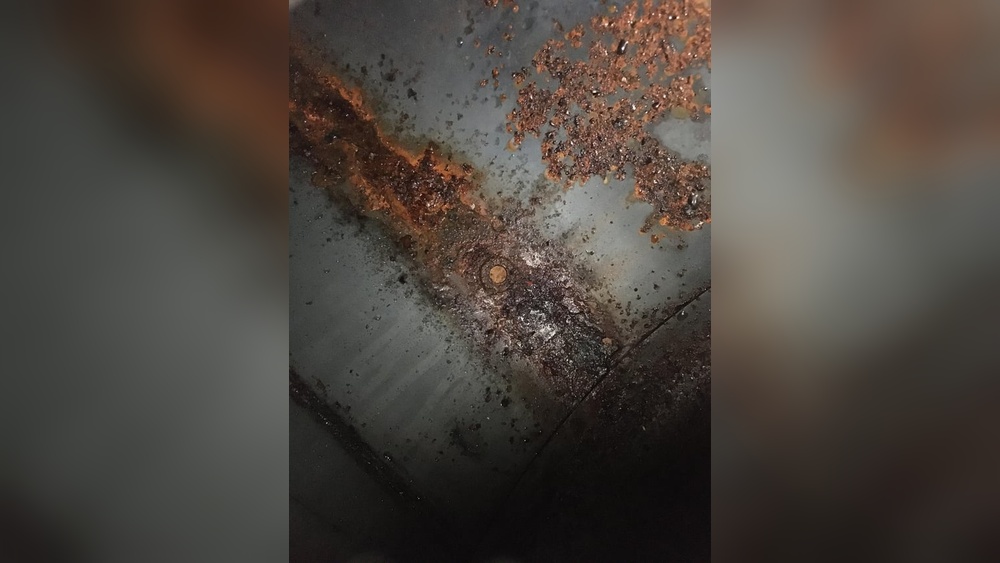
It is also important to remember that even a very thin layer of acid left on the surface can eventually cause damage. For example, you might notice rust spots or a powdery residue days later. This is a sign that some acid remained.
Neutralizing creates a chemical reaction that makes the acid harmless, so you avoid these long-term problems.
If you work on items that need to last, like car parts or tools, skipping neutralization can mean you lose all your hard work. Many professionals have learned this lesson the hard way—seeing their clean metal quickly corrode, costing time and money.
Understanding Muriatic Acid And Metal Reactions
Muriatic acid attacks metal surfaces by reacting with iron, steel, aluminum, copper, or other metals. The type of reaction depends on the metal.
- Iron and steel: Muriatic acid removes rust, but it can also eat the metal itself. The reaction creates hydrogen gas and iron chloride.
- Aluminum: The acid reacts very fast, producing hydrogen gas and aluminum chloride.
- Copper or brass: The acid can cause pitting and surface damage.
These reactions do not stop just because you rinse the metal. The acid can hide in small cracks or pores. Neutralizing is the only safe way to finish the cleaning.
A common mistake is to assume that once bubbling stops during acid cleaning, the reaction is over. In reality, the acid can stay active on the microscopic level. If you leave the metal damp, the acid works even slower but keeps damaging the surface.
That’s why some people find their metal rusts again days or weeks later, even if it looked clean at first.
Some metals, like aluminum, are especially sensitive. Even a quick dip can cause pitting or dull spots. If you are working with expensive or delicate metals, this risk is even higher. Understanding these reactions helps you see why neutralizing is not optional—it is necessary for any serious metal project.
What You Need To Neutralize Muriatic Acid On Metal
You do not need expensive chemicals. Most neutralizing agents are easy to find at home or at hardware stores. The three most common are:
- Baking soda (sodium bicarbonate)
- Household ammonia
- Lime (calcium hydroxide)
For most people, baking soda is the best choice. It is safe, cheap, and easy to handle. Some professionals use ammonia or lime for special metals or large surfaces.
You will also need:
- Clean water (preferably distilled for sensitive metals)
- Protective gloves (acid-resistant)
- Safety goggles
- Old towels or rags
- A plastic bucket (never use metal buckets)
- A brush or sponge
If you are working on a project outdoors, it is smart to have a water hose ready in case of emergency. For indoor work, keep a bucket of clean water nearby at all times. If you are dealing with a large area, having extra towels or an old mop can make cleanup easier.
One extra tip: keep some dry baking soda on hand. Sometimes, a little extra sprinkled directly on stubborn spots can help finish the job.
How To Prepare A Neutralizing Solution
Baking Soda Solution
Baking soda is mild but effective. To make a solution:
- Mix 1 tablespoon of baking soda with 1 cup of water for small jobs.
- For larger surfaces, use ½ cup baking soda in 1 gallon of water.
Stir until the baking soda dissolves. The solution should look cloudy but not gritty.
If you find undissolved baking soda at the bottom, stir again or let it settle and use only the top part. For tough jobs, you can make a paste with baking soda and a little water and spread it directly on the metal.
Ammonia Solution
Ammonia works well for some metals but can cause strong fumes. Only use in a well-ventilated area. Mix 1 cup of household ammonia in 1 gallon of water.
Be careful: ammonia can irritate your eyes, nose, and throat. If you feel dizzy or your eyes water, step outside for fresh air immediately. Never mix ammonia with bleach—this creates dangerous gas.
Lime Solution
Lime is strong and used for big or outdoor projects. Always add lime to water, not the other way around. Mix according to the package instructions. Wear a mask to avoid breathing dust.
Lime can be dusty and messy, so cover nearby items to avoid spreading powder. For small projects, lime is rarely needed, but it is useful for cleaning large metal surfaces, like fences or gates, especially outdoors.
Step-by-step Guide: Neutralizing Muriatic Acid On Metal
- Wear protective gear. Acid can burn your skin and eyes.
- Rinse the metal with clean water. This removes loose acid and dirt.
- Apply the neutralizing solution. Use a sponge, brush, or spray bottle.
- Let the solution sit. Wait 10-15 minutes for baking soda, 5 minutes for ammonia or lime.
- Check for fizzing. If you see bubbles, the acid is reacting with the neutralizer. Wait until fizzing stops.
- Rinse again with water. Remove all leftover neutralizer and acid.
- Dry the metal completely. Use towels or let it air dry to prevent rust.
Each step is important. Skipping any one of them can leave acid or neutralizer behind, which creates new problems.
Non-obvious insight: When working on large or awkward shapes, gravity can cause the neutralizing solution to drip off before it reacts fully. In these cases, apply the solution in two rounds, or tilt the item to help cover all surfaces.
Detailed Steps And Practical Tips
1. Wear Protective Gear
Always wear acid-resistant gloves and safety goggles. Muriatic acid can cause burns in seconds. Long sleeves and pants are wise, especially for large pieces.
If you have sensitive skin, consider using a face shield or double gloves. Shoes with rubber soles are also smart—acid can damage leather or canvas shoes quickly.
2. Rinse Before Neutralizing
Some people skip this, but a first rinse removes loose acid and dust. Use plenty of water. Do not use high-pressure unless the metal is strong.
If you are cleaning something with seams or joints, tilt or tap the item to help water run out of cracks. This makes sure you remove as much loose acid as possible before neutralizing.
3. Apply The Neutralizer
Dip your brush or sponge in the solution. Cover all metal surfaces, including corners and holes. For big items, pour or spray the solution.
Non-obvious tip: For complex shapes, wrap the metal in a towel soaked with neutralizer. This keeps the solution in contact with every surface.
Another trick is to use a plastic bag, wrapping it over the soaked towel for a few minutes. This prevents the solution from drying out too quickly, especially in hot or windy weather.
4. Let It Work
Do not rush. The neutralizing solution needs time to react. If you see fizzing, that means the acid is still active. Wait until there are no more bubbles.
For stubborn spots, gently scrub with your brush during this wait. You may need to reapply neutralizer to those areas.
5. Rinse Off
After neutralizing, rinse with clean water. Use distilled water for sensitive metals like aluminum or copper to avoid stains.
If you are working outside, a gentle hose spray works well. For indoor work, rinse over a plastic tub or in a sink (if allowed by your local rules).
6. Dry Quickly
Moisture can cause rust, even after neutralizing. Dry the metal right away with a towel or warm air.
For small objects, a hair dryer on low heat can help. For larger pieces, let them air dry in the sun if possible. Any leftover moisture encourages rust.
Extra tip: If you live in a humid climate, consider wiping the metal with a little rubbing alcohol after drying. Alcohol evaporates quickly and removes water traces.
How Much Neutralizer Do You Need?
The amount depends on the acid used and the size of the metal. Here is a simple guide:
| Metal Size | Amount of Muriatic Acid Used | Baking Soda Needed | Water Needed |
|---|---|---|---|
| Small tool (e.g., wrench) | 1-2 tablespoons | 1 tablespoon | 1 cup |
| Medium part (e.g., bike frame) | 1/2 cup | 1/4 cup | 1/2 gallon |
| Large item (e.g., gate) | 1-2 cups | 1/2 cup | 1 gallon |
Tip: Always use extra baking soda. Too much is safe; too little leaves acid behind.
If you are not sure, start with more neutralizer than you think you need. You can always rinse off the extra, but you cannot fix damage from leftover acid.
Common Mistakes To Avoid
Many beginners miss important steps. Avoid these mistakes:
- Not wearing full protection: Acid can splash when you neutralize it.
- Using metal buckets: Acid and neutralizer can react with the bucket, making the solution weak.
- Not checking for fizzing: If you skip this, acid may stay active.
- Rinsing with dirty water: Tap water with minerals can leave stains on some metals.
- Not drying fast enough: Wet metal rusts quickly, even after neutralizing.
Another mistake is using kitchen sponges or brushes with metal parts—acid can damage them or cause them to rust. Use plastic or natural fiber brushes for safety.
What If You Used Too Much Muriatic Acid?
If you poured too much acid, repeat the neutralizing process. Use more baking soda solution and check for bubbles. Large acid spills need more time and solution. In these cases, test with pH strips. A pH of 7 means the acid is gone.
If you are working in a small space and spill acid, open windows and leave the room to let fumes clear before returning. Neutralize spills right away, and never try to mop up acid without first neutralizing it—this can damage your mop and spread acid.
Handling Stubborn Acid Spots
Sometimes, acid stays in cracks or rough spots. To reach these areas:
- Use a toothbrush to scrub the neutralizer into small gaps.
- Soak the metal in the solution if possible.
- For welded parts, use a spray bottle to reach inside seams.
If spots keep fizzing after several treatments, increase the baking soda or try household ammonia.
For very stubborn areas, make a thick paste of baking soda and water and leave it on for 30 minutes before rinsing. This gives more time for the neutralizer to work deep into the cracks.
Special Cases: Different Metals
Steel And Iron
Steel is strong, but muriatic acid can pit the surface. Always neutralize and dry right away. For tools, oil them after drying to stop rust.
A thin layer of oil, like machine oil or WD-40, gives extra protection. If you use the tool regularly, reapply oil after each cleaning.
Aluminum
Aluminum reacts fast with acid. Never soak aluminum in muriatic acid for more than a minute. Neutralize at once and rinse with distilled water.
Polished aluminum can lose its shine if exposed to acid. To restore shine, use a fine polish after neutralizing and drying.
Copper And Brass
These metals can discolor or spot. Use baking soda solution and rinse with distilled water. Do not use ammonia on copper; it can damage the surface.
Brass often has a protective coating, which acid can remove. If you notice dull spots, apply a brass polish after cleaning.
Galvanized Metal
Galvanized coatings protect steel from rust. Acid can remove the zinc layer. Neutralize with baking soda and rinse well. Check for white powder after drying; this is zinc oxide.
If you see bare spots, consider recoating with a zinc-rich spray to restore protection.
What To Do After Neutralizing
After neutralizing and drying, you can:
- Paint the metal to protect it
- Apply oil or wax for tools
- Store in a dry place to prevent rust
If you plan to weld, make sure all neutralizer is gone. Test with pH strips. Leftover baking soda or ammonia can cause welding problems.
For painted surfaces, wait until the metal is fully dry before applying primer or paint. Any leftover moisture can cause paint to peel or bubble.
Table: Comparison Of Neutralizing Agents
Here is a simple comparison of the three common neutralizers:
| Neutralizer | Safe for Most Metals | Fume Risk | Cost | Availability |
|---|---|---|---|---|
| Baking Soda | Yes | None | Low | Very High |
| Ammonia | Some | High | Low | High |
| Lime | Yes (outdoors) | Medium | Medium | Medium |
Baking soda is best for most home users. Ammonia works fast but is risky without good airflow. Lime is good for outdoor or very large projects.
How To Test If The Acid Is Neutralized
You can test for leftover acid in two ways:
- PH Strips: Touch the metal with a wet pH strip. If it shows pH 7, the acid is gone.
- Baking Soda Test: Sprinkle dry baking soda on the wet surface. If it fizzes, acid is still present.
These tests are simple but very effective.
Non-obvious tip: If you do not have pH strips, rub a small area with a clean finger after rinsing. If you feel any slick or sticky residue, rinse and neutralize again. Acid can sometimes leave a slightly sticky feeling.
Cleaning Up After Neutralizing
Never pour acid or neutralizer into drains without checking local rules. Acidic waste can damage pipes or harm the environment. Collect rinse water in a plastic bucket. Add more baking soda until fizzing stops. Wait for the pH to reach neutral, then dispose of the water safely.
Non-obvious tip: After neutralizing, use a shop vacuum with a filter to pick up dry baking soda from the workspace.
For outdoor work, pour neutralized waste onto gravel or dirt, not on plants or near water sources. Always check your local disposal guidelines for acids and cleaners.
Safe Storage And Disposal Of Materials
After the job, store leftover acid in a tight, labeled plastic container. Keep it away from metal shelves. Store baking soda or ammonia in sealed boxes, away from children or pets.
Dispose of used gloves and towels in a sealed bag. If you used a lot of acid, contact your local waste center for advice. Some cities have special rules for hazardous waste.
Keep your work area clean. Wipe any spilled acid drops from floors or tables with a neutralizer-soaked rag before final cleanup.

Credit: www.reddit.com
Real-life Example: Neutralizing Muriatic Acid From A Rusty Wrench
A mechanic used muriatic acid to clean a rusty wrench. He wore gloves and goggles. After removing rust, he rinsed the wrench with water, then soaked it in baking soda solution for 15 minutes. He checked for fizzing, then rinsed and dried the tool.
The wrench stayed clean and rust-free for months.
This example shows that careful neutralizing keeps tools safe and extends their life.
Extra insight: The mechanic also applied a thin oil layer after drying, which helped prevent new rust from forming, especially in humid conditions.
Professional Tips For Large Projects
On construction sites, workers sometimes use muriatic acid to clean steel beams. They use large tanks of baking soda solution and submerge the metal. For very big surfaces, they use pumps to spray neutralizer evenly. Always use extra protection and test the pH in several spots.
Tip: Mark treated areas with chalk to track which parts are done.
For beams or structures that cannot be moved, use a garden sprayer filled with neutralizer for even coverage. Always work in teams for safety, especially in busy or industrial environments.
When To Call A Professional
If you spill a large amount of acid or feel unsure about your safety, get professional help. Some situations, like cleaning old car parts or factory equipment, need special handling. Professionals have the right gear and know how to manage waste.
If you notice smoke, strange smells, or your eyes burn even with ventilation, stop working and call for help. Safety always comes first.
Table: How Long To Wait During Neutralization
Timing matters for each method. Here is a quick guide:
| Neutralizer | Recommended Wait Time | When to Rinse |
|---|---|---|
| Baking Soda | 10-15 minutes | After fizzing stops |
| Ammonia | 5-10 minutes | After smell fades |
| Lime | 5-15 minutes | After no visible reaction |
Always err on the side of waiting longer if you are not sure.
Extra note: In cold weather, reactions can take longer, so be patient and check carefully before rinsing.

Credit: www.crownbrand.com
Important Safety Notes
- Never mix muriatic acid with other cleaners.
- Always add acid to water, not water to acid, when diluting.
- Work in a well-ventilated area or outdoors.
- Keep children and pets away from the workspace.
- If acid touches skin, rinse with plenty of water and seek help if you feel pain.
Never leave open acid containers unattended. Always recap and store them away from sunlight and heat.
If you notice a spill on the floor, sprinkle dry baking soda directly on it before wiping. This helps soak up acid and makes cleanup safer.
Where To Find More Information
If you want to learn more about handling acids and neutralizers, the Occupational Safety and Health Administration (OSHA) offers detailed safety guides.
Credit: www.sciencing.com
Frequently Asked Questions
How Do I Know If All The Muriatic Acid Is Neutralized?
You can check by using pH test strips. A pH of 7 means the metal is safe. You can also sprinkle dry baking soda on the wet surface; if it does not fizz, the acid is gone.
Can I Use Vinegar To Neutralize Muriatic Acid?
No, vinegar is also acidic. It does not neutralize muriatic acid. You need a base like baking soda, ammonia, or lime.
What Happens If I Skip The Neutralizing Step?
If you do not neutralize, the acid keeps reacting with the metal. This causes rust, weakens the metal, and can create dangerous fumes.
Is It Safe To Use Muriatic Acid Indoors?
It is not safe unless you have strong ventilation. Acid fumes can irritate your lungs and eyes. Always open windows and use fans, or work outside.
Can I Reuse The Neutralizing Solution?
No, always use a fresh solution. Used solution may be weak or contaminated with acid and dirt.
Taking the time to neutralize muriatic acid on metal helps protect your tools, your health, and your environment. With simple materials and careful steps, you can finish the job safely and confidently. Always respect the risks, follow each step, and you will get clean, strong metal that lasts.