Disclosure: This post contains affiliate links and I will be compensated if you make a purchase after clicking through my links. Learn More
TIG welding gives strong, clean welds on many metals. But choosing between AC (alternating current) and DC (direct current) confuses many people. Each type of current works best for certain metals and situations. If you want to get strong, smooth welds, you must know when and how to use AC or DC for TIG welding.
This article explains TIG welding with AC and DC. You will learn how each current type works, what equipment to use, and practical steps for setting up and welding safely. We will cover tips for beginners and common mistakes to avoid.
By the end, you will know how to TIG weld with both AC and DC, and how to choose the right method for your project.
What Is Tig Welding?
TIG welding stands for Tungsten Inert Gas welding. It uses a non-consumable tungsten electrode to create the arc that melts the metal. An inert gas (usually argon) flows over the weld area to protect it from air. The welder often adds filler metal by hand.
TIG welding is popular because:
- It creates clean, precise welds.
- It works on thin and thick metals.
- It can weld steel, stainless steel, aluminum, magnesium, copper, and more.
But TIG welding is harder to learn than other types like MIG or stick welding. It needs a steady hand and good control.
Understanding Ac And Dc Current In Tig Welding
The main difference in TIG welding comes from the current type.
AC (Alternating Current):
- The electric current switches direction many times per second (usually 60 times, or 60 Hz).
- The arc cleans away oxide from metals like aluminum and magnesium.
- AC is the only practical choice for welding aluminum and magnesium.
DC (Direct Current):
- The electric current flows in one direction, either positive (DCEP) or negative (DCEN).
- DC is smoother and more stable than AC.
- DC works best for welding steel, stainless steel, titanium, copper, and nickel.
Choosing the right current is the first step to a good weld.
Key Differences: Ac Vs Dc In Tig Welding
To see the main points, check this comparison:
| Feature | AC (Alternating Current) | DC (Direct Current) |
|---|---|---|
| Best For | Aluminum, Magnesium | Steel, Stainless Steel, Titanium, Copper |
| Arc Stability | Less stable | Very stable |
| Cleaning Action | Yes (removes oxide layer) | No |
| Heat Control | Good for heat-sensitive metals | More control for thin material |
| Welding Speed | Slower | Faster |
Insight: New welders often try to use DC on aluminum and get poor results. The oxide layer blocks the weld. AC is needed to break through.
How Tig Welding Machines Work With Ac And Dc
A TIG welder can have AC, DC, or both. Most modern machines let you switch between AC and DC easily.
- AC/DC TIG Welders: Give you the most options. Choose AC for aluminum, DC for steel.
- DC Only TIG Welders: Cheaper, but you cannot weld aluminum.
- AC Only TIG Welders: Rare, usually for specialized use.
Before you start, check your machine. Make sure it matches your metal.
Basic Tig Welding Setup
Every TIG welding setup needs these core parts:
- TIG Welding Machine (AC/DC)
- Tungsten Electrode
- Filler Rod
- Torch with ceramic cup
- Shielding Gas (usually argon)
- Gas Regulator and Hose
- Work Clamp
- Protective Gear (mask, gloves, jacket)
Tip: Use pure argon for most TIG welding. For thick aluminum, some use argon-helium mixes.
Choosing The Right Tungsten Electrode
The tungsten electrode is the heart of TIG welding. The type and size matter for AC or DC.
| Electrode Type | Best For AC or DC | Common Color Code |
|---|---|---|
| Pure Tungsten | AC (Aluminum, Magnesium) | Green |
| 2% Thoriated | DC (Steel, Stainless Steel) | Red |
| 2% Lanthanated | AC & DC | Blue |
| Ceriated | AC & DC (low current) | Grey |
Insight: Many beginners use the wrong tungsten for AC or DC. This leads to arc instability or contamination.
Setting Up Your Tig Welder For Ac
When welding aluminum or magnesium, follow these steps:
- Switch the Machine to AC Mode. Check the selector switch or digital panel.
- Install the Right Tungsten. Use pure tungsten (green) or lanthanated (blue).
- Shape the Electrode Tip. Ball the tip by briefly running AC on a piece of aluminum.
- Set the Amperage. Use about 1 amp per 0.001 inch of metal thickness as a starting point.
- Adjust AC Balance (if available). Most machines allow you to set more cleaning (electrode positive) or more penetration (electrode negative). For most work, start at 65% negative.
- Set Gas Flow. 15–20 cubic feet per hour (CFH) is normal for argon.
- Connect the Work Clamp. Attach it to clean, bare metal.
- Check All Connections. Leaks or loose cables cause problems.
Practical Example: For 1/8 inch (3 mm) aluminum, start with 120 amps and 65% electrode negative AC balance.
Setting Up Your Tig Welder For Dc
When welding steel, stainless steel, or copper:
- Switch the Machine to DCEN (DC Electrode Negative). This is the standard setting for TIG.
- Install the Correct Tungsten. Use thoriated (red) or lanthanated (blue).
- Sharpen the Tungsten. Grind to a point, not a ball. Use a dedicated grinder.
- Set Amperage. Use 1 amp per 0.001 inch as a rule, but adjust as needed.
- Set Gas Flow. 15–20 CFH for argon works for most metals.
- Attach the Work Clamp. Clean the metal first for a good connection.
- Double-Check Everything. DC is less forgiving of bad prep.
Example: For 0.060 inch (1.5 mm) steel, try 60 amps, argon at 18 CFH, and a sharp 2% thoriated tungsten.
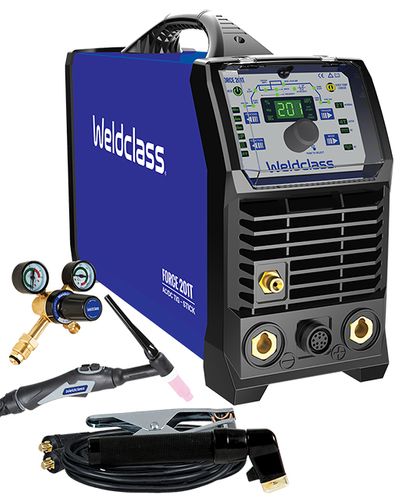
Credit: www.weldclass.com.au
Step-by-step: Tig Welding With Ac
1. Prepare The Metal
Clean the aluminum well. Use a stainless steel wire brush and acetone to remove grease and oxide. Even a small bit of dirt ruins the weld.
2. Set Up Your Machine
As explained above, set your TIG welder to AC, fit the right tungsten, and check your gas.
3. Strike The Arc
Hold the torch about 1/8 inch from the metal. Use a foot pedal or switch to start. The arc should be smooth, not flickering.
4. Add Filler Rod
Once a puddle forms, add the filler rod at the edge. Feed steadily as you move along the joint.
5. Control The Weld Pool
Move the torch and rod evenly. Watch for the weld pool to stay bright and clean.
6. Finish The Weld
Let off the pedal or switch. Keep gas flowing for a few seconds to protect the hot metal.
Tip: If you see a dull, gray weld, check your cleaning and AC balance. Too much positive balance cleans better, but can overheat the tungsten.
Step-by-step: Tig Welding With Dc
1. Prepare The Metal
Clean steel with a flap disc or sandpaper. Remove all rust, paint, and oil. For stainless steel, wipe with acetone.
2. Set Up Your Machine
Switch to DCEN, use a sharp tungsten, and set your argon flow.
3. Strike The Arc
Keep the torch steady. The arc should start cleanly and not wander.
4. Add Filler Rod
Dip the filler into the leading edge of the pool. Do not let the rod touch the tungsten.
5. Control Your Speed
Move at a steady pace. Too slow will cause a big, uneven weld.
6. End The Weld
Stop the arc gently. Hold the torch in place for a few seconds to let argon shield the cooling weld.
Tip: A sharp tungsten gives a focused arc. If you see the arc spreading, regrind the tungsten.
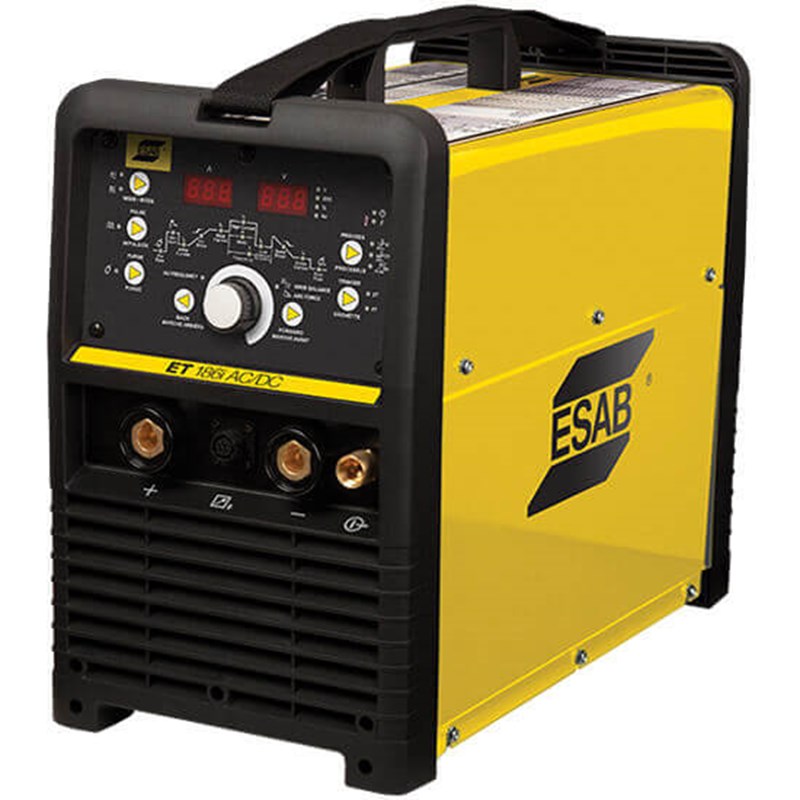
Credit: www.weldersupply.com
How To Choose Between Ac And Dc
- Metal Type
- Aluminum or magnesium: Always use AC.
- Steel, stainless, copper, titanium: Use DC.
- Thickness
- Thin sheet: DC allows better control.
- Thick aluminum: AC with higher amps.
- Weld Quality
- For shiny, clean welds on aluminum, AC is a must.
- For smooth, deep welds on steel, DC is better.
Mistake: Some welders try to use DC on aluminum with poor cleaning. The weld looks dirty and weak.
Common Mistakes And How To Avoid Them
- Wrong Tungsten Electrode
- Pure tungsten for AC, thoriated or lanthanated for DC.
- Using the wrong type causes arc problems.
- Poor Metal Preparation
- TIG welding needs clean metal. Oil, paint, or rust will cause porosity.
- Incorrect Gas Flow
- Too little gas gives a dirty weld. Too much wastes gas and can cause turbulence.
- Incorrect Torch Angle
- Keep the torch at about 15 degrees from vertical. Too much angle blows away the shielding gas.
- Touching the Tungsten to the Metal
- If the tungsten touches, stop and regrind. Contaminated tungsten weakens the arc.
- Wrong Polarity
- AC for aluminum, DCEN for steel. Double-check before starting.
Practical Insight: Many welders ignore their tungsten tip. A dirty or rounded tip will ruin the weld quality.

Credit: www.vector-welding.com
Safety Tips For Tig Welding
TIG welding produces intense light and heat. Always:
- Wear a welding helmet with a #10–#13 lens.
- Use leather gloves and a long-sleeve jacket.
- Keep the area well-ventilated.
- Never weld near flammable materials.
- Let hot parts cool before touching.
Note: Some TIG electrodes (like thoriated) are slightly radioactive. Wash your hands after handling and avoid breathing dust.
Special Features: Ac Balance And Frequency
Modern TIG welders offer features that help with AC welding:
- AC Balance: Adjusts the ratio of cleaning to penetration. More cleaning removes oxide, but too much overheats the tungsten.
- AC Frequency: Changes how many times the current switches per second. Higher frequency gives a tighter arc, better for thin aluminum.
Example: For 1/16″ (1.6 mm) aluminum, try 120 Hz for a narrow, precise arc.
Fine-tuning Your Tig Welding
To get the best results:
- Practice on scrap metal before starting your real job.
- Keep your filler rod close to the weld pool, but do not let it touch the tungsten.
- Watch the weld pool, not just the arc. Good welders focus on the puddle.
- Clean your tungsten often. Even a tiny bit of contamination can ruin a weld.
Insight: Many new welders focus on the arc, not the pool. The pool shows if your weld has enough heat and gas protection.
Maintenance For Tig Welding Equipment
- Check cables and hoses for cracks or leaks.
- Clean the torch head and ceramic cup after every use.
- Store electrodes in a dry, clean place.
- Replace gas lenses and cups if cracked or dirty.
Proper maintenance prevents problems and keeps your welds clean.
Real-world Examples
Welding Aluminum Boat Parts (ac)
A repair shop needs to weld 3 mm thick aluminum on a boat hull. They use AC, pure argon, and pure tungsten. They clean the joint area with a wire brush and acetone. The welder sets 90 amps, 70% negative AC balance, and uses a foot pedal for control.
The weld comes out shiny and strong.
Welding Stainless Steel Exhaust (dc)
A car shop TIG welds a stainless exhaust system. They choose DCEN, 2% thoriated tungsten, and 60 amps. They clean the pipes with acetone and use a sharp tungsten tip. Argon flows at 18 CFH. The weld is smooth and has no discoloration.
Advanced Tips For Better Tig Welding
- Use a gas lens for better shielding on tricky joints.
- Try pulse mode (if your machine has it) for thin materials.
- Preheat thick aluminum with a torch for better fusion.
- Use foot pedal control for variable amperage during the weld.
- Test your settings on scrap before the actual part.
Insight: Gas lens setups give smoother gas flow. This helps on corners and outside joints where gas coverage is weak.
How Tig Welding Ac Or Dc Compares To Other Welding Methods
| Method | Weld Quality | Metal Types | Skill Required |
|---|---|---|---|
| TIG (AC/DC) | Very high | All common metals | High |
| MIG | Good | Steel, Stainless, Aluminum | Medium |
| Stick | Average | Steel, Stainless, Cast Iron | Low |
TIG welding with AC or DC gives the cleanest welds, but needs more skill.
How To Improve As A Tig Welder
- Take welding classes or watch professional videos.
- Practice on different metals to learn how each responds.
- Keep a welding log with settings and results.
- Ask for feedback from experienced welders.
Insight: A welding log helps you repeat good results and fix mistakes faster.
Where To Learn More
If you want to see more data, guides, or videos, check the Wikipedia page on Gas Tungsten Arc Welding.
Frequently Asked Questions
What Metals Require Ac For Tig Welding?
Aluminum and magnesium need AC because it removes the tough oxide layer. Other metals like steel and stainless do not need this cleaning, so DC is better.
Can I Tig Weld Aluminum With A Dc-only Machine?
No, you cannot weld aluminum properly with DC. The oxide layer will not break down, and the weld will be weak and dirty.
What Gas Is Best For Tig Welding With Ac Or Dc?
Argon is the most common and works for both AC and DC. Some jobs use an argon-helium mix for thick aluminum, but pure argon is enough for most.
Why Does My Tungsten Turn Black Or Ball Up?
This happens if you use the wrong tungsten type, set the balance incorrectly, or touch the tungsten to the weld pool. Use pure tungsten for AC, thoriated for DC, and keep your tip clean.
How Can I Tell If My Weld Quality Is Good?
A good TIG weld will be shiny, smooth, and free from holes or cracks. The weld beads will be even, with clear “stacked dimes” pattern for aluminum. If the weld is dark or porous, check your cleaning, gas, and settings.
TIG welding with AC or DC can seem complex at first, but with practice, you get steady, strong, and clean welds. Choose the right current, prepare your metal carefully, and follow the steps above for the best results.