Disclosure: This post contains affiliate links and I will be compensated if you make a purchase after clicking through my links. Learn More
Pipeline welding is a high-skill job that connects pipelines for oil, gas, water, and other industries. These pipes often run for long distances above and below the ground. Without strong welds, leaks and accidents can happen. If you want a well-paid job that lets you work with your hands and see clear results, pipeline welding can be a great choice.
This guide explains every step you need to start in this field, covering skills, equipment, training, safety, and the work environment. If you are new to welding or considering a career change, you will find clear advice here.
What Does A Pipeline Welder Do?
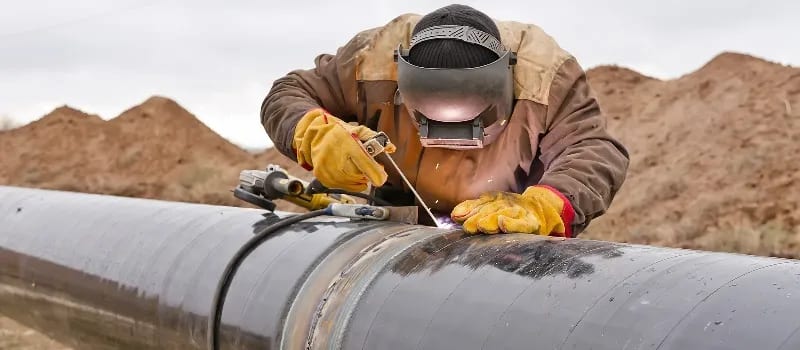
Pipeline welders join sections of pipes together using heat and filler metals. They work on construction sites, oil fields, factories, and sometimes in remote areas. Their main goal is to create leak-proof and strong connections that can handle high pressure and different weather conditions.
A pipeline welder’s day can include:
- Setting up equipment
- Preparing pipe ends
- Using different welding techniques
- Inspecting welds for safety
- Repairing damaged sections
This job can be physically demanding. You may need to work outdoors, sometimes at height or in tight spaces. Welders often travel to job sites, sometimes for weeks at a time.
Key Skills You Need
Pipeline welding is not just about melting metal. You need a mix of technical skill, physical ability, and good work habits.
- Hand-Eye Coordination: Good control ensures accurate welds.
- Attention to Detail: Small mistakes can cause leaks or accidents.
- Physical Stamina: Jobs can require standing, bending, or lifting for many hours.
- Math Basics: Measurements must be exact, so you need to understand units and read blueprints.
- Problem Solving: Sometimes pipes do not fit as expected, or the weather changes your plans.
- Teamwork: Large projects need many welders, helpers, and inspectors.
- Good Communication: Safety depends on clear instructions and warnings.
Many new welders do not realize how much attention to detail matters. Even one small crack or missed spot can fail under pressure. Also, the ability to work calmly under stress is important. Some jobs have strict time limits, and mistakes can be expensive.
Training And Education
You do not need a university degree to become a pipeline welder. Most welders start with a high school diploma or GED. The main learning comes from technical schools, apprenticeships, and on-the-job experience.
Welding School
Technical or vocational schools offer welding programs. These usually last 6 months to 2 years. In school, you learn:
- Basic welding methods (SMAW, GMAW, GTAW)
- How to use welding machines
- Reading blueprints
- Metal properties
Some schools offer programs focused on pipeline welding. These can help you get a job faster.
Apprenticeships
Many welders learn through apprenticeships. These are paid positions where you work with experienced welders. You learn by doing real jobs, starting with simple tasks and moving to harder work. Apprenticeships last 2 to 5 years.
During this time, you learn:
- Pipe fitting and preparation
- Welding in different positions (flat, vertical, overhead)
- Safety rules
- How to inspect welds
Certification
Most employers want certified welders. The American Welding Society (AWS) offers the Certified Welder (CW) test, which is well-known in the U.S. Other countries have their own systems.
You must pass a skills test, often using a specific welding process on a pipe. Some jobs also require extra tests for high-pressure or special materials.
Many beginners do not know that you may need new certifications for each job or employer. Testing is not a one-time thing in this field.
Types Of Welding Used On Pipelines
Not all welding is the same. Pipeline welders use several main methods. Each has pros and cons.
| Welding Method | Common Name | Main Use on Pipelines |
|---|---|---|
| SMAW | Stick Welding | Field welds, outdoor jobs |
| GMAW | MIG Welding | Shop welding, repair |
| GTAW | TIG Welding | Root passes, thin pipe |
| FCAW | Flux-Cored Arc Welding | High-speed, thick pipe |
- SMAW (Shielded Metal Arc Welding): Most common for field pipeline welding. It uses a stick electrode and works well outdoors.
- GMAW (Gas Metal Arc Welding): Good for fast production in shops but less common outside.
- GTAW (Gas Tungsten Arc Welding): Used for the first weld (root pass) inside the pipe. It gives a clean, strong weld.
- FCAW (Flux-Cored Arc Welding): Works fast on thick pipes but needs more equipment.
Some projects need you to use more than one method. For example, you might use TIG for the root pass, then stick weld to fill the rest.
Essential Equipment And Tools
Pipeline welders use many tools on the job. You need to know how to choose, set up, and care for this equipment.
Welding Machine
Most pipeline welders use engine-driven welding machines. These run on gasoline or diesel and can be moved to remote sites. For shop work, electric welders are common.
- Make sure the machine matches the welding process you will use.
- Check the power output and adjust as needed.
Welding Leads And Cables
Strong, long cables connect your machine to your work area. They must handle high current without overheating.
Electrode Holders And Ground Clamps
Electrode holders grip the welding rod. Ground clamps complete the electric circuit. Both must fit your cable size.
Pipe Stands And Rollers
You need pipe stands to hold pipes steady while you weld. Rollers let the pipe turn so you can work around the joint.
Cutting Tools
You may need to cut or bevel the pipe ends. Common tools include:
- Oxy-fuel torches
- Angle grinders
- Pipe cutters
Measuring And Marking Tools
You must measure and align pipes exactly. Use:
- Tape measures
- Pipe squares
- Soapstone for marking
Safety Gear
Safety is not optional. You need:
- Welding helmet with proper shade
- Fire-resistant clothing
- Gloves and boots
- Safety glasses and ear protection
- Respirator for fumes
Many new welders skip quality boots or gloves, but cheap gear can cause burns or injuries. Invest in good safety gear.
Consumables
You must keep a supply of:
- Welding rods or wire
- Shielding gas (for TIG and MIG)
- Grinding wheels
Some job sites provide these, but often you need to bring your own.
Preparing For Your First Pipeline Job
Getting your first job takes planning. Here is what you need to do before you start.
Build Welding Skills
Practice at a school or in your own workshop. Focus on:
- Making clean, even welds
- Passing weld tests for different positions (horizontal, vertical, overhead)
- Working with pipe, not just flat metal
Get Certified
Take the test for the type of welding you want to do. Practice until you can pass without mistakes. Bring your certifications to job interviews.
Make A Resume
Show your welding skills, certifications, and any experience. List any special training, like safety or first aid.
Apply For Jobs
Look for openings with pipeline contractors, construction companies, and energy firms. Many jobs are posted on company websites or trade association pages.
- Be ready for a skills test as part of the interview.
- You may need to travel or work away from home.
Collect Your Tools
Ask what you must bring. Many companies expect you to have your own basic tools and safety gear.
Prepare For The Work Environment
Pipeline welding is often outside. You may work in heat, cold, rain, or snow. You might live in a camp or travel daily to the job site.
Some beginners are surprised by the long hours and tough conditions. It is smart to talk to other welders before your first job to learn what to expect.
Pipeline Welding Steps: From Start To Finish
Pipeline welding follows a set process to make sure every joint is strong and safe. Here is how a typical job works.
1. Pipe Preparation
Clean, straight pipe ends are key for good welds.
- Remove dirt, oil, and paint from the area to be welded.
- Bevel the pipe ends so they fit together with a “V” shape.
- Check for cracks or defects.
2. Fit-up And Alignment
Align the pipes exactly so the weld is even all around.
- Use pipe clamps, spacers, and levels.
- Tack weld the pipes in place. These small welds hold the pipe so it does not move.
3. Root Pass
The first weld (root pass) joins the inside edges of the pipe.
- Use TIG or stick welding for a clean, strong root.
- Watch for burn-through or gaps.
4. Fill And Cap Passes
Add more welds to fill the joint and make a smooth surface.
- Use stick or flux-cored welding for speed and strength.
- Each layer must bond well with the previous one.
5. Inspection And Testing
Inspect the weld for cracks, holes, or weak spots.
- Visual checks come first.
- X-ray, ultrasonic, or magnetic tests may be required.
- Fix any defects before moving on.
6. Clean-up
Remove slag (hardened flux), spatter, and sharp edges. This makes the weld safe and ready for coating or covering.
7. Coating And Protection
Most pipelines get a coating to prevent rust. This may be paint, tape, or a special wrap.
Many new welders think speed is more important than quality. In fact, slow, careful work passes inspection more often and avoids costly rework.
Common Pipeline Welding Positions
Pipes can be welded in several positions. Each one has its own challenges.
| Position | Description | Difficulty Level |
|---|---|---|
| 1G | Pipe flat, rolled as you weld | Easy |
| 2G | Pipe vertical, weld horizontal | Medium |
| 5G | Pipe fixed, weld around | Hard |
| 6G | Pipe at 45°, weld all around | Very Hard |
- 1G: Best for learning. The pipe turns as you weld.
- 2G: The pipe stands up; you weld across it.
- 5G: The pipe does not move; you must weld around it, which is harder.
- 6G: The pipe is fixed at an angle. This is the hardest and most common test position for jobs.
Most pipeline jobs use the 5G or 6G positions. Practice these often. Many beginners focus on easy positions but struggle with the real work.

Credit: www.canadianmetalworking.com
Safety Practices Every Pipeline Welder Must Know
Pipeline welding can be dangerous. You work with high heat, electricity, and sometimes gas or chemicals. Safe habits protect you and your crew.
Personal Protective Equipment (ppe)
Always wear:
- Welding helmet with auto-darkening lens
- Flame-resistant jacket, pants, gloves, and boots
- Safety glasses under your helmet
- Ear plugs in noisy areas
- Respirator if fumes are present
Work Site Safety
- Keep your area clean and free of tripping hazards.
- Store flammable materials away from sparks.
- Check all cables and connections before you start.
- Make sure fire extinguishers are nearby.
Electrical Safety
- Turn off power before changing rods or fixing equipment.
- Use dry gloves and boots.
- Avoid standing in water.
Gas And Fume Safety
- Use fans or work outdoors if possible.
- Check for gas leaks before starting.
- Wear a respirator if you work in a closed space.
Lifting And Moving Pipe
- Use correct lifting techniques.
- Get help or use lifting tools for heavy pipes.
- Watch your hands and feet.
Many new welders do not know that welding fumes can cause serious long-term health problems. Always use ventilation or a respirator, even for short jobs.
Pipeline Welder Career Path And Pay
Pipeline welding can lead to a long and well-paid career.
Entry-level
Most new welders start as helpers or apprentices. You may earn $15–$22 per hour at first. You help set up, clean, and handle tools.
Certified Welder
Once certified, pipeline welders often earn $25–$40 per hour. Some jobs pay more if you travel or work in harsh weather.
Experienced Welder
With more years and advanced skills, pay can reach $50 per hour or more. Some expert welders make over $100,000 per year, especially on big projects.
Inspector Or Foreman
After experience, you may become a welding inspector, supervisor, or foreman. These jobs focus on quality control and team management.
| Position | Typical Pay (USD) | Main Duties |
|---|---|---|
| Helper/Apprentice | $15–$22/hr | Support, basic welding, setup |
| Certified Welder | $25–$40/hr | Welding, pipe fitting, repair |
| Experienced Welder | $40–$60/hr | Advanced welding, testing, training |
| Inspector/Foreman | $70,000–$120,000/yr | Inspection, supervision, planning |
Some people work as contract welders and get paid by the job. These rates can be higher, but work is less steady.
Credit: www.uti.edu
Mistakes Beginners Make
Many new welders run into problems that can delay their progress. Knowing these in advance can save you time and money.
- Skipping Practice: Do not try to get certified before you can make perfect welds in every position.
- Using Wrong Settings: Each job and metal type needs different machine settings. Test on scrap before starting real work.
- Poor Preparation: Dirty or misaligned pipes cause weak welds.
- Ignoring Safety: Even short jobs need full PPE. One accident can end your career.
- Overlooking Certifications: Some jobs need special tests. Check what is required before you apply.
- Forgetting Maintenance: Dirty lenses, old gloves, or worn-out cables can cause poor results.
- Not Asking Questions: If you do not understand something, ask. Mistakes in pipeline welding can be costly and dangerous.
Building A Pipeline Welding Career: Practical Advice
It takes more than skill to succeed as a pipeline welder.
- Network: Join welding associations and talk to other welders. Many jobs are filled by word of mouth.
- Keep Learning: New tools and methods appear often. Take extra courses when you can.
- Stay Organized: Keep your tools clean, your certifications up to date, and your records ready for inspections.
- Be Reliable: Show up on time and finish jobs as promised. Supervisors remember dependable welders.
- Protect Your Health: Wear PPE every time. Take breaks and drink water, especially in hot weather.
- Plan for Travel: Many jobs are far from home. Be ready to work away for days or weeks at a time.
Most welders who stay in this field enjoy solving problems and working with their hands. The pay is good, but the work is not easy.
Resources And Further Learning
If you want more details, check the American Welding Society at AWS Website. They offer guides, certifications, and industry news.
You can also ask local technical schools or welding supply shops about short courses and job fairs. Many employers look for new welders at these events.
Frequently Asked Questions
What Is The Best Welding Process For Pipelines?
The most common process is SMAW (stick welding) because it works well outdoors and makes strong welds. Some jobs use TIG for the first pass and stick for the rest. The best process depends on the pipe material, position, and job rules.
How Long Does It Take To Become A Pipeline Welder?
Most people need 1–2 years in welding school plus 2–5 years as an apprentice. The exact time depends on your skills, practice, and how fast you pass certification tests.
Do Pipeline Welders Travel A Lot?
Yes, many pipeline jobs are away from home. You might travel to another state or work on a remote site for weeks. Some jobs offer travel pay or living expenses.
Is Pipeline Welding Safe?
Pipeline welding can be safe if you follow all safety rules and wear proper gear. Main risks are burns, electric shock, fumes, and heavy lifting. Good training and safe habits help prevent accidents.
What Is The Average Pay For Pipeline Welders?
Entry-level pipeline welders earn $15–$22 per hour. Certified welders often make $25–$40 per hour. Pay can rise with skill, experience, and job location. Some expert welders earn over $100,000 per year.
Pipeline welding is a career with high standards, good pay, and strong demand. If you enjoy precise work and are ready for a challenge, it can lead to a long, rewarding career. Start with good training, focus on safety, and keep learning.
The effort you put in now will pay off for years.

Credit: www.thefabricator.com