Disclosure: This post contains affiliate links and I will be compensated if you make a purchase after clicking through my links. Learn More
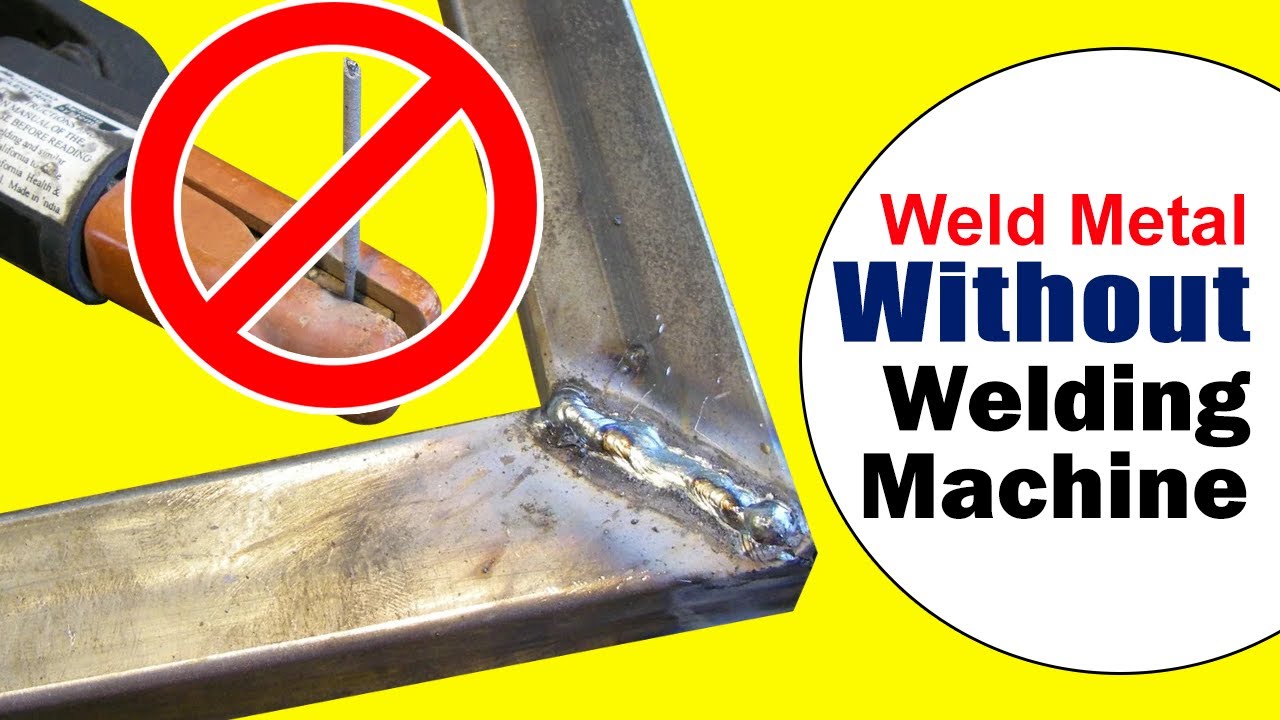
Welding lets you join metal with strong connections. Many people think welding is possible only with a special machine. But sometimes, you need to fix or build something at home and do not own a welder. Is it possible to weld without a welder?
The answer is yes. There are different methods to join metal parts without expensive tools. Some use heat from simple sources, while others use chemical reactions or special adhesives.
This article explains how to “weld” at home without a traditional welder. You will learn about popular techniques, their pros and cons, safety steps, and practical advice. By the end, you will know which method suits your project and how to get good results with basic tools.
Understanding “welding” Without A Welder
People use the word “welding” in many ways. True welding melts metal and fuses it together. A real welder uses electricity or gas to make heat above 1,400°C (2,552°F). But some home methods join metal without reaching this high temperature.
These are not real welding, but they can make strong bonds for repairs and simple projects. The key is to pick the right process for your needs.
Methods To Join Metal Without A Welder
You have several options to join metal at home. Each has its own steps, tools, and results. The main techniques are:
- Brazing
- Soldering
- Epoxy Adhesives
- Mechanical Fastening (Bolts, Rivets, Screws)
- Cold Welding Compounds
- Spot Welding with Car Batteries
- Forge Welding
Let’s look at each method in detail.
Brazing
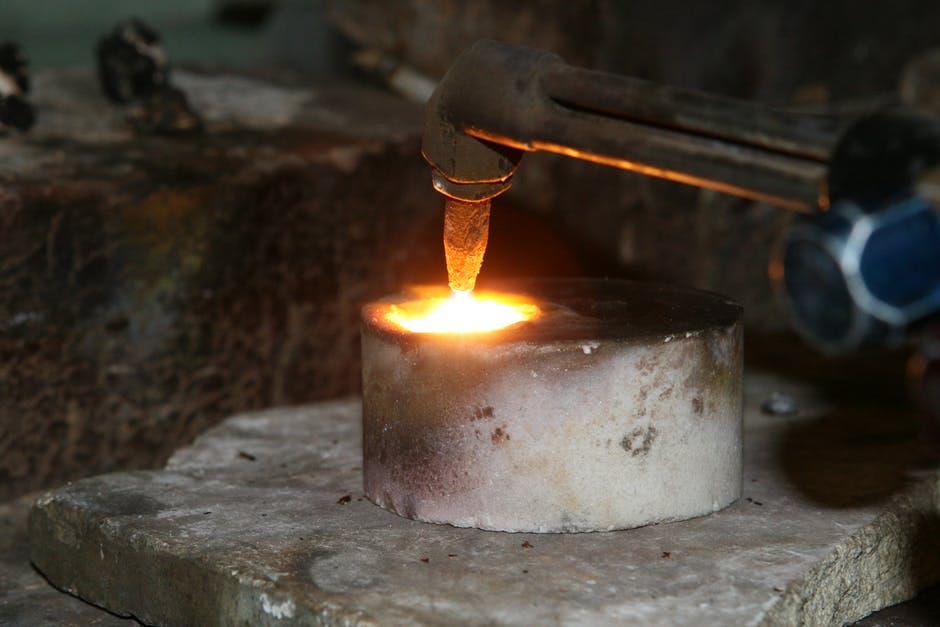
Brazing joins metal by melting a filler metal. The filler melts at 450°C (842°F) or higher but below the base metal’s melting point. This method uses a gas torch, like propane or MAPP gas, which many people have at home.
How Brazing Works
You clean the metal surfaces, heat them with a torch, and apply a filler rod (often brass or bronze). The filler melts and flows into the joint by capillary action, making a strong bond.
Steps For Brazing At Home
- Clean the Metal: Remove dirt, rust, grease, and paint with sandpaper or a wire brush.
- Fit the Pieces: Make sure the gap between metals is small (ideally 0.05-0.2 mm).
- Apply Flux: Flux prevents oxidation and helps the filler flow.
- Heat the Joint: Use a propane or MAPP torch to heat the area evenly.
- Add Filler Rod: When the metal is hot enough, touch the rod to the joint so it melts and fills the gap.
- Cool and Clean: Let the joint cool slowly, then remove any flux residue with water.
What Brazing Can Do
- Strong joints: Works for steel, copper, brass, and aluminum.
- Common uses: Repairing pipes, brackets, and frames.
Advantages
- No expensive welder needed
- Good strength for many home repairs
- Works on different metals
Drawbacks
- Not as strong as true welding
- Joints may not be as neat
- Needs good cleaning and fit-up
Example
Fixing a broken steel chair leg with a propane torch and brass rod. The joint holds up well for daily use.
Soldering
Soldering uses a low-melting filler, usually below 450°C (842°F). You see this in electronics or plumbing. Soldering works best for small or thin metal parts, not heavy-duty structures.
How Soldering Works
A soldering iron or torch heats the joint. Solder melts and flows into the gap, then cools to make the bond.
Steps For Soldering Metal
- Clean the Metal: Use a file or sandpaper.
- Apply Flux: Helps solder stick and prevents oxidation.
- Heat the Joint: Use a soldering iron for electronics or a small torch for plumbing.
- Add Solder: Touch solder to the joint when hot. It should melt and flow in.
- Let it Cool: Do not move the joint until solid.
What Soldering Can Do
- Best for small metal parts or wires
- Good for joining copper, brass, and tin
Advantages
- Simple tools
- Low cost
- Good for small repairs
Drawbacks
- Weak for large or load-bearing parts
- Not for thick steel or aluminum
Example
Joining two copper pipes in home plumbing with a propane torch and lead-free solder.
Epoxy Adhesives
Modern epoxy adhesives let you “weld” metal with chemicals. These glues come as two parts—resin and hardener. When mixed, they form a strong bond that resists water, oil, and some heat.
How Epoxy Works
Epoxy fills gaps and hardens into a strong plastic-like material. It sticks well to most metals. Some epoxies are “metal-filled,” making them stronger.
Steps For Using Epoxy
- Clean the Surface: Remove grease and rust.
- Roughen the Metal: Use sandpaper to help glue stick.
- Mix Epoxy: Follow the instructions for the right ratio.
- Apply Glue: Spread evenly on both surfaces.
- Press Together: Clamp or hold the parts in place.
- Let it Cure: Wait the full curing time (often 24 hours).
What Epoxy Can Do
- Fix broken brackets, handles, or tools
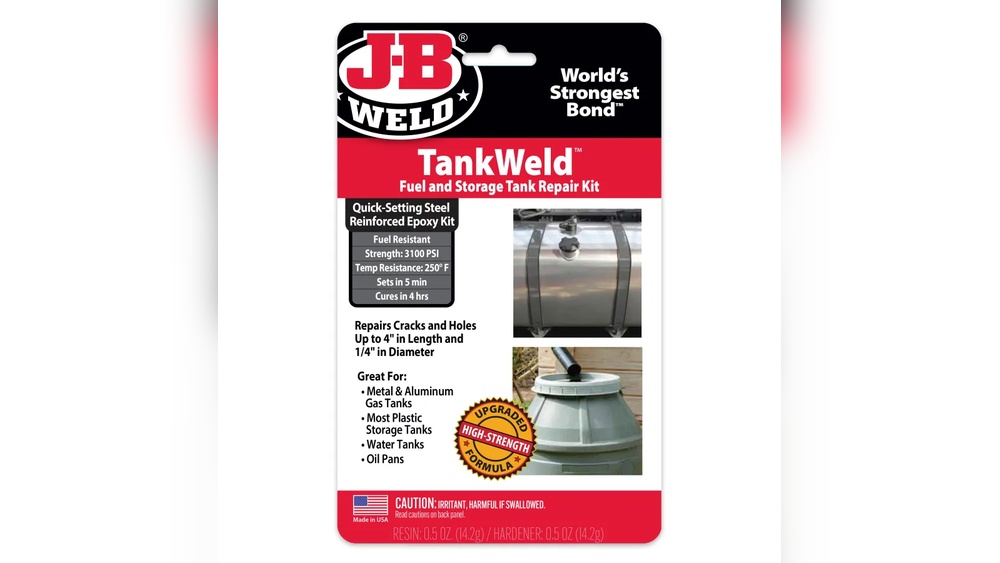
- Seal leaks in tanks or pipes
Advantages
- No heat needed
- Works on many metals
- Easy for beginners
Drawbacks
- Not for high-stress or high-heat joints
- Takes hours to cure
- Bond may weaken over time with vibration or impact
Example
Gluing a metal tab back on a lawnmower deck with metal-filled epoxy. The repair holds well if not under heavy load.
Mechanical Fastening (bolts, Rivets, Screws)
Sometimes, the best way to “weld” metal at home is not welding at all. Mechanical fasteners join metal parts strongly with simple tools.
How Mechanical Fastening Works
You drill holes, then use bolts, nuts, screws, or rivets to connect pieces. This method works for most metals and allows easy disassembly.
Steps For Mechanical Joining
- Mark and Drill Holes: Align parts, clamp, and drill matching holes.
- Fit Fastener: Insert a bolt, screw, or rivet.
- Tighten or Set: Use a wrench or rivet tool.
What Mechanical Fastening Can Do
- Build frames, shelves, or brackets
- Fix broken garden tools or furniture
Advantages
- Very strong, especially for load-bearing joints
- No special skills needed
- Easy to undo or repair later
Drawbacks
- Not waterproof unless sealed
- Needs drilling tools
- May not look as neat as welding
Example
Repairing a cracked metal gate hinge with bolts and nuts. The fix is strong and lasts for years.

Credit: www.forgeway.com
Cold Welding Compounds
Cold welding compounds are putty-like materials that bond metal without heat. They often contain metal powder and cure to a hard finish.
How Cold Welding Works
Mix the compound, press it into the joint or crack, and let it harden. It forms a strong, water-resistant seal.
Steps For Cold Welding
- Clean and Roughen Metal: Use a wire brush and sandpaper.
- Mix the Compound: Knead by hand until color is even.
- Apply to Joint: Press into cracks or between parts.
- Shape and Smooth: Use a wet finger or tool.
- Let it Cure: Most need 1-8 hours to harden fully.
What Cold Welding Can Do
- Patch leaks in fuel tanks, radiators, or pipes
- Fix cracked engine blocks or machinery
Advantages
- No heat or flame
- Quick repairs
- Works underwater (some brands)
Drawbacks
- Not for high-heat areas
- Surface needs good prep
- Not as strong as real welding for large parts
Example
Sealing a pinhole leak in a car radiator with cold weld putty. The repair lasts for months.
Spot Welding With Car Batteries
You can make a basic spot welder with car batteries for small jobs. This is only for thin sheet metal and needs caution.
How Battery Spot Welding Works
Car batteries produce high current for a short time. By touching wires to metal, you can melt and join small spots.
Steps For Diy Spot Welding
- Get Two 12V Car Batteries: Connect them in parallel for more current.
- Use Thick Wires: Attach to battery terminals.
- Clamp Metal Sheets Together: Use C-clamps.
- Touch Wires to Joint: Hold for 1-2 seconds to make a spot weld.
- Move to Next Spot: Repeat as needed.
Safety Warning
This method is risky. Short circuits can cause sparks or burns. Always wear gloves, eye protection, and keep water nearby.
What Battery Spot Welding Can Do
- Join thin steel sheets
- Fix small cracks in sheet metal
Advantages
- No welder needed
- Quick for small jobs
Drawbacks
- Not safe for beginners
- Weak welds
- Only for thin metal
Example
Spot welding thin steel for a battery tab in electronics repair.
Forge Welding
Forge welding is an old method that uses a hot fire to heat metal until soft, then hammering to fuse them. It does not need electricity, only a hot enough flame.
How Forge Welding Works
Heat both metal pieces in a fire (like a charcoal or propane forge) until bright orange. Hammer them together. The heat and pressure join the metals.
Steps For Home Forge Welding
- Build a Simple Forge: Use a firebrick box and charcoal or propane.
- Heat the Metal: Wait until metal glows orange.
- Brush on Flux: Use borax to stop oxidation.
- Hammer the Pieces Together: Strike hard to force metals to bond.
- Cool Slowly: Let the joint cool in air.
What Forge Welding Can Do
- Blacksmith work
- Making knives, chains, or artistic pieces
Advantages
- No electric tools
- Very strong joints
Drawbacks
- Needs experience
- Hard to control at home
- Only for certain metals (steel, iron)
Example
Welding a broken steel chain link in a homemade charcoal forge.
Comparing Home Metal Joining Methods
To help you choose, see how the main methods compare:
| Method | Strength | Tools Needed | Skill Level | Best For |
|---|---|---|---|---|
| Brazing | High (for most repairs) | Gas torch, filler rod, flux | Medium | Pipes, frames, brackets |
| Soldering | Low to Medium | Soldering iron/torch, solder, flux | Easy | Electronics, small parts |
| Epoxy Adhesive | Medium | Epoxy kit, clamps | Easy | Repairs, low-stress joints |
| Mechanical Fastening | High | Drill, fasteners, wrenches | Easy | Frames, heavy repairs |
| Cold Welding | Medium | Putty, gloves | Easy | Patching leaks |
| Battery Spot Welding | Low | Batteries, thick wire | Hard | Thin sheet metal |
| Forge Welding | Very High | Forge, hammer, anvil, flux | Hard | Blacksmith work |
Safety Tips For Home Metal Joining
Working with heat, chemicals, and tools can be risky. Follow these basic safety rules:
- Wear Safety Gear: Always use gloves, eye protection, and long sleeves.
- Work in a Ventilated Area: Fumes from flux, glue, or torches can be harmful.
- Keep a Fire Extinguisher Nearby: Especially when using torches or forges.
- Avoid Inhaling Dust: Sanding or grinding metal makes fine particles.
- Read Product Labels: Some adhesives and fluxes are toxic.
Extra caution is needed when working with car batteries or open flames. Never work alone if you use risky methods.
Examples Of Home Repairs Without A Welder
People use these techniques for many repairs. Here are some real-world examples:
- Fixing a cracked lawnmower deck: Clean the area, roughen with sandpaper, then apply metal epoxy or cold weld putty. Clamp overnight for best results.
- Repairing a broken metal shelf bracket: Drill two holes and bolt a metal plate as a patch. This method is often stronger than the original weld.
- Joining copper water pipes: Use soldering with a propane torch and lead-free solder. Clean the pipe, apply flux, and heat until solder flows.
- Patching a leaking steel tank: Mix cold weld compound, press into the pinhole, and let cure. For a permanent fix, add a bolt-on metal patch.
- Making an artistic metal sculpture: Use brazing to join small rods and sheets with a simple torch.
Common Mistakes Beginners Make
Many people struggle with home metal joining because of these mistakes:
- Poor Cleaning: Even small amounts of oil or rust can weaken the bond.
- Wrong Method Choice: Using solder for heavy metal or epoxy where heat is expected leads to failure.
- Skipping Flux: In brazing and soldering, flux is vital. Without it, the joint will not hold.
- Not Enough Clamping: For glues and epoxies, parts must stay pressed together while curing.
- Overheating or Underheating: In brazing, too much heat burns the flux, too little means the filler does not flow.
How To Choose The Best Method For Your Project
Choosing the right way to “weld” without a welder depends on:
| Project Type | Best Method | Why |
|---|---|---|
| Pipe repair (copper) | Soldering | Low heat, waterproof, strong enough |
| Cracked steel part (light duty) | Epoxy or Cold Welding | No heat needed, quick fix |
| Frame or bracket repair | Brazing or Mechanical Fastening | High strength, reliable |
| Art or craft project | Brazing | Neat, can join thin pieces |
| Heavy load joint | Mechanical Fastening | Strong, can handle vibration |
If you need a permanent, load-bearing joint and cannot weld, choose bolts or brazing. For leaks or cracks, use epoxy or cold welding. For decorative or small work, soldering is enough.
Credit: medium.com
Supplies And Tool Costs
Many home methods are much cheaper than buying a welder. Here’s a rough cost guide:
- Propane torch: $20-$40
- Brazing rods/flux: $10-$20
- Epoxy or cold weld: $5-$15 per pack
- Basic soldering kit: $15-$30
- Drill and fasteners: $30-$50
- Car batteries for spot welding: You may already own them
Most repairs need less than $50 in supplies, not counting tools you may already have.
When To Call A Professional
Some jobs are too big or risky for home solutions:
- Car chassis repairs (safety issue)
- Pressure vessels or gas tanks
- Structural building repairs
If the metal needs to hold heavy loads or keep people safe, use a certified welder. For most home jobs, these methods work well.
Credit: www.youtube.com
Two Insights Many Beginners Miss
- Surface Preparation is More Important Than the Method: A poorly cleaned joint will fail, even with the strongest glue or filler. Spending 10 extra minutes on cleaning and roughening improves every result.
- Test on Scrap Metal First: Before starting your main repair, try the method on a similar piece. You will learn the right heat or glue amount and avoid mistakes.
Where To Learn More
If you want to study more about joining metal without a welder, visit Wikipedia’s Brazing page for detailed info on brazing and related techniques.
Frequently Asked Questions
How Strong Are Metal Joints Made Without Welding?
The strength depends on the method. Brazing and mechanical fastening can reach 70-80% of a real weld’s strength for small parts. Epoxy and cold welding are good for light to medium loads. Soldering is only for low-stress joints.
Can I Use Super Glue To Bond Metal Parts?
Super glue works for small, light pieces but is not strong enough for most metal repairs. It also does not fill gaps well. Use epoxy adhesives for better results.
Is Brazing Safe For Food And Water Pipes?
Yes, if you use lead-free filler rods and flux. Always check the product label. For drinking water, only use materials rated as safe.
What Is The Difference Between Brazing And Soldering?
The main difference is the melting temperature of the filler. Brazing uses higher heat and makes stronger joints. Soldering works at lower temperatures and is for small or delicate parts.
Can I Join Aluminum Without A Welder?
Yes. Special brazing rods for aluminum are available. You need a propane or MAPP torch and the right flux. Epoxy can also work for small aluminum repairs, but not for high-load parts.
Joining metal at home without a welder is possible and practical for many repairs. With the right method, tools, and care, you can complete strong, long-lasting fixes or build new projects. Always focus on safety and preparation for the best results.