Disclosure: This post contains affiliate links and I will be compensated if you make a purchase after clicking through my links. Learn More
Galvanized steel is everywhere. You see it in fences, roofs, buckets, and even car parts. This steel has a special zinc coating that helps stop rust and makes it last longer. But over time, dirt, stains, and even small amounts of rust can stick to the surface. Cleaning galvanized steel the wrong way can damage it and reduce its life. Many people want a simple, safe cleaner. Vinegar is a popular choice because it is easy to find, cheap, and gentle on most metals.
This guide will show you how to clean galvanized steel with vinegar. You will learn why vinegar works, what tools you need, how to clean different types of galvanized steel, and what mistakes to avoid. You will also get tips to protect the steel after cleaning, and see answers to common questions.
If you want your galvanized steel to look better and last longer, this complete article will help you do it right.
Why Clean Galvanized Steel With Vinegar?
Many cleaning products can damage galvanized steel. Strong chemicals, harsh scrubbing, or even regular soap can sometimes remove the zinc coating or make the steel dull. Vinegar offers several advantages:
- It is a weak acid, so it cleans well but rarely damages the zinc coating if used correctly.
- It is safe for most people to handle.
- It is cheap and available in any grocery store.
- It works on common problems like dirt, water stains, light rust, and some kinds of white deposits.
Some people think vinegar will always damage galvanized steel, but this is not true if you use it the right way. The key is to use the right amount of vinegar, not leave it on too long, and rinse well.
Understanding Galvanized Steel And Vinegar
Before you start, it helps to know how galvanized steel and vinegar interact. Galvanized steel is regular steel with a thin layer of zinc. This zinc protects the steel from rust. But if you remove too much zinc, the steel can rust quickly.
Vinegar contains acetic acid, usually about 5%. This acid breaks down dirt, stains, and some rust. If vinegar stays on galvanized steel for a long time, it can slowly eat away the zinc. If you use it for short cleaning jobs and rinse well, it is safe.
Common Uses For Galvanized Steel
You will find galvanized steel in:
- Roofing sheets
- Outdoor fences and gates
- Buckets and watering cans
- HVAC ducts
- Car body parts
- Trash bins
- Outdoor furniture
Each item may need a slightly different cleaning method, but the basics are the same.
When Should You Use Vinegar?
Use vinegar on galvanized steel when you see:
- Dull or dirty surfaces
- Water stains
- White deposits (zinc oxide)
- Light rust spots
Do not use vinegar for heavy rust, deep stains, or very large surfaces unless you can rinse quickly. For those cases, consider other methods.
Tools And Materials Needed
Cleaning galvanized steel with vinegar does not need special equipment. Most people have these items at home:
- White vinegar (5% acetic acid)
- Spray bottle or small bucket
- Soft cloth or sponge
- Old toothbrush or soft brush
- Clean water (for rinsing)
- Dry towel or rag
- Rubber gloves (optional)
- Masking tape or painter’s tape (for protecting nearby areas)
For heavy dirt or tough stains, you may also need:
- Baking soda (as a mild abrasive)
- Small plastic scraper (never use metal)
Gather these supplies before you start to make the job faster and safer.
Step-by-step: Cleaning Galvanized Steel With Vinegar
Follow these steps for the best results. These steps work for most galvanized steel items, whether small or large.
1. Prepare The Area
Move your galvanized steel item to a clean area. If you clean something large, like a roof or fence, pick a dry day and wear gloves and old clothes. Cover any nearby plants, painted surfaces, or concrete with plastic or old sheets.
Vinegar can harm some materials.
2. Remove Loose Dirt
Wipe the surface with a dry cloth to remove dust and loose dirt. For outdoor items, rinse with a hose and let them dry for a few minutes. This step makes vinegar work better.
3. Mix The Vinegar Solution
You can use pure white vinegar or mix it with water for light cleaning. For most jobs, use:
- 1 part white vinegar
- 1 part clean water
For heavy stains or rust, use vinegar without mixing.
Pour the solution into a spray bottle for easy use. For small items, use a bowl or bucket.
4. Apply Vinegar To The Surface
Spray or wipe the vinegar solution onto the galvanized steel. Make sure the surface is wet but not dripping. For vertical surfaces, start at the top and work down.
Let the vinegar sit for 5–10 minutes. Do not leave it longer, or it may damage the zinc.
5. Scrub Gently
Use a soft cloth, sponge, or old toothbrush to scrub the surface. Focus on stains, rust spots, or dirty areas. For corners and grooves, use a brush or cotton swab.
Never use steel wool or a wire brush. These can scratch the zinc and cause rust later.
6. Rinse Well
Rinse the area with plenty of clean water. For small items, use a sink or bucket. For large outdoor items, use a garden hose. Make sure all vinegar is gone.
Dry the surface with a towel or let it air dry.
7. Repeat If Needed
For tough stains or rust, repeat steps 4–6. Two or three rounds are usually enough.
8. Neutralize With Baking Soda (optional)
If you worry about leftover vinegar, mix a small amount of baking soda with water and wipe the surface. This will stop the acid action. Rinse and dry again.

Credit: metalfusionpro.com
Special Cases: Cleaning Different Types Of Galvanized Steel
Not all galvanized steel is the same. Here’s how to adjust your cleaning for different items.
Cleaning Galvanized Roofing
Roofs collect more dirt and can be dangerous to clean. Always work with a partner and use a strong ladder.
- Use a long-handled soft brush.
- Spray vinegar solution in small sections.
- Rinse each section before moving to the next.
- Avoid standing water on the roof.
Cleaning Fences And Gates
Outdoor fences get mud, bird droppings, and sometimes algae.
- Rinse with a hose before using vinegar.
- Scrub stubborn spots with a soft brush.
- Protect nearby plants from vinegar spray.
Cleaning Small Items (buckets, Tools)
These are easier to clean.
- Soak small items in a vinegar bath for 5–10 minutes.
- Scrub with a soft brush.
- Rinse and dry right away.
Removing White Rust (zinc Oxide)
White rust looks like chalky, white spots.
- Use pure vinegar for these spots.
- Scrub gently with a toothbrush.
- Rinse and dry quickly.
Comparing Vinegar With Other Cleaning Methods
Many people ask if vinegar is better than other cleaners. Here is a quick comparison:
| Cleaner | Strengths | Risks | Best For |
|---|---|---|---|
| Vinegar | Cheap, easy, safe if used quickly | Can damage zinc if left too long | Light rust, stains, white deposits |
| Soap & Water | Very safe, no damage risk | May not remove stains/rust | General dirt, regular cleaning |
| Commercial Cleaners | Fast, strong on tough stains | Often too harsh, can remove zinc | Grease, industrial dirt |
| Baking Soda Paste | Mild abrasive, safe for zinc | May not work on heavy rust | Light scrubbing |
For most home uses, vinegar is a good balance of cleaning power and safety.
Mistakes To Avoid When Using Vinegar On Galvanized Steel
People often make simple mistakes that cause problems. Avoid these to keep your steel safe:
1. Leaving Vinegar Too Long
Vinegar works fast. If you leave it for hours, it will eat the zinc.
2. Using Metal Brushes Or Pads
These scratch the coating and speed up rust.
3. Not Rinsing Fully
Leftover vinegar keeps reacting and can make the steel dull or rough.
4. Using Hot Vinegar
Some guides suggest heating vinegar. This makes it stronger and more likely to damage zinc.
5. Cleaning In Strong Sun
Vinegar dries too fast in hot weather, leaving spots and sometimes damage.
6. Skipping Gloves
Vinegar is weak, but it can irritate skin after long use.
7. Ignoring Test Spots
Always test vinegar on a small area first.
How To Protect Galvanized Steel After Cleaning
Cleaning is only half the job. You want the steel to stay clean and strong for years. Here’s how to protect it:
- Dry fully after cleaning. Water left on the surface can cause new stains.
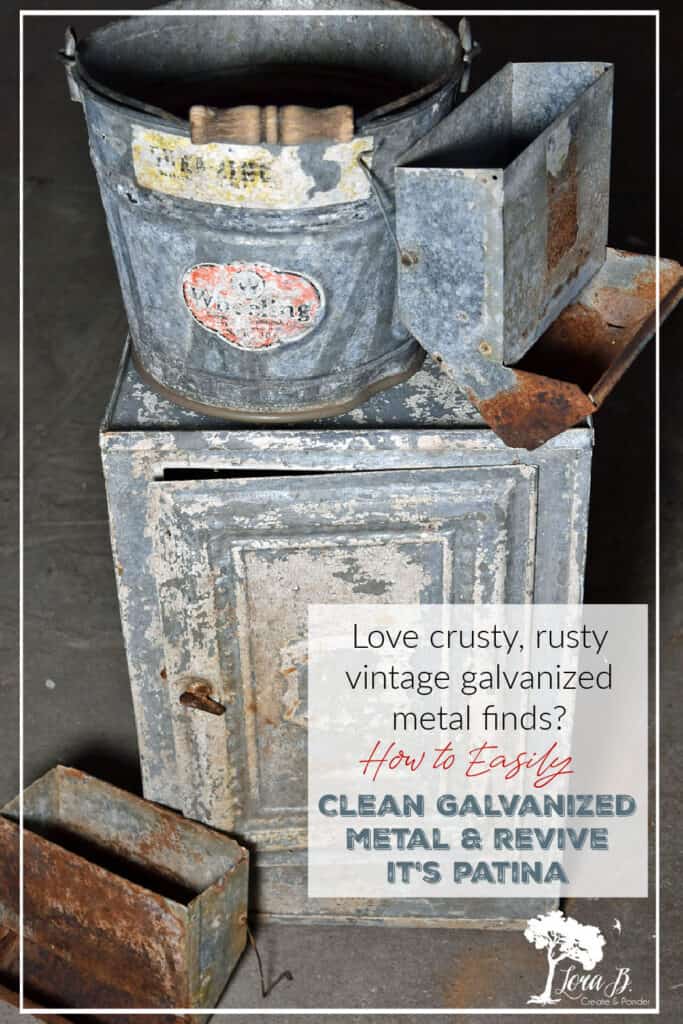
- Apply a clear sealant. For outdoor items, use a spray or paint-on zinc-friendly sealant. This adds a new shield.
- Wax the surface. For small items, a thin layer of car wax can help stop dirt and water.
- Store tools and buckets inside when not in use.
- Fix scratches or chips quickly. Exposed steel will rust if the zinc is gone.
Common Sealants For Galvanized Steel
Here are some options:
| Sealant Type | Protection Level | Typical Use | Reapplication |
|---|---|---|---|
| Clear acrylic spray | Good | Outdoor surfaces | Every 1-2 years |
| Car wax | Moderate | Small items, tools | Every 6 months |
| Oil-based paint | Excellent | Fences, gates | Every 2-5 years |
| WD-40 | Short-term | Quick fix for tools | Every few months |
Check the label to make sure a sealant is safe for zinc or galvanized metal.
Credit: lorabloomquist.com
How Often Should You Clean Galvanized Steel With Vinegar?
You do not need to clean galvanized steel with vinegar every week. Too much cleaning wears down the zinc. In most cases, cleaning once or twice a year is enough. For items that get dirty often, rinse with water first.
Only use vinegar when you see stains or rust.
For example:
- Outdoor furniture: Clean once a year or after a big storm.
- Roofs: Clean every 2–3 years, or when you notice stains.
- Buckets and tools: Clean as needed, but do not soak for long.
Safety Tips For Cleaning With Vinegar
Vinegar is safer than strong chemicals, but you should still be careful.
- Use rubber gloves if you have sensitive skin.
- Keep vinegar away from eyes and mouth.
- Open windows if you clean indoors.
- Do not mix vinegar with bleach or other cleaners—this can make dangerous fumes.
- Keep vinegar away from children and pets.
- Rinse any splashes from nearby stone, tile, or concrete right away.
If you get vinegar on your skin, wash with water. If it gets in your eyes, rinse for several minutes.
What To Do If You See Rust After Cleaning
Sometimes, small rust spots appear after cleaning. This can happen if the zinc coating was already thin or damaged. Here’s what you can do:
- Scrub the rust spot gently with a baking soda paste (mix baking soda with a little water).
- Rinse and dry the spot.
- Apply a zinc-rich paint or cold galvanizing spray to cover the spot.
- For large rust areas, contact a metal professional.
Never leave rust untreated. It will grow and can ruin the steel.
Common Myths About Cleaning Galvanized Steel With Vinegar
Many people repeat myths about vinegar and galvanized steel. Here are some facts:
- “Vinegar always ruins galvanized steel.”
Not true. Vinegar is safe if you use it for a short time and rinse well.
- “You must use strong acids to clean galvanized steel.”
Strong acids like muriatic acid will destroy zinc fast. Vinegar is much safer.
- “Soap and water are always enough.”
Soap works for dirt, but not for rust or white deposits.
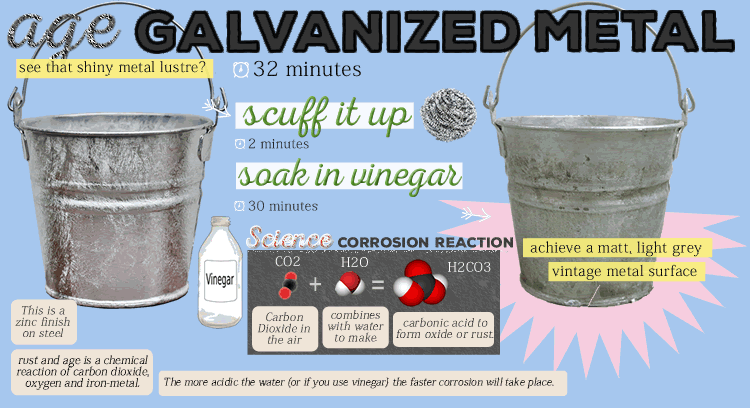
- “You can leave vinegar overnight for deep cleaning.”
Never do this. It will destroy the zinc layer.
- “Galvanized steel does not need protection after cleaning.”
Once the zinc is gone, steel rusts quickly. Always protect the surface.
Credit: www.bucket-outlet.com
Troubleshooting: Problems After Cleaning
Sometimes, things do not go as planned. Here is how to fix common problems:
Steel Looks Dull Or Gray
This means the zinc was slightly damaged. The steel is still safe, but you should use a sealant or wax to protect it.
White Spots Appear After Cleaning
This is new zinc oxide. Wipe with a soft cloth and a little vinegar, rinse, and dry.
Sticky Or Oily Surface
This happens if you do not rinse well. Wash again with clean water and dry fully.
Rust Returns Quickly
The steel may have lost much of its zinc. Cover the area with zinc-rich paint or sealant.
Vinegar Smell Stays On Steel
Rinse with warm water and a small amount of dish soap. Dry fully.
Galvanized Steel Care: Long-term Maintenance
Cleaning is just the start. If you want galvanized steel to last 20–50 years, follow these care tips:
- Wash with water every few months.
- Check for scratches and rust twice a year.
- Reapply sealant or wax as needed.
- Store small items indoors during winter or wet seasons.
- Avoid contact with soil, fertilizer, or animal waste—these can damage zinc.
Tip: If you live near the sea, salt air can wear zinc faster. Clean more often and use extra sealant.
Example: Cleaning A Galvanized Steel Bucket
Here’s a real example of the steps:
- Rinse the bucket with water to remove dirt.
- Mix 1 cup vinegar with 1 cup water.
- Soak a cloth in the solution and wipe the bucket.
- Scrub rust spots with an old toothbrush.
- Let the vinegar sit for 7 minutes.
- Rinse with clean water and dry with a towel.
- For extra shine, rub a little car wax on the surface.
The bucket will look brighter and resist new stains.
Environmental Impact: Is Vinegar Safe?
Many people choose vinegar because they want a safe, green cleaner. Vinegar breaks down in the environment and does not leave harmful chemicals. Compared to strong acids or commercial cleaners, vinegar is much safer for plants, animals, and people.
Still, do not pour large amounts of vinegar on soil or near streams. Always rinse well and use only what you need. For more on vinegar’s safety, check Wikipedia’s acetic acid page.
Frequently Asked Questions
Can Vinegar Remove Heavy Rust From Galvanized Steel?
No, vinegar works for light rust and stains. For heavy rust, the zinc is likely gone. You need a wire brush, rust converter, or new zinc coating.
Will Vinegar Smell Stay On Galvanized Steel?
The smell will fade after rinsing and drying. If it stays, wash the steel with warm water and a bit of dish soap.
How Long Should Vinegar Stay On Galvanized Steel?
Keep vinegar on the surface for 5–10 minutes only. Longer times can damage the zinc coating.
Is Apple Cider Vinegar Safe For Galvanized Steel?
Yes, but white vinegar is better. Apple cider vinegar may leave sticky residue or stains.
Can I Use Vinegar On Painted Galvanized Steel?
Yes, but test a small spot first. Vinegar can fade or damage some paints.
Cleaning galvanized steel with vinegar is a safe, simple way to keep your metal in good shape. Always rinse and dry well, and protect the steel after cleaning. With these steps, your galvanized steel will look better and last longer.