Disclosure: This post contains affiliate links and I will be compensated if you make a purchase after clicking through my links. Learn More
Welding aluminum with a spool gun can be confusing for many, especially if you’re just starting or if you’re used to welding steel. Aluminum behaves differently, and the right spool gun settings are critical for strong, clean welds. Mistakes with the settings lead to poor results, wasted material, and frustration.
This article explains spool gun aluminum welding settings in detail, helping you get the best results from your machine. You’ll find clear advice, common mistakes, and practical tips for every major setting and adjustment. If you want to improve your aluminum welding or just need a reliable reference, you’re in the right place.
Why Aluminum Welding Needs Special Settings
Welding aluminum is different from welding steel or other metals. Aluminum melts at a lower temperature, but it also conducts heat much faster. This means it’s easy to burn through or warp the material if you use the wrong settings.
Aluminum also forms an oxide layer that needs more energy to break through. Because of these qualities, you need to change your spool gun settings compared to welding other metals.
Aluminum wire is soft and can tangle or “birdnest” in a normal wire feeder. That’s why spool guns are so useful—they hold the wire close to the gun, which reduces feeding problems. But the combination of a spool gun and aluminum wire means your settings matter even more.
Key Spool Gun Settings For Aluminum Welding
Getting good results with a spool gun depends on several settings. Each one affects how the weld looks, how strong it is, and how easy the job feels. Here are the main settings you need to adjust:
1. Wire Feed Speed
Wire feed speed controls how fast the aluminum wire moves into the weld. If the speed is too slow, the arc becomes unstable, and the weld looks weak. If it’s too fast, the wire may jam or create excess spatter.
- For thin aluminum (1/16″ or 1.6 mm), start with a lower speed, around 200-300 inches per minute (ipm).
- For thicker aluminum (1/8″ or 3.2 mm and above), increase to 350-500 ipm.
Every machine is different, so test on scrap pieces first. If you hear popping or feel the gun jerking, adjust the speed. A steady “hissing” sound means your feed speed is close to correct.
2. Voltage (arc Voltage Or Heat)
Voltage controls the arc length and overall heat. Aluminum needs more heat than steel because of its high thermal conductivity.
- Thin aluminum (1/16″ or 1.6 mm): Try 17-19 volts.
- Medium (1/8″ or 3.2 mm): Start at 19-22 volts.
- Thick (1/4″ or 6.4 mm): Go up to 23-27 volts.
Too little voltage creates a cold, weak weld that won’t hold. Too much voltage causes burn-through and a wide, messy bead. Adjust in small steps and watch how the bead changes.
3. Amperage
Amperage is linked to wire feed speed in MIG welding, so you don’t usually set it separately. But knowing the right range helps you plan:
- 1 amp per .001 inch of thickness is a good rule. For 1/8″ aluminum, use about 125 amps.
If your machine lets you set amperage directly, start low and increase until you see good penetration without burning through.
4. Shielding Gas Flow Rate
Aluminum welding needs 100% argon shielding gas. Argon protects the weld pool from contamination and helps the arc stay smooth.
- Flow rate: 20–30 cubic feet per hour (CFH) is standard.
- Indoors, you can use 20–25 CFH.
- Outdoors or with wind, increase to 30 CFH.
If you see porosity (tiny holes) or black soot, check for leaks or set a higher flow.
5. Polarity
Spool guns for aluminum must use Direct Current Electrode Positive (DCEP). This means the gun is positive, and the workpiece is negative. DCEP produces a stable arc and helps break through the oxide layer on aluminum.
Check your machine’s polarity settings before you start. If you use the wrong polarity, the weld will not hold.
6. Inductance (if Available)
Some machines let you adjust inductance. More inductance gives a softer arc and less spatter. For aluminum, a medium setting often works best. Set it too high, and the bead gets too wide; too low, and the arc is harsh.
Not all machines have this setting, so check your manual.
7. Pre-flow And Post-flow
Pre-flow sends gas out before the arc starts, keeping the weld area clean. Post-flow continues gas after you finish, protecting the weld as it cools.
- Pre-flow: 0.2–0.5 seconds.
- Post-flow: 1–2 seconds.
These times prevent oxidation at the start and end of each weld.
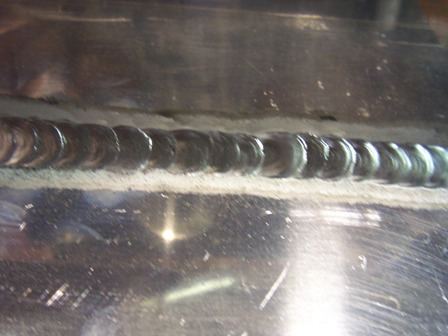
Credit: www.weldingtipsandtricks.com
Table: Typical Settings For Different Aluminum Thicknesses
To make things clearer, here’s a quick reference for common aluminum thicknesses and starting settings:
| Thickness (inches/mm) | Wire Feed Speed (ipm) | Voltage (V) | Gas Flow (CFH) | Polarity |
|---|---|---|---|---|
| 1/16″ (1.6 mm) | 200–300 | 17–19 | 20–25 | DCEP |
| 1/8″ (3.2 mm) | 350–400 | 19–22 | 25–30 | DCEP |
| 1/4″ (6.4 mm) | 450–500 | 23–27 | 25–30 | DCEP |
These are starting points. Always test on scrap before starting your main weld.
Selecting The Right Aluminum Wire
Not all aluminum wires work the same. The most popular wires for spool guns are ER4043 and ER5356.
- ER4043: Good for general work. Flows well and is less likely to crack.
- ER5356: Stronger, especially for marine or structural jobs, but is stiffer and can be harder to feed.
Wire diameter also matters. Most people use 0.030″ (0.8 mm) or 0.035″ (0.9 mm) wire. Thicker wire needs higher settings but is less likely to tangle.
Table: Common Aluminum Wire Types
Here’s a quick comparison of wire types:
| Wire Type | Main Use | Pros | Cons |
|---|---|---|---|
| ER4043 | General purpose, automotive | Easy to weld, smooth bead | Lower strength, not for all alloys |
| ER5356 | Marine, structural | Higher strength, better color match | Can jam in spool guns, less flexible |
Always match wire type to your aluminum base metal for the best results.
Machine Setup Checklist For Spool Gun Aluminum Welding
Before you start welding, go through this checklist to avoid common errors:
- Check polarity: Make sure your welder is set to DCEP.
- Install the right liner: Use a Teflon or plastic liner for aluminum wire. Metal liners cause jams.
- Set tension carefully: Too much tension crushes the wire. Too little causes slipping.
- Clean your work: Remove oil, paint, and especially the oxide layer with a stainless steel brush.
- Secure the gas hose: Any leaks will ruin your weld.
- Use the correct tip size: Use a contact tip one size larger than your wire to prevent binding.
- Purge the gun: Run gas through the gun for a few seconds to clear air.
Missing any step leads to poor welds or wasted time.
Fine-tuning Your Spool Gun For Aluminum
Once you have your basic settings, you may need to make small changes to match the exact job. Here’s how to tune each setting for better results:
Adjusting Wire Feed Speed
- If your weld bead sits on top and doesn’t melt in, increase wire speed.
- If the gun pushes back or sputters, reduce speed.
Adjusting Voltage
- Too little voltage causes a narrow, high bead.
- Too much voltage makes the bead wide and flat.
Change voltage in small steps (0. 5V at a time) and watch the bead.
Changing Travel Speed
How fast you move the gun affects heat. Move too slow, and you’ll burn through. Move too fast, and you’ll get cold welds.
- Aim for a steady, medium pace.
- Practice on scrap to find your rhythm.
Gun Angle
Hold the gun at a 10–15 degree push angle (pointing the gun in the direction of travel). This helps shield the weld and keeps contamination away.
Stickout Length
Stickout is the length of wire from the contact tip to the work. For aluminum, keep stickout short—about 3/8″ (9 mm). Longer stickout causes overheating and poor control.
Common Problems And How To Fix Them
Even with the right settings, problems can happen. Here are the most common issues and what to do:
Birdnesting
This is when the wire tangles inside the gun.
- Use less tension on the feeder.
- Make sure the liner is clean and the right type.
- Use only short leads (10–12 feet or 3–4 meters).
Porosity
Tiny holes in the weld bead mean bad gas flow or contamination.
- Check for leaks.
- Increase gas flow if welding outdoors.
- Clean the base metal well.
Burn-through
Holes in the metal mean too much heat or slow travel.
- Lower voltage or wire feed.
- Move the gun faster.
Cold Welds
If the bead sits on top and doesn’t melt in, you need more heat or slower travel.
- Raise voltage slightly.
- Slow your hand speed.
Excess Spatter
If you see lots of sparks and blobs, your settings are off.
- Lower wire feed or voltage.
- Adjust inductance if possible.
Table: Troubleshooting Common Issues
Here’s a handy reference for quick fixes:
| Problem | Likely Cause | Solution |
|---|---|---|
| Birdnesting | High tension, wrong liner | Lower tension, use Teflon liner |
| Porosity | Bad gas flow, dirty metal | Check for leaks, clean base |
| Burn-through | Too much heat, slow travel | Lower voltage, speed up |
| Cold welds | Low voltage, fast travel | Increase voltage, slow down |
| Excess spatter | High wire speed, wrong settings | Lower wire speed, adjust voltage |
Practical Tips For Better Aluminum Welds With A Spool Gun
Sometimes small changes make a big difference. Here are some tips even experienced welders miss:
- Let the machine warm up: Cold machines can cause bad arc starts.
- Keep the gun cable straight: Kinks or loops cause feeding problems.
- Store wire dry: Moisture causes porosity and poor welds.
- Use dedicated brushes for aluminum: Steel brushes contaminate the surface.
- Replace contact tips often: Worn tips cause bad arcs and wire jams.
Many welders overlook wire storage and cleaning. Storing aluminum wire in a sealed bag with desiccant keeps it dry and ready to use.
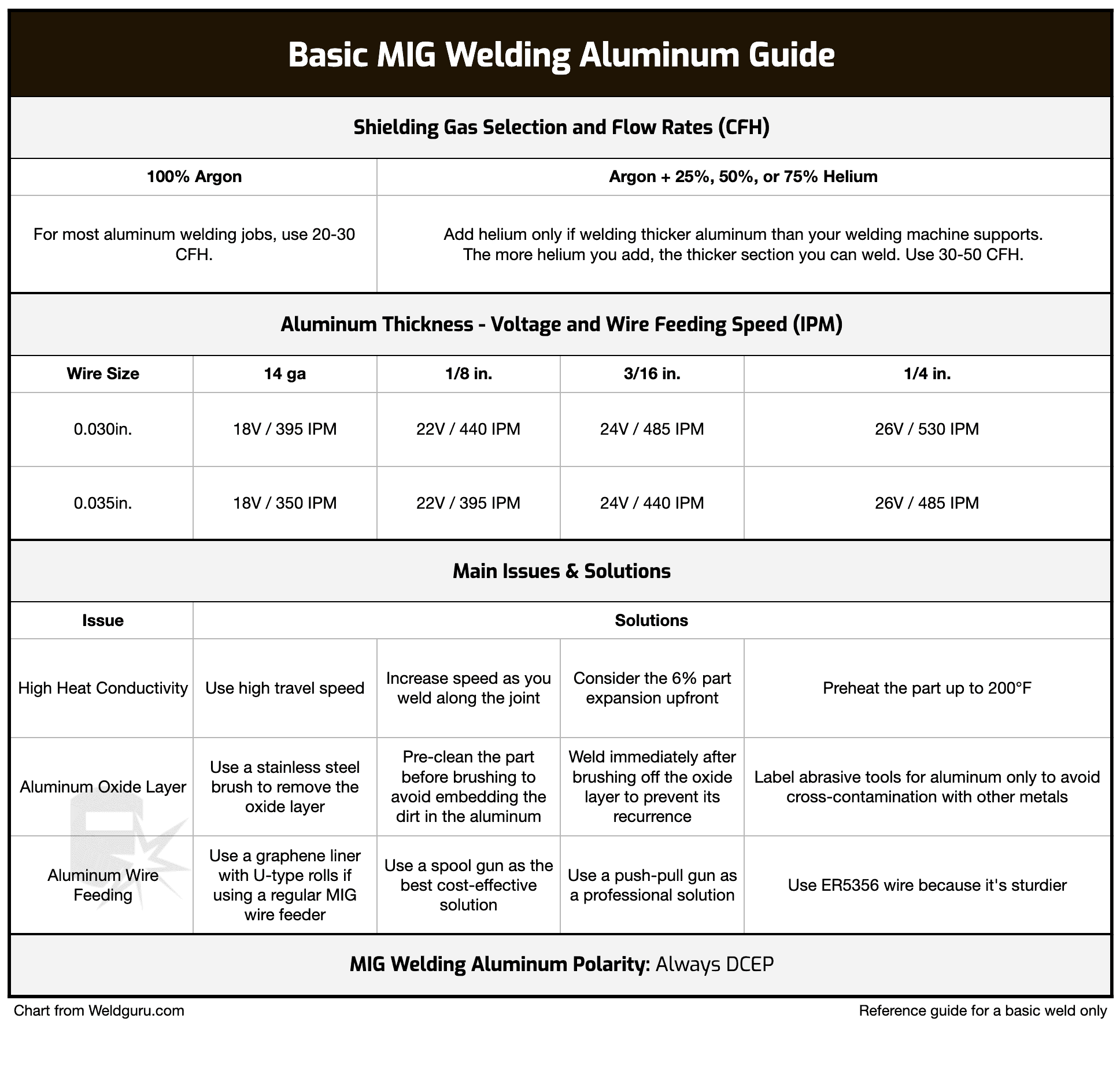
Credit: weldguru.com
Safety Reminders For Aluminum Welding
Aluminum welding creates bright light and fumes. Protect yourself:
- Wear a welding helmet with a shade 11–13 lens.
- Use gloves and a jacket to protect your skin from UV burns.
- Work in a ventilated area, or use a fume extractor.
- Never weld near flammable materials.
Aluminum burns at a lower temperature, but the weld pool is very fluid and can spill easily.
Example: Setting Up For 1/8″ Aluminum Plate
Suppose you need to weld a 1/8″ (3.2 mm) aluminum plate. Here’s a step-by-step setup:
- Wire: 0.035″ ER4043
- Wire feed speed: Set to 350 ipm
- Voltage: Set to 20 volts
- Gas: 100% argon at 25 CFH
- Polarity: DCEP
- Pre-flow/Post-flow: 0.3/1.5 seconds
- Gun angle: 10 degrees push
- Stickout: 3/8″
- Machine: Use a Teflon liner, clean tips
Test on scrap first. Look for a smooth, shiny bead with no holes or soot.
Upgrading Your Skills: Non-obvious Insights
Many beginners forget two important things:
- Ambient temperature changes your settings. If you weld outside on a cold day, the metal pulls heat away faster. You may need higher voltage or slower travel.
- Aluminum expands more than steel. If you make long welds, the material can warp or distort. Use clamps, weld in short sections, and let the piece cool between passes.
Also, keep your wire spool inside the gun until you finish the job. Removing it and putting it back often bends the wire, causing feed problems.
Machine Features That Help With Aluminum
Modern welding machines often include special features for aluminum:
- Pulse MIG mode: Gives better control and less heat input. Great for thin aluminum.
- Soft start: Reduces spatter at arc start.
- Memory settings: Save your favorite aluminum setup for next time.
If you weld aluminum often, look for these features when you buy or upgrade your machine.
When To Choose A Spool Gun
A spool gun is not the only way to weld aluminum, but it’s the best choice for small shops, repairs, or when you need to switch between metals quickly. If you weld aluminum every day, a push-pull system may be better, but spool guns are cheaper and easy to maintain.
Spool guns work best with wire sizes up to 1 lb (0.45 kg) and for jobs up to medium thickness. They are less suitable for long, heavy production runs because you need to change wire spools often.
Cost And Maintenance Considerations
Aluminum wire is more expensive than steel. Spool guns also need regular cleaning:
- Replace liners and tips often.
- Blow out dust and wire shavings every few days.
- Check drive rollers for wear.
A well-maintained spool gun lasts years and gives consistent welds.
Comparing Spool Gun Welding To Other Methods
It helps to know how spool gun welding compares to other popular aluminum welding methods, like TIG or push-pull MIG.
| Method | Ease of Use | Best For | Drawbacks |
|---|---|---|---|
| Spool Gun MIG | Easy | Repair, small jobs | Limited wire size, frequent spool changes |
| Push-Pull MIG | Medium | Production work, long welds | Higher cost, more maintenance |
| TIG | Difficult | Thin material, precise work | Slow, requires more skill |
Spool guns offer the best mix of convenience and quality for most users.
Real-world Example: Repairing An Aluminum Boat
Imagine you need to fix a crack in a 1/8″ aluminum boat hull. Here’s how you would use the spool gun:
- Clean the area with a stainless brush.
- Fit the right wire (ER5356 for marine).
- Set the machine: 350 ipm wire speed, 21V, 100% argon at 28 CFH.
- Weld in short sections to avoid warping.
- Check the bead for porosity and adjust settings as needed.
With the correct settings, you get a strong, watertight repair.
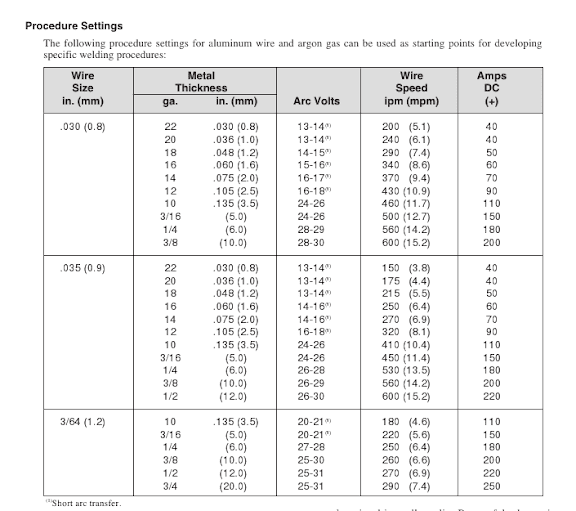
Credit: www.weldingweb.com
Learning Resources And Further Reading
If you want to go deeper into aluminum welding, read your machine’s manual and look for guides on the American Welding Society site. You can also check Wikipedia: Gas Metal Arc Welding for technical details.
Practice and patience matter most. Test settings on scrap, and adjust based on what you see and hear.
Frequently Asked Questions
What Shielding Gas Should I Use For Aluminum Spool Gun Welding?
You should use 100% argon gas. It gives a clean weld and protects the aluminum from contamination. Mixed gases are for steel and won’t work well with aluminum.
How Do I Prevent Wire Birdnesting In My Spool Gun?
Keep the gun cable straight, use a Teflon or plastic liner, and don’t use too much feeder tension. Make sure your contact tip matches the wire size.
Can I Use A Regular Mig Welder For Aluminum With A Spool Gun?
Most modern MIG welders support spool guns, but check for a spool gun port and DCEP polarity. Some low-end welders can’t supply enough power for thick aluminum.
Why Does My Aluminum Weld Have Holes Or Black Soot?
Holes (porosity) and soot often mean bad gas coverage or dirty metal. Check for leaks in the gas line, use enough flow, and always clean the aluminum with a dedicated stainless steel brush.
What Is The Best Wire Size For Aluminum Spool Gun Welding?
0.035″ (0.9 mm) wire is a good all-around choice for most jobs. For thin aluminum, use 0.030″. Thicker wires are harder to feed and can jam in small guns.
Using the right spool gun aluminum welding settings makes the difference between frustration and success. Take your time, start with the suggestions here, and adjust to fit your job. With practice and attention to detail, you’ll get clean, strong aluminum welds every time.