Disclosure: This post contains affiliate links and I will be compensated if you make a purchase after clicking through my links. Learn More
TIG welding is a precise process, known for clean, high-quality welds. But the final result depends on more than just skill and machine settings. The filler rod you use can change the strength, appearance, and corrosion resistance of your weld. Choosing the right filler rod is not always simple, especially with so many alloys and codes. Even experienced welders sometimes face questions about which rod to pick for a certain job.
A TIG welding filler rod selection chart is a valuable tool. It helps you match base metals to the best filler rods, saving time and avoiding costly mistakes. But, to use the chart effectively, you need to understand the key factors: base metal type, joint design, welding position, and the specific requirements of your project. This guide explains everything you need to know about picking the right filler rod for TIG welding. You’ll see how to read selection charts, what the codes mean, and how to avoid common errors that can lead to weak or unsightly welds.
Understanding Tig Welding Filler Rods
TIG stands for Tungsten Inert Gas welding, also known as GTAW (Gas Tungsten Arc Welding). In this process, a non-consumable tungsten electrode creates an arc, and the welder adds a filler rod to the joint. The right filler rod melts into the weld pool, filling the gap and joining the two pieces.
The main purpose of the filler rod is to provide extra material so the weld is strong and complete. The rod’s composition should match or complement the base metals. Using the wrong rod can cause cracking, rust, weak joints, or color mismatch.
Main Types Of Filler Rods
- ER70S-2, ER70S-6: Common for mild steel
- ER308L, ER309L, ER316L: Used for stainless steel
- ER4043, ER5356: Chosen for aluminum
- ER312: Used for joining dissimilar metals
Each code has a meaning. “ER” stands for “electrode or rod. ” The numbers and letters show the rod’s strength and chemistry.
Why Filler Rod Selection Matters
- Strength: The right rod gives the weld full strength, matching the base metal.
- Corrosion resistance: Some rods stop rust and chemical attack.
- Color match: Important for visible welds, especially on aluminum and stainless steel.
- Crack resistance: Picking a rod with the right chemistry avoids weld cracking.
How To Read A Tig Welding Filler Rod Selection Chart
A filler rod selection chart matches base metals with recommended rods. It often includes details like shielding gas, rod diameter, and special notes.
Here is a practical example, showing some common base metals and suitable filler rods:
| Base Metal | Filler Rod | Shielding Gas | Typical Uses |
|---|---|---|---|
| Mild Steel | ER70S-2, ER70S-6 | 100% Argon | General fabrication, pipe, automotive |
| 304 Stainless Steel | ER308L | 100% Argon | Food industry, kitchen equipment |
| 316 Stainless Steel | ER316L | 100% Argon | Marine, chemical processing |
| Aluminum 6061 | ER4043, ER5356 | 100% Argon | Frames, tanks, automotive |
How to use this chart:
- Find your base metal in the left column.
- Check the suggested filler rods.
- Use the recommended shielding gas.
- Read any notes about special uses.
Some charts add more details, like preheat temperature or if special cleaning is needed.
Key Factors In Filler Rod Selection
Picking the right filler rod takes more than reading a chart. You must consider several important factors.
1. Base Metal Type
The base metal is the main factor. Filler rods are designed to match certain metals:
- Mild steel: Use rods like ER70S-2 or ER70S-6.
- Stainless steel: Pick rods like ER308L or ER316L, matching the steel grade.
- Aluminum: Use ER4043 for good flow and ER5356 for higher strength.
- Dissimilar metals: Special rods like ER309L or ER312 join different metals.
2. Welding Position
Some rods work better in flat, horizontal, vertical, or overhead positions. For TIG, most rods can be used in any position, but the welder’s skill and the joint type also play a role.
3. Joint Design And Thickness
- Butt joints, lap joints, fillet joints: Different joints may need rods with certain flow or penetration properties.
- Metal thickness: Thicker metals often need larger diameter rods for proper fill.
4. Desired Weld Properties
Think about what the weld must do:
- Strength: Match the rod’s strength to the base metal.
- Corrosion resistance: In marine or food settings, pick rods with extra resistance.
- Ductility: Some rods make welds less likely to crack under bending.
5. Code And Specification Requirements
Some projects must follow codes (like AWS or ASME). These rules often specify which filler rod to use, especially in structural, pressure vessel, or pipeline work.
6. Appearance And Post-weld Treatment
If the weld is visible, pick a rod that gives a good color match and smooth bead. Some rods polish better than others.
Detailed Tig Welding Filler Rod Selection Chart
Here’s a more detailed chart for common base metals. This chart includes typical rod diameters and welding notes.
| Base Metal | Filler Rod | Typical Diameter (mm) | Notes |
|---|---|---|---|
| Mild Steel (A36, 1018, 1020) | ER70S-2, ER70S-6 | 1.6, 2.4 | ER70S-2 for dirty/rusty steel, ER70S-6 for clean steel |
| Low Alloy Steel (4130, 4140) | ER80S-D2 | 1.6, 2.4 | Preheat may be required for thick sections |
| 304 Stainless Steel | ER308L | 1.6, 2.4 | Low carbon for less carbide precipitation |
| 316 Stainless Steel | ER316L | 1.6, 2.4 | Best for marine and chemical use |
| Aluminum 6061 | ER4043 | 1.6, 2.4 | Good flow, best for castings and general repair |
| Aluminum 5083, 5086 | ER5356 | 1.6, 2.4 | Higher strength, not for high-temp service |
| Cast Iron | Nickel-based filler | 1.6, 2.4 | Usually requires preheat, slow cooling |
| Copper alloys (brass, bronze) | Silicon bronze (ERCuSi-A) | 1.6, 2.4 | Good for joining copper to steel |
| Dissimilar Metals | ER309L, ER312 | 1.6, 2.4 | For joining stainless to mild steel |

Credit: weldnix.com
Decoding Filler Rod Codes
Each filler rod has a code that tells you about its properties.
For example, ER70S-6:
- E: Electrode
- R: Rod
- 70: Tensile strength (70,000 psi)
- S: Solid (not flux-coated)
- 6: Chemistry/additive (higher deoxidizers, for welding over rust or mill scale)
For stainless steel, ER308L:
- 308: Grade of stainless
- L: Low carbon (less than 0.03% carbon)
For aluminum, ER4043 or ER5356:
- 4043: 5% silicon, good flow, less crack sensitive
- 5356: 5% magnesium, stronger, sometimes can crack if base metal contains too much silicon
Understanding these codes helps you pick the best rod, especially when working with unfamiliar materials.
Common Tig Filler Rod Alloys Explained
Here’s a closer look at the most-used TIG filler rods and what makes each one unique.
Er70s-2
This is a mild steel rod with extra deoxidizers. It works well on steel with rust, oil, or mill scale. Welders use it for repair work and pipe welding where perfect cleaning is not possible.
Er70s-6
This rod flows better and is best for clean steel. It produces a smooth, strong weld and is popular for automotive and structural work.
Er308l
A go-to choice for welding 300-series stainless steels, especially 304. The “L” means low carbon, which reduces carbide buildup and makes the weld more resistant to corrosion.
Er309l
Used for welding dissimilar metals, like stainless steel to mild steel. It contains more chromium and nickel, which helps stop cracks.
Er316l
This filler rod is for 316 stainless, which resists chemicals and saltwater better than 304. The low carbon content helps prevent corrosion after welding.
Er4043
A favorite for welding aluminum alloys, especially 6061. It has good flow, is easy to use, and resists cracking. The weld bead is usually shiny and smooth.
Er5356
Used for stronger aluminum welds, such as in boat building and automotive frames. It contains magnesium, which gives more strength but can sometimes lead to cracks if the base metal is high in silicon.
Ercusi-a (silicon Bronze)
Used for copper alloys and joining copper to steel. It is also useful in sheet metal repair and automotive bodywork.
Nickel-based Fillers
These rods are used for cast iron or joining steel to cast iron. They are more expensive but create a flexible weld that resists cracking.
Practical Tips For Choosing Tig Filler Rods
Even with a chart, picking the right rod can be tricky. Here are some tips based on real experience:
- Match the base metal: This is the starting point for most jobs. If you’re not sure of your metal, test a small area or check with a magnet (stainless steel is not always magnetic).
- Check for special conditions: If the weld will be in saltwater, food processing, or exposed to chemicals, always choose a rod with extra corrosion resistance.
- Use the right diameter: For thin metal (1-2 mm), use 1.6 mm rods. For thicker material, use 2.4 mm or even 3.2 mm rods. Using too thick a rod can cause poor fusion.
- Preheat thick or hardenable steels: Some steels (like 4130 chromoly) need to be preheated before welding to prevent cracks.
- Avoid mixing rods: Don’t try to combine rods hoping to get the best of both. Chemical imbalance can make the weld weak.
- Always clean aluminum: Even with the right rod, dirty aluminum causes poor welds.
- Test a sample: If you have doubts, weld a test joint and inspect for cracks, porosity, or color mismatch.
Filler Rod Selection For Special Applications
Some welding jobs present unique challenges. Here’s how to handle them:
Welding Dissimilar Metals
Joining stainless steel to mild steel, or copper to steel, needs special filler rods. ER309L and ER312 are designed for such jobs, as they handle the differences in expansion and chemistry.
Welding Thin Metals
For thin sheet metal, pick a smaller diameter rod and a rod that flows easily, like ER70S-6 for steel or ER4043 for aluminum.
Food And Medical Equipment
Always use filler rods with low carbon content (like ER308L or ER316L) to reduce the risk of corrosion after repeated cleaning and sterilization.
Marine And Chemical Exposure
Use ER316L for stainless steel exposed to saltwater or chemicals. For aluminum, ER5356 gives higher strength in harsh conditions.
Repair Work
For repairing old or unknown metals, use a filler rod with extra deoxidizers (like ER70S-2 for steel). For cast iron repair, nickel-based rods are the standard.
How Filler Rod Diameter Affects The Weld
The diameter of your filler rod has a direct impact on your weld quality and speed.
- Thin rods (1.0–1.6 mm): Best for thin sheet metal. They melt quickly and allow precise control.
- Medium rods (2.0–2.4 mm): Good for most general welding tasks.
- Thick rods (3.2 mm and above): Used for heavy plate or thick pipe.
If you use too thick a rod for thin metal, you’ll have trouble controlling the weld pool and may burn through. If you use a thin rod on thick metal, you’ll struggle to fill the joint and may have weak spots.
Common Mistakes Beginners Make
Many new welders make mistakes when choosing filler rods. Avoid these common errors:
- Guessing the base metal: Always check the metal type before picking a rod.
- Ignoring corrosion risks: Using the wrong rod can cause rust or chemical attack.
- Wrong diameter: Using too thick or too thin a rod can ruin the weld.
- Not following code requirements: Some jobs require specific rods for safety or inspection reasons.
- Skipping preheat or post-weld treatment: Some alloys need special care to avoid cracks.
- Mixing rods: This leads to unpredictable results and can weaken the weld.
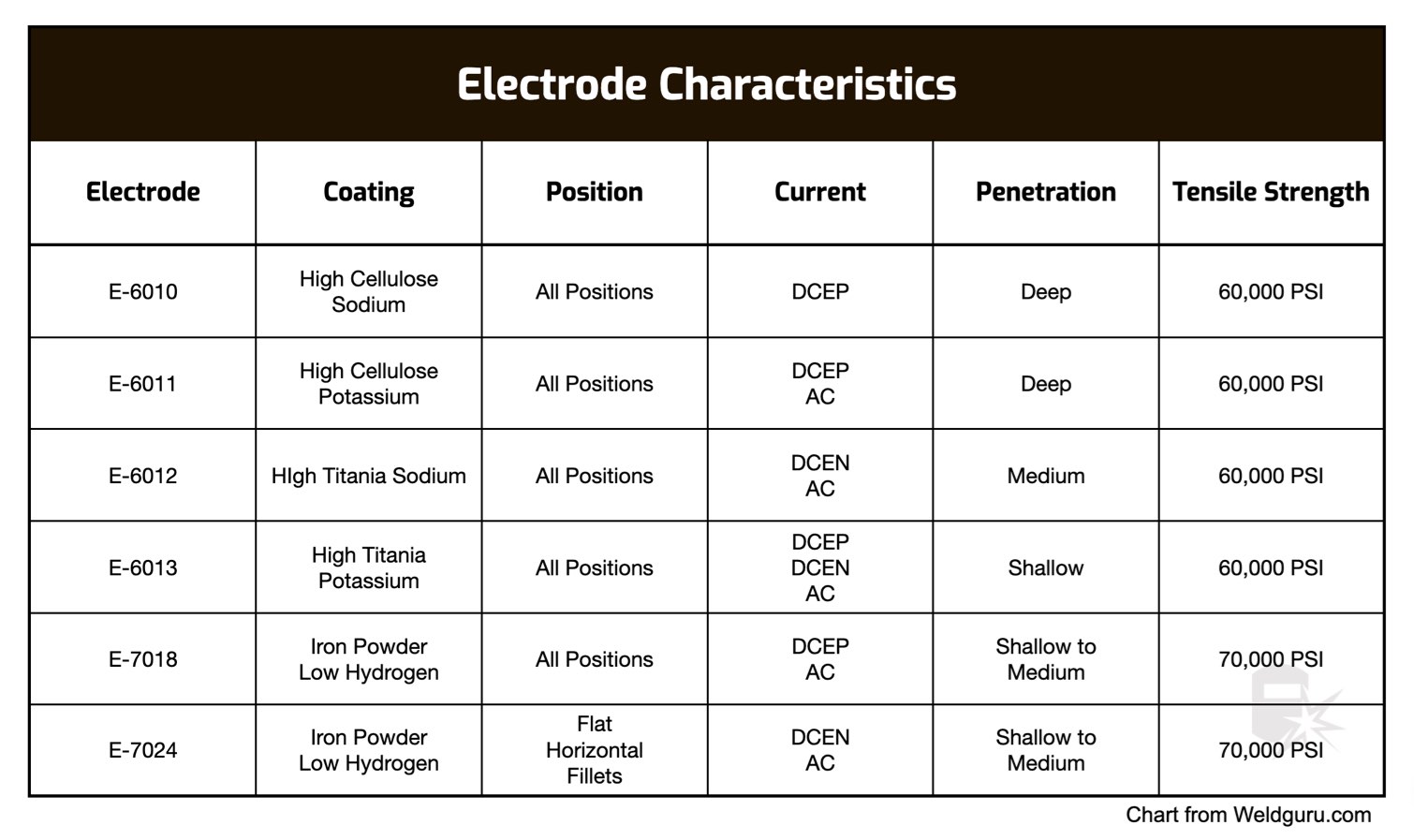
Credit: weldguru.com
Tig Filler Rod Selection: Quick Comparison By Material
To help you compare quickly, here’s a simple reference for the most common metals:
| Material | Best Filler Rod | Why Use It? |
|---|---|---|
| Mild Steel | ER70S-6 | Good flow, strong welds, easy to use |
| 304 Stainless Steel | ER308L | Low carbon, corrosion resistant |
| 316 Stainless Steel | ER316L | Best for marine and chemical use |
| Aluminum 6061 | ER4043 | Best flow, easy welding |
| Aluminum 5083 | ER5356 | Higher strength, tougher welds |
| Cast Iron | Nickel-based | Flexible weld, resists cracks |
Selecting Filler Rods For Tig Welding Aluminum
Aluminum needs special care during TIG welding. There are two main filler rods:
- ER4043: Used for most general welding. It flows smoothly and is less likely to crack. It is often used on 6061 and 3003 alloys.
- ER5356: Gives higher strength and is used for 5xxx series aluminum alloys. It is popular for structural parts and marine work.
A non-obvious tip: If color match after anodizing is important (for example, on visible parts), ER5356 is usually better. ER4043 can turn dark after anodizing.
Filler Rod Storage And Handling
Proper storage of your filler rods is often overlooked but is important for quality welds.
- Keep rods dry: Moisture can cause hydrogen cracking, especially in steel rods.
- Use original packaging: This keeps rods clean and labeled.
- Store rods in a rod oven: For critical jobs, especially low-alloy and stainless rods, use a heated rod oven to prevent moisture pickup.
- Handle with clean gloves: Oils from your hands can contaminate the rods.
What To Do When You’re Not Sure
Sometimes the base metal is unknown, or you have no chart. What can you do?
- Spark test: Lightly grind the metal and look at the sparks. Mild steel gives long, straight sparks; stainless gives short, bushy sparks; aluminum gives none.
- Magnet test: Mild steel is strongly magnetic. Stainless can be weakly magnetic or not at all.
- Weld test: Try a small weld with a general-purpose rod. Inspect for cracks, porosity, or poor fusion.
- Ask a supplier: Many welding supply shops will help you identify metals and recommend the right rod.
If you’re still unsure, use a filler rod with extra deoxidizers (like ER70S-2) or a rod for dissimilar metals (like ER309L) for small, non-critical repairs.
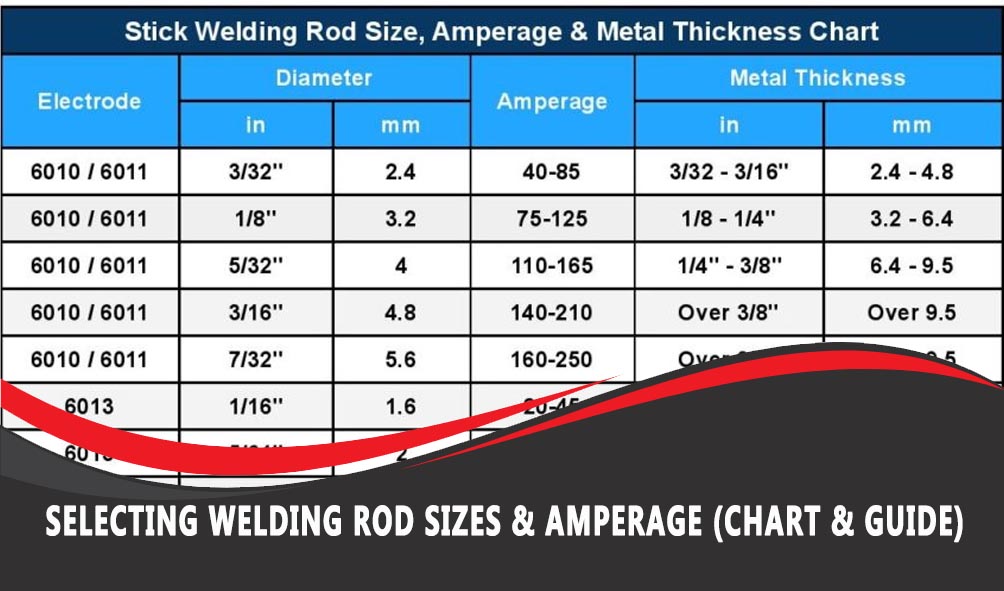
Credit: www.perfectwelders.com
Helpful Reference For Filler Rod Selection
For more detailed charts and technical data, you can visit the Lincoln Electric Filler Metal Selection Guide. This resource offers in-depth charts, specification sheets, and selection guides for all major metals and alloys.
Frequently Asked Questions
What Happens If I Use The Wrong Tig Filler Rod?
If you use the wrong rod, the weld may crack, rust, or fail under stress. Sometimes, the weld color will not match, making repairs obvious. Always try to match the rod to the base metal and the job’s requirements.
Can I Tig Weld Without Filler Rod?
Yes, you can “autogenous weld” (fuse the base metals without filler) on some thin metals. But most structural or repair welds need a filler rod for strength and to fill the joint.
How Do I Know What Diameter Filler Rod To Use?
Choose a rod close to the thickness of the metal. For 1-2 mm sheet, use 1. 6 mm rods. For 3-6 mm plate, use 2. 4 mm rods. If unsure, start small and adjust.
Why Do Some Aluminum Welds Turn Black After Tig Welding?
Black welds often mean poor cleaning, contaminated rods, or wrong gas flow. Make sure to brush and degrease aluminum before welding. Use only pure argon gas.
Can I Use Mig Wire As Tig Filler Rod?
You can use MIG wire for TIG in some cases, if the chemistry matches and the wire is clean. Cut the wire to length and clean it before using as a TIG filler.
TIG welding filler rod selection may seem complex at first, but with practice and the right information, it becomes second nature. Using a filler rod selection chart helps you avoid errors and produce strong, clean welds every time. Keep your rods clean, check your base metal, and always use the recommended rod for the job.
Over time, you’ll develop a natural sense for which rod to use, but a reliable chart will always be a good backup.