Disclosure: This post contains affiliate links and I will be compensated if you make a purchase after clicking through my links. Learn More
What is spot time on a MIG welder? It’s a timer setting that controls how long the arc stays on after you pull the trigger. When that time runs out, the machine stops the wire and breaks the arc, so every spot weld comes out the same size.
You’ll find a spot timer on many shop and auto body MIG machines, from older Miller units to newer Everlast and Boss inverter welders. It takes the guesswork out of tacks and plug-style spot welds on thin sheet steel.
What Is Spot Time on a MIG Welder?
Spot time is the length of time the arc runs during one spot weld. You set it with a SPOT TIME knob or menu item, pull the trigger once, and the welder ends the weld on its own when the timer runs out.
The goal is repeatability. HP Academy’s MIG course says the spot weld timer helps a machine produce spot welds that are identical in size. That matters when you lay dozens of spots along a panel seam.
How the MIG Spot Timer Works
Miller’s owner’s manual for the MW-4150 and MW-4200 lays out the sequence for GMAW spot welding:
- You pull the gun trigger, and the wire and shielding gas start to feed.
- The arc stays on for the full time set on the SPOT TIME control.
- When the time is up, the wire stops feeding, the contactor opens and the arc breaks.
For a true spot weld, Miller says to hold the gun directly on the top sheet and keep it still. The arc melts through the top sheet and fuses it to the sheet underneath.
Because the timer ends the arc for you, your reaction time no longer sets the weld size. A short spot gives a small nugget, and a longer spot gives a bigger, deeper one.

Credit: www.youtube.com
Spot Timer vs Stitch Timer
Many machines with a spot timer also have a stitch timer. The two sound alike but do different jobs.
| Feature | Spot timer | Stitch timer |
|---|---|---|
| Trigger use | One pull, one timed weld | Hold the trigger down |
| What the arc does | Runs once for the set time, then stops | Cycles on and off by itself |
| Typical job | Tacks and single spot welds | Seam welds that skip areas |
| Main benefit | Same size weld every time | Less heat in the panel to limit warping |
Everlast describes the stitch timer as a mode where the unit cycles on and off by itself so you can keep the trigger held. Both features can be turned off for regular MIG welding.
What Spot Time Is Used For
Repeatable Tack Welds
Everlast says the spot timer can be set to make a repeatable, same-size tack weld every time. That helps during fit-up, when uneven tacks can pull parts out of line.
Sheet Metal and Body Panels
Miller notes that you can weld sheet steel with spots about 1 to 1-1/2 inches (25 to 38 mm) apart in place of a continuous weld. The manual shows a fender repair done with a spot nozzle.
Work Near Trim and Upholstery
Miller says GMAW spot welding produces little heat, so little distortion results. The same manual says it’s often used when welds sit close to upholstery, rubber or other flammable materials.
Chassis and Automotive Seams
HP Academy points out that spot timers are common on machines built for automotive work. They help copy the spot-welded seams you see on many race car chassis.
How to Set Spot Time on a MIG Welder
Every machine labels its controls a little differently, so start with the chart in your machine’s door or the owner’s manual. The steps below follow the layout in the Boss Inverter MIG 165 and 200 manual.
- Turn the mode selector to spot so the timer is active.
- Fit a spot welding nozzle to the MIG gun. Boss recommends it for even spot welds.
- Set voltage and wire speed. Boss says to pick higher voltage positions and set wire speed between 354 and 590 ipm (9 to 15 m/min).
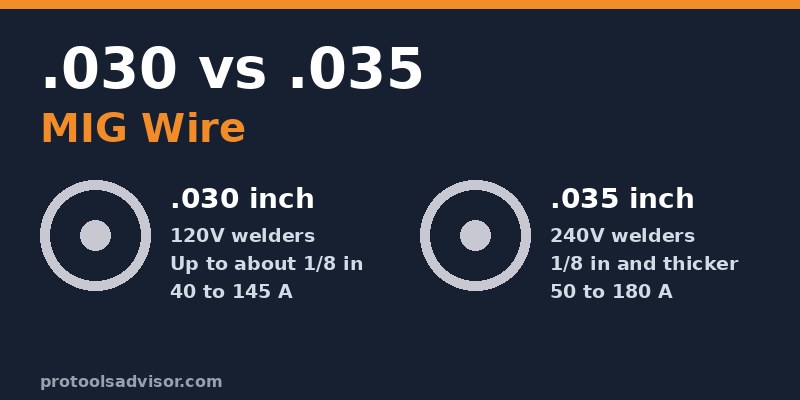
- Use the right wire. Boss says its inverter MIG series spot welds well with 0.8 to 1.2 mm wire (about .030 to .045 in.) and that 0.6 mm wire limits penetration.
- Set a short spot time, weld a test spot on scrap of the same thickness, and raise the time until the spot fuses through to the bottom sheet.
- Set burnback time so the wire doesn’t stick in the puddle at the end of each spot.
Check the back of each test piece. A good spot shows a small heat mark or bump on the bottom sheet. No mark means you need more time or more heat.

Credit: www.youtube.com
MIG Spot Time vs Resistance Spot Welding
A MIG spot weld uses the arc from your MIG gun to melt through the top sheet from one side. You only need access to one face of the panel.
A resistance spot welder squeezes two sheets between copper electrodes and passes current through them. It needs access to both sides and doesn’t use wire or shielding gas. The term “spot weld” covers both, so check which one a repair manual means.
Pros and Cons of Using Spot Time
Pros:
- Same size spot or tack every time.
- Less heat in thin panels, so less warping.
- Easier to keep spots even along a long seam.
- Works from one side of the panel.
Cons:
- Only some machines have a spot timer.
- You need test spots on scrap to dial in the time.
- Thin wire, such as 0.6 mm, limits how deep the spot goes on Boss inverter machines.
Safety Notes
Spot welds still throw sparks and arc light, so wear a welding helmet with the right shade, gloves and a jacket. When you weld near seats, carpet, wiring or rubber trim, remove what you can, cover the rest and keep a fire extinguisher within reach.
On a car, follow the vehicle maker’s guidance on disconnecting the battery before you weld.
Frequently Asked Questions
What does the spot timer do on a MIG welder?
The spot timer sets how long the arc runs after you pull the trigger. When the time ends, the welder stops the wire and breaks the arc on its own. This gives you the same size spot or tack weld each time, without timing the trigger by hand.
What is the difference between spot and stitch on a MIG welder?
Spot mode makes one timed weld per trigger pull and then stops. Stitch mode keeps cycling the arc on and off by itself for as long as you hold the trigger. Spot suits tacks and single spots, and stitch suits seam welds where you want to limit heat and warping.
How long should spot time be on a MIG welder?
There’s no single number, because the right time depends on your machine, wire size, voltage and sheet thickness. Start with the chart in your machine’s door or manual, then set a short time and test on scrap. Raise the time until each spot fuses into the bottom sheet.
Can you spot weld with a MIG welder without a spot timer?
Yes. You can pull and release the trigger by hand to make spot or plug welds, and many welders drill a hole in the top sheet first. The difference is that weld size depends on your timing, so spots vary more than they do with a spot timer.
Do you need a special nozzle for MIG spot welding?
A spot welding nozzle helps. It sits flat on the work, holds the gun at the right distance and keeps the gun still during the spot. Boss recommends fitting one to the MIG gun for even spot welds, and Miller shows one in use on a fender repair.
Final Words
Spot time on a MIG welder is a simple timer that ends each weld for you. It turns tacks and sheet metal spot welds into a repeatable step instead of a guess.
If your machine has the feature, start with the settings in its manual, use a spot nozzle and test on scrap of the same thickness. Once the back of the test piece shows a clean fusion mark, you’re ready for the real panel.