Disclosure: This post contains affiliate links and I will be compensated if you make a purchase after clicking through my links. Learn More
Flux core welding is popular with both professionals and hobbyists. Many people like it because it is simple and can work outdoors. But there is one question that often comes up: Does flux core welding require gas? The answer is not as simple as yes or no. This article will give you a clear explanation about flux core welding, when it needs gas, and why. We will also look at the types of flux core wire, how they work, and what you should know before you start.
If you are new to welding or you want to improve your knowledge, you will find practical advice here. We will explain the science, compare it to other welding methods, and help you avoid common mistakes. You will also see real examples and data so you can make better decisions.
What Is Flux Core Welding?
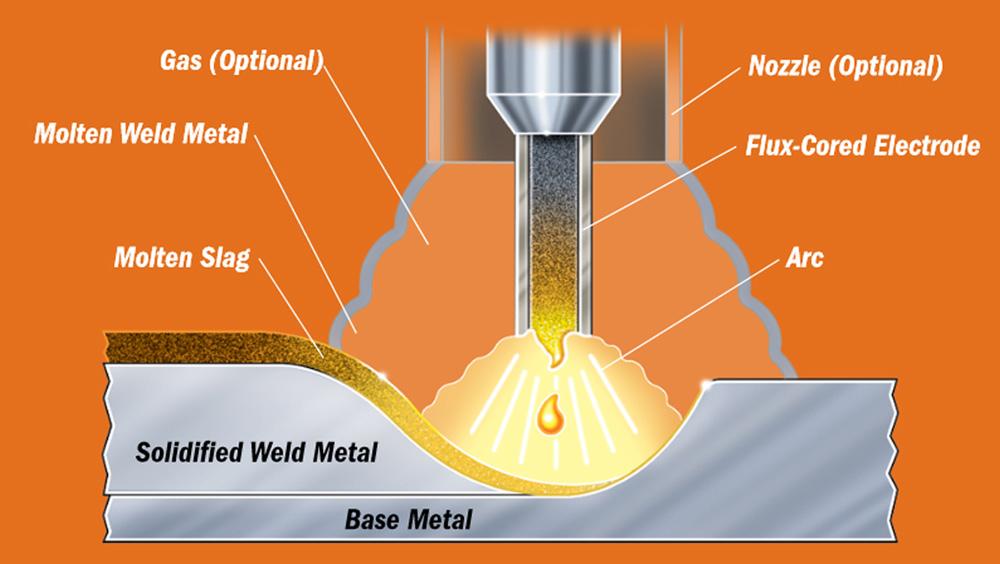
Flux core welding, or FCAW (Flux-Cored Arc Welding), uses a special wire with flux inside. The flux protects the weld from air. This makes it different from MIG welding, which needs a separate gas tank. In flux core welding, the wire feeds through the welding gun and melts. The flux inside the wire turns into gas and slag. The gas shields the weld, and the slag covers it until it cools.
People use flux core welding for many reasons:
- It works well outdoors, even in wind.
- It is good for thick or dirty metal.
- It can weld faster than stick welding.
Many construction workers, farmers, and car repair shops use this method. It is also common in shipyards and for building bridges.
Does Flux Core Welding Require Gas?
This question creates confusion because the answer depends on the type of wire. There are two main types of flux core wire:
- Self-shielded flux core wire (FCAW-S)
- Gas-shielded flux core wire (FCAW-G)
Self-shielded Flux Core Wire (fcaw-s)
Self-shielded wire is the most common type for home and outdoor use. It does not require any external gas. The flux inside the wire makes a protective gas when it burns. You do not need to buy or carry a gas cylinder. This type is good for working outside because wind cannot blow away the shield easily.
Many small flux core welders at hardware stores use this wire. People like it because it is simple and portable.
Gas-shielded Flux Core Wire (fcaw-g)
Gas-shielded flux core wire is used in factories and large projects. This wire does require external gas. The flux inside the wire helps, but you also need a gas tank, usually with CO2 or a mix of CO2 and argon. The extra gas gives better welds and less spatter. It is not good for outdoor use because wind can blow the gas away.
You will find this wire in big welding shops, shipyards, and places where the welds must be very strong.
Key Differences
Here is a quick comparison to make it clear:
| Type | Needs Gas? | Best Use | Shielding Source |
|---|---|---|---|
| Self-shielded (FCAW-S) | No | Outdoor, repair, home | Flux in wire |
| Gas-shielded (FCAW-G) | Yes | Industry, heavy work | Flux + external gas |
How Does The Flux Work?
The flux is a special material inside the wire. When you weld, the flux melts and makes gas. This gas keeps air away from the hot metal. If air touches the weld, it makes holes and weak spots.
The flux also makes a layer called slag. The slag forms on top of the weld and protects it while it cools. You remove the slag after the weld is cool. This is different from MIG welding, which does not make slag.
Some beginners think that the flux is enough for all jobs. That is not true. Self-shielded wire is good for many tasks, but not for everything. In some cases, you need more protection from an external gas.
Why Do Some Flux Core Wires Need Gas?
Gas-shielded flux core wire gives better welds for tough jobs. Factories and shipyards use this type because they need strong, clean welds. The extra gas makes the weld metal cleaner and stronger. It also reduces spatter and makes the weld look better.
The gas used is often 100% CO2 or a mix of argon and CO2. Each mix gives different results:
- 100% CO2: Deeper weld, more spatter, cheaper.
- 75% Argon / 25% CO2: Smoother weld, less spatter, more expensive.
Welders choose the gas based on what they need. For example, if the metal is very thick, they use more CO2 for deeper welds.
When To Use Self-shielded Vs. Gas-shielded Wire
Choosing the right wire depends on your project. Here are the main factors:
Use Self-shielded Wire When:
- You work outdoors or in windy places.
- You need to weld dirty or rusty metal.
- You want a simple setup without a gas tank.
- Portability matters.
Use Gas-shielded Wire When:
- You need strong, clean welds for important jobs.
- You work indoors where wind is not a problem.
- You want less spatter and better weld appearance.
- You can use a gas cylinder.
Many beginners make the mistake of using self-shielded wire for everything. This can lead to weak welds in some cases. Factories often require gas-shielded wire for safety and quality.
Flux Core Welding Vs. Mig Welding
Many people compare flux core welding to MIG welding. Both use a wire and a gun, but there are big differences.
| Feature | Flux Core Welding | MIG Welding |
|---|---|---|
| Shielding | Flux (with or without gas) | External gas only |
| Outdoor Use | Yes (with self-shielded wire) | No (gas blows away) |
| Metal Type | Dirty, rusty, thick metal | Clean, thin metal |
| Slag | Yes | No |
| Setup | Simpler (self-shielded) | Needs gas tank |
| Weld Quality | Good to very good | Very good (with skill) |
Flux core welding is more flexible for outdoor and dirty work. MIG welding is better for clean, thin metal. Both methods have their place. You must choose based on your needs.
Types Of Flux Core Wire
Not all flux core wires are the same. There are many types, each for a special use.
Common Types
- E71T-11: This is the most popular self-shielded wire for home and repair jobs. It works with DCEN (Direct Current Electrode Negative) and does not need gas.
- E71T-1: This is a gas-shielded wire for industry use. It needs external gas and works with DCEP (Direct Current Electrode Positive).
- E70T-4: Used for heavy work, like building bridges. It is self-shielded.
- E71T-GS: Good for thin steel and works with small welders.
- E70T-1: Needs external gas and is used in factories.
What The Numbers Mean
The wire names have codes. For example, E71T-11 means:
- E: Electrode
- 71: 70,000 psi strength (strong weld)
- T: Tubular wire (flux core)
- 11: Can be used with DCEN, no gas needed
Always read the label before you buy wire. Some wires look similar but have different needs.
Advantages Of Flux Core Welding Without Gas
Using self-shielded flux core wire has many benefits, especially for home users and workers in the field.
Key Advantages
- No gas needed: You do not need to buy, store, or carry heavy gas cylinders.
- Works in wind: The flux shields the weld even if it is windy.
- Welds dirty metal: It can handle metal with rust, paint, or oil.
- Simple setup: Small welders are easy to set up and use.
- Portable: You can take the welder anywhere.
Many people start with this method because it is cheaper and easier.
Credit: www.thefabricator.com
Disadvantages Of Flux Core Welding Without Gas
Self-shielded flux core welding is not perfect. It has some limits.
Main Disadvantages
- More spatter: The weld area can get messy.
- Slag needs removal: You must clean the weld after each pass.
- Not for thin metal: It can burn through thin sheets.
- Lower weld quality: The weld can be weaker and less clean than MIG or TIG.
- More smoke: The process makes more fumes.
If you need clean and strong welds, or you work indoors, gas-shielded methods are better.
Common Mistakes When Using Flux Core Welding
Many beginners make mistakes with flux core welding. These mistakes can cause weak welds or equipment problems.
- Wrong wire type: Using gas-shielded wire without gas will give poor results.
- Bad polarity: Most self-shielded wires need DCEN, not DCEP. Check your machine.
- Welding thin metal: Self-shielded wire can burn holes in thin sheets.
- No slag removal: Leaving slag can hide cracks and cause problems.
- Wrong settings: Too much or too little power will give bad welds.
Check the wire label, machine settings, and always clean your welds for best results.
Credit: www.thefabricator.com
Safety Precautions For Flux Core Welding
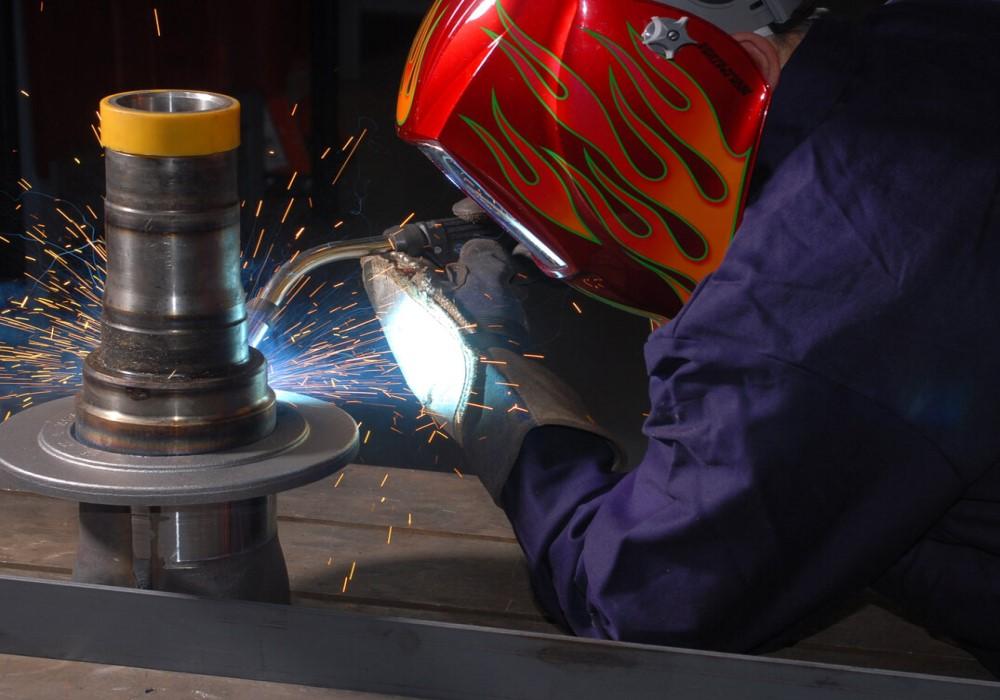
Welding is dangerous if you do not follow safety rules. Flux core welding creates hot metal, bright light, and fumes.
Safety Tips
- Wear a welding helmet: Protect your eyes from sparks and UV light.
- Use gloves and jacket: Hot metal and spatter can burn skin.
- Work in a ventilated place: Fumes can cause breathing problems.
- Keep a fire extinguisher nearby: Hot sparks can start fires.
- Check your cables: Bad cables can cause shocks or fires.
Do not weld near flammable items. Always let your welds cool before touching them.
Real-world Examples
Repairing A Farm Gate
A farmer needs to fix a broken steel gate. The metal is rusty and it is windy outside. He uses a small self-shielded flux core welder. He does not use gas, and the flux protects the weld. The repair is strong and fast.
Building A Ship
A shipyard must weld thick steel plates. The welds must be very strong and clean. Workers use gas-shielded flux core wire with external CO2 gas. This gives the best results for safety.
Home Welding
A car owner wants to fix a muffler. He uses a small flux core welder with E71T-11 wire. No gas is needed. He cleans the area, welds, and then removes the slag. The repair is good for his needs.
Cost Comparison: Flux Core Vs. Mig Welding
Many people want to know which method is cheaper. The answer depends on the job and the setup.
| Cost Item | Flux Core (Self-shielded) | MIG Welding |
|---|---|---|
| Machine | $150 – $500 | $200 – $800 |
| Wire | $5 – $15/lb | $8 – $20/lb |
| Gas Cylinder | Not needed | $100 – $200 (filled) |
| Regulator & Hose | Not needed | $50 – $100 |
| Other Supplies | Helmet, gloves, brush | Helmet, gloves, brush |
For small jobs or beginners, flux core is cheaper. For high-quality work, MIG costs more but gives better results.
What Beginners Often Miss
Many new welders think that all flux core wires are the same. They do not check if the wire needs gas. This leads to mistakes and bad welds. Always check the label. If you see “FCAW-S,” it does not need gas.
If you see “FCAW-G,” you must use a gas tank.
Another common mistake is ignoring polarity. Most flux core wires need a special setting on the welder. Self-shielded wires use negative polarity (DCEN). Gas-shielded wires use positive polarity (DCEP). Using the wrong setting can ruin your weld.
Choosing The Right Flux Core Wire
Picking the right wire is important for good results. Here are some steps:
- Know your project: Are you fixing a fence or building a trailer?
- Check the wire type: Read the label for gas needs and polarity.
- Pick the right size: Thicker wire for heavy jobs, thinner for light work.
- Match with your welder: Not all welders work with all wires.
Ask your supplier if you are not sure. It is better to ask than to guess.
Maintenance Tips For Flux Core Welding Machines
A clean machine gives better welds and lasts longer. Here is what to do:
- Clean the nozzle: Remove slag and spatter after each use.
- Check the wire feed: Keep it smooth and free from dust.
- Inspect cables: Look for cuts or burns.
- Store wire dry: Moisture ruins the flux and the weld.
- Test settings: Before each job, check power and wire speed.
Many problems start with poor maintenance. A few minutes of care saves hours of repair.
Environmental Impact
Flux core welding makes more smoke than MIG or TIG. The smoke contains metal particles and chemicals. Always weld in a place with good airflow. Some wires also contain special elements that can be harmful if you breathe them.
To reduce harm:
- Use a fan or fume extractor.
- Wear a mask if you weld indoors.
- Clean up slag and waste.
Some new flux core wires are safer for the environment. Ask your supplier about “low fume” options if you weld often.
Is Flux Core Welding Good For Beginners?
Flux core welding is a good choice for people starting out. It is easy to learn and does not need much equipment. Many beginners start with a self-shielded flux core welder.
Pros for beginners:
- Simple setup
- No need for gas
- Works on dirty metal
- Cheaper to start
But you must learn to clean the weld and pick the right wire. Practice is important.
How To Get Strong Welds With Flux Core
Here are tips to get the best welds:
- Clean the metal: Remove loose rust, paint, and oil.
- Set the right power: Too much or too little makes weak welds.
- Hold the gun steady: Move at a steady speed.
- Keep the right angle: Usually 15-20 degrees from straight.
- Remove slag between passes: Do not weld over old slag.
Many people go too fast or too slow. Practice on scrap metal before your real job.
What Equipment Do You Need For Flux Core Welding?
You do not need a lot of gear to start flux core welding.
Basic equipment:
- Flux core welder (small or medium size)
- Flux core wire (the right type for your job)
- Welding helmet with auto-darkening lens
- Welding gloves and jacket
- Wire brush or chipping hammer (for slag)
- Pliers and side-cutters
If you use gas-shielded wire, you also need a gas cylinder, regulator, and hose.
Can You Use Flux Core Wire In A Mig Welder?
Many MIG welders can use flux core wire. You must switch the polarity and remove the gas hose for self-shielded wire. Read your welder’s manual. Some machines cannot use both.
Flux Core Welding In Industry
Industries use flux core welding for heavy work. It is common in:
- Shipbuilding
- Bridge construction
- Building frames and structures
They use gas-shielded wire for the best results. The welds must pass strict tests for strength and safety.

Credit: www.youtube.com
Future Trends In Flux Core Welding
Welding technology is changing. New wires give less smoke and better welds. Small welders are getting smarter and easier to use. Some machines have digital settings for wire type and power.
Experts expect more “green” wires and better fume control in the next years.
For more technical details about flux core welding, visit the Wikipedia page on flux-cored arc welding.
Frequently Asked Questions
Does Flux Core Welding Always Need Gas?
No, it depends on the wire type. Self-shielded flux core wire does not need gas. Gas-shielded flux core wire does need an external gas supply.
Can I Use Flux Core Wire In A Mig Welder Without Gas?
Yes, if your MIG welder supports flux core wire and you use self-shielded wire. You need to switch the polarity and remove the gas hose.
Which Is Better: Flux Core Or Mig Welding?
Both have pros and cons. Flux core is better for outdoor and dirty work. MIG welding is better for clean, indoor jobs and thin metal.
Is Flux Core Welding Strong Enough For Trailers And Frames?
Yes, if you use the right wire and settings. Many trailers and frames use flux core welding. Gas-shielded wire gives the strongest welds.
Why Does My Flux Core Weld Look Messy?
Common reasons are wrong wire type, bad settings, or not cleaning the metal. Also, not removing slag after each pass makes the weld look rough.
Flux core welding is a flexible method for many jobs. It can work with or without gas, depending on the wire you use. Self-shielded wire is simple and works outdoors. Gas-shielded wire gives the best quality for important work. Always check the wire label and machine settings.
With practice and care, you can make strong, safe welds for any project.