Disclosure: This post contains affiliate links and I will be compensated if you make a purchase after clicking through my links. Learn More
Welding thin steel works best with a MIG welder (using solid wire and shielding gas), or a TIG welder for even more control and precision. These machines minimize burn-through, distortion, and spatter, producing clean, strong welds on sheet metal. Choosing the right welder and technique will save you time, money, and frustration, whether you’re repairing a car, fabricating art, or making home repairs.
Why Welding Thin Steel Is So Challenging
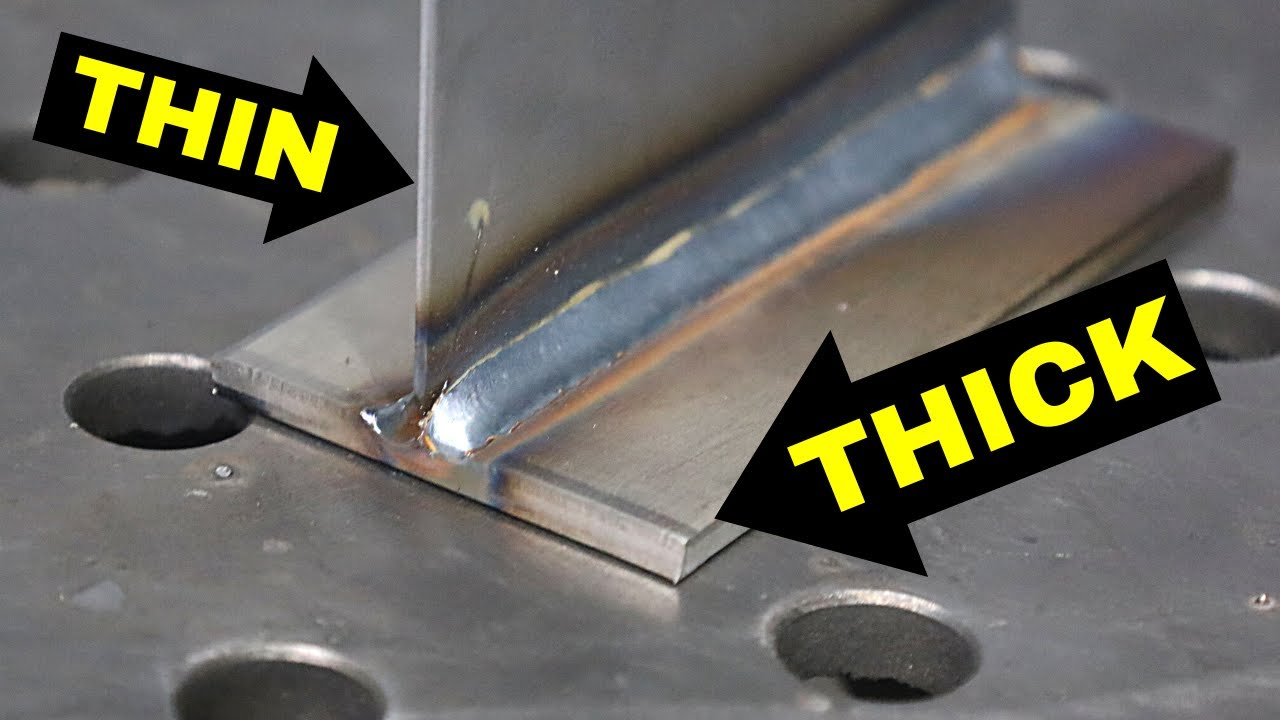
Thin steel, usually defined as metal less than 1/8-inch (3mm) thick, brings unique problems. It heats up fast, warps easily, and can burn through with a single mistake. Even a skilled welder must adjust technique and equipment for the best results.
Using the wrong welder or settings can ruin your project, leaving weak, ugly welds and wasted material.
Many beginners are surprised at how quickly thin steel deforms. A small mistake—such as pausing too long or using too much current—can cause holes or make the metal buckle. Unlike thick steel, you can’t just grind away mistakes; often, the piece is ruined, and you need to start again.
Even small errors in cleaning or fit-up (the way pieces sit together) affect results much more on thin steel than on thicker metal.
Another hidden challenge is heat-affected zones. If too much heat enters the steel, areas near the weld may lose strength or become brittle. This is especially important for parts that need to flex or hold weight, such as car panels or brackets.
Getting the right balance between penetration (how deep the weld melts) and not overheating the steel is what separates a good weld from a bad one.
Main Types Of Welders For Thin Steel
Not every welding machine performs well on thin material. Here are the most common types, and how they compare for sheet metal work:
Mig Welders (gas Metal Arc Welding – Gmaw)
MIG welding is the top choice for thin steel. MIG welders use a continuously fed wire, with shielding gas (often argon and CO2), to create a clean, strong weld. With the right settings, MIG offers several advantages:
- Fast process: MIG welding is quick, reducing the time heat sits on the steel. This is especially useful for long seams, such as in auto body panels, where too much heat causes the entire panel to warp.
- Low spatter: Less cleanup, smoother finish. This is important for visible welds or when you want to minimize grinding and sanding after welding.
- Easy for beginners: Simple trigger control and steady wire feed. Most hobbyists can learn basic MIG welding in a day.
- Good for auto body and HVAC: Most sheet metal repair shops use MIG, because it can be used on a wide range of steel thicknesses and shapes, and it is fast enough for production work.
MIG welders offer adjustable voltage and wire speed, giving fine control for thin sheet. Using. 023” or. 030” solid wire with 75/25 argon/CO2 gas works best. The main downside is the need for clean metal and gas bottles. If you try to weld over rust, paint, or oil, the weld will become weak and porous.
Non-obvious insight: Lower voltage, faster travel, and short welds (often called “stitch welding”) help prevent burn-through. Also, using the correct drive roller for the small wire size avoids feeding problems, which can cause inconsistent welds.
Tig Welders (gas Tungsten Arc Welding – Gtaw)
TIG welding is the gold standard for precision. Using a tungsten electrode and a separate filler rod, TIG welders give unmatched control over heat input. This makes them ideal for very thin steel, stainless, and even intricate work.
- Precise heat control: Foot pedal or fingertip amperage adjustment allows you to add or reduce heat instantly, so you can “back off” if you see the steel starting to glow too much.
- Clean, beautiful welds: No spatter, excellent for visible seams. Many custom car builders and artists prefer TIG for this reason.
- Works on many metals: Steel, stainless, aluminum, and more. You can also weld exotic metals, like titanium or magnesium, if your machine supports it.
The learning curve is steeper, and TIG is slower than MIG. But the results are worth it for professionals and perfectionists. TIG also allows welding without filler rod (autogenous welding) on very tight, clean joints, reducing the risk of excess metal or weld bead.
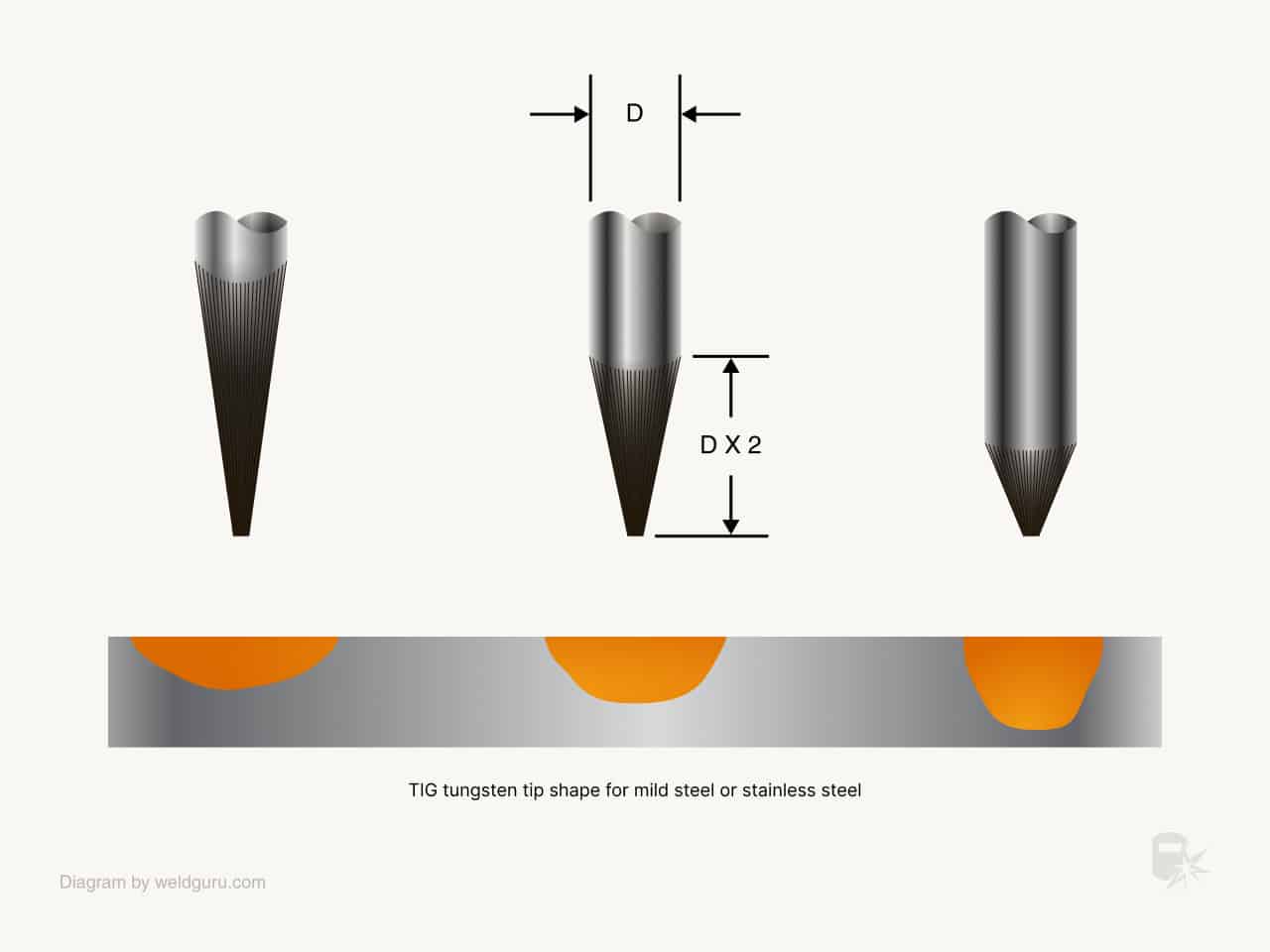
Pro tip: Use a sharp tungsten, smallest filler rod, and pulse settings for the thinnest material. The pulse setting reduces average heat and allows the weld pool to freeze quickly, which is vital for thin steel.
Stick Welders (shielded Metal Arc Welding – Smaw)
Stick welding is not recommended for thin steel. It produces too much heat and spatter, making burn-through almost certain. Stick welders are best for thick steel, outdoors, or heavy repairs. Some skilled welders use 1/16” rods and fast travel for thin sheet, but it’s risky and inconsistent.
For beginners, stick welding thin steel usually leads to frustration. The arc is harder to control, and the electrode often sticks to the workpiece. If you must use stick, look for “sheet metal” rods designed for low amperage, and practice a lot before working on your project.
Flux-cored Welders
Flux-cored welding is similar to MIG, but uses a wire with a flux core instead of external gas. It’s popular for outdoor work and dirty steel. On thin material, flux-cored wires often burn too hot and create more spatter. They’re not ideal for sheet metal, except in rare cases with specialty wires.
Some dual-process MIG/flux-cored machines allow you to use a special, self-shielded wire for outdoor or windy conditions. However, results on thin steel are generally rougher, with more cleanup needed.
Spot Welders
Spot welding uses two copper electrodes to pinch and melt small areas of overlapping sheet metal. It’s common in car factories and for joining thin sheet. Spot welders are fast and strong, but only work for lap joints. They’re not versatile for most repair or fabrication jobs.
A home spot welder can be useful for repeated lap joints, such as building enclosures or patching car floors. However, it can’t do corner or butt joints, so most users combine spot welding with MIG or TIG for complete projects.
How To Choose The Right Welder For Thin Steel
Selecting the best welder depends on your project, budget, and skill level. Here’s a closer look at the factors that matter:
1. Metal Thickness
For sheet metal 24 to 18 gauge (0. 6–1. 2mm), MIG and TIG are the only real options. For 16 gauge (1. 5mm) and up, you have a little more flexibility, but stick and flux-core are still risky.
One detail many miss: some machines list “minimum thickness” in their specs. Always check this before buying—if your welder’s minimum is 1/8-inch, it will be difficult to weld car panels (usually under 1mm).
2. Weld Appearance
If you want a clean, pretty weld, TIG is unbeatable. For most practical work where speed and ease matter more, MIG is the winner. For hidden welds, such as inside a duct, MIG is usually good enough, but for visible seams on art or custom vehicles, TIG is preferred.
3. Skill Level
- Beginner: MIG is easier to learn, especially for car repair and HVAC. You can get good results quickly with basic practice.
- Advanced: TIG gives more control, but takes practice. TIG is also less forgiving of dirty metal or poor fit-up.
4. Cost
- MIG welders: Start around $300 for a basic 110V machine. Good for home and shop.
- TIG welders: Usually $700 and up for AC/DC models, but deliver higher quality.
- Stick/flux-cored: Often cheapest, but not suited for thin steel.
Don’t forget the cost of shielding gas, safety gear, and consumables, which can add $100–$300 to your first setup.
5. Portability
If you’ll work in different locations, choose a compact MIG or a small inverter TIG. Heavier machines limit mobility.
Many portable welders now run on 110V, making them easy to use at home or in the garage. Some also have “dual voltage” so you can use 220V when available for more power.
6. Power Supply
Most thin steel jobs use 110–120V welders, which work in a standard outlet. For thicker steel or longer welds, a 220V welder offers more power and smoother results.
If you plan to weld outside your shop, check if your welder can run from a generator (and how many watts it needs).
7. Shielding Gas
MIG and TIG both require gas—typically 75% argon/25% CO2 for MIG, and pure argon for TIG. No gas means lower weld quality on thin steel.
Using the wrong gas can cause porosity or weak welds. For example, straight CO2 is hotter and less controlled for thin steel, and should be avoided unless your wire and machine are designed for it.
8. Duty Cycle
The duty cycle is how long you can weld before the machine needs to cool down. For thin steel, a high duty cycle isn’t as important, because you’ll usually weld in short bursts.
However, if you plan to do production work (like welding many seams in a row), a higher duty cycle saves waiting time.
9. Maintenance
MIG and TIG welders need more care—keep them clean and dry, and replace consumables (tips, liners, electrodes) as needed.
A dirty gun liner or worn contact tip can cause erratic wire feed and ruin a weld on thin steel.
10. Project Type
- For auto body, HVAC, small brackets, and home repairs: MIG is the top choice.
- For fine artwork, visible seams, or stainless: TIG is the best.
If your work involves a mix of jobs (like repairs and art), consider a machine that can do both MIG and TIG.
Detailed Comparison: Mig Vs Tig For Thin Steel
Below is a direct comparison of key factors between MIG and TIG welders for thin steel:
| Factor | MIG Welder | TIG Welder |
|---|---|---|
| Ease of Use | Very easy, good for beginners | Challenging, needs practice |
| Speed | Fast | Slow |
| Weld Appearance | Good, but not perfect | Excellent, cleanest |
| Thin Steel Control | Good | Best |
| Setup Cost | Low to moderate | Moderate to high |
| Metal Types | Steel, stainless, some aluminum | Steel, stainless, aluminum, more |
Another detail: TIG allows you to use “no filler” on tight joints for a nearly invisible seam, which is impossible with MIG.
Credit: weldguru.com
Essential Features For A Thin Steel Welder
If you’re shopping for a welder, look for these must-have features for thin steel:
- Infinite voltage/wire speed control (for MIG): Lets you “dial in” the perfect settings. Welders with only a few settings often can’t fine-tune for thin sheet.
- Low amperage range: TIG machines that start at 5–10 amps are best for very thin metal. Many cheaper TIG welders have a high minimum, making them tricky for sheet.
- Stable arc: Reduces spatter and burn-through. A good power supply and quality torch both help.
- Quality torch and consumables: Cheap guns don’t allow fine control. They may overheat or break during long jobs.
Surprising tip: Many cheap welders claim to work on thin steel, but lack fine adjustment or stable arc control. Always check user reviews and specs before buying. Don’t trust just the “sheet metal” label—read real-world feedback.
Key Accessories For Thin Steel Welding
The right accessories make a big difference in results and safety:
- Auto-darkening helmet: Protects your eyes and allows hands-free work. Look for a helmet that darkens quickly and can adjust sensitivity for low-amperage welding.
- Welding gloves: Thinner gloves allow better feel for small work. Heavy gloves can be clumsy when handling delicate sheet.
- Magnets and clamps: Hold thin metal flat and reduce warping. Good fit-up is more important for thin steel than thick.
- Backing bar (copper or aluminum): Placing a bar behind the weld absorbs excess heat, reducing burn-through. This trick is used by many professionals, especially when patching car panels.
- Shielding gas regulator: Precise gas flow is critical for clean welds. Cheap regulators may fluctuate, causing porosity.
A wire brush, degreaser, and a good set of pliers are also essentials for prepping and cleaning thin steel.
Welding Techniques That Protect Thin Steel
Even the best welder will cause problems if you don’t use the right technique. Here’s how to get pro-quality results:
1. Stitch Welding
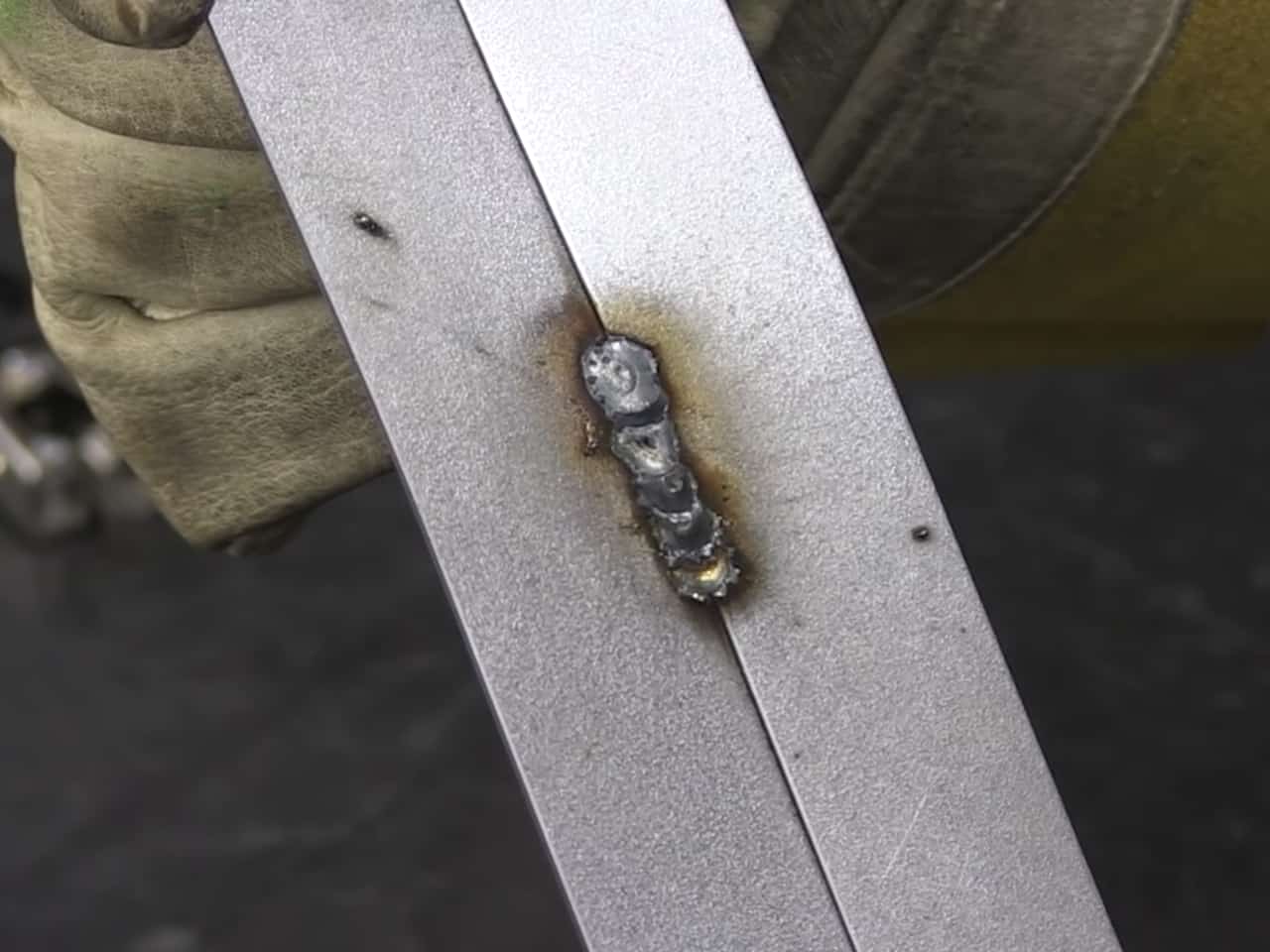
Rather than a long, continuous bead, use short “stitches” (1/2-inch or less), letting the metal cool between welds. This keeps heat input low and avoids warping.
For long seams, alternate stitches on different parts of the joint, then connect them with more short welds after the first set has cooled.
2. Pulse Welding
Some MIG and TIG machines offer a pulse mode, automatically reducing heat on thin sections. This feature is invaluable for bodywork and stainless.
If your welder doesn’t have pulse, you can mimic it by pulsing the trigger (MIG) or using the foot pedal (TIG) to reduce average heat.
3. Backing Bars
Place a copper or aluminum bar behind the weld area. These metals absorb heat but don’t stick to the weld, preventing burn-through and giving a neater backside.
If you don’t have a commercial backing bar, a thick piece of copper pipe or plate works well.
4. Correct Travel Speed
Move quickly and steadily. Pausing too long in one spot will melt through the steel. Practice on scrap to find the right speed for your machine.
5. Clean Metal
Thin steel rusts and oxidizes easily. Scrub with a wire brush and use a degreaser before welding for the best arc stability.
Even fingerprints or a little oil can cause porosity and weak welds on thin steel.
6. Minimize Gaps
Fit-up is critical. Gaps between pieces increase the risk of burn-through. Clamp tightly and use magnets or a jig.
A gap of even 1mm can make welding much harder. Use a small hammer or clamps to align panels as tightly as possible.
7. Test Settings On Scrap
Always practice on a scrap piece of the same thickness before welding your project. Adjust settings until you get a smooth, flat bead without burn-through.
Extra tip: If you blow a hole through the steel, let it cool, then fill in with short tack welds, letting each one cool before adding the next. You can also back the hole with copper for easier repair.
Common Mistakes When Welding Thin Steel
Avoid these errors to save time and frustration:
- Too much heat: Causes burn-through and warping.
- Long welds: Excess heat builds up fast. Use short stitches instead.
- Wrong wire or rod: Use the smallest possible size for MIG/TIG.
- Dirty material: Oil, rust, and paint ruin weld quality.
- Poor fit-up: Gaps make thin steel much harder to weld.
- Wrong polarity: For MIG, use DCEP (reverse polarity) with solid wire.
- No cooling pauses: Always let metal cool between welds.
Beginner’s pitfall: Trying to “fill” a gap with extra weld material usually makes things worse. It’s better to cut and fit the steel as closely as possible.
Real-world Examples: Applications And Results
Automotive Sheet Metal
Most car panels are 20–22 gauge (0. 8–1. 0mm) steel. MIG welders are standard in body shops because they offer fast, repeatable welds with little warping. TIG is used for custom work and show-quality seams.
For example, when patching a rusty car door, a pro will use a MIG welder set to low voltage and. 023” wire. They’ll weld in short stitches, working in a crisscross pattern to spread heat. If they want a “show car” finish, they’ll use TIG and a backing bar to create an almost invisible seam that needs minimal finishing.
Home Repair
HVAC ducts, appliance repair, and thin brackets all use thin steel. A basic MIG welder with. 023” wire and gas produces neat, reliable welds.
For example, fixing a broken lawnmower deck or making a custom shelf bracket is simple with a small MIG welder. Most jobs can be done in a few minutes with a little practice.
Art And Furniture
Artists and metalworkers choose TIG for thin, decorative steel, especially when every weld is visible. The slow, controlled process means less grinding and cleanup.
A metal sculpture or custom lamp often uses thin steel for curves and fine details. TIG allows for “fusion” welds with no filler, resulting in a smooth, clean joint.
Cost Breakdown: What You’ll Spend
Below is a typical price range for welders suitable for thin steel:
| Welder Type | Entry Price | Mid-Range | Pro Level |
|---|---|---|---|
| MIG (GMAW) | $250 | $500-$800 | $1500+ |
| TIG (GTAW) | $600 | $1000-$2000 | $4000+ |
| Stick (SMAW) | $100 | $300-$500 | $800+ |
| Flux-cored (FCAW) | $150 | $300-$600 | $1000+ |
Consumables (wire, gas, rods) cost $30–$60 per project, depending on size.
Extra cost tip: A good auto-darkening helmet ($50–$150), gloves, and clamps are smart “first” upgrades if you’re buying your first welder.
Credit: www.youtube.com
Safety Tips For Welding Thin Steel
Welding thin steel produces intense heat, UV rays, and fumes. Always:
- Wear a full welding helmet and gloves.
- Work in a well-ventilated area.
- Use a fireproof welding blanket on nearby surfaces.
- Avoid loose clothing, and keep water nearby for emergencies.
- Don’t weld on painted or galvanized steel without proper fume extraction.
Important: Thin steel heats up much faster than thick plate. Even a small project can burn your hands or start a fire. Always check that your work area is clear of flammable materials, and keep a fire extinguisher nearby.
The Bottom Line: What’s The Best Welder For Thin Steel?
For most users, a MIG welder with solid wire and shielding gas is the best balance of speed, control, and cost for thin steel. It’s easy to learn and widely available. For the cleanest, most precise welds—especially on stainless or visible seams—a TIG welder is the top choice.
Stick and flux-cored welders are best avoided for thin sheet unless you’re highly skilled or using special rods.
Hidden gem: If you want to weld thin steel outdoors or with dirty metal, some dual-process MIG/flux-cored machines can switch to flux-core wire, but always test on scrap first.
If you’re serious about quality and plan to do a lot of sheet metal work, invest in a machine with fine voltage and wire speed control, and always use the right shielding gas.
For more detailed welding guides, check the Welding Wikipedia page.
Frequently Asked Questions
What Size Wire Is Best For Mig Welding Thin Steel?
For thin steel, use .023-inch solid wire. It gives better control, less heat, and reduces burn-through. If .023-inch is not available, .030-inch wire is the next best option for sheet metal.
Can I Weld Thin Steel With A Stick Welder?
Stick welding thin steel is very difficult. Most stick welders create too much heat, causing burn-through and rough welds. Only very skilled welders can use 1/16-inch rods successfully on thin sheet.
Do I Need Shielding Gas For Welding Thin Steel?
Yes, for MIG and TIG welding, shielding gas is essential. It protects the weld from air contamination, reduces spatter, and creates a cleaner, stronger weld. Flux-cored wire can be used without gas, but is not ideal for thin steel.
How Do I Avoid Burn-through On Thin Steel?
Use lower voltage/amperage, a smaller wire or rod, and move quickly. Try short stitch welds instead of long beads, and let the metal cool between welds. A copper backing bar also helps absorb excess heat.
Is Tig Welding Better Than Mig For Thin Steel?
TIG welding gives the cleanest, most precise welds on thin steel, but is slower and harder to learn. MIG welding is faster, easier, and works well for most sheet metal jobs. Choose TIG for visible seams or stainless steel.
Final Thoughts
Welding thin steel is a true test of your skill and equipment. Choose a MIG welder for speed and ease, or a TIG welder for ultimate precision and control. Pay attention to technique, use the right wire or rod, and practice on scrap.
With the right setup, you’ll get strong, beautiful welds every time.
Remember, the key to success is patience and preparation. Take the time to clean your metal, fit your pieces tightly, and adjust your settings for each project. The more you practice, the better your results will be. Whether you’re building, repairing, or creating art, mastering thin steel welding opens up a world of possibilities.
Credit: weldguru.com