Disclosure: This post contains affiliate links and I will be compensated if you make a purchase after clicking through my links. Learn More
Welding aluminum with AC TIG requires more than just skill and steady hands. One of the most critical settings is the AC balance. Many people overlook it or leave it at factory defaults, but getting this setting right can transform the weld from weak and messy to clean and strong. If you work with aluminum, understanding how to set the AC balance on your TIG welder is essential. This guide explains what AC balance is, why it matters, and how to adjust it for the best results.
What Is Ac Balance In Tig Welding?
AC balance is a setting on most modern TIG welders that lets you control the ratio of positive and negative polarity during the AC cycle. In simple terms, AC balance tells the welder how much time to spend cleaning oxide from the aluminum surface (positive half) and how much time to spend melting the base metal (negative half). This balance is key for aluminum because its oxide layer melts at a much higher temperature than the metal underneath.
- Positive polarity (DCEP): Removes oxide and cleans the surface.
- Negative polarity (DCEN): Melts the base metal and allows deeper penetration.
A typical AC cycle spends 50% on each, but most welders let you adjust this split. For example, you might set the welder to spend 70% on negative and 30% on positive. This setting changes the appearance and strength of your weld.
Why Ac Balance Matters For Aluminum
Aluminum forms a tough oxide layer almost instantly when exposed to air. This oxide melts at around 2,050°C (3,700°F), while pure aluminum melts at 660°C (1,220°F). If you do not clean this layer, your welds will be weak, dirty, or full of defects.
AC balance helps you:
- Remove oxides from the weld area.
- Control heat in the metal to avoid burning through thin material.
- Improve appearance by creating a smooth, shiny weld bead.
- Prevent contamination that leads to cracks or weak welds.
If you set too much cleaning, you risk overheating the tungsten and losing control. Too little cleaning, and oxides remain, weakening your weld.

Credit: www.youtube.com
How Ac Balance Works: The Technical Basics
During AC TIG welding, the current alternates rapidly between positive and negative. The AC balance setting decides how much of each half-cycle is positive (cleaning) or negative (penetration).
- If you set 50% balance, you get equal cleaning and penetration.
- A higher positive setting means more cleaning but less penetration.
- A higher negative setting means deeper penetration but less cleaning.
Most modern TIG machines show AC balance as a percentage of the positive cycle (e. g. , 30% means 30% positive, 70% negative). Some older welders use a dial with no numbers—just “more cleaning” or “more penetration. ”
Key Factors That Affect Ac Balance Settings
Choosing the right AC balance depends on several factors. Understanding these helps you avoid common mistakes and get better welds.
1. Aluminum Thickness
- Thin aluminum (under 3mm): Needs less cleaning to avoid burning through. Set balance toward more negative (penetration).
- Thick aluminum (over 6mm): Needs more cleaning to break up the heavier oxide layer. Set balance toward more positive.
2. Surface Cleanliness
- Dirty or oxidized surfaces: Increase positive (cleaning) to remove more oxides.
- Clean, prepped surfaces: Reduce cleaning and increase penetration.
3. Type Of Joint
- Butt joints: Often need more penetration (negative).
- Fillet or lap joints: May benefit from extra cleaning for a shiny bead.
4. Electrode Type And Size
- Larger electrodes handle more heat and may allow more cleaning.
- Smaller electrodes may overheat with too much positive.
5. Welder Brand And Technology
- Some machines have advanced waveforms that make cleaning more efficient, allowing lower positive settings.
- Older machines may require higher cleaning due to less efficient arc.
Step-by-step: How To Set Ac Balance On Your Tig Welder
Getting the AC balance right is a process. Here is a clear approach you can use on most modern machines.
Step 1: Start With Factory Defaults
Most TIG welders set AC balance to about 30% positive (cleaning) by default. This is a safe starting point for general aluminum welding.
Step 2: Clean The Material Properly
Even with AC balance, physical cleaning helps. Use a stainless steel wire brush to remove oxides and dirt before you start.
Step 3: Select The Right Tungsten
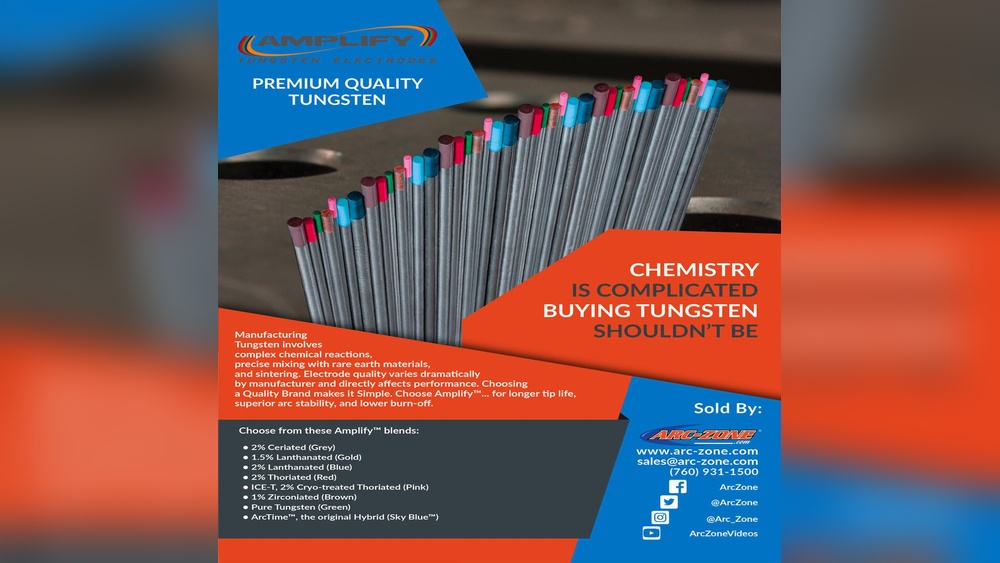
For aluminum, use pure tungsten (green), zirconiated (white), or ceriated (gray) electrodes. Sharpen to a blunt point or round tip.
Step 4: Adjust Ac Balance For The Material
- Start with 30% positive.
- If you see a wide, dull, or frosty band along the weld, you have too much cleaning. Decrease positive (try 25%).
- If the weld is dirty, gray, or has black edges, you need more cleaning. Increase positive (try 35–40%).
Step 5: Test And Inspect The Weld
Make a test weld on scrap aluminum. Look for:
- Clean, shiny bead with no black spots.
- Narrow cleaning band (1–3mm on each side).
- Good penetration without burning through.
Step 6: Fine-tune For Your Project
Adjust in small steps (2–5%) and repeat test welds until you get the best result. Keep notes of what works for different thicknesses and alloys.
Table: Common Ac Balance Settings For Aluminum Thickness
Here is a quick guide to typical balance settings for different aluminum thicknesses:
| Aluminum Thickness | Recommended AC Balance (Positive %) | Notes |
|---|---|---|
| 1–2 mm (0.04–0.08″) | 20–25% | Thin, needs less cleaning to avoid burn-through |
| 3–5 mm (0.12–0.20″) | 25–30% | Standard setting for most jobs |
| 6–10 mm (0.24–0.39″) | 30–35% | More oxide, increase cleaning |
| Over 10 mm (0.39″) | 35–40% | Heavy-duty, thick plate, maximum cleaning |
Ac Balance Settings: What Can Go Wrong?
Many beginners set AC balance and forget about it. But small changes can have big results. Here are common mistakes to watch for:
Too Much Cleaning (high Positive)
- Weld bead appears wide and frosty.
- Tungsten tip balls up or melts quickly.
- Arc is unstable or wanders.
- Electrode contamination from oxide drawn into the tungsten.
Too Little Cleaning (low Positive)
- Oxide remains on the weld, causing gray or black spots.
- Porosity or weak welds.
- Poor bead appearance with dull or dirty look.
Using The Wrong Electrode
- Pure tungsten balls up quickly at high cleaning settings.
- Thoriated or lanthanated tungsten can crack or split if overheated.
Ignoring Surface Prep
- Relying only on AC balance for cleaning can stress your machine and electrodes.
- Mechanical cleaning is always needed for consistent results.
Not Adjusting For Different Welds
- Using the same AC balance for all thicknesses leads to poor quality.
- Always adjust for each job.
How Ac Balance Affects Tungsten Life
Your tungsten electrode suffers if the AC balance is set wrong. More time in positive polarity means more heat at the tungsten tip. This can:
- Cause the tip to ball up, which reduces arc control.
- Shorten the life of the electrode.
- Increase chances of tungsten inclusion in the weld.
For most aluminum work, keeping AC balance below 35% positive extends electrode life and keeps your arc stable. If you notice the tungsten ball getting large or uneven, reduce the cleaning time.
Visual Signs Of Good Ac Balance
Experienced welders look for certain clues that AC balance is set well:
- Narrow, shiny cleaning band (1–3mm on each side of the bead).
- Clean weld bead with no black or gray spots.
- Stable arc that starts easily and stays focused.
- Small, round tungsten tip (not too large or pointed).
- No excessive balling or melting of the electrode.
If you see a very wide cleaning band, reduce the positive percentage. If the band is too narrow or missing, increase it.
Ac Balance And Different Aluminum Alloys
Different grades of aluminum react in their own ways. For example:
- 6061-T6: Common alloy, welds well at standard settings (25–30% positive).
- 5052: Softer, may need slightly less cleaning.
- 2024: More sensitive to contamination, needs careful balance.
- Cast aluminum: Often dirtier, needs more cleaning (35–40%).
Always start with a test weld and adjust based on the appearance and cleanliness of the bead.
Table: Ac Balance And Tungsten Types
Choosing the right tungsten for your AC balance setting is important. Here is a practical comparison:
| Tungsten Type | AC Balance Range | Best For | Notes |
|---|---|---|---|
| Pure (Green) | 25–35% | General aluminum welding | Balls up easily, shorter life |
| Zirconiated (White) | 25–40% | High current, thick plate | Resists contamination, good arc stability |
| Ceriated (Gray) | 20–30% | Thin aluminum, precision work | Maintains tip shape, longer life |
| Thoriated (Red) | 20–30% | Not recommended for aluminum | Best for DC welding |
How Ac Balance Works With Ac Frequency
AC balance is closely connected to AC frequency. Frequency controls how many times per second the current switches between positive and negative. Higher frequencies produce a tighter arc and more focused heat.
- Low frequency (60–80 Hz): Softer arc, wider cleaning zone.
- High frequency (100–200 Hz): Tighter arc, better for thin aluminum.
If you increase frequency, you may be able to reduce cleaning time (lower positive) and still get a clean bead. Always test on scrap before welding critical joints.
Practical Tips For Setting Ac Balance
Some small tips can save you time and frustration:
- Always clean the base metal first, even if you plan to use a higher cleaning setting.
- Start with a moderate setting (25–30% positive) and adjust based on your results.
- Watch the tungsten tip. If it grows too large or uneven, reduce cleaning.
- Use the right shielding gas. 100% argon works best for aluminum TIG.
- Check your machine’s manual. Some brands use different scales for AC balance.
- Keep good notes on what settings work for each project or alloy.
- Don’t be afraid to experiment in small steps—2–5% adjustments can make a big difference.
Data: Common Problems And Solutions
Here are some real-world examples of AC balance problems and solutions:
| Problem | Cause | Solution |
|---|---|---|
| Gray, dirty weld bead | Too little cleaning (low positive) | Increase positive percentage |
| Wide, frosty edge around weld | Too much cleaning (high positive) | Decrease positive percentage |
| Tungsten melting or balling up | High positive or wrong electrode | Lower positive, use correct tungsten |
| Arc wanders or is unstable | Contaminated tungsten or poor balance | Clean tungsten, adjust balance, check gas |
| Poor penetration | Too much cleaning, low amperage | Reduce cleaning, increase amps if needed |

Credit: www.millerwelds.com
Real-world Example: Ac Balance Settings In Action
Imagine you need to weld a 3mm thick 6061 aluminum plate. You set your TIG machine to 28% positive, 100Hz frequency, and use a 2. 4mm zirconiated tungsten. The bead is clean, with a narrow shiny band and no signs of oxidation.
You try the same weld with 40% positive and see a wider, frosty edge and the tungsten tip grows quickly. By dropping the cleaning back to 28%, the weld improves.
This kind of testing and adjusting is what separates average welds from great ones. Keep a log of your settings and results—it will save time on future projects.
Non-obvious Insights For Better Ac Balance
Many new welders miss these important points:
- Oxide thickness changes with temperature. Hotter aluminum builds up oxide faster, so you may need to increase cleaning on long welds.
- Joint angle matters. Welding at steep angles can cause more oxide to build up on one side; adjust cleaning or torch position as needed.
- Fixture and clamp material can affect arc stability. Using steel clamps on aluminum can cause stray currents or arc wandering.
- AC balance interacts with travel speed. Moving too slowly can overheat and widen the cleaning band, even with low positive settings.
- Shielding gas flow rate impacts bead quality. Too much or too little argon can change the appearance of the cleaning zone.
When To Change Ac Balance Mid-weld
Sometimes, you may need to adjust AC balance during a single weld. For example:
- Welding across a joint with both thin and thick sections.
- Starting with dirty cast aluminum, then moving to clean plate.
- Switching from an outside corner to a butt joint.
Some advanced TIG welders let you program different balance settings for different stages or trigger “hot start” functions. If your machine allows, use these features for complex welds.
Ac Balance Vs. Pre- And Post-weld Cleaning
No AC balance setting can replace good physical cleaning. Always use:
- Wire brush for oxide removal.
- Solvents (like acetone) for grease and oil.
- Clean gloves to avoid adding new contaminants.
After welding, a quick wire brush can remove new oxides and show you the true quality of your bead. If you see gray or black areas, review your AC balance and cleaning steps.
Why Welders Disagree On Ac Balance Numbers
You might see welders online recommend very different settings for the same job. This happens because:
- Machines have different calibration and waveform technology.
- Personal technique, torch angle, and travel speed vary.
- Some welders accept more oxide for faster work, while others focus on perfect appearance.
Always use advice as a starting point, not a final answer. Test, observe, and adjust for your own setup.
Trusted Resources For Tig Welding Aluminum
For more detailed technical information, see the Wikipedia page on TIG welding. Many welding equipment manufacturers also publish guidelines for their machines.
Frequently Asked Questions
How Do I Know If My Ac Balance Is Set Correctly?
Check the weld bead. If you see a narrow, shiny band on each side, and the bead is clean with no gray or black spots, your AC balance is likely correct. A very wide cleaning band means too much positive; a lack of cleaning band or dirty weld means too little.
What Happens If I Use Too Much Cleaning (high Positive) On Ac Balance?
Too much cleaning can cause your tungsten to melt or ball up, shorten electrode life, and make the weld bead too wide and frosty. It can also draw oxide into the weld, causing contamination.
Can I Use The Same Ac Balance For All Aluminum Welding Jobs?
No. Different thicknesses, alloys, and joint types may need different balance settings. Always test on scrap material and adjust AC balance for each project.

Credit: www.youtube.com
Is Ac Balance The Same As Ac Frequency?
No. AC balance controls the ratio of positive to negative polarity, affecting cleaning and penetration. AC frequency controls how many times per second the current switches, affecting arc focus and bead shape.
What Is The Best Electrode For Ac Tig Welding On Aluminum?
Zirconiated (white) tungsten is the most stable and resists contamination for AC TIG on aluminum. Pure (green) tungsten also works but has a shorter life. Ceriated (gray) tungsten is good for thin aluminum. Avoid thoriated (red) tungsten for aluminum AC TIG.
With the right AC balance setting, you can produce stronger, cleaner, and more beautiful aluminum welds. Take the time to test, observe, and fine-tune your settings, and you will see immediate improvements in your welding results.