Disclosure: This post contains affiliate links and I will be compensated if you make a purchase after clicking through my links. Learn More
Welding overhead with a MIG (Metal Inert Gas) welder is tough, even for skilled welders. Gravity pulls the molten metal down, causing spatter and making it hard to get strong, clean welds. Spatter is not just messy; it can burn your skin, stick to your workpiece, and even damage equipment. Many beginners try to weld overhead without knowing the right techniques, leading to wasted time and poor results.
But you can control spatter. The right setup, movement, and safety steps make overhead MIG welding possible—and even efficient. This article covers everything you need to MIG weld overhead without excessive spatter. You will learn about preparation, machine settings, body position, welding techniques, and common mistakes. Even small changes in your process can cut spatter by more than half and help you create safer, stronger welds.
Understanding Mig Welding Spatter
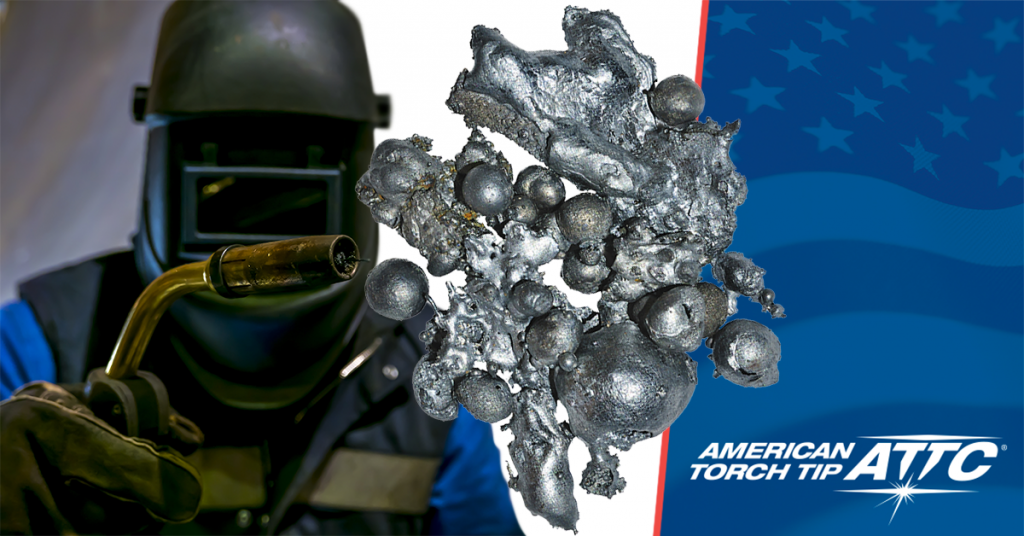
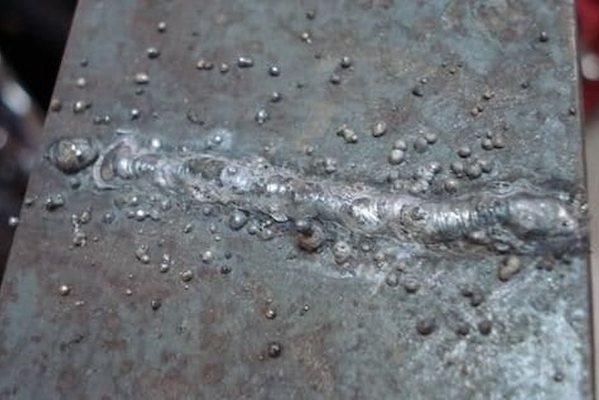
Spatter in MIG welding happens when droplets of molten metal fly off the weld pool. These droplets cool on surfaces nearby, leaving small balls or splashes. Most spatter comes from unstable arcs, poor technique, or wrong settings. Overhead welding increases spatter risk, since gravity pulls the molten metal down.
Key causes of spatter:
- Too much voltage or wire feed speed
- Poor shielding gas flow
- Incorrect travel speed or angle
- Dirty or oily surfaces
Spatter wastes material, increases cleanup time, and can weaken the finished weld. Controlling spatter is crucial for safety and quality, especially when welding overhead.
Preparing For Overhead Mig Welding
Good results start with preparation. Overhead welding is more demanding than flat or horizontal welding, so plan carefully.
Clean The Workpiece
Dirt, rust, oil, and paint on metal surfaces increase spatter. Clean the joint area with a wire brush, grinder, or chemical cleaner. Clean at least 2 inches around the weld zone. This helps the arc stay stable and reduces spatter.
Select The Right Equipment
Choose a MIG welder that matches your material thickness and type. Use a welding gun with a comfortable grip and trigger. For overhead work, a lighter gun reduces arm fatigue.
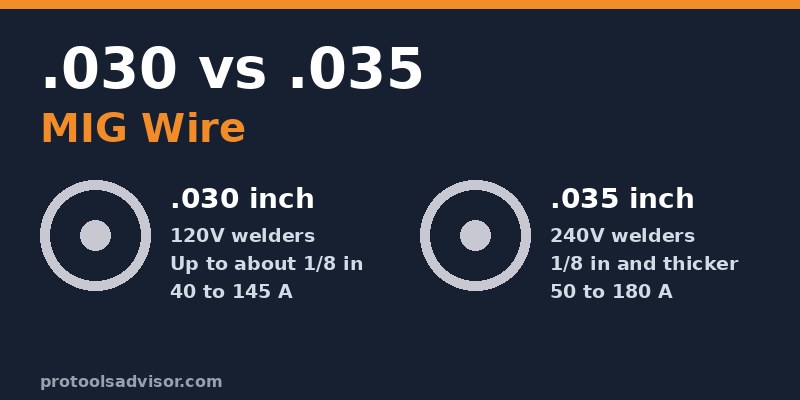
Pick the right wire. ER70S-6 is a common wire for mild steel because it handles less-clean metal and produces less spatter. Choose the correct wire diameter for your workpiece—usually 0.030” to 0.035” for most overhead jobs.
Use The Correct Shielding Gas
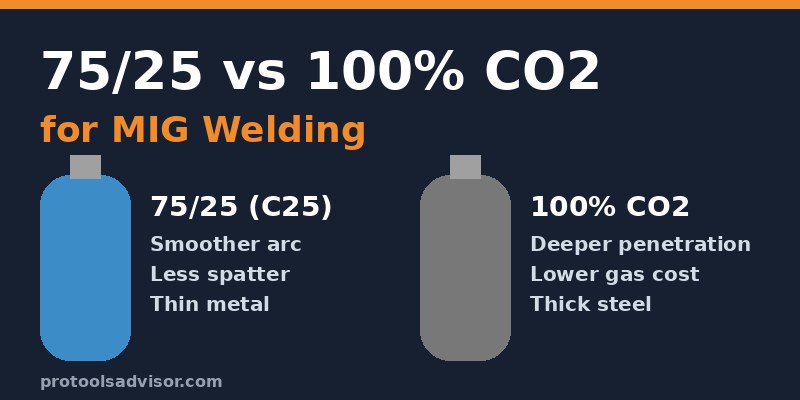
Shielding gas protects the molten weld from air. The common mix is 75% Argon, 25% CO2. Pure CO2 creates more spatter but is cheaper. For less spatter, use an Argon-rich mix.
Set the gas flow rate to 20–25 cubic feet per hour (CFH). Too little gas allows air in, causing spatter. Too much gas stirs the weld pool and increases turbulence.
Check Your Personal Protective Equipment
Wear a welding helmet with an auto-darkening filter, fire-resistant jacket, gloves, and boots. Use a skull cap or bandana to protect your head from falling spatter. Flame-resistant sleeves and pants are important, as hot metal may fall onto your body.
Set Up Good Ventilation
Overhead welding creates fumes that rise toward your face. Use a fume extractor or weld in an area with airflow. Never weld in a closed room without ventilation.

Credit: yeswelder.com
Setting Up Your Mig Welder For Overhead Welding
Settings make a big difference in overhead MIG welding. The wrong settings can double your spatter and weaken your weld. Adjust your machine for overhead work before you start.
Adjust Voltage And Amperage
Set the voltage on the lower end of the recommended range for your wire and material. Lower voltage keeps the weld pool small and easier to control above your head. Too high voltage makes the puddle too fluid, causing more drips and spatter.
Amperage is controlled by wire feed speed. Start with a moderate speed and increase slowly. Too much wire feed increases spatter and can clog the weld area. Too little can make the arc unstable.
Set Wire Stickout
Keep wire stickout (the length of wire extending from the tip) short—about 3/8 inch. Longer stickout cools the wire too much and makes the arc erratic, increasing spatter.
Fine-tune Gas Flow
Adjust shielding gas to 20–25 CFH. Use higher flow if you’re welding outdoors or in a drafty spot, but too much flow can create turbulence and actually increase spatter.
Choose The Right Polarity
MIG welding uses DC electrode positive (DCEP). Make sure your cables are connected correctly. Wrong polarity increases spatter and weakens the weld.
Example: Welder Settings For 1/8” Mild Steel Overhead
| Setting | Recommended Value |
|---|---|
| Voltage | 16–18 V |
| Wire Feed Speed | 190–210 in/min |
| Wire Diameter | 0.030” (0.8 mm) |
| Shielding Gas | 75% Argon / 25% CO2 |
| Gas Flow Rate | 20–25 CFH |
| Polarity | DCEP |
These settings may need fine-tuning for your welder or specific job.
Body Position And Movement
Your position during overhead welding affects both safety and quality. Good posture reduces spatter and helps you control the weld pool.
Stand Or Kneel Comfortably
Stand with your feet apart for balance. Keep your back straight. Kneeling is an option for longer welds, but use knee pads to protect yourself from hot metal.
Keep The Gun Steady
Hold the welding gun with both hands when possible. Rest your elbows on a stable surface to reduce shaking. Keep your hands 6–12 inches from your face to avoid fumes and heat.
Angle The Gun Correctly
Hold the gun at a 10–15° push angle (the tip points slightly in the direction you move). This helps the shielding gas cover the weld pool and reduces spatter.
Control Your Movement
Move smoothly and steadily. Avoid jerky or fast movements, which cause the arc to sputter and increase spatter. Practice on scrap metal before working on your actual project.
Techniques To Reduce Spatter In Overhead Mig Welding
Overhead welding needs special techniques to control spatter. Even small changes can improve your results.
Use The Short Circuit Transfer Mode
Short circuit is the best transfer mode for overhead MIG welding. The wire touches the metal, creating small, controlled arcs. This keeps the weld pool small and reduces spatter.
Other modes, like globular or spray transfer, create larger droplets and more spatter. Use short circuit for thin to medium-thick steel.
Keep The Weld Pool Small
A large weld pool drips and spatters more. Control the size by lowering voltage and using faster travel speeds. Move quickly enough to keep the pool small, but not so fast that you create a weak weld.
Use Stringer Beads Instead Of Weaving
Stringer beads are straight, narrow welds. Weaving (side-to-side movement) creates a wider bead and more molten metal, making overhead control harder. Use stringer beads for less spatter and better control.
Pause At The Edges
At the end of each weld pass, pause briefly to let the pool solidify. This prevents drips and spatter at the edges. Do not hold too long—this can burn through the metal.
Practice Good Trigger Control
Pull the trigger smoothly. Avoid tapping or short bursts, which create unstable arcs and spatter. Hold the trigger steady during each pass.
Example: Travel Speed And Spatter Comparison
| Travel Speed | Spatter Level | Weld Appearance |
|---|---|---|
| Too Slow | High | Large, uneven bead; many drips |
| Correct | Low | Smooth, even bead |
| Too Fast | Medium | Thin, underfilled bead; some spatter |
Aim for a steady, moderate travel speed to keep spatter down.
Cleaning And Maintenance Before Welding
Even with perfect technique, dirty equipment increases spatter. Take time to maintain your gear.
Clean The Nozzle And Tip
Remove spatter buildup from the gun nozzle and tip before each use. Use a wire brush or dedicated nozzle cleaner. Blocked nozzles restrict shielding gas and cause more spatter.
Replace Worn Contact Tips
Worn or oversized contact tips make the arc unstable. Replace tips regularly to keep the arc steady and reduce spatter.
Inspect Gas Hoses And Connections
Check for leaks or cracks in your gas hoses. Secure all connections to prevent air from mixing with the shielding gas.
Store Wire Properly
Moisture and dust on welding wire cause spatter. Store your wire in a dry, sealed container. Use gloves when loading wire to avoid transferring oils or dirt.
Practical Tips For Overhead Mig Welding
Here are some real-world tips to make overhead MIG welding smoother and safer:
- Plan Your Weld Path: Mark the joint with chalk or a scribe before starting. This keeps your weld straight and consistent.
- Use Anti-Spatter Spray: Apply anti-spatter spray on your nozzle and surrounding metal. This helps prevent molten metal from sticking, making cleanup easier.
- Keep a Fire Extinguisher Nearby: Overhead welding increases fire risk. Always have a fire extinguisher within reach.
- Use Good Lighting: Shadows make it hard to see your weld pool. Use a bright, moveable light above your work area.
- Practice on Scrap: Spend time welding overhead on scrap metal before working on your main project. This helps you adjust to the position and gun control needed.
Common Mistakes And How To Avoid Them
Even experienced welders can make mistakes overhead. Here are some errors to watch for:
Using The Wrong Settings
Many beginners use the same settings for overhead as for flat welding. This causes a large, runny weld pool and more spatter. Always lower your voltage and wire speed for overhead work.
Ignoring Safety
Skipping protective gear or ventilation leads to burns and inhaling fumes. Always wear full protection and work in a well-ventilated area.
Poor Gun Angle
Holding the gun at a steep angle causes spatter to fall back toward you and the weld. Keep the angle shallow—about 10–15°—and point in the direction of your weld.
Moving Too Slowly
Moving too slow makes the weld pool too big and increases spatter. Practice a smooth, steady pace.
Overlooking Equipment Maintenance
Dirty nozzles and worn tips disrupt gas flow and arc stability. Clean and replace parts as needed.
Comparing Overhead Mig Welding To Flat And Vertical Welding
Overhead welding is much more challenging than flat or vertical welding. Here is a quick comparison:
| Welding Position | Spatter Risk | Difficulty Level | Recommended Technique |
|---|---|---|---|
| Flat | Low | Easy | Any (weaving/stringer) |
| Vertical | Medium | Moderate | Uphill stringer |
| Overhead | High | Hard | Short-circuit, stringer bead |
Expect to spend more time preparing and practicing for overhead welds. Start with short welds and increase length as your skill improves.
Advanced Methods For Reducing Spatter
For those wanting even less spatter, some advanced methods and products can help:
Use Pulsed Mig Welding
Some high-end MIG welders offer a pulsed mode. This feature switches the arc on and off quickly, making the weld pool smaller and reducing spatter. Pulsed MIG is best for thin metals and overhead jobs, but requires a compatible machine.
Try Different Shielding Gases
Specialty gases like 90% Argon/10% CO2 or mixes with a small amount of oxygen can cut spatter even more. These are more expensive but useful for high-quality work.
Use Teflon Liners
A Teflon liner in your gun cable reduces wire drag and improves feed consistency. This makes the arc more stable and can lower spatter.
Select Low-spatter Wires
Some manufacturers offer wires specifically designed for low spatter. Check the label or product description for this feature.
Credit: americantorchtip.com
Safety Considerations For Overhead Mig Welding
Safety is critical when welding overhead. Spatter and hot metal fall directly toward you, increasing the risk of burns and fire.
Wear Full Protection
Always use a welding helmet, gloves, jacket, and boots. Avoid synthetic fabrics, as they can melt and stick to your skin.
Work In A Clear Area
Remove flammable materials from your workspace. Keep the area below your weld free of clutter.
Watch For Hot Metal
Use a metal pan or tray to catch falling spatter. Never kneel directly under your weld.
Take Breaks
Overhead welding is tiring. Take regular breaks to reduce fatigue and avoid mistakes.
Real-world Example: Reducing Spatter In A Workshop
A small fabrication shop had issues with excessive spatter during overhead welding on mild steel beams. After switching from pure CO2 to a 75% Argon/25% CO2 mix and lowering voltage by 1. 5 volts, spatter dropped by 60%. Cleaning time was cut in half.
The shop also started using anti-spatter spray and cleaning nozzles daily, further reducing spatter buildup. This shows how a few changes can make overhead MIG welding cleaner and safer.
Two Insights Beginners Often Miss
- Wire Stickout Matters More Than You Think: Many new welders ignore wire stickout. Even a small change in stickout can double or halve your spatter. Always check stickout before each weld.
- Travel Speed Is Critical in Overhead Welding: Going too slow is tempting to watch the weld pool, but it leads to large pools and lots of spatter. Practice moving your hand at a steady, moderate speed, even if it feels fast at first.
Frequently Asked Questions
Credit: americantorchtip.com
What Is The Best Shielding Gas Mix For Overhead Mig Welding?
The most common and effective gas mix is 75% Argon and 25% CO2. This balance gives low spatter and good weld strength. Pure CO2 is cheaper but creates more spatter. Some advanced jobs use 90% Argon/10% CO2 for even cleaner welds.
How Can I Keep Spatter From Sticking To My Nozzle?
Use anti-spatter spray on the nozzle before welding. Clean the nozzle regularly with a wire brush or nozzle cleaner. Avoid touching the hot tip to the workpiece, as this causes spatter buildup.
Why Does Overhead Welding Create More Spatter Than Flat Welding?
Gravity pulls molten metal down during overhead welding. This makes the weld pool harder to control and increases spatter. Flat welding lets gravity help the pool stay in place, so there is less spatter.
Do I Need Special Equipment For Overhead Mig Welding?
You do not need a special MIG welder, but a lightweight welding gun is helpful. Use a gun with a comfortable grip, and keep your equipment clean. Pulsed MIG welders and low-spatter wires can improve results but are not required for most jobs.
Where Can I Find More Tips For Safe And Clean Mig Welding?
For more detailed guides, see the WeldingPros MIG Overhead Guide. They offer expert advice and safety tips for all welding positions.
Welding overhead with a MIG welder takes practice and attention to detail. With the right setup, careful preparation, and steady technique, you can reduce spatter and create strong, clean welds. Always put safety first, and do not rush your work.
Over time, these habits will help you weld overhead with confidence and skill.