Disclosure: This post contains affiliate links and I will be compensated if you make a purchase after clicking through my links. Learn More
People often need to fix metal, plastic, or ceramic items, even when it is cold outside. Many turn to J-B Weld, a strong two-part epoxy, to handle repairs. But a common question remains: Does J-B Weld work in cold weather? If you live in a place with freezing winters or you need to repair something outdoors, you want to know if your fix will hold. This article looks at how J-B Weld works in low temperatures, how you can get the best results, and what to expect from your repair in cold conditions.
What Is J-b Weld?
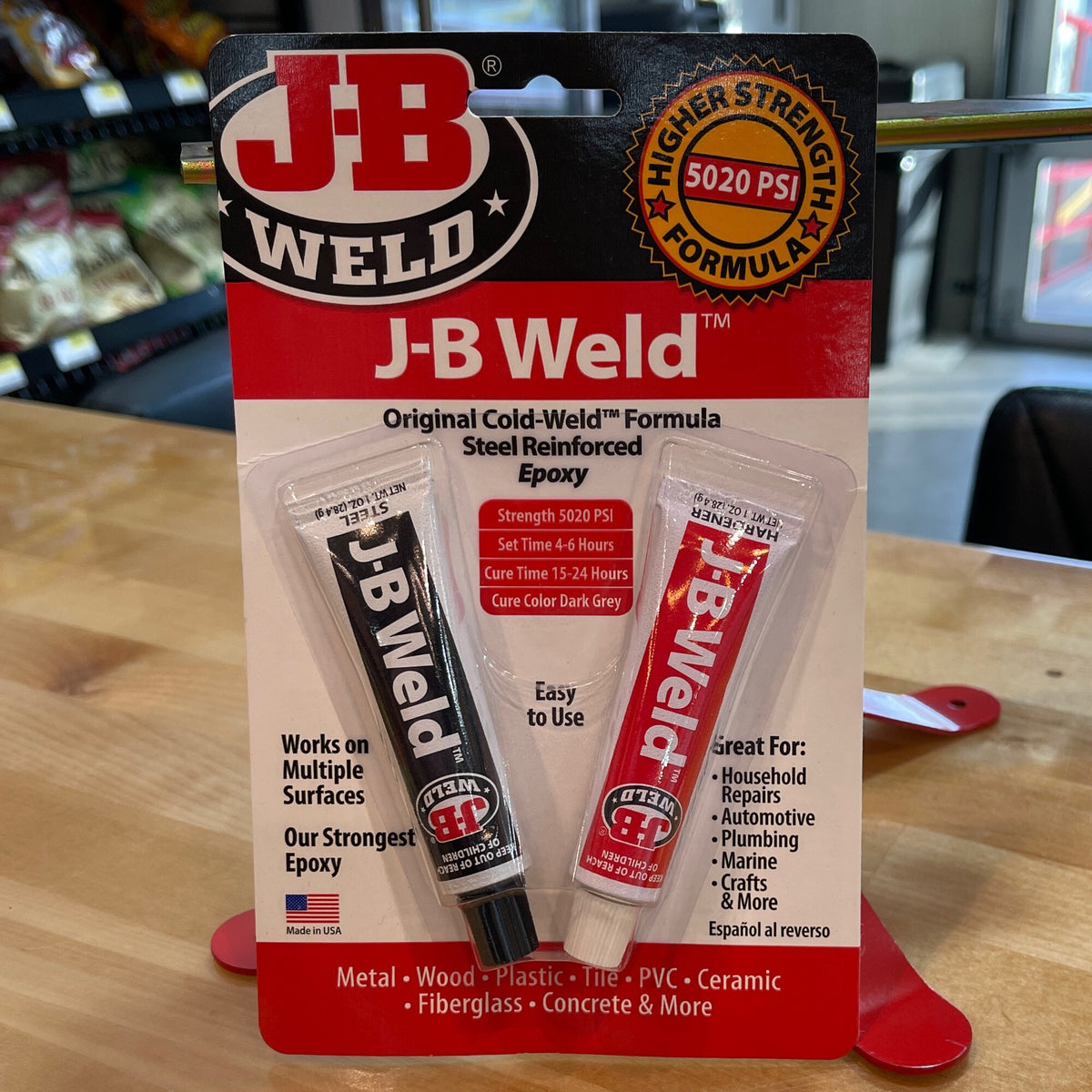
J-B Weld is a well-known epoxy adhesive that bonds and repairs different materials. It comes as two separate tubes—one contains resin and the other hardener. When you mix them, a chemical reaction starts, and the mixture turns from a thick paste into a strong solid. People use J-B Weld for:
- Filling cracks in metal parts
- Sealing leaks in pipes
- Repairing automotive parts
- Fixing household items
The product works on steel, iron, aluminum, copper, wood, plastic, ceramic, and more. After it cures, it can handle temperatures up to 550°F (288°C) and resist water, fuel, and chemicals.
How Cold Weather Affects Epoxy
Temperature has a big effect on epoxy adhesives like J-B Weld. The chemical reaction that causes the epoxy to harden (cure) slows down in low temperatures. This means that:
- The epoxy stays soft for a longer time.
- It takes longer to become strong.
- The final bond may not be as strong if the temperature is too low during curing.
Most epoxies work best at room temperature (about 70°F or 21°C). J-B Weld’s instructions say that the ideal curing temperature is between 50°F and 90°F (10°C to 32°C). Below 50°F (10°C), curing slows a lot.
Key J-b Weld Products And Their Cold Weather Performance
Many people use more than one type of J-B Weld. Here is how the most popular types perform in cold weather:
| Product | Ideal Application Temperature | Lowest Usable Temperature | Cold Weather Notes |
|---|---|---|---|
| J-B Weld Original | 50°F – 90°F (10°C – 32°C) | Down to 40°F (4°C), slower cure | Full strength may take 48+ hours in cold |
| J-B KwikWeld | 50°F – 90°F (10°C – 32°C) | Down to 40°F (4°C), slower cure | Sets in 10 mins at room temp, 1+ hour in cold |
| J-B MarineWeld | 50°F – 90°F (10°C – 32°C) | Down to 40°F (4°C), slower cure | Waterproof, but slow to harden if cold |
| J-B PlasticWeld | 50°F – 90°F (10°C – 32°C) | Not recommended below 50°F (10°C) | Cold can cause weak bond |
What Happens To J-b Weld Below 50°f (10°c)?
When temperatures drop below 50°F, two main things change:
- Curing slows down: J-B Weld can take two to three times longer to set and cure. This means your repair may stay soft or sticky for a day or more.
- Bond strength may drop: If the temperature stays very cold (below freezing, 32°F or 0°C), the chemical reaction may not finish. The bond can end up weaker, brittle, or even fail.
Epoxy relies on heat for the reaction. If it is too cold, the parts may not stick well, and the repair can break under stress.
Real-world Examples: J-b Weld In Winter
Many users share their experiences online about using J-B Weld in cold weather. Here are a few common outcomes:
- Fixes done at 30°F (-1°C) can stay soft for two days and may not reach full hardness.
- Repairs made in an unheated garage at 40°F (4°C) take much longer to cure, but they work if left undisturbed for several days.
- Some users warm the parts or the glue before mixing, which helps with curing.
These stories show that J-B Weld can work in cold weather, but it requires patience and some extra steps.
How To Use J-b Weld In Cold Weather
If you need to use J-B Weld when it is cold outside, you can still get a solid repair by following these steps:
1. Warm The Tubes Before Mixing
Store the resin and hardener at room temperature before use. If you are outside, keep them in your pocket or a warm place. Cold epoxy is thick and hard to mix, and it cures much slower.
2. Prepare The Surfaces Well
Clean and roughen the surfaces. Cold weather makes grease and oil harder to remove, so use alcohol or a strong cleaner. Sand the surfaces to help the epoxy stick.
3. Mix Thoroughly
Cold epoxy does not mix as easily. Stir both parts together for at least a minute until the color is even. Incomplete mixing leads to weak spots.
4. Apply Heat If Possible
After applying the epoxy, you can add gentle heat:
- Use a heat lamp or hair dryer to keep the repair area warm (not hot).
- Cover the item with a box or towel to hold in heat.
- Do not overheat—keep the area below 120°F (49°C).
This helps speed up curing and increases bond strength.
5. Allow Extra Curing Time
In cold weather, give the repair extra time to harden. Instead of the usual 4-6 hours to set and 15-24 hours to cure, wait 24-48 hours or more. Test the repair only when it feels very hard.
6. Avoid Freezing Temperatures During Cure
Try to keep the repair above freezing (32°F or 0°C) while it sets. If the epoxy freezes before it cures, the chemical reaction may stop, and the bond will be weak.
7. Use A Faster Setting Product
If you are in a hurry, consider J-B KwikWeld. It sets faster than the original formula, even in cool temperatures. But it still needs more time in the cold than at room temperature.
Credit: gutterall.com
Common Mistakes When Using J-b Weld In Cold Weather
Many repairs fail in the cold because people skip important steps. Here are mistakes to avoid:
- Not warming the epoxy: Cold glue mixes poorly and cures slowly.
- Using on wet or icy surfaces: Water or frost blocks the bond.
- Moving the parts too soon: The repair may look hard but is still soft inside.
- Not cleaning surfaces: Dirt and grease are harder to remove in the cold.
- Not allowing enough cure time: Patience is crucial. Rushing leads to weak repairs.
Cold Weather Vs. Regular Weather: What Changes?
Here’s a simple comparison of how J-B Weld works in cold weather versus room temperature:
| Condition | Room Temperature (70°F/21°C) | Cold Weather (40°F/4°C) |
|---|---|---|
| Mixing | Easy, smooth | Thick, harder to blend |
| Set Time | 4-6 hours | 12-24 hours |
| Full Cure | 15-24 hours | 48-72 hours |
| Bond Strength | Maximum | Lower if too cold |
Tips For Best Results In Cold Weather
You can make J-B Weld work well, even in winter, by following these tips:
- Plan ahead: If you know you will repair something outside, bring the materials inside to warm up before starting.
- Test a small area first: Try a small repair to see how it cures in your environment.
- Cover the repair: Use cardboard, blankets, or a box to trap heat around the part.
- Check hardness: Press gently with a fingernail. If it leaves a mark, wait longer.
- Use a thermometer: Check the air and part temperature. Warmer is better, but avoid overheating.
How Cold Is Too Cold For J-b Weld?
J-B Weld can work down to about 40°F (4°C), but anything colder starts to cause problems. Below freezing, the reaction nearly stops. The company does not recommend using their epoxies below 40°F unless you can warm the area. If you must repair something outdoors in the winter:
- Try to move the item indoors.
- Use hand warmers or electric heaters to keep the area above 40°F.
- Delay non-urgent repairs until warmer weather, if possible.
Strength And Durability Of Cold-cured J-b Weld
A repair made in the cold can be strong if you follow best practices. But tests show that epoxy bonds created at room temperature are always stronger than those made below 50°F. In some lab studies, cold-cured epoxies are 20-40% weaker than normal. For most household repairs, this drop is not critical. But for car engines, boats, or safety parts, the difference can matter.
If you need the highest strength, try to cure the repair at room temperature, or at least warm the area for the first few hours.
Outdoor Repairs: Special Challenges
Outdoor repairs in winter add more problems:
- Wind and cold air: These cool the epoxy faster, slowing the cure.
- Moisture: Rain, dew, or frost can ruin the bond.
- Changing temperatures: If it warms up during the day and freezes at night, the epoxy can crack.
To handle these, try to do the work during the warmest part of the day, and protect the repair from the weather until it is fully hard.
J-b Weld Vs. Other Cold Weather Adhesives
Some glues and epoxies are made to work in the cold. Here’s a look at how J-B Weld compares to other common options:
| Adhesive | Lowest Recommended Application Temp | Cure Time in Cold | Best Uses |
|---|---|---|---|
| J-B Weld Original | 40°F (4°C) | 48+ hours | Metal, plastic, general repair |
| Polyurethane Glue | 35°F (1.6°C) | 12-24 hours | Wood, construction, outdoor repair |
| Super Glue (Cyanoacrylate) | 32°F (0°C) | Instant (but weak in cold) | Small, quick fixes |
| Cold-Weather Epoxy | -10°F (-23°C) | 6-24 hours | Specialty industrial use |
Most general-purpose epoxies have trouble below 40°F. For very cold work, look for epoxies labeled as “cold weather” or “arctic” formulas.
Special Insights For Beginners
Two things often surprise new users:
- Epoxy can look hard but still be soft inside. The outside can form a crust, but inside, it may not be fully cured. Always wait longer if you are unsure.
- Warming the repair, even just a little, makes a big difference. Many people think a small heater or even a light bulb will not help, but it speeds up curing a lot.
These small steps often mean the difference between a lasting fix and a failed repair.
What If You Cannot Warm The Area?
Sometimes, you cannot bring parts inside or use a heater. In these cases:
- Use the fastest setting epoxy you can find.
- Try to do the repair during the warmest part of the day.
- Cover the repair from wind and moisture.
- Do not stress or move the part for several days.
The repair may not be as strong, but it will often be good enough for non-critical uses.
Safety Tips For Using J-b Weld In Cold
Epoxies are safe if used with care, but cold weather brings some risks:
- Ventilation is still needed: Even in the cold, do not use J-B Weld in a closed space without air flow. The fumes can build up.
- Wear gloves: Cold makes your skin dry and cracked, and epoxy can cause irritation.
- Avoid open flames: Do not use torches or open flames to warm the area, as epoxy fumes can ignite.
Credit: garageweld.com
When Not To Use J-b Weld In The Cold
Some repairs should wait for warmer weather or be done indoors. Avoid using J-B Weld in the cold if:
- The item must handle high stress or safety loads (e.g., car suspension, load-bearing parts).
- The repair is exposed to water or freezing rain during the cure.
- The temperature is below 32°F (0°C) and you cannot warm the area.
In these cases, the risk of failure is too high.
How To Store J-b Weld In Winter
J-B Weld itself stores well in the cold, but you should:
- Keep unopened tubes above freezing, if possible. Freezing can separate the resin and hardener inside.
- Warm tubes before use for best results.
- If the epoxy is stiff or grainy after being cold, bring it to room temperature before using.
Proper storage keeps the product working for years.
Alternatives For Extreme Cold
If you often need to repair things in deep winter, consider:
- Cold-weather epoxies: Some brands sell special formulas for temperatures down to -20°F (-29°C).
- Mechanical fasteners: Bolts, screws, or clamps may work better in the cold.
- Professional help: For complex or critical repairs, a professional may have access to better adhesives or heated workspaces.
The Bottom Line: Does J-b Weld Work In Cold Weather?
J-B Weld can work in cold weather if you plan ahead and adjust your methods. The repair will take longer to cure, and the bond may not be as strong as at room temperature. If you can warm the area or wait for a mild day, you will get better results. For most home repairs, patience and heat are your best tools.
If you need more details, you can visit the J-B Weld official FAQ for more technical information.

Credit: metalfusionpro.com
Frequently Asked Questions
Does J-b Weld Cure Faster If I Use A Heat Lamp?
Yes, gentle heat from a heat lamp or hair dryer can speed up the curing process. Do not let the temperature go above 120°F (49°C). Too much heat can damage the repair.
Will J-b Weld Work If The Surfaces Are Wet From Snow Or Ice?
No, J-B Weld needs dry, clean surfaces. Water, snow, or ice will block the epoxy from sticking. Warm and dry the area before applying the glue.
Can I Use J-b Weld On My Car Engine Outside In The Winter?
You can, but the repair will cure very slowly. It is better to move the part indoors or use a heater to keep the area warm until the epoxy sets.
Is There A Special J-b Weld For Freezing Temperatures?
J-B Weld does not sell a standard product for below-freezing use. For very cold repairs, look for “cold-weather” or “arctic” epoxies from industrial suppliers.
What If I Touch Uncured J-b Weld With My Bare Hands In The Cold?
Wash your hands with soap and water right away. Epoxy can irritate skin, especially in dry, cold conditions. Wear gloves when mixing and applying J-B Weld.
J-B Weld gives strong, lasting repairs in most conditions, but cold weather needs extra care. Follow these tips, and your repair will have the best chance to last—even when the temperature drops.