Disclosure: This post contains affiliate links and I will be compensated if you make a purchase after clicking through my links. Learn More
Neutral or slightly oxidizing flame. Beginners often use too much acetylene, thinking a bigger, bushier flame will cut faster. In reality, this just adds carbon to the cut, leading to a rough edge and black soot. A neutral flame is sharp, with no yellow or feathery tail.
If you notice a lot of soot or popping sounds, check your flame adjustment immediately.
- Moving too fast or too slow: If you move the torch too quickly, the oxygen jet will not have enough time to oxidize the steel fully, resulting in an incomplete or jagged cut. If you move too slowly, the cut widens, and you produce excessive slag (molten waste metal that sticks to the bottom edge). Practice on scrap pieces to find the right speed—a steady, even motion is better than trying to rush.
- Incorrect tip size: Many think a bigger tip is always better for thicker metal. But using too large a tip wastes gas and can overheat the area, warping your work. Conversely, a small tip will not deliver enough heat or oxygen, causing the cut to stop or become uneven. Always match the tip size to the metal thickness—your torch manufacturer’s chart will guide you.
- Not cleaning the metal: Rust, paint, oil, or even heavy mill scale can block the preheat flames. The result is a sputtering cut and a messy edge. Always clean the cut line with a wire brush or grinder before starting.
- Ignoring safety checks: Skipping leak checks or not purging hoses can lead to dangerous flashbacks (flame traveling back into the hose). Make leak testing and hose purging a routine, not a one-time task.
- Improper torch angle: The torch should be held about 90 degrees to the plate for straight cuts. Tilting the torch too much can cause undercut or a bevel on one side. For bevel cuts, adjust the angle as needed, but maintain consistency throughout the cut.
- Incorrect shutdown procedure: Shutting off the torch incorrectly can draw air into the hoses, which is dangerous. Always turn off the acetylene first, then the oxygen. When finishing for the day, close the cylinder valves, release the gas from the hoses, and back off the regulator adjusting screws.
Non-obvious Insight: Watching The Kerf
The kerf is the width of the cut made by the torch. Many beginners focus only on the torch and not the kerf. Watch the bottom of the cut as you move—if you see sparks and molten metal blowing through evenly, you are moving at the right speed. If the sparks stop, you are moving too fast. If they spray back or pool, you are moving too slowly. This simple observation can greatly improve your cut quality.
Non-obvious Insight: Preheat Is Everything
The most common mistake is not preheating the metal enough. If you press the oxygen lever before the steel is red hot, you will not get a clean start. Always wait until the area is a bright, cherry red before beginning the cut.
This small patience step can be the difference between a clean cut and a ruined workpiece.
Safety Tips: Working With Oxy Acetylene
Working with open flames and high-pressure gases is always risky. Good habits keep you safe.
- Store cylinders upright and chained. Never lay them flat.
- Open valves slowly to avoid sudden pressure surges.
- Never use oil or grease on any equipment. Oil can react with oxygen and cause a fire or explosion.
- Check for leaks every time you set up. Soap solution is cheap insurance.
- Wear proper PPE (personal protective equipment): Flame-resistant gloves, goggles or face shield, closed-toe shoes, and long sleeves.
- Keep a fire extinguisher nearby, and know how to use it.
- Ventilate your workspace. Fumes from cutting can be harmful, especially in small or closed areas.
- Do not cut near flammable materials. Sparks travel far.
- Never use acetylene above 1 bar (15 psi) pressure. Higher pressures make acetylene unstable and explosive.
- Purge hoses before lighting. This pushes out any air or mixed gases.
- Be aware of flashback arrestors and check valves. These devices stop flames from traveling backward into hoses or cylinders.
Additional Safety Insight
Many accidents happen after the cutting is done. Hot cut pieces look cool but can burn you even minutes later. Always assume metal is hot and use pliers or tongs to move freshly cut pieces.
Oxy Acetylene Versus Other Cutting Methods
It helps to know where oxy acetylene stands compared to newer options.
- Plasma cutting: Uses a high-velocity jet of ionized gas (plasma) to melt metal. It cuts faster and with less slag on thin materials but costs more and needs electricity.
- Laser cutting: Uses focused light to melt or vaporize metal. It is extremely precise and clean but expensive and best for shops, not fieldwork.
- Mechanical cutting (saws, shears): No heat, so no heat-affected zone, but much slower and limited to thinner materials.
Oxy acetylene remains popular because it is simple, works without power, and can cut very thick steel. It is ideal for demolition, field repair, and situations where portability and low cost matter more than extreme precision.

Credit: www.weldingsuppliesfromioc.com
Advanced Tips For Better Results
Once you master the basics, these expert tips will help you cut like a pro:
1. Use A Guide
For long, straight cuts, clamp a piece of angle iron or flat bar next to your line. Run the torch tip along the guide edge to keep your cut straight. This trick is used in shipyards and structural steel shops for accuracy.
2. Preheat Thick Or Rusty Steel Longer
Older, rusted, or very thick steel needs more time to heat. Be patient. Trying to cut too soon leads to frustration and wasted gas.
3. Backhand Vs. Forehand Cutting
- Forehand (push) technique: Torch moves in the direction of the cut, with the tip angled slightly forward. Good for thin steel (up to 20 mm).
- Backhand (pull) technique: Torch is angled back toward the cut. Gives a cleaner edge on thick material.
- Try both and see what works best for your project.
4. Piercing Holes
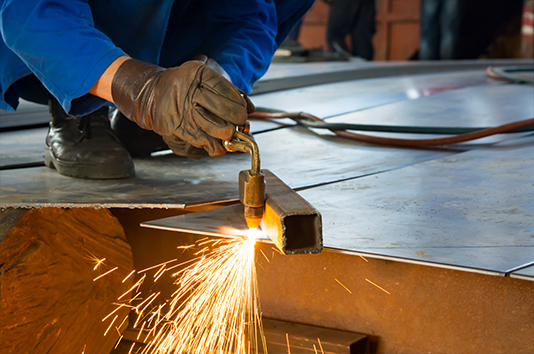
To start a cut in the middle of a plate (not at the edge), heat a spot to bright red, then slowly press the oxygen lever to blow through. Start with a small hole and widen as needed. Always aim the torch slightly away from your body.
5. Cleaning Slag
If slag sticks to the bottom edge, let the piece cool, then chip it off with a chipping hammer or wire brush. Do not touch with bare hands—edges are sharp.
Applications: Where Oxy Acetylene Cutting Shines
You will find oxy acetylene equipment in many places:
- Shipyards: Cutting heavy plate and frames during shipbuilding or repair.
- Scrapyards: Dismantling old vehicles and machinery.
- Construction sites: Shaping rebar, beams, and plates where power may not be available.
- Automotive repair: Removing rusted bolts, cutting exhaust systems, or trimming panels.
- Art studios: Sculptors and metal artists use torches for creative, freehand cuts.
Each application benefits from oxy acetylene’s portability and ability to cut thick, rugged steel.
Credit: www.weldingsuppliesfromioc.com
Troubleshooting: When Things Go Wrong
Even experienced operators run into problems. Here’s how to solve common issues:
- Cut stops or stalls: Check tip size, gas pressures, and make sure you are not moving too fast.
- Rough or uneven edge: Clean the surface, adjust flame, and check torch speed.
- Backfiring or popping: Usually caused by a dirty tip, incorrect gas pressures, or touching the tip to the metal. Turn off the torch, clean the tip, and start again.
- Slag buildup: Slow your speed or adjust the torch angle to ensure all molten metal blows clear.
- Flashback: If you hear a high-pitched whistle, shut off the torch immediately. Check for clogged tips or hoses, and always use flashback arrestors.
When Not To Use Oxy Acetylene Cutting
While versatile, oxy acetylene is not always the best tool. Avoid using it for:
- Cutting non-ferrous metals: Aluminum, copper, and stainless steel do not react well and can create dangerous fumes.
- Precise, thin sheet work: Edges can warp or burn away.
- Work in fire-sensitive areas: Sparks and open flame are a hazard near fuel, chemicals, or wood.
If you need very precise cuts or must work indoors with minimal fire risk, consider plasma or mechanical methods instead.

Credit: clge.fr
Continuous Learning And Practice
Mastering oxy acetylene cutting takes time. Even skilled welders keep learning new tricks. Practice on scrap metal before tackling important jobs. Join a local welding class or ask an experienced metalworker for tips. Good technique comes from hands-on work, not just reading.
If you want to see visuals and more science behind cutting, check out resources from industry leaders like [The Welding Institute](https://www.twi-global.com/technical-knowledge/job-knowledge/oxy-acetylene-cutting-070) for diagrams and deeper explanations.
Final Thoughts
Oxy acetylene cutting is a classic skill in the world of metalwork. Its value lies in its simplicity, power, and versatility. By understanding the science, using the right equipment, and practicing good safety, you can make clean, efficient cuts on even the heaviest steel.
Remember, the best results come from careful setup, attention to detail, and steady hands. With practice, this old-school method will serve you well for years in the workshop, on the jobsite, or in your creative projects.