Disclosure: This post contains affiliate links and I will be compensated if you make a purchase after clicking through my links. Learn More
TIG welding demands accuracy and skill. Many beginners focus on the machine, settings, and technique. But the filler rod you use is just as important. The right filler rod can make your weld strong, clean, and long-lasting. The wrong rod can cause cracks, weak joints, or even a failed project. Choosing the correct filler rod for TIG welding is not always simple, especially with so many metals and rod types available. This article explains every detail you need to understand, compare, and select the best filler rod for your TIG welding job.
What Is A Tig Welding Filler Rod?
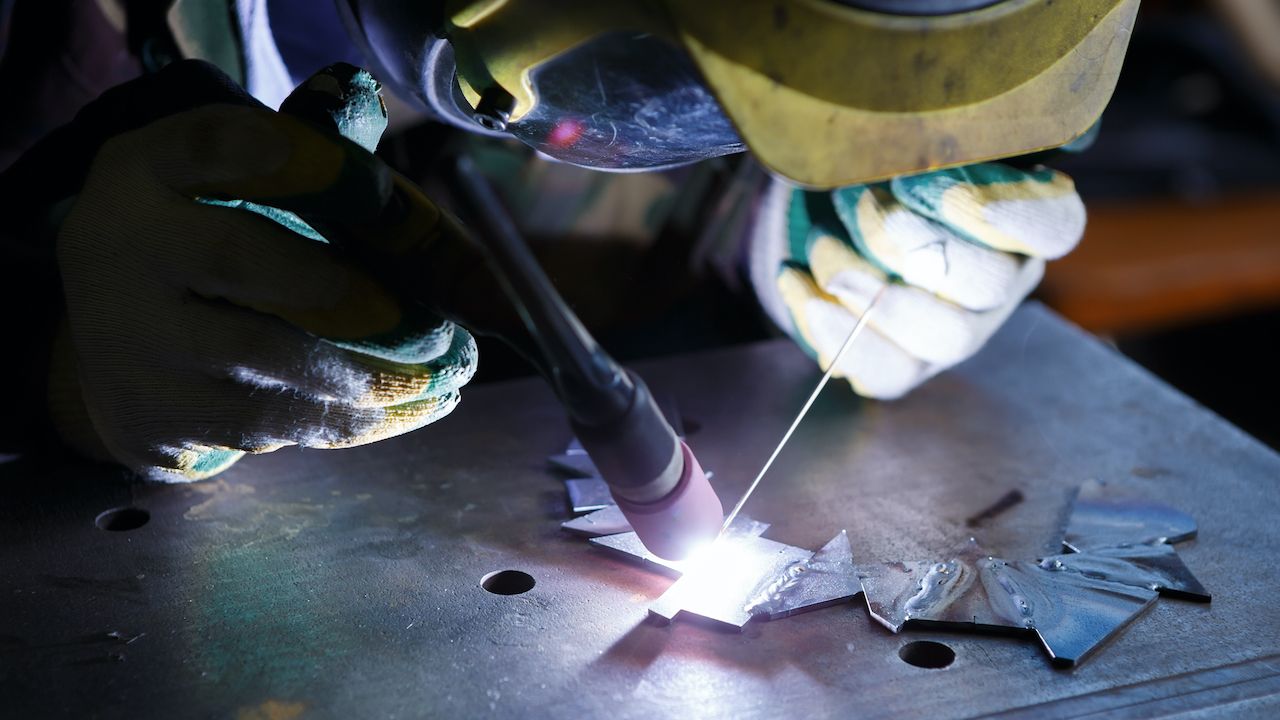
A filler rod is a thin metal stick you add to the weld pool while TIG welding. It melts and mixes with the base metals to join them together. The rod’s material should match or suit the base metals for a strong weld. Filler rods come in different sizes, lengths, and metal types. You feed the rod by hand into the arc as you weld.
Some rods melt faster than others depending on their metal type and thickness. The way you move the rod and how much you add also affects the final weld. For example, adding filler slowly can help control the bead shape, while adding too much at once may make the weld look messy or cause defects.
One non-obvious detail is that not all filler rods are solid metal. Some, especially for special applications, have tiny amounts of other materials inside or on the surface to help with flow and bonding. For TIG, though, most rods are solid, but understanding this difference helps when switching between welding methods.
Why The Right Filler Rod Matters
Choosing the proper filler rod affects more than looks. It affects:
- Weld strength: The rod must match the base metal’s properties.
- Corrosion resistance: Some rods fight rust and chemical damage.
- Flexibility and toughness: Some rods bend under stress, others stay rigid.
- Cracking and porosity: The wrong rod can cause cracks or air bubbles.
- Appearance: Proper rods create smooth, clean welds.
Many beginners think any rod will work if it melts, but that is not true. Each project or metal needs a specific rod for best results.
A common mistake is to focus only on appearance after welding. While a pretty weld bead is nice, internal strength matters more—especially for parts under load or in harsh environments. For example, using an aluminum rod on steel might create a bead, but the joint will be very weak and could fail suddenly.
Another non-obvious point: Some filler rods are designed to work better with old or slightly contaminated metals. If you’re repairing old machinery or working outdoors, the right rod can make a big difference in weld quality and reduce the risk of defects you can’t see right away.

Credit: americantorchtip.com
Key Factors To Consider
Before you choose a filler rod, review these important points. They help you avoid weak welds and costly mistakes.
1. Base Metal Type
Match the filler rod to your base metal. Most rods are made for specific metals:
- Steel: Use ER70S-2 or ER70S-6.
- Stainless steel: Use ER308L, ER309L, ER316L.
- Aluminum: Use ER4043, ER5356.
- Copper, nickel, magnesium, titanium: Use rods designed for those metals.
Some rods work for mixed or unknown metals, but always check the manufacturer’s suggestions.
If you are unsure of your metal type, do a spark test or check with a magnet (for steel types), or look for markings on the material. This small effort can prevent using the wrong rod.
2. Mechanical Properties
Consider how strong, hard, or flexible the finished weld must be. Match the rod’s:
- Tensile strength (pulling force)
- Ductility (ability to bend without breaking)
- Impact resistance (withstand sudden force)
If you weld a part that faces stress, vibration, or impacts, pick a rod that matches or exceeds your base metal’s strength.
For some jobs, like safety rails or bike frames, this is extra important. A rod that is too weak or too brittle can make the part dangerous. For example, ER70S-2 offers good ductility, so it’s often chosen for bike frames, which must bend a little without cracking.
3. Chemical Properties
Some rods offer extra features like:
- Corrosion resistance (for wet or chemical settings)
- Heat resistance (for high-temperature jobs)
- Electrical conductivity (for electrical parts)
For example, ER316L has more molybdenum for better rust resistance, making it useful in chemical plants.
Another factor is if your finished part will be painted, coated, or left bare. Some filler rods are designed to bond well with surface coatings, while others are better for raw, exposed metal.
4. Welding Position
Some rods work better in certain positions:
- Flat: Most rods work here.
- Vertical or overhead: Some rods flow better and do not drip.
Check the rod’s specs to see which positions it suits.
If you often weld on awkward surfaces, a rod that flows easily and doesn’t sag is helpful. For overhead welds, a rod with good “wetting” (spreads smoothly but not runny) makes the job easier and safer.
5. Joint Design And Fit-up
A tight joint needs less filler. A wide gap needs more filler and may need a thicker rod. For thin metals, use a thin rod to avoid burn-through.
Joint design also affects how the weld cools. Large gaps or uneven joints can trap gas, leading to porosity. If you know your fit-up will be rough, choose a filler rod designed to handle gaps or bridge spaces.
6. Shielding Gas
The gas you use with TIG affects how the rod melts and protects the weld. Argon is most common. Some rods need special gases for best results.
For example, some aluminum rods work better with a mix of argon and helium for deeper penetration. If your welds look odd or have lots of tiny holes, try changing your gas or checking if your rod needs a different gas mix.
7. Code Or Specification Requirements
Some jobs must follow codes, such as ASME, AWS, or ISO. These rules may specify certain rods for safety and performance. Always follow the code if one applies.
If you work in a regulated industry (like boilers, pipelines, or medical devices), using the specified rod is not just best practice—it’s required by law or contract. Always keep the rod packaging or certificate for your records.
8. Availability And Cost
Sometimes, your first choice is not in stock or is too expensive. Have a backup rod that fits your needs. But do not pick a rod only because it is cheap; poor rods can cause bigger problems later.
If you must substitute, check the chemical and mechanical specs. Some suppliers offer “equivalent” rods, but always ask for a data sheet or check the composition carefully.
Common Types Of Tig Filler Rods
Many rods exist, but a few cover most TIG welding needs. Here are the common types and their uses.
| Filler Rod | Base Metal | Main Use | Special Features |
|---|---|---|---|
| ER70S-2 | Carbon Steel | General purpose | Good for dirty/rusty steel |
| ER70S-6 | Carbon Steel | Clean/new steel | More deoxidizers |
| ER308L | Stainless Steel 304/304L | Food, medical equipment | Low carbon, reduces cracking |
| ER316L | Stainless Steel 316/316L | Chemical, marine | Resists corrosion, molybdenum |
| ER4043 | Aluminum (6xxx series) | General aluminum welding | Flows well, less crack risk |
| ER5356 | Aluminum (5xxx series) | High strength, marine | Better ductility, not for cast aluminum |
Less Common Rods
Other rods are for special jobs, like nickel alloys, titanium, or magnesium. Always use the rod made for your metal, or ask a welding supplier.
For example, nickel alloy rods are often used in high-temperature or corrosive environments, such as power plants or chemical factories. Titanium rods are required for aerospace parts where weight and strength matter. These metals are sensitive, and using the wrong filler can ruin an expensive part.
Credit: weldguru.com
How To Read Filler Rod Labels
Filler rods use codes like ER70S-2. Each part has a meaning:
- ER: Electrode or Rod (for TIG, it means rod)
- 70: Tensile strength (in 1,000 psi; 70 = 70,000 psi)
- S: Solid (not flux-coated)
- -2, -6, etc. : Chemical composition or extra features
For stainless rods (like ER308L):
- 308: Alloy type
- L: Low carbon
For aluminum rods (like ER4043):
- 4043: Alloy type
Check the rod’s box or data sheet for exact specs.
Knowing how to read these labels helps you avoid mistakes at the store or on the job. For example, picking up ER70S-3 instead of ER70S-6 by mistake could change your weld results, especially on dirty steel.
Matching Filler Rod To Base Metal
The best weld comes from matching the rod to your base metal. Here’s how to do it for common metals.
Carbon And Mild Steel
Most steel jobs use ER70S-2 or ER70S-6. Choose ER70S-2 for dirty or rusty steel. It has extra deoxidizers, which clean the weld pool. Use ER70S-6 for new, clean steel with few impurities. It creates a smoother weld.
If welding structural parts, always check if your steel is low or medium carbon. High-carbon steels may need preheating and special filler rods to avoid cracking.
Stainless Steel
For 304 or 304L stainless, use ER308L. For 316 or 316L, use ER316L. If you join two different stainless types, pick the filler for the stronger or more corrosion-resistant one. ER309L is common for joining stainless to carbon steel.
If your weld will be exposed to saltwater, ER316L is safer because of its higher corrosion resistance.
Aluminum
Aluminum needs careful rod selection. Use ER4043 for most general jobs, especially with 6061 aluminum. It flows easily and resists cracks. Use ER5356 for jobs needing more strength or with 5xxx alloys. ER5356 is also better for marine use, but not for cast aluminum.
If you weld cast aluminum, sometimes a special rod (like ER4047) is a better choice because it handles silicon content and casting impurities better.
Special Metals
- Copper: Use rods with similar copper content.
- Nickel alloys: Use rods made for the specific alloy.
- Titanium: Use only titanium rods of the same grade.
If unsure, check the base metal’s grade and ask the rod supplier for a match.
Selecting Rod Diameter And Length
Rod size affects how much filler you add and how the weld looks.
Diameter
Common sizes: 1/16″, 3/32″, and 1/8″. Thinner rods are good for thin metals. Thick rods suit heavy pieces.
- Thin base metal (under 1/8″): Use 1/16″ or thinner rods.
- Medium (1/8″ to 1/4″): Use 3/32″ rods.
- Thick (over 1/4″): Use 1/8″ or thicker rods.
Using a rod that is too thick can cause poor control and excess build-up. Too thin, and you risk burn-through.
If you’re welding small, intricate parts—like jewelry or electronics—very thin rods (down to 0. 035″) are available for fine control.
Length
Most rods are 36″ long. You can cut them for small jobs or tight spaces. Always keep the rod clean and dry.
Cutting rods shorter can also help reduce hand fatigue on long welds, and prevent accidental contamination from dragging a long rod across the workpiece.
Filler Rod Selection For Common Projects
Every project has its own needs. Here are examples with recommended rods.
- Auto body repair (steel): Use ER70S-6, 1/16″ or 3/32″.
- Food equipment (stainless): Use ER308L, 1/16″.
- Boat repair (aluminum): Use ER5356, 3/32″.
- Structural steel frame: Use ER70S-2, 3/32″ or 1/8″.
- Custom exhaust (stainless): Use ER308L or ER309L, 1/16″.
- Bike frames (chromoly steel): Use ER70S-2, 1/16″.
Always check the metal type before starting.
For repairs or unknown metals, try a test weld and inspect the joint before committing to the whole job. Many professionals keep small amounts of several rod types for this reason.
Understanding Filler Rod Chemical Composition
The rod’s elements affect how the weld behaves. Here are some key elements:
- Carbon: Raises strength but too much can cause cracks.
- Silicon, manganese, titanium: Help remove impurities.
- Chromium, nickel, molybdenum: Improve rust and heat resistance (found in stainless rods).
- Magnesium: Adds strength to aluminum rods.
Some rods have extra elements for special needs. Read the rod’s data sheet for details.
For instance, some rods include small amounts of copper or zinc to improve flow or color match, especially in artistic or decorative welding.
Rod Storage And Handling
Moisture, oil, and dirt can ruin filler rods. Store rods in a dry, clean place. For stainless and low-hydrogen rods, use sealed containers. Wipe rods with a clean cloth before use.
Pro tip: Rusty or dirty rods can cause weld defects, even if the base metal is clean.
If you live in a humid area, consider silica gel packs or rod ovens to keep rods dry. Even short exposure to water can cause problems, especially for rods used in critical work.
Common Mistakes When Choosing Filler Rods
Many welders make these errors:
- Guessing rod type: Always check the base metal and rod specs.
- Using the wrong diameter: Thick rods on thin metal cause burn-through.
- Ignoring codes or specs: Use the rod required by your job’s rules.
- Overlooking special needs: Some projects need rods with extra corrosion or heat resistance.
- Storing rods poorly: Dirty or wet rods cause weld problems.
Another mistake is not checking rod expiration dates. While solid rods last a long time, some specialty rods or those with special coatings can lose quality if stored for years.
How To Test Your Filler Rod Choice
If unsure, run a small test weld on scrap metal. Check for:
- Smooth, even weld beads
- No cracks, pits, or discoloration
- Good fusion between rod and base metal
Break the sample to check if the weld is strong. If the weld is weak, try a different rod.
For best results, bend the test weld. If the bead cracks before the base metal bends, the filler rod or your settings may not be suitable.

Credit: weldmongerstore.com
Cost Vs. Quality: Does Price Matter?
Expensive rods are not always better, but the cheapest rods can cause problems. Cheap rods may have impurities or poor consistency. For important jobs, use rods from trusted brands. For minor repairs, you can use budget rods if they meet the specs.
Buying from reputable suppliers also ensures you get fresh, properly stored rods. Fake or old rods, sometimes found online or at discount stores, may look fine but perform badly.
Essential Data: Filler Rod Selection Guide
Here is a quick look at suitable rods for common metals.
| Base Metal | Common Alloys | Best Filler Rods | Rod Diameter |
|---|---|---|---|
| Steel | 1018, 1020, 1045 | ER70S-2, ER70S-6 | 1/16″, 3/32″, 1/8″ |
| Stainless Steel | 304, 316 | ER308L, ER316L | 1/16″, 3/32″ |
| Aluminum | 6061, 5052 | ER4043, ER5356 | 1/16″, 3/32″ |
| Copper | Pure, alloys | ERCu, ERCuSi-A | 1/16″, 3/32″ |
| Nickel Alloys | Inconel, Monel | ERNiCr-3, ERNiCu-7 | 1/16″, 3/32″ |
| Titanium | Grade 2, 5 | ERTi-2, ERTi-5 | 1/16″, 3/32″ |
Two Insights Beginners Often Miss
Many new welders focus only on matching rod to base metal, but forget these points:
- Welding position affects rod choice. Some rods handle better for overhead or vertical welding. For example, ER70S-2 flows better for tricky positions than ER70S-6.
- Base metal condition changes rod needs. If your steel is rusty or oily, ER70S-2 works better than ER70S-6. If the metal is clean, you can use either.
Another insight: Always check the filler rod’s shelf life for specialty rods. Even if a rod looks fine, it may have absorbed moisture or lost its special properties over time.
How To Find Reliable Filler Rod Information
Always check the data sheets from the rod maker. They explain chemical makeup, best uses, and more. For standards and codes, review resources like the American Welding Society for trusted guidance.
Welding forums and professional groups can also be helpful, but always double-check advice with official sources or manufacturers.
Practical Tips For Tig Filler Rod Selection
- Cut a short piece of rod for tight spaces.
- Preheat thick or special metals if the rod’s data sheet suggests it.
- Use gloves to keep rods free of oil from your hands.
- Buy rods in small batches until you find the best match for your work.
Also, keep a record of which filler rods work best for your projects. This helps you save time and avoid mistakes on repeat jobs.
Summary
Choosing a TIG welding filler rod is not just about picking a metal stick. It is about matching the rod to your base metal, project needs, and weld position. Pay attention to the rod’s code, diameter, and chemical makeup. Always check the base metal, test on scrap, and ask for help if unsure.
Avoid common mistakes by reading specs and storing your rods well. With the right rod, your welds will be strong, neat, and safe.
Frequently Asked Questions
What Happens If I Use The Wrong Filler Rod?
Using the wrong rod can cause weak welds, cracks, rust, or welds that do not join properly. Always match the rod to your base metal and project needs.
Can I Use The Same Filler Rod For All Metals?
No. Each metal needs its own type of rod. Steel, stainless, aluminum, and other metals each have special rods made for them.
How Do I Store Tig Filler Rods?
Keep rods dry, clean, and in sealed containers if possible. Moisture and dirt can ruin rods and cause weld problems.
What Rod Should I Use For Welding Stainless Steel To Mild Steel?
The best choice is ER309L. It is made for joining stainless to carbon or mild steel.
Does Rod Diameter Affect My Weld?
Yes. Use thin rods for thin metals and thick rods for heavy parts. The right diameter helps control the weld and prevents defects.