Disclosure: This post contains affiliate links and I will be compensated if you make a purchase after clicking through my links. Learn More
Stick welding is a reliable and popular method for joining metal. Many people use stick welders for repairs, construction, and art projects. Yet, sometimes a stick welder will not start an arc. This problem can frustrate beginners and even experienced welders.
Understanding why a stick welder is not arcing helps you fix the issue quickly and safely.
This article explains the main reasons why a stick welder fails to arc. You will learn about common mistakes, equipment checks, and troubleshooting steps. You will also see practical examples and tips that can save time and money. By the end, you will be able to spot and solve most arc problems without stress.
How Stick Welding Works
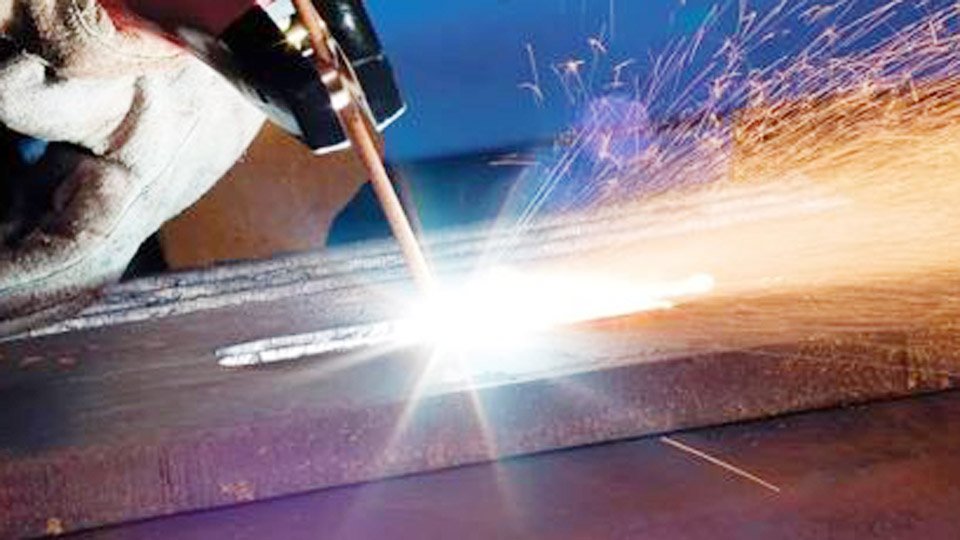
Stick welding, also called Shielded Metal Arc Welding (SMAW), uses an electric current to create heat. The welder holds an electrode (the “stick”) in a holder. When the stick touches the metal workpiece, the circuit completes, and an electric arc forms. This arc melts both the metal and the stick. The melted stick becomes the weld.
Arc formation is the most important step. If the arc does not start, welding cannot happen. Many things can prevent the arc, including equipment problems, wrong technique, or poor materials.
Common Reasons Why A Stick Welder Is Not Arcing
Many factors can stop a stick welder from forming an arc. Here are the most common reasons:
1. Incorrect Machine Settings
Stick welders have adjustable settings for voltage and current (amperage). If these values are too low or too high, the arc will not start. Always check the manufacturer’s chart for correct settings based on electrode type and metal thickness.
For example, a 3. 2 mm (1/8″) electrode usually needs 90-130 amps. If the machine is set to 50 amps, the arc might not form at all.
2. Poor Work Clamp Connection
The work clamp (sometimes called the ground clamp) must connect firmly to clean, bare metal. Paint, rust, oil, or dirt can block the electrical circuit. If the work clamp is loose or dirty, the arc will not start.
Use a wire brush or grinder to clean the spot where the clamp attaches. Make sure the clamp grips tightly.
3. Faulty Or Damaged Electrode Holder
The electrode holder carries current to the stick. Worn jaws, broken springs, or loose wires can stop current flow. Check for visible damage or heating at the holder. Replace the holder if it feels loose or gets hot quickly.
4. Bad Or Old Electrodes
Electrodes absorb moisture from the air. Old, damp, or rusty electrodes often fail to start an arc. Store electrodes in a dry, sealed container. If you see rust or feel moisture, try a new electrode.
5. Poor Striking Technique
Stick welding needs a special way to start the arc. Most people use either the “scratch” or “tap” technique. If you move the stick too fast or too slow, the arc will not catch.
Try striking the electrode like a match, then lift it slightly. If you are too far from the metal, the arc breaks. If you are too close, the stick can stick to the workpiece.
6. Low Input Power Or Bad Power Supply
Stick welders need stable input power. Low voltage from the wall socket, long extension cords, or faulty outlets can cause weak or no arc. Always plug the welder directly into a good outlet. Avoid cheap or undersized extension cords.
If you use a generator, make sure it supplies enough watts and volts. Low power can prevent arcing.
7. Broken Or Damaged Cables
Welding cables carry high current. Cuts, burns, or loose ends reduce power. Inspect both the electrode and work cables for breaks or worn insulation. Replace damaged cables.
8. Wrong Electrode For The Job
Some electrodes are for AC current, others for DC, and some for both. Using the wrong type can stop the arc. Always check the label and match the rod to your welder’s power type.
9. Dirty Or Coated Base Metal
Paint, grease, oil, rust, or mill scale on the metal stops current and prevents arcing. Clean the area with a grinder or brush until you see shiny bare metal.
10. Stuck Or Shorted Electrode
If the stick touches the metal too long, it can “stick” and short the circuit. This happens if you press too hard or hold the stick still. Pull the stuck rod free, clean the tip, and try again.
11. Internal Welder Faults
Sometimes, the problem is inside the welder. Broken switches, burned-out transformers, or failed electronic parts can block the arc. If you suspect an internal fault, contact a qualified repair shop.
12. Incorrect Polarity
Some rods need DC+ (reverse polarity), while others need DC- (straight polarity). Wrong polarity can stop the arc. Check the electrode type and set the welder to the right polarity.
13. Excessive Arc Length
If you hold the electrode too far from the metal, the arc cannot jump. Keep the tip about 2-3 mm (1/16″ – 1/8″) from the surface.
14. Overheating And Duty Cycle
Welders have a duty cycle—the time they can weld before overheating. If you run the welder too long, it will stop arcing to protect itself. Wait for it to cool, then try again.
15. Environmental Factors
Wind, humidity, or very low temperatures can affect arc starting. Welding outside on a windy day can blow away the arc or shielding gas. Try to work in a sheltered, dry area.
Troubleshooting Steps For Stick Welder Not Arcing
If your stick welder will not arc, follow these clear steps to find and fix the issue:
- Turn off the power. Safety comes first.
- Check all cables. Look for cuts, burns, or loose connections.
- Inspect the electrode holder. Make sure it grips well and is not hot or damaged.
- Test with a new electrode. Old rods often cause problems.
- Clean the work area. Remove paint, rust, and dirt.
- Check the work clamp. Clean the contact spot and ensure a tight grip.
- Verify settings. Set amperage and voltage as recommended.
- Try different striking techniques. Use scratch or tap methods.
- Check the input power. Plug the welder into a known good outlet.
- Switch polarity. If your welder allows, try both DC+ and DC-.
- Let the welder cool. If it feels hot, wait before trying again.
- Test on another piece of metal. Sometimes the problem is the workpiece.
If these steps do not solve the problem, the welder may need professional repair.
Practical Examples And Solutions
Example 1: Arc Will Not Start With New Electrodes
A user sets up a stick welder with new 6013 rods but cannot start an arc. They check the machine settings and see the amperage is too low (set at 40 amps). After increasing to 100 amps, the arc starts easily.
Insight: Always match the amperage to the electrode size.
Example 2: Electrode Sticks To The Workpiece
A beginner tries to start an arc, but the stick keeps sticking to the metal. They realize they are holding the stick too close and not using the scratch motion. After watching a tutorial, they adjust their technique and the arc starts smoothly.
Insight: Practice the striking motion to avoid sticking.
Example 3: No Arc With Clean Metal
An experienced welder cannot get an arc on clean metal. They check the work clamp and find it is connected to a painted surface. After moving the clamp to bare metal, the arc starts.
Insight: Even small layers of paint or rust can block the circuit.
Example 4: Welder Runs, But No Arc
A user hears the welder running, but nothing happens when they try to weld. They test the cables and find one is burned through inside the insulation. Replacing the cable fixes the problem.
Insight: Internal cable damage is hard to see but common.
Credit: weldingadvise.com
How To Prevent Stick Welder Arc Problems
Prevention saves time and money. Here are ways to avoid arc starting problems:
- Store electrodes properly. Use sealed containers to keep moisture out.
- Check and clean contacts. Regularly clean clamps and holder jaws.
- Use correct settings. Read the electrode package for suggested amperage.
- Inspect cables. Replace worn or damaged cables at once.
- Practice technique. Watch videos and practice on scrap metal.
- Keep metals clean. Remove coatings before welding.
- Allow cooling time. Do not exceed the welder’s duty cycle.
- Test equipment regularly. Catch faults before they stop your work.
Key Differences: Arc Welding Vs. Other Welding Methods
Stick welding is different from other popular welding types, such as MIG and TIG. This short table compares the main points:
| Welding Type | Arc Starting Method | Common Problems |
|---|---|---|
| Stick (SMAW) | Scratch or tap | Sticking, poor arc, electrode issues |
| MIG (GMAW) | Wire feed, trigger | Wire jams, bad gas flow |
| TIG (GTAW) | Lifting or high-frequency start | Tungsten contamination, arc fail |
Stick welding is more sensitive to technique and electrode condition than MIG. It is also less clean than TIG but requires less expensive equipment.
Credit: www.compliancesigns.com
Detailed Look: Electrode Types And Their Arc Starting Ease
Not all electrodes are equal. Some start arcs more easily than others. This table shows common rods and their arc starting difficulty:
| Electrode Type | Arc Starting Ease | Best For |
|---|---|---|
| 6010 | Medium | Pipe, deep penetration |
| 6011 | Medium | Dirty/rusty steel |
| 6013 | Easy | Thin, clean steel |
| 7018 | Harder (needs dry rod) | Structural welds, strong joints |
Tip: For beginners, 6013 is often the easiest rod to start with.
Effect Of Power Supply Quality On Arc Starting
The power supply can make or break your welding session. Some facts to know:
- Most stick welders use 220V (Europe/Asia) or 120V (North America) input.
- Low voltage (below 105V for 120V units) will cause weak or no arc.
- Long extension cords drop voltage. For every 10 meters, you can lose up to 3% voltage.
- Generators must provide “clean” power. Poor quality power can damage the welder and prevent arcing.
If you have frequent arc problems, use a voltmeter to check your outlet. If possible, plug the welder directly into the wall.
Signs Of Internal Welder Problems
Sometimes, the problem is not visible. Here are signs your welder may need service:
- Fan runs, but no arc at any setting
- Burning smell or smoke from inside the unit
- Display errors (on digital welders)
- Arc starts and then dies immediately, even with new rods
Internal faults often require a technician. Do not open the welder unless you are trained. High voltage inside can cause shock or injury.
Importance Of Correct Polarity In Stick Welding
Polarity affects arc quality and starting. Most stick welders have two terminals: positive and negative. Some rods, like 7018, work best with DC+ (electrode positive). Others, like 6011, can use AC or DC-. Using the wrong polarity can cause hard starting, poor bead, or no arc.
Check your electrode box for polarity advice. Setting the welder to the right polarity improves results.
How To Store And Handle Electrodes
Electrodes need dry storage. Moisture causes “hydrogen pickup,” which leads to hard arc starting and weak welds.
- Store rods in a sealed tube or oven.
- Do not leave rods out overnight.
- If rods are damp, bake them at 250°F (121°C) for a few hours (if the manufacturer allows).
Some electrodes, like 7018, are very moisture-sensitive. Always use fresh rods for best results.
Cleaning And Preparing The Base Metal
A clean workpiece makes arc starting easy. Even a thin layer of paint or rust can prevent arcing.
- Use a grinder or wire brush to expose shiny metal.
- Clean at least 1 inch (25 mm) around the weld area.
- If welding galvanized or coated metal, remove the coating first (work in a well-ventilated area).
This small step solves many arc problems before they start.
Comparing Ac Vs. Dc Stick Welders For Arc Starting
Arc starting is easier on DC welders. This table compares the two:
| Feature | AC Stick Welder | DC Stick Welder |
|---|---|---|
| Arc Starting | Harder, more spatter | Easier, smoother |
| Electrode Choice | Limited | Wider |
| Cost | Cheaper | More expensive |
If you have frequent arc problems, consider using a DC stick welder.
Common Myths About Stick Welder Arc Problems
Many people believe arc starting is only about technique. In fact, equipment and materials matter just as much.
- Myth: “Any electrode will work.”
Fact: Some rods need special power or dry storage.
- Myth: “Clean metal is not important.”
Fact: Even minor rust or paint can block the arc.
- Myth: “If it worked yesterday, the welder is fine.”
Fact: Cables, rods, and clamps can fail suddenly.
- Myth: “High amperage always helps.”
Fact: Too much amperage burns rods and damages metal.
Understanding these points helps avoid wasted time and effort.
Safety Tips When Troubleshooting Stick Welder Arc Problems
Stick welding uses high current and hot metal. Always work safely:
- Wear welding gloves, a helmet, and protective clothing.
- Turn off the power before checking cables or inside the welder.
- Avoid wet or damp floors.
- Keep flammable items away from the work area.
- Use proper ventilation, especially when cleaning metal.
If you smell burning or see smoke, stop and check equipment before continuing.
When To Seek Professional Help
Sometimes, DIY fixes are not enough. Call a professional if:
- The welder does not power on at all.
- There is a burning smell or visible damage inside.
- You have tried all troubleshooting steps without success.
- The welder is under warranty.
Professional repair can find faults that are not visible or safe to fix at home.
Further Resources
For more details about stick welding, you can check this Wikipedia article on Shielded Metal Arc Welding. It covers history, techniques, and advanced troubleshooting.
Frequently Asked Questions
Why Does My Stick Welder Only Arc Sometimes?
This happens if cables are loose, the electrode is old, or the work clamp is not attached to clean metal. Check all connections and try a new rod.
What Is The Best Electrode For Easy Arc Starting?
6013 electrodes are known for easy arc starting. They work well on clean, thin steel and are good for beginners.
Can Bad Weather Stop My Stick Welder From Arcing?
Yes. High humidity can make rods damp, and strong wind can blow the arc away. Always store rods dry and weld in a sheltered area if possible.
How Do I Know If My Welder Has An Internal Fault?
If the welder powers on but never arcs, or if you see smoke or hear strange noises, there may be an internal fault. Contact a repair shop for safe diagnosis.
Why Does My Electrode Keep Sticking To The Metal?
This usually means your amperage is too low, your technique needs practice, or the metal is dirty. Increase amperage, clean the work area, and practice the striking motion.
Stick welding is a powerful tool, but arc problems can slow you down. Most issues can be solved with careful checks and good habits. Always pay attention to your equipment, keep your materials clean and dry, and follow safety steps.
With the right approach, you can get your stick welder arcing every time.

Credit: metalfusionpro.com