Disclosure: This post contains affiliate links and I will be compensated if you make a purchase after clicking through my links. Learn More
Ays double-check your welder’s polarity before starting, especially if you recently switched processes or cables.
Switching polarity is easy—just follow your machine’s instructions. If you keep getting spatter after adjusting other settings, this is a quick thing to check.
9. Poor Grounding
A weak or dirty ground clamp can make the arc unstable. If your ground connection is loose, on rust, or too far from the weld, you may hear popping and see spatter increase.
Clean a spot on your workpiece and clamp as close to your weld as possible. Check the cable for wear or internal breaks. Many welders forget about the ground, but a solid connection is the foundation of smooth welding.
10. Atmospheric Conditions
Wind, drafts, or even a fan near your welding area can blow away shielding gas, letting air into the arc. This leads to contamination and spatter. Welding outdoors without wind protection often causes this problem.
Try to weld in a sheltered area, or use windshields if outside. If you notice spatter only on windy days, this is likely the cause.
How To Reduce Welding Spatter: Step-by-step
Reducing spatter takes a mix of smart setup, technique, and maintenance. Here’s how to get cleaner welds every time.
1. Dial In Your Machine Settings
Start with the recommended voltage and amperage for your process. Make small adjustments while testing on scrap metal. Listen for a smooth, steady arc—no popping or hissing.
For MIG, match your wire feed speed to your voltage. If you hear a high, sharp crackle, the speed is too high. If the arc is irregular, increase the speed slightly.
Keep a log of settings that work for each material and thickness. This saves time and helps you repeat good results.
2. Perfect Your Technique
Practice holding the torch at the right angle and distance. For MIG, a “push” angle (torch leaning away from the weld puddle) is best for most materials. For stick, keep your arc short and move steadily—don’t pause too long in one spot.
If you see spatter suddenly increase, adjust your travel speed or angle. Even experienced welders sometimes slip into bad habits.
Watching videos of expert welders can help you see the ideal technique in action. Try to copy their hand movements and arc length.
3. Prepare Your Workpiece
Cleanliness is key. Use a clean wire brush or grinder to remove all surface contamination. For TIG welding, wipe with acetone after brushing. For MIG and stick, focus on removing rust, paint, and grease.
If you’re welding galvanized steel, remove the zinc coating in the weld area—this is both safer and results in less spatter.
Lay out your parts so you can weld comfortably. Awkward positions lead to poor control and more spatter.
4. Choose The Right Consumables
Use the correct wire or rod for your material. Match the diameter to your joint thickness. Don’t use rusty or oily wire—store spools in a dry place and cover them when not in use.
If you try a new brand of wire or rods and see more spatter, it may be worth going back to your old favorite. Quality varies.
For special projects, research which filler metal works best—forums or manufacturer guides can help.
5. Maintain Your Equipment
Inspect your welder regularly. Replace worn contact tips, liners, and drive rolls. Blow out your gun with compressed air if you suspect dust buildup.
Don’t forget your ground clamp—clean the jaws and check the cable for breaks. A little preventative maintenance saves hours of frustration.
If your machine has not been serviced in a while, ask a pro to check it. Small electrical issues can affect your arc quality.
6. Use Anti-spatter Products (when Needed)
There are sprays and gels designed to prevent spatter from sticking. Apply these to your nozzle or workpiece before welding. They help, but don’t replace good setup and technique.
Wipe off any anti-spatter before painting or coating your weld. Some formulas can cause paint to peel if not removed.
7. Control The Environment
Try to weld indoors or in an area sheltered from wind. If you must weld outside, use windbreaks and increase your shielding gas flow slightly.
Don’t weld near open doors or fans blowing across your work. Even small drafts can disrupt the gas shield and increase spatter.
If you notice spatter only in certain locations, check for air movement.
Common Welding Spatter Myths
Many welders hear advice that sounds good but doesn’t actually fix spatter. Here are a few myths to avoid:
- “Turn up the gas to stop spatter.” Too much gas causes turbulence and more spatter. Use the recommended flow rate for your process.
- “Just grind off the spatter later.” Prevention is always better. Grinding can damage your base metal and hide defects.
- “All wires and rods are the same.” Quality, coating, and brand matter. Cheap consumables often cause more spatter.
- “Technique doesn’t matter, it’s just settings.” Both technique and settings are important. Even with perfect numbers, poor hand position will cause spatter.

Credit: yeswelder.com
Spatter By Welding Process: Key Differences
Different welding processes produce different amounts of spatter. Here’s what to expect:
Mig Welding
MIG (GMAW) has moderate spatter, especially if using CO2 gas. It’s sensitive to settings and technique. Most spatter issues can be fixed with careful machine adjustment and clean metal.
Stick Welding
Stick (SMAW) often creates more spatter, especially with high-amperage rods or poor arc control. Some electrodes, like E6011, are known for spatter but work well on dirty or rusty metal.
Tig Welding
TIG (GTAW) produces the least spatter. If you see spatter while TIG welding, something is very wrong—usually contaminated metal or incorrect settings.
Flux-cored Arc Welding (fcaw)
Flux-cored welding can create heavy spatter, especially with gasless wire. Proper settings, clean metal, and anti-spatter spray help reduce cleanup.
Advanced Tips For Cleaner Welds
Once you’ve mastered the basics, try these advanced tips:
- Pulse MIG settings: If your machine supports it, pulse welding can reduce spatter and improve bead appearance.
- Preheat thick metal: Preheating helps the weld puddle flow smoothly, reducing spatter on heavy sections.
- Short-circuit vs. spray transfer: For MIG, changing transfer modes (with higher voltage and argon-rich gas) can reduce spatter on thick material, but requires more skill and safety.
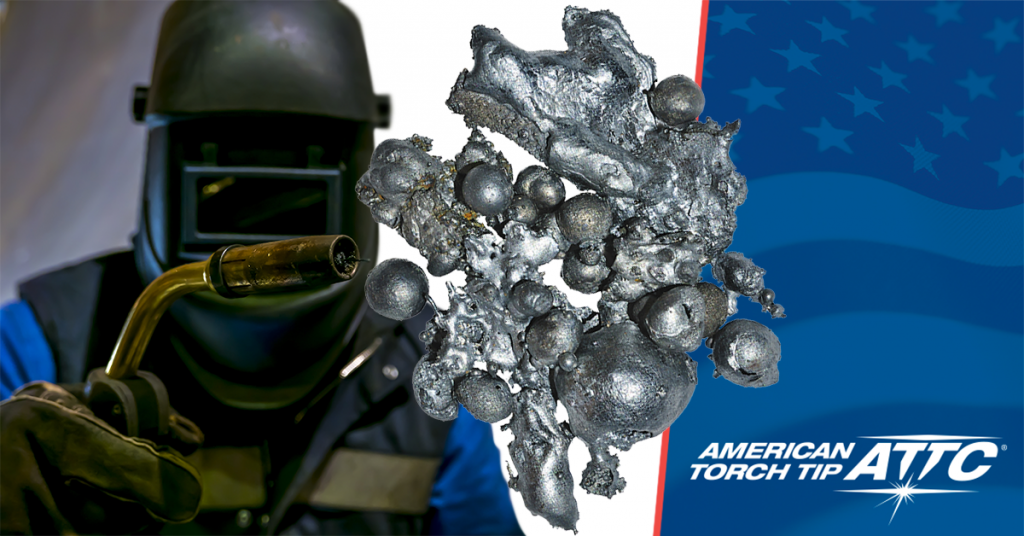
- Nozzle distance: Keeping the nozzle the right distance (about 1/4 inch for MIG) helps shield the arc and cuts spatter.
Credit: americantorchtip.com
Troubleshooting Checklist: Quick Reference
If you’re stuck, run through this checklist:
- Are your voltage and wire speed set correctly for your wire and metal?
- Is your workpiece clean and free of rust, oil, and paint?
- Are you holding the gun at the right angle and distance?
- Is your shielding gas type and flow rate correct?
- Are your contact tips and liners clean and in good shape?
- Are you using the right wire or rod for your material?
- Is your ground clamp clean and close to the weld?
- Is there wind or drafts in your workspace?
- Have you checked machine polarity?
- Do you need to try anti-spatter spray for tricky jobs?
Fix one factor at a time and test on scrap metal. Don’t change multiple settings at once or you won’t know what worked.
When To Ask For Help
If you’ve tried everything and still get excessive spatter, it may be time to ask for help. Welding supply shops often have experienced staff who can look at your welds and suggest solutions. Online forums (like [WeldingWeb](https://weldingweb.com)) are full of pros willing to help if you post photos and explain your setup.
Sometimes, an equipment repair or professional training session is the best investment. Don’t struggle alone—good advice can save you time, money, and frustration.
Credit: tigbrush.com
Final Thoughts
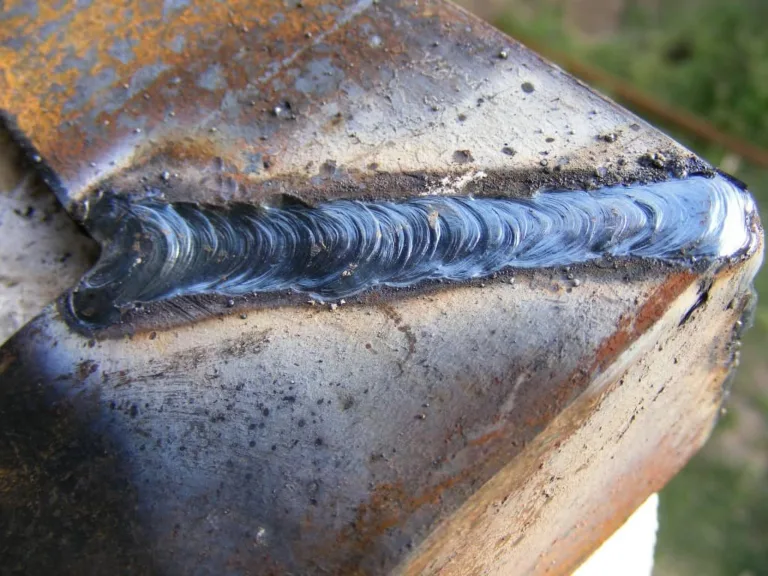
Excessive welding spatter is not just a messy nuisance—it signals problems that can weaken your work and waste hours on cleanup. By understanding the real causes of spatter and how to fix them, you’ll get stronger, cleaner welds with less effort.
Remember, perfect settings and clean metal are only the start. Your technique, equipment maintenance, and attention to detail make the biggest difference. Take time to dial in your process, and you’ll spend less time grinding and more time building.
If you want to go deeper, the [American Welding Society](https://www.aws.org/) offers courses, standards, and resources for every welding level.
Welding is part art, part science—and mastering spatter control is a key skill on the path to expert results. Keep learning, practice regularly, and soon you’ll see the difference in every bead you lay down.