Disclosure: This post contains affiliate links and I will be compensated if you make a purchase after clicking through my links. Learn More
Many people see stainless steel in jewelry, watches, kitchenware, and even medical tools. But sometimes, stainless steel looks different. It can be black, gold, dark blue, or have a shiny finish that does not fade. This is often ion plated stainless steel. People notice it for its color, shine, and toughness. But what exactly does “ion plated” mean? And is it better than normal stainless steel?
This article explains ion plated stainless steel in detail. You will learn what ion plating is, how it works, and why it changes the steel. You will also find out where people use ion plated stainless steel, its benefits, and its common problems.
By the end, you will know if ion plated stainless steel is right for you.
What Is Ion Plating?
Ion plating is a process that coats a surface with a thin layer of another material. The process uses gas and electricity to create ions—charged particles. These ions stick to the surface in a very strong way. The result is a hard, thin, and even layer that changes how the material looks and acts.
This technique started in the 1960s. Scientists wanted to make materials that last longer and stay clean. Today, factories use ion plating on metals, glass, and even some plastics. It is popular for making colorful, scratch-resistant, and shiny surfaces.
Ion plating is not the same as simple painting or spraying. The layer bonds with the metal at a microscopic level. This makes it much harder to peel or scratch off.
How Does Ion Plating Work?
The ion plating process uses a special machine called a vacuum chamber. It is a closed space with very little air inside. Here is how the process works:
- Clean the Surface: Workers clean the stainless steel to remove dirt, oil, or other chemicals. This helps the new layer stick well.
- Put the Metal in the Chamber: They place the stainless steel inside the vacuum chamber.
- Create a Vacuum: Machines remove almost all air from the chamber. This stops dust and oxygen from ruining the coating.
- Introduce Gas and Target Material: The machine adds a special gas (usually argon). It also adds the “target” material, which is the metal or compound that will coat the surface (for example, titanium or gold).
- Electricity and Magnetism: The machine uses electricity and magnets to turn the gas and target material into ions. These are small, charged particles.
- Ions Hit the Surface: The ions shoot toward the stainless steel at high speed. They hit and stick to the surface, forming a thin, solid layer.
- Cool and Finish: After the right thickness, workers cool the metal and check for quality.
The whole process can take from 30 minutes to several hours, depending on the item and the layer’s thickness.
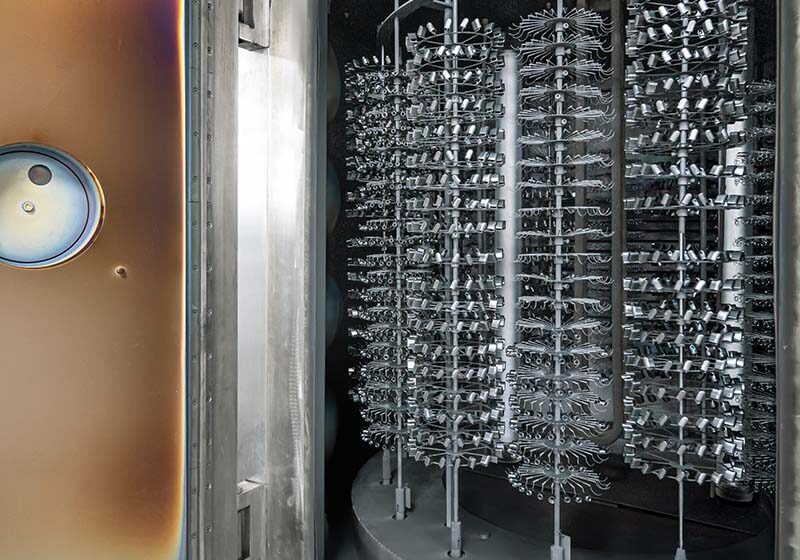
Credit: kesheen.com
Why Use Ion Plated Stainless Steel?
Ion plated stainless steel is different from normal stainless steel. It has unique properties that many people want. Here are the main reasons for using it:
- Color Options: Ion plating allows for more colors—black, rose gold, blue, and more. The color stays strong for years.
- Harder Surface: The coating is much harder than normal paint or plating. This means fewer scratches and less fading.
- Corrosion Resistance: The ion layer protects the steel from rust, salt, and chemicals.
- Shinier Finish: The surface often looks smoother and more polished.
- Hypoallergenic: Most ion coatings use materials that do not cause skin allergies.
These qualities make it popular in fashion, engineering, and medicine.
Differences: Ion Plating Vs. Other Plating Methods
People often confuse ion plating with other coating methods. Here’s a comparison to show how ion plating stands out:
| Method | How It Works | Thickness | Durability | Common Uses |
|---|---|---|---|---|
| Ion Plating (IP) | Uses ions in a vacuum to bond the coating | Very thin (0.5-3 microns) | Very high | Jewelry, watches, surgical tools |
| Electroplating | Uses electric current in liquid to stick metal ions | Medium (3-5 microns) | Medium | Coins, cutlery, electronics |
| PVD (Physical Vapor Deposition) | Turns metal into vapor, then bonds to surface | Very thin (1-5 microns) | High | Watches, tools, electronics |
| Painting/Enameling | Brush or spray paint on top | Thick (10-30 microns) | Low | Art, kitchenware |
Ion plating is close to PVD but uses more energy to create a stronger bond. This makes the coating last longer and resist wear better than most other methods.

Credit: blog.thepipingmart.com
Common Uses Of Ion Plated Stainless Steel
People use ion plated stainless steel in many areas. Its strong, colorful, and shiny surface makes it ideal for:
Jewelry
Many rings, bracelets, and necklaces are made from ion plated stainless steel. The coating allows for colors like black, gold, rose gold, and blue. It does not fade or chip easily, so the jewelry keeps its look for a long time.
Many people with sensitive skin can wear it without problems.
Watches
Watchmakers use ion plating to create stylish and tough watches. The coating protects the surface from scratches and everyday wear. Some luxury brands use ion plating to give watches a unique color.
Medical Equipment
Hospitals use ion plated tools because they are easy to clean and do not rust. The coating also stops bacteria from sticking to the surface.
Kitchenware
Cutlery, knives, and even pots and pans sometimes use ion plating. The coating helps them stay shiny and clean, even after many washes.
Electronics
Some phone cases, laptop parts, and headphones have ion plated surfaces. The layer protects them from scratches and makes them look modern.
Automotive Parts
Car makers sometimes use ion plated steel for buttons, gear knobs, and trims. The finish stays fresh even after years of use.
Fashion Accessories
Belt buckles, eyeglass frames, and bag hardware often use ion plated finishes for style and durability.
Main Advantages Of Ion Plated Stainless Steel
People choose ion plated stainless steel because it offers several real advantages:
1. Better Scratch Resistance
Ion plating creates a hard surface. This means keys, coins, or daily use will not easily scratch the surface. For example, ion plated rings often look new after years of wear.
2. More Color Choices
Factories can use different metals in the coating process. This creates colors like black, gold, blue, and rainbow. The color does not wash off or fade like paint.
3. Superior Corrosion Protection
Stainless steel is already strong against rust, but ion plating adds another shield. This is important for watches, jewelry, and tools that touch water or sweat.
4. Longer Lasting Shine
Ion plated items keep their shine for years. Normal coatings can become dull, but ion plating stays smooth and reflective.
5. Hypoallergenic Properties
Many people have allergies to nickel or copper in metal jewelry. Ion plated coatings (like titanium nitride) do not cause these problems.
6. Thin Yet Tough
The coating is very thin—often less than a thousandth of a millimeter. This means the steel keeps its shape and size. You get all the protection without making the item heavy or bulky.
7. Easy To Clean
The smooth surface does not trap dirt or bacteria. You can clean ion plated items with just soap and water.
Disadvantages And Limitations
Ion plated stainless steel is not perfect. Here are a few points to consider:
1. Cost
Ion plating needs special machines and skilled workers. The process costs more than simple painting or electroplating. This means ion plated jewelry or watches are usually more expensive.
2. Hard To Repair
If the coating gets deeply scratched or chipped, you cannot fix it at home. The whole item may need to be re-coated in a factory.
3. Thickness Limits
Ion plating creates thin layers. If you want a very thick coating, this method is not the best choice.
4. Not 100% Scratch-proof
While very resistant, ion plated surfaces are not magic. Diamond or very sharp objects can still scratch them.
5. Color May Fade Over Many Years
With daily use and washing, the color can fade after several years—though much slower than with paint or regular plating.
6. Limited To Some Shapes
Very complex or detailed objects may be hard to coat evenly with ion plating.
How Long Does Ion Plated Stainless Steel Last?
Most ion plated coatings last 5–10 years with normal use. Jewelry and watches can last longer, especially if you avoid hard impacts. The color and shine stay much longer than regular plated or painted items.
Real-world tests show ion plated rings and watches keep 90% of their shine after 5 years. Kitchenware, which gets washed often, may lose some color after 3–5 years. The coating’s life depends on thickness, the type of coating, and how you use the item.
Manufacturers often test coatings with “scratch tests” and “salt spray tests. ” These show that ion plated surfaces resist wear much better than simple paints or electroplating.

Credit: www.reeds.com
How To Care For Ion Plated Stainless Steel
Proper care can extend the life of your ion plated items. Here are some simple tips:
- Clean Gently: Use a soft cloth, mild soap, and water. Do not use abrasive sponges or harsh chemicals.
- Avoid Hard Impacts: Try not to drop or hit the item against hard surfaces.
- Keep Away from Strong Chemicals: Perfume, bleach, and strong cleaners can damage the coating.
- Store Safely: Keep jewelry or watches in a soft pouch or box when not in use.
- Remove During Heavy Work: Take off ion plated rings or watches before tough jobs or sports.
These steps help keep the color and shine for many years.
Main Types Of Ion Plated Coatings
Different metals and compounds can be used in ion plating. Each gives a different color and property.
| Coating Material | Common Color | Properties | Typical Use |
|---|---|---|---|
| Titanium Nitride (TiN) | Gold | Very hard, corrosion-resistant | Jewelry, tools |
| Zirconium Nitride (ZrN) | Yellow-gold | Hard, smooth, hypoallergenic | Jewelry, medical tools |
| Chromium Nitride (CrN) | Gray/Silver | Hard, wear-resistant | Watches, car parts |
| Titanium Carbonitride (TiCN) | Black/Blue | Very hard, stylish color | Fashion jewelry, knives |
| Diamond-like Carbon (DLC) | Deep black | Extremely hard, low friction | Luxury watches, tools |
The choice of coating material affects both the look and the performance.
Is Ion Plated Stainless Steel Safe?
Yes, ion plated stainless steel is safe for most people. The coating is very stable and does not react with sweat or water. This is why many doctors and dentists use ion plated tools.
People with allergies to nickel or copper often wear ion plated jewelry with no problem. Still, very sensitive people should check the material of both the base metal and the coating.
Ion plated kitchenware does not leak chemicals into food. The layer is non-toxic and does not chip off like paint.
How To Identify Ion Plated Stainless Steel
Sometimes, sellers call items “ion plated” when they are not. Here’s how to check:
- Look for Color: Ion plating can create strong colors (black, gold, blue) that do not look like paint. The surface is smooth and even.
- Check the Price: Real ion plated items cost more than painted or simple electroplated ones.
- Ask for Details: Good sellers can tell you the type of coating used (like “TiN” or “DLC”).
- Scratch Test: Do not do this in a store, but ion plated coatings are hard to scratch. Paint chips easily.
- Read Labels: Reputable brands often state “IP” (Ion Plated) on the product or packaging.
If you buy online, check reviews and product details. Some brands use the term “IP” for marketing, so be careful.
Environmental Impact
Ion plating is cleaner than many old plating methods. It uses less harmful chemicals than electroplating, which can produce toxic waste. Most modern ion plating systems recycle gases and use less water.
Factories must still handle used gases and metal carefully. Many countries require safe disposal and recycling. If you care about the environment, ask sellers about their process.
Ion Plating In Comparison To Other Surface Treatments
How does ion plating stack up against other common surface treatments?
- Electroplating: Cheaper, but less durable. Scratches and chips easier.
- PVD (Physical Vapor Deposition): Similar to ion plating but sometimes creates a less dense layer. Both are much stronger than paint.
- Anodizing: Used mainly on aluminum, not steel. Creates color and protection but not as tough.
- Powder Coating: Thick, colorful layer but not as hard or long-lasting as ion plating.
- Painting: Least durable. Chips, scratches, and fades quickly.
Real-world Examples Of Ion Plated Stainless Steel
Fashion Jewelry
A well-known jewelry brand uses ion plating to create black rings that last longer than standard gold-plated rings. Customers report that after three years of daily use, the ring still looks new.
Luxury Watches
Some watchmakers use “DLC” (diamond-like carbon) ion plating for a deep black finish. These watches cost more but resist scratches and keep their color for many years.
Medical Tools
Surgeons use ion plated scissors and forceps. The tools resist blood and chemicals. The coating does not peel, so the tools stay safe and clean.
Kitchenware
Premium chef knives with ion plated blades keep their shine and resist rust, even after cutting acidic foods like lemons or tomatoes.
Common Questions And Problems
Many people wonder if ion plated stainless steel is worth the higher cost. Here are some less obvious facts:
- Ion plated items can be re-coated. If the finish wears down after many years, factories can often strip and re-coat the item.
- Some colors need special care. Black and rainbow finishes are most sensitive to harsh chemicals.
- Fake claims are common. Some sellers call anything “ion plated” to raise the price. Always ask for proof or check reviews.
Are There Any Health Risks?
Ion plating does not use lead or mercury. The thin coating does not chip or flake into small pieces. For almost everyone, it is safe to wear or use. If you have extreme metal allergies, ask for details about the coating.
How Is Ion Plating Used In Industry?
Factories use ion plating for more than just jewelry. It is used for:
- Cutting tools (to make them last longer)
- Medical implants
- Aerospace parts
- Phone and laptop covers
The process is popular because it keeps surfaces clean, hard, and attractive.
The Future Of Ion Plated Stainless Steel
As technology improves, ion plating will become more common. New machines use less energy and create even harder coatings. Researchers are testing coatings that fight bacteria or conduct electricity. In the next decade, you may see ion plated surfaces in smart devices, cars, and even clothing.
Where To Learn More
If you want to read more about the science behind ion plating and its uses, visit Wikipedia: Ion plating for detailed information.
Frequently Asked Questions
What Is Ion Plated Stainless Steel?
Ion plated stainless steel is stainless steel with a thin, hard coating added using ion plating. This process uses charged particles to bond a metal or compound (like titanium nitride or diamond-like carbon) to the surface. The result is a strong, colorful, and shiny finish that lasts longer than paint or normal plating.
Is Ion Plated Stainless Steel Better Than Regular Stainless Steel?
In many ways, yes. Ion plated stainless steel resists scratches, corrosion, and fading much better than untreated steel. It also offers more color choices and a shinier finish. However, it costs more and cannot be repaired at home if deeply damaged.
Does Ion Plated Stainless Steel Fade Or Scratch?
The coating is very tough, but it is not impossible to scratch or fade. With normal use, it can last 5–10 years or longer. Hard impacts or sharp objects can still cause damage, but much less than paint or simple plating.
Is Ion Plated Stainless Steel Safe For Sensitive Skin?
Yes, most ion plated coatings are hypoallergenic. They do not contain nickel or copper, which cause most skin reactions. Still, people with very sensitive skin should check the materials used in both the steel and the coating.
How Do I Care For Ion Plated Stainless Steel Items?
Clean with mild soap and water. Avoid strong chemicals or abrasive cleaners. Store jewelry and watches in soft pouches. Remove items before heavy work or sports to avoid scratches.
Final Thoughts
Ion plated stainless steel offers a smart choice for those who want strong, stylish, and long-lasting metal items. The process creates beautiful colors and a hard, shiny surface that stands up to daily life. While it costs more than normal finishes, the benefits often make it worth the extra money.
If you want jewelry, watches, kitchen tools, or electronics that look good and last, ion plated stainless steel is a top option. Always buy from trusted sellers, care for your items, and enjoy the lasting shine and color that ion plating brings.