Disclosure: This post contains affiliate links and I will be compensated if you make a purchase after clicking through my links. Learn More
Sheet metal shapes our daily environment. From cars to rooftops, kitchen appliances to factory machines, sheet metal gives structure and function to many things we use. But not all sheet metal is the same. The differences start with the metal type, how people make it, and its surface.
Each kind has its own strength, flexibility, price, and best use.
If you work in construction, design, or manufacturing, or you just like to know what makes things strong or easy to shape, understanding the types of sheet metal helps you make better choices. This article explains every major type, how people make it, where they use it, and what sets each apart.
You will also see practical tables for quick comparison. By the end, you will see sheet metal as more than just “flat metal. ” It is a group of materials with unique jobs and qualities.
What Is Sheet Metal?
Sheet metal is any flat, thin piece of metal that people can cut and bend. The thickness usually ranges from 0.15 mm to 6 mm. Thicker metal is called plate, while thinner is called foil. Factories make sheet metal by rolling or pressing metal slabs into flat sheets. You find it in many products because it is easy to shape, cut, and join.
Main Types Of Sheet Metal By Material
Different metals give different properties. The most common materials are steel, aluminum, copper, brass, tin, titanium, and zinc. Each has its own advantages and best uses.
Steel Sheet Metal
Steel is the most used metal for sheet products. It is strong, cheap, and easy to shape. There are several types:
Carbon Steel Sheet
This is the standard steel sheet. It has iron and a small amount of carbon (usually less than 2%). Higher carbon makes the metal harder and stronger, but also less flexible.
- Low carbon steel sheet (mild steel): Soft and easy to shape, but less strong. Used for car bodies, furniture, and ductwork.
- Medium carbon steel sheet: Balances strength and flexibility. Used for parts that need more wear resistance.
- High carbon steel sheet: Hard and strong, but hard to bend. Used for blades, springs, and high-stress parts.
Galvanized Steel Sheet
Galvanized steel is carbon steel with a thin layer of zinc. This layer stops rust, making it good for outdoor and wet places. You find it in fencing, gutters, car parts, and roofing.
Stainless Steel Sheet
Stainless steel adds chromium (at least 10.5%) to stop rust and stains. It can also include nickel or other metals. There are many kinds, but the most common are:
- Austenitic (304, 316 grades): Very good against rust, easy to clean, and flexible. Used for kitchen tools, medical devices, and food equipment.
- Ferritic (430 grade): Cheaper, less flexible, but still resists rust. Used for car trim, appliances.
- Martensitic (410, 420): Harder and can be sharpened. Used for knives, tools.
Stainless steel is more costly, but it lasts a long time and looks good.
Aluminum Sheet Metal
Aluminum is light, does not rust, and is easy to shape. Pure aluminum is soft, but factories mix it with other metals for strength.
- Common grades: 1100 (pure, soft), 3003 (stronger, easy to bend), 5052 (strong, resists saltwater), 6061 (very strong, can be welded).
- Uses: Airplanes, boats, food cans, signs, window frames.
Aluminum costs more than steel, but its low weight saves money in transport and helps where weight matters.
Copper Sheet Metal
Copper is red-brown, soft, and conducts electricity and heat very well. It also kills germs naturally.
- Uses: Roofs, pipes, electronics, decorative work, and art.
- Special trait: Copper changes color over time to green (patina).
Copper is expensive, but its look and special properties make it a top choice for some uses.
Brass Sheet Metal
Brass is a mix of copper and zinc. It is gold in color, easy to shape, and resists rust.
- Uses: Musical instruments, locks, gears, decorative panels, and plumbing.
- Special trait: Looks like gold and polishes well.
Tinplate Sheet Metal
Tinplate is steel or iron with a thin layer of tin. The tin stops rust and gives a shiny look.
- Uses: Food cans, paint cans, and toys.
Tinplate is cheap and safe for food, but not strong enough for heavy work.
Titanium Sheet Metal
Titanium is very strong, light, and resists rust. It also handles high heat well.
- Uses: Airplanes, medical implants, sports gear, and chemical tanks.
- Special trait: Often used where both strength and low weight are needed.
Titanium is costly and hard to shape, so people use it only for special needs.
Zinc Sheet Metal
Zinc resists rust and forms a protective layer when scratched.
- Uses: Roofs, gutters, and outdoor parts.
- Special trait: Self-heals tiny scratches, keeping rust away.
Zinc is not as strong as steel, but it lasts a long time outside.
Types Of Sheet Metal By Manufacturing Process
How sheet metal is made affects its strength, look, and price. The main types are hot-rolled, cold-rolled, expanded, perforated, corrugated, and clad sheet metal.
Hot-rolled Sheet Metal
Factories heat metal above 926°C (1700°F), then roll it flat. This makes sheets quickly and cheaply.
- Surface: Not smooth, some scale or roughness.
- Best for: Structural work, auto parts, and projects where looks do not matter.
- Sizes: Usually thicker (2 mm and up).
Hot-rolled sheet is strong but not precise. People often machine or finish it for a better look.
Cold-rolled Sheet Metal
Here, factories roll the metal at room temperature. This makes it smoother and more accurate.
- Surface: Shiny and smooth.
- Best for: Home appliances, car panels, and furniture.
- Sizes: Thinner sheets (0.2 mm to 3 mm).
Cold-rolled sheet is stronger than hot-rolled at the same thickness, but costs more.
Expanded Metal Sheet
Expanded metal starts as a solid sheet. Machines cut and stretch it into a mesh with diamond-shaped holes.
- Uses: Fences, walkways, machine guards, filters.
- Special trait: Lighter than solid metal, but still strong.
Expanded metal allows air and light to pass, but keeps things safe.
Perforated Sheet Metal
Perforated sheets have regular holes punched by machines. The holes can be round, square, or custom shapes.
- Uses: Speaker covers, filters, building facades, machine guards.
- Special trait: Can control air, sound, or light while still looking good.
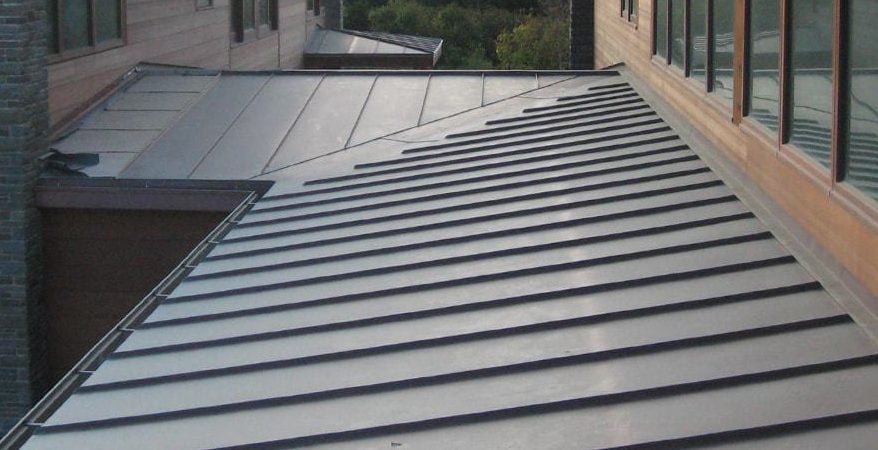
Corrugated Sheet Metal
Corrugated sheets have wavy or ribbed shapes pressed into them. This makes them much stronger in one direction.
- Uses: Roofing, wall panels, storage sheds, fences.
- Best metals: Galvanized steel, aluminum, and sometimes plastic-coated steel.
Corrugated metal is light, does not sag, and drains water well.
Clad Sheet Metal
Clad sheet metal has layers of different metals joined together. For example, factories may bond a thin stainless steel layer to a cheaper base metal.
- Uses: Cookware, building panels, tanks.
- Special trait: Gives the best features of each metal (like strength plus rust resistance).
Clad sheets cost more to make, but they can lower total project costs.
Surface Finishes Of Sheet Metal
Surface finish changes how sheet metal looks, resists rust, or bonds to paint. It can also affect how easy it is to clean or weld. Here are the main types:
Mill Finish
This is the natural finish from the rolling process. It may have minor marks or oil, but no extra treatment.
- Best for: Projects where appearance does not matter.
Polished Finish
Machines polish the surface until it shines. There are different grades, from dull to mirror finish.
- Best for: Kitchen surfaces, elevators, and art.
Painted Or Coated Sheet
Factories or workers add color or protection using paint, plastic, or powder.
- Best for: Roofing, appliances, and signs.
Anodized Sheet
This is mostly for aluminum. Factories use electricity to thicken the natural oxide layer, making the surface harder and adding color.
- Best for: Window frames, car trims, electronics.
Plated Sheet
Factories cover the metal with a thin layer of another metal, like chrome or nickel.
- Best for: Car parts, faucets, and decorative trim.

Credit: www.mcalpin-ind.com
Common Sheet Metal Thicknesses And Gauges
Sheet metal is sold by thickness. People use either millimeters or gauge numbers (more common in the US and UK). A lower gauge means thicker metal.
Here is a helpful comparison:
| Gauge | Inches | Millimeters | Common Use |
|---|---|---|---|
| 10 | 0.1345 | 3.42 | Heavy ductwork, strong panels |
| 16 | 0.0598 | 1.52 | Car bodies, general work |
| 20 | 0.0359 | 0.91 | Appliances, roofing, cabinets |
| 24 | 0.0239 | 0.61 | Light ductwork, enclosures |
Always check the gauge chart for the specific metal, since gauge numbers can mean different thickness for steel, aluminum, or copper.
Sheet Metal Forms And Their Uses
Sheet metal comes in more than just flat sheets. The way people shape it adds value and fits the end use.
Flat Sheet
The most basic form, used for cutting, stamping, or further shaping.
- Best for: Custom parts, repair work, and panels.
Coil Sheet
Here, factories roll long sheets into coils. Workers can unroll and cut as needed.
- Best for: Roofing, siding, and large projects.
Embossed Or Textured Sheet
Machines press patterns into the sheet, like diamonds or teardrops.
- Best for: Stairs, ramps, and decorative panels. The texture adds grip and style.
Foil
Very thin sheet, under 0. 2 mm thick.
- Best for: Food wrap, insulation, and electronics.
Plate
Thicker than regular sheet (over 6 mm).
- Best for: Heavy machinery, bridges, and strong structures.
How To Choose The Right Type Of Sheet Metal
Picking the right sheet metal is not just about price. You need to think about:
- Strength needed: Will it hold weight or face impact?
- Rust resistance: Will it be outdoors or in contact with water?
- Ease of shaping: Do you need to bend, cut, or weld it?
- Appearance: Will the sheet be visible or hidden?
- Cost: Is it a one-time job or mass production?
- Special needs: Does it need to be light, conduct electricity, or resist heat?
Here is a quick comparison of common metals:
| Metal | Strength | Rust Resistance | Weight | Cost | Common Uses |
|---|---|---|---|---|---|
| Steel | High | Low (unless galvanized/stainless) | Heavy | Low | Construction, cars |
| Aluminum | Medium | High | Light | Medium | Planes, boats |
| Stainless Steel | High | Very High | Heavy | High | Food, medical |
| Copper | Medium | High | Medium | Very High | Roofing, electronics |
| Brass | Medium | High | Medium | High | Decor, music |
| Zinc | Low | Very High | Medium | High | Roofs, gutters |
Advanced And Specialty Sheet Metal Types
Some jobs need more than standard metal sheets. Here are a few specialty types:
Pre-painted Sheet Metal
Factories paint the sheet before selling. This gives a durable, even color. It saves time and gives better protection than painting after installation.
- Uses: Roofing, signs, home appliances.
Laminated Sheet Metal
Laminated sheets have a plastic or paper layer bonded to the metal. This adds style, insulation, or corrosion protection.
- Uses: Decorative panels, electrical enclosures.
Patterned Or Decorative Sheet Metal
People use lasers or presses to cut complex shapes or patterns for style and function.
- Uses: Building facades, art, screens, and furniture.
Anti-slip Sheet Metal
These have raised bumps or special coatings to prevent slipping.
- Uses: Stairs, walkways, industrial floors.
Magnetic Sheet Metal
Steel sheets can be magnetized or have a magnetic layer added.
- Uses: Notice boards, toys, and displays.
Electrical And Electronic Sheet Metal
Some sheet metals are made with special alloys or coatings to manage electricity or shield devices.
- Uses: Circuit boards, EMI shields, computer cases.
Credit: heatherandlittle.com
Common Mistakes In Choosing Sheet Metal
Even experienced buyers can make errors. Here are a few to avoid:
- Ignoring thickness: Too thin, and the sheet may bend or break. Too thick, and it may be hard to cut or too heavy.
- Skipping rust protection: Steel rusts fast outside unless it is galvanized or stainless.
- Overlooking cost of finishing: Polishing, coating, or painting adds time and money.
- Picking the wrong grade: Not all stainless or aluminum sheets are equal; each grade has unique traits.
- Not checking compatibility: Some metals react when joined (like steel and copper), causing fast rust or failure.
- Missing local standards: Gauges and grades can differ by country, so always check specifications.
Non-obvious Insights For Beginners
Many people focus only on the metal type. But two hidden factors matter:
- Batch consistency: For big projects, always buy from the same batch. Small changes in metal mix or finish can cause problems when welding or painting.
- Bend radius: Each metal and thickness has a minimum bend radius. Bending too sharply can cause cracks. Always check the metal’s bending limits before shaping.
Environmental And Recycling Factors
Sheet metal is often recycled. Steel, aluminum, and copper can be melted and reused many times without losing quality. Using recycled metal saves energy and money, and many countries require a certain percentage of recycled content in building projects.
Some metals, like zinc and copper, last so long outside that they have lower lifetime environmental impact, even if their mining is energy-intensive. Always ask suppliers about recycled content and end-of-life recycling.
Sheet Metal Applications In Everyday Life
Sheet metal is everywhere, but you may not always notice it.
- Homes: Roofs, gutters, cabinets, air ducts, and appliances.
- Cars: Body panels, frames, mufflers, and heat shields.
- Electronics: Computer cases, phone parts, and televisions.
- Industry: Machinery, tanks, silos, and conveyor belts.
- Art and Design: Sculptures, decorative panels, and public art.
Some products use several types of sheet metal in one design. For example, a car may use steel for the frame, aluminum for the body, and stainless steel for trim.
Where To Learn More
Industry standards and more technical details can be found at the Wikipedia page on sheet metal. This resource is helpful for designers and engineers who need deeper data.
Frequently Asked Questions
What Is The Difference Between Sheet Metal, Plate, And Foil?
Sheet metal is between 0.15 mm and 6 mm thick. Plate is thicker than 6 mm, used for heavy structures. Foil is thinner than 0.15 mm, used for food wrap and electronics.
Why Do People Use Galvanized Sheet Metal?
Galvanized sheet metal resists rust because it has a zinc coating. It is popular for outdoor use and wet places, such as roofs, gutters, and fences.
Can Sheet Metal Be Welded?
Yes, most types of sheet metal can be welded, but the process depends on the metal and thickness. For example, stainless steel and mild steel weld easily, while aluminum and brass need special methods.
How Do You Measure Sheet Metal Thickness?
Thickness is measured in millimeters, inches, or gauge numbers. A lower gauge means thicker metal, but different metals have different gauge scales. Always check the correct chart for the metal type.
Which Sheet Metal Is Best For Outdoor Use?
Stainless steel, galvanized steel, aluminum, zinc, and copper are all good for outdoor use. The best choice depends on your budget, needed strength, and style.
Sheet metal is a complex field, but knowing the main types and their uses makes choosing much easier. Each type brings its own strengths and limits. Whether you want a strong roof, a light airplane wing, or a decorative panel, sheet metal has an option to fit your need.
This guide gives you the foundation to ask the right questions and make better decisions for your next project.

Credit: metalscut4u.com