Disclosure: This post contains affiliate links and I will be compensated if you make a purchase after clicking through my links. Learn More
Welding cast iron is often seen as difficult, especially with flux core wire. Many people think cast iron cannot be repaired easily, but this is not true. With the right approach, you can make strong repairs to broken or cracked cast iron using a flux core welder.
This method is useful for fixing engine parts, machinery, pipes, or even old cast iron furniture.
Cast iron is not like regular steel. It contains more carbon, which makes it hard but also brittle. Because of this, welding can create problems like cracks or weak joints. Using flux core wire brings its own challenges, but it also offers flexibility for outdoor work and quick fixes.
Many welders choose flux core because it does not need a gas bottle and works well in windy places.
This guide covers everything you need to know about welding cast iron with flux core. You will learn about cast iron types, the science behind welding cast iron, suitable wires, preparation steps, welding methods, common mistakes, and how to get the best results. You will also find tips that save time and prevent failures, which often get missed by beginners.
Understanding Cast Iron
Cast iron is a family of iron-carbon alloys with 2% to 4% carbon. There are several types, each with its own properties. Knowing which type you have helps you plan the weld and avoid problems.
Types Of Cast Iron
- Gray Cast Iron: The most common type. It is easy to recognize because it breaks with a gray, grainy surface. The graphite in gray iron helps absorb stress, but it is still brittle.
- White Cast Iron: Hard and brittle. The fracture surface looks white. This type is difficult to weld and usually not repairable.
- Ductile (Nodular) Iron: Has added magnesium. The carbon forms nodules, which make it more flexible. Ductile iron is stronger and easier to weld than gray iron.
- Malleable Iron: Made from white iron by heat treatment. It is less common and can be welded, but with care.
Most repairs involve gray cast iron. To identify your material, break a small piece (if possible) or look at the color and texture of the break.
Why Cast Iron Cracks
Cast iron expands and contracts when heated and cooled. If heated too fast or cooled too quickly, it cracks. The high carbon content forms hard spots (called carbides) in the heat-affected zone. These areas can become brittle and weak, causing failure.
A key point: The main risk in welding cast iron is creating new cracks. You must control heat and use the right welding technique.
How Flux Core Welding Works
Flux core welding uses a special wire with flux at its center. As the wire melts, the flux creates a shield around the weld pool. This shield blocks air and keeps the weld clean. There are two main types of flux core wire:
- Self-shielded: Does not need a gas bottle. Best for outdoor work or windy conditions.
- Gas-shielded: Needs a separate gas supply. Not common for small repairs.
Flux core welding is often called “FCAW” (Flux Cored Arc Welding). For cast iron, the self-shielded wire is usually used because it is simple and portable.
Benefits Of Flux Core For Cast Iron
- Works outside, even in wind.
- No gas bottle to carry.
- Good penetration for thick metal.
- Repairs can be done in place, without moving heavy parts.
Drawbacks
- More spatter than MIG or TIG.
- Harder to control heat on thin parts.
- Not all flux core wires are suitable for cast iron.
Choosing The Right Flux Core Wire
Picking the right wire is critical. Most flux core wires are designed for mild steel. For cast iron, you want a wire that creates a soft, ductile weld. Hard welds or wrong wires will crack.
Suitable Wire Types
- Nickel-based wire (ENiFe-CI or ENi-CI): These are the best for cast iron. They make soft, ductile welds that absorb stress. ENiFe-CI contains iron, making it stronger for machining.
- Steel wire (E71T-11): Cheap and easy to find. It can be used for small, low-stress repairs, but the weld is hard and can crack.
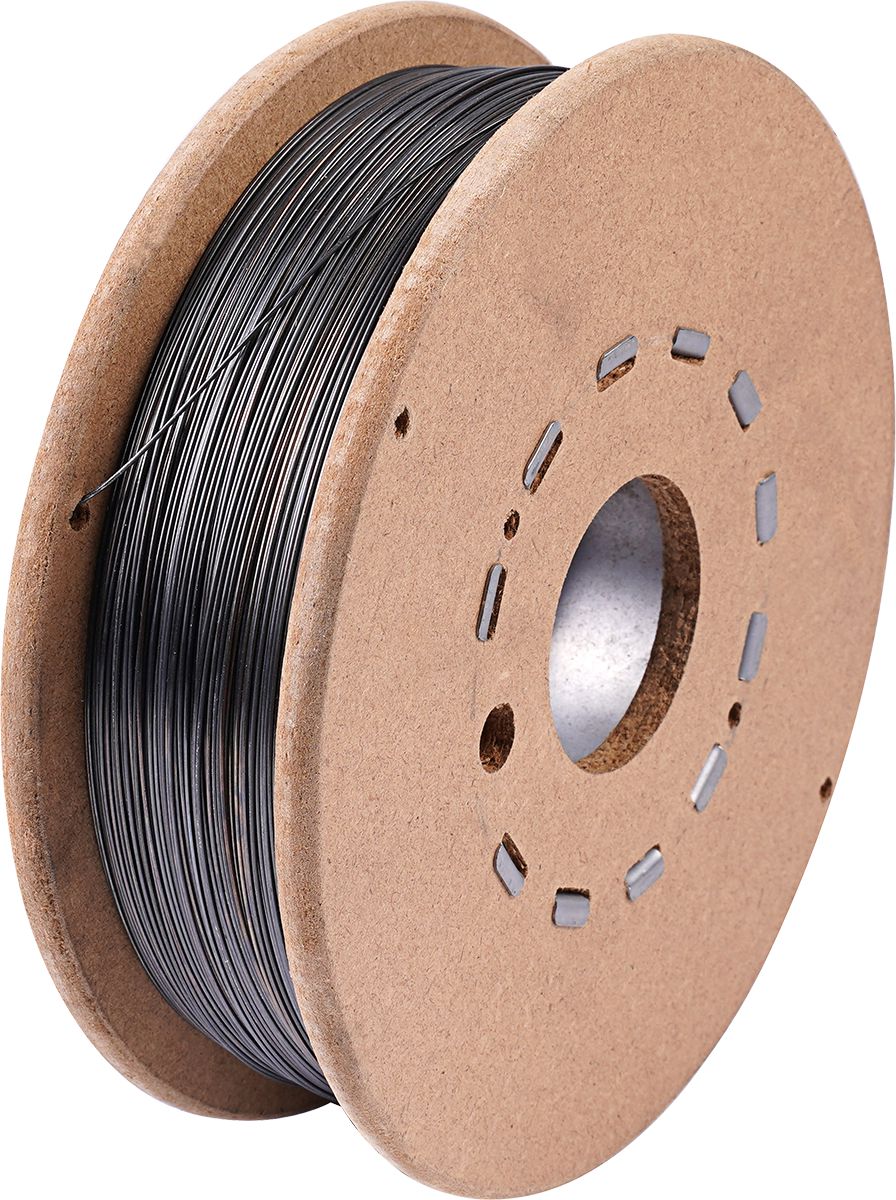
- Special cast iron wire: Some brands make wires for cast iron repairs. Always check the label.
Tip: Nickel wire is expensive but worth it for important repairs. For non-critical parts, steel wire can work if you follow the right technique.
Wire Diameter
Use 0. 030” or 0. 035” wire for most jobs. Thicker wire (0. 045”) is for heavy parts only. Thin wire gives better control and less heat, which is safer for brittle iron.
Preparing Cast Iron For Welding
Preparation is the most important step. Skipping it leads to poor results, no matter how well you weld. Cast iron is often oily, dirty, or painted, all of which cause weld problems.
Cleaning
- Remove all paint, grease, and dirt: Use a wire brush, grinder, or sandblaster.
- Degrease with acetone or brake cleaner: Oil in the metal will cause porosity (holes in the weld).
- Grind the crack or break: Make a “V” groove along the crack, at least 60° wide and about 1/8” deep. This exposes fresh metal and gives the weld room to penetrate.
Non-obvious insight: Many failures happen because oil trapped inside cast iron boils out during welding. Heat the part gently before welding to drive out hidden oil.
Preheating
Cast iron likes slow, even heat. Preheat the area around the weld to 250–500°F (120–260°C). Use a propane torch or oven. For large parts, heat the whole part if possible.
- Why preheat? It reduces the risk of new cracks by lowering the temperature difference between the weld and the rest of the part.
- How to check? Use a temperature crayon or an infrared thermometer.
Practical tip: If you cannot preheat the whole part, at least warm the area 6–8 inches around the weld. Never weld cold cast iron.
Welding Techniques For Cast Iron With Flux Core
The welding process needs careful control. The aim is to make short, cool welds that do not overheat the iron.
Machine Settings
- Voltage and Wire Speed: Start with low settings. For 0.035” wire, use about 17–18 volts and 120–150 inches/min wire speed.
- Polarity: Use DCEN (Direct Current Electrode Negative) for most self-shielded wires.
- Test on Scrap: Always test settings on a scrap piece first.
Tack Welds
Clamp the parts tightly. Place small tack welds along the joint every inch. Tack welds hold the part in place and reduce movement during welding.
Stitch Welding
This is the safest method for cast iron. Weld in short, 1-inch beads, then stop. Let the area cool before making the next bead, moving to a different spot each time. Repeat until the joint is complete.
- Why use short welds? Long welds build up too much heat and cause cracks.
Peening
After each short weld, tap the weld gently with a small hammer while it is still hot. This relieves stress and helps prevent cracks.
Cooling
Let the part cool slowly. Cover it with a welding blanket, sand, or lime to hold the heat. Never quench cast iron in water—it will crack.
Non-obvious insight: Many welders skip slow cooling, thinking the job is done. Slow cooling is as important as preheating.
Post-weld Steps
After welding, you must check the repair and finish the work.
Inspect The Weld
Look for cracks, holes, or weak spots. If you see problems, grind them out and repeat the short weld process.
Grinding And Machining
If the part needs a smooth finish or must fit closely, grind the weld with a flap disc. Nickel welds can be machined; steel welds are often too hard.
Stress Relief
Some parts need stress relief by heating to 600°F (315°C) and letting them cool slowly. This is only for large or critical parts.
Painting Or Coating
Bare cast iron rusts quickly. Paint or coat the repaired area to protect it.

Credit: www.youtube.com
Common Problems And How To Fix Them
Welding cast iron with flux core is not always perfect. Here are the main issues and solutions.
Cracking
Why it happens: Too much heat, no preheat, or fast cooling.
Fix: Always preheat, use short welds, let the part cool slowly, and peen after each bead.
Porosity (holes In The Weld)
Why it happens: Oil, grease, paint, or moisture in the joint.
Fix: Clean thoroughly, grind out contaminated areas, and use fresh wire. Preheat to drive out moisture.
Hard Welds
Why it happens: Using steel wire or too much heat.
Fix: Use nickel wire for important repairs, keep welds short, and do not overheat.
Poor Fusion
Why it happens: Low voltage, dirty metal, or moving too fast.
Fix: Clean the area well, adjust voltage and wire speed, and slow your travel speed.
Warping
Why it happens: Too much heat or welding one side only.
Fix: Use stitch welding, tack both sides, and cool slowly.
Case Study: Repairing A Cracked Cast Iron Manifold
A car exhaust manifold cracked near the mounting flange. The owner wanted to fix it with a flux core welder.
Step 1: The manifold was removed and cleaned with a wire brush and acetone.
Step 2: The crack was ground into a “V” shape.
Step 3: The manifold was heated with a propane torch to 350°F.
Step 4: Nickel flux core wire (ENiFe-CI) was loaded in the welder.
Step 5: Small tack welds were placed along the crack.
Step 6: Short beads, each about 1 inch, were welded, with cooling between passes.
Step 7: The weld was peened with a hammer after each bead.
Step 8: The part was buried in sand to cool overnight.
Result: The repair held under use. No cracks appeared after several weeks.
Comparison: Flux Core Vs. Other Welding Methods For Cast Iron
Different welding methods have their own strengths and weaknesses for cast iron. Here is a quick comparison.
| Method | Ease of Use | Cost | Weld Strength | Best for |
|---|---|---|---|---|
| Flux Core | Medium | Low | Medium | Outdoor, repairs |
| Stick (SMAW) | Easy | Low | High | Thick parts |
| TIG | Hard | High | High | Thin, precise |
| MIG | Medium | Medium | Medium | Clean areas |
Safety Tips For Welding Cast Iron
Welding can be dangerous if you skip safety steps. Protect yourself and your work area.
- Wear gloves and a welding helmet. Flux core welding creates a lot of sparks.
- Work in a well-ventilated area. Flux core welding makes smoke and fumes.
- Keep a fire extinguisher nearby. Cast iron dust and sparks can ignite flammable materials.
- Avoid breathing fumes. Use a respirator if you cannot avoid the smoke.
- Do not touch hot parts. Cast iron stays hot for a long time after welding.
Extra tip: Many beginners ignore ventilation. Flux core welding produces more fumes than MIG or TIG, so always work with good airflow.

Credit: www.reddit.com
Choosing When To Weld Cast Iron
Not all cast iron parts are worth welding. Sometimes, replacement is better. Here are some points to help you decide.
Weld If
- The part is rare, expensive, or hard to find.
- The crack is accessible and clean.
- The part does not face extreme stress after repair.
Do Not Weld If
- The iron is white or full of hard spots.
- The part is safety-critical and failure is dangerous.
- The break is full of oil or cannot be cleaned.
Example: Repairing a rare machine base can make sense. Welding a high-stress crankshaft is risky.
Advanced Tips For Better Results
Some extra steps can make your welds last longer and look better.
Drill Stop Holes
Before grinding out a crack, drill a small hole at each end. This prevents the crack from growing during welding.
Use Shorter Welds
The shorter the bead, the less heat. Some welders use beads as short as 1/2 inch.
Rest Between Passes
Let the area cool to hand-warm (about 150°F) before welding again.
Practice On Scrap
Old brake drums or engine blocks are good practice pieces. Learn on scrap before trying to fix an important part.
Table: Typical Settings For Flux Core Welding Cast Iron
Here are starting points for different wire sizes and part thicknesses.
| Wire Size | Part Thickness | Voltage | Wire Speed (ipm) | Amps |
|---|---|---|---|---|
| 0.030″ | 1/4″ | 16–17 | 110–130 | 80–100 |
| 0.035″ | 3/8″ | 17–18 | 120–150 | 100–120 |
| 0.045″ | 1/2″ | 18–20 | 150–180 | 120–150 |
How To Fix Common Beginner Mistakes
Many new welders repeat the same errors. Here is how to avoid them:
- Rushing the job: Take time with cleaning, preheating, and cooling.
- Using the wrong wire: Mild steel wire works, but nickel wire is much safer.
- Welding too long at once: Always use stitch welding.
- Skipping peening: Always tap the weld lightly to relieve stress.
- Ignoring safety: Wear the right gear and avoid fumes.
Real-world Example: Repairing An Old Cast Iron Stove
An old cast iron wood stove had a crack along one side. The owner used a flux core welder and followed these steps:
- Cleaned the area with a wire wheel and acetone.
- Drilled stop holes at each end of the crack.
- Ground a “V” groove along the crack.
- Preheated the stove to 400°F with a torch.
- Used 0.035” nickel wire in the welder.
- Welded short beads, peening each one.
- Let the stove cool slowly overnight in sand.
The repair survived daily heating and cooling for two winters. This shows that careful technique can make strong repairs, even on old and brittle iron.
When To Seek Professional Help
Sometimes, a job is too risky or important to do yourself. Call a pro if:
- The part is heavy and hard to move.
- The break is in a critical area.
- You do not have the right tools or wire.
Professional welders have special rods, ovens, and experience with cast iron. They can also use advanced techniques like metal stitching or furnace welding.
Credit: www.lawsonproducts.com
External Resource
For more technical details on welding cast iron and different welding wires, see this Lincoln Electric guide.
Frequently Asked Questions
What Is The Best Wire For Welding Cast Iron With Flux Core?
The best wire is nickel-based flux core wire (ENiFe-CI or ENi-CI). It produces a ductile weld that resists cracking. Steel wire can be used for simple, low-stress repairs, but it is more likely to crack.
Do I Need To Preheat Cast Iron Before Welding With Flux Core?
Yes, preheating is very important. It reduces the chance of new cracks by making the temperature even in the metal. Preheat to at least 250°F, but 400°F is better for large parts.
Can I Weld Cast Iron With Regular E71t-11 Flux Core Wire?
You can, but the weld will be hard and may crack. Use this only for non-critical repairs. For important or stressed parts, always use nickel wire.
Why Does My Weld Have Holes And Cracks?
Holes (porosity) come from oil, grease, or moisture. Cracks result from too much heat, no preheat, or cooling too fast. Clean the metal well, preheat, weld in short beads, and cool slowly.
How Can I Tell If My Cast Iron Repair Is Strong?
A strong repair has no cracks, no visible holes, and does not break under normal use. Test the part gently before putting it back in service. Inspect the weld for signs of weakness after use.
Final Thoughts
Welding cast iron with flux core wire is possible and practical for many repairs. Success comes from understanding the metal, careful preparation, using the right wire, and controlling heat. Short welds, slow cooling, and patience make the difference between a failed repair and a strong one.
For important jobs, nickel wire is worth the cost. Practice on scrap, learn from each repair, and soon you will be able to fix cast iron with confidence and skill.