Disclosure: This post contains affiliate links and I will be compensated if you make a purchase after clicking through my links. Learn More
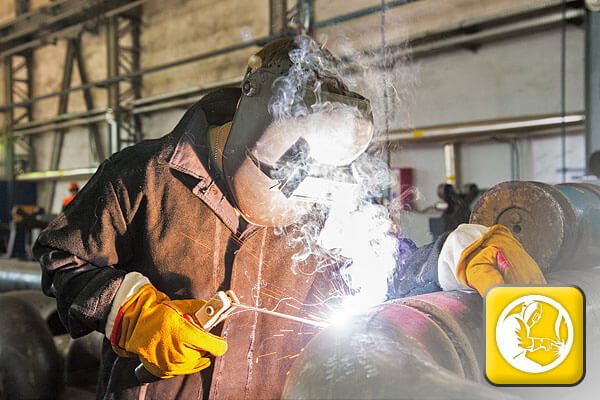
Welding is a skill that many people use in construction, manufacturing, repair shops, and even at home. This process joins metal parts, but it also creates welding fumes—a mix of tiny particles and gases. These fumes can be dangerous. Inhaling them may cause breathing problems, metal poisoning, and even cancer. Many welders do not know how to protect themselves or think they are safe enough with basic masks or open windows. The truth is, these steps are not enough. You need a clear plan and the right equipment to stop fumes from entering your lungs.
This article explains how to prevent inhaling welding fumes. It covers workplace setups, types of protection, daily habits, and facts you might not know. You will learn both the basics and important details. The advice comes from real safety guidelines, expert experience, and the latest research. Whether you are a professional welder or a beginner, you will find steps you can use right away.
Why Welding Fumes Are Dangerous
Welding fumes are not just smoke. They are a mix of metal particles and gases, like manganese, chromium, nickel, ozone, and carbon monoxide. The exact mix depends on the metal and the welding method. Even small amounts can harm your health.
Common health risks include:
- Short-term effects: Eye, nose, and throat irritation, headaches, dizziness, and “metal fume fever,” which feels like the flu.
- Long-term effects: Lung damage, asthma, nervous system problems, and increased risk of cancers, especially with stainless steel and coated metals.
Many welders think that only big jobs are risky. In fact, small tasks in closed spaces are often more dangerous because fumes build up fast. Even if you feel fine, damage can happen without clear signs.
Key Facts About Welding Fumes
- The U.S. Occupational Safety and Health Administration (OSHA) says that no level of welding fume exposure is completely safe.
- Stainless steel welding creates hexavalent chromium, a strong cancer-causing chemical.
- The size of fume particles is usually less than 1 micron. These particles go deep into your lungs and are hard to remove.
Knowing these facts helps you understand why serious protection is a must, not a choice.

Credit: www.henlex.com
Steps To Prevent Inhaling Welding Fumes
Protecting yourself from welding fumes means using good habits, the right equipment, and checking your work area. Here are the best ways to prevent fume inhalation.
1. Work In Well-ventilated Areas
Ventilation is the first line of defense. It means moving dirty air out and bringing in fresh air. Good ventilation lowers the amount of fumes in the air, so you breathe less.
Types Of Ventilation
| Type | Description | Best Use |
|---|---|---|
| Natural | Open windows, doors, or vents to let air flow. | Small jobs, outdoor work |
| General (Mechanical) | Fans or air movers that push air through the whole room. | Medium-sized shops |
| Local Exhaust | Hoods, arms, or ducts close to the welding point to suck up fumes. | All indoor welding, especially heavy work |
Local exhaust is the most effective for stopping fumes before they spread. Always place the suction point as close to your weld as possible—usually 4 to 6 inches away.
Non-obvious Tip
Some fans can blow fumes into your breathing zone instead of removing them. Always check the airflow direction. Use smoke sticks or tissue to see where air moves before you start.
2. Use The Right Respirator
Even with the best ventilation, some fumes stay in the air. A respirator is personal protection you wear on your face. Not all masks protect against welding fumes. You need the right type for your job and metal.
Common Respirator Types
| Respirator Type | Protection Level | Notes |
|---|---|---|
| Disposable Dust Mask (N95) | Low | Good for light welding, not for toxic metals |
| Half-Face Reusable (P100) | Medium | Filters fine particles, better for daily use |
| Powered Air-Purifying Respirator (PAPR) | High | Blows filtered air into helmet, best for heavy or toxic jobs |
| Supplied-Air Respirator | Very High | Needs a hose with clean air source, for tight or toxic spaces |
Always choose a respirator approved for welding. Fit is critical. A loose mask lets fumes in. Test the fit before every shift.
Non-obvious Tip
Beards and stubble can break the seal of most respirators. If you have facial hair, a PAPR with a loose-fitting hood is often the only safe option.
3. Set Up Fume Extractors
A fume extractor is a machine with a hood, arm, and filter. It pulls fumes away from your work and traps them. Extractors are better than general fans because they stop fumes right where they start.
- Place the hood as close to the weld as possible without blocking your view.
- Clean or replace filters often; dirty filters do not work.
- For portable extractors, check that the airflow matches the job size.
Some extractors have sensors that warn you when airflow drops. Do not ignore these signals. Low airflow means you are not protected.
4. Use Safe Welding Methods
Some welding methods make more fumes than others. Choosing a lower-fume process can cut your risk.
- TIG (GTAW) welding makes the least fumes.
- MIG (GMAW) and stick (SMAW) welding make more.
- Flux-cored arc welding (FCAW) and plasma cutting create the most.
If you can, pick a process with less fume. Use the lowest possible amperage and shortest arc length to reduce fume production.
5. Keep Your Head Out Of The Fume
It is easy to lean over your work, but this puts your nose right above the fume cloud. Always keep your head to the side or below the welding plume.
- Adjust your position before striking the arc.
- Use mirrors or extra lights to see without leaning over.
- If you cannot avoid the fume, use extra protection.
Many welders get sick because they do not notice they are in the fume path. Make it a habit to check your position every time.
6. Clean And Prepare Metals Safely
Coated, painted, or dirty metals release extra fumes. These often contain lead, zinc, or cadmium, which are very toxic. Always remove paint, oil, grease, and plating before welding.
- Use a wire brush, grinder, or chemical stripper.
- Wear a respirator and work outside if possible.
- Collect and dispose of dust safely.
Do not use a grinder in a closed space without ventilation. The dust can be just as harmful as the welding fume.
7. Maintain Equipment Regularly
Damaged or dirty equipment can make more fumes. For example, old electrodes or dirty wire feed parts do not weld cleanly. Check your gear before every job:
- Inspect cables, guns, and tips for damage.
- Replace worn parts.
- Clean nozzles and torches to prevent splatter.
Well-kept machines run smoother and produce fewer fumes. They are also safer in general.
8. Use Barriers And Curtains
Welding screens or curtains help block fumes from spreading, but they also protect others from light and sparks. Use non-flammable curtains around your work zone.
- Place curtains to block drafts that might spread fumes.
- Do not trap yourself in a small space; always leave room for air to move out.
Curtains are not a substitute for ventilation, but they help control the work area.
9. Take Regular Breaks
Working for a long time in fumes increases your total exposure. Schedule short breaks to get fresh air.
- Step outside or away from the welding area.
- Use this time to check your gear or drink water.
Breaks reduce your average exposure and give your body time to recover.
10. Monitor Air Quality
Use air quality monitors to measure fume levels, especially in large shops or small rooms. Some models give real-time numbers for particulate matter (PM2.5 or PM10) and gases like CO and O3.
- Set up monitors at breathing height.
- Check readings often and compare to safety limits.
- If levels are high, improve ventilation or stop work.
Do not trust your nose; many harmful gases are odorless.
11. Follow Work Practice Controls
Good habits are as important as machines. Examples:
- Start and stop the arc only when ready.
- Use the lowest heat setting possible for the job.
- Move the workpiece instead of your body to stay out of fumes.
These habits add up to big safety gains over time.
12. Choose Proper Clothing
Wear clothes that cover all skin to block sparks, but also choose materials that do not absorb fumes. Avoid synthetic fabrics that can melt and trap chemicals.
- Use cotton or specially-made welding jackets.
- Always wear gloves and a proper helmet.
Wash work clothes separately from regular laundry to avoid spreading metals to your family.
13. Use Personal Air Monitors
For high-risk jobs, personal air monitors clip to your shirt or helmet. They beep if fume levels get dangerous.
- Calibrate these devices as the manual says.
- Treat every alarm as serious.
Personal monitors are especially useful in tank welding or shipbuilding, where fumes build up fast.
14. Educate And Train Everyone
Everyone in the welding area should know the risks and safe practices. Hold regular training sessions about:
- Fume risks for each metal type.
- How to use and fit respirators.
- Emergency steps for fume exposure.
Clear signs and labels in the shop help remind workers about safety.
15. Use Substitution When Possible
If you can, switch to less toxic materials or processes.
- Use cleaner rods or wires.
- Replace solvents or coatings with safer ones.
- Try “low-fume” welding rods when available.
Even small changes can lower your risk.
16. Plan For Emergencies
If someone feels sick or dizzy, act fast.
- Move them to fresh air.
- Call for help if symptoms are serious.
- Keep first aid gear and emergency contacts posted in the shop.
Quick action can prevent long-term harm.
17. Keep Records And Review
Track fume exposures and safety checks. Review your controls often.
- Use a logbook for air readings and equipment checks.
- Update safety plans after any incident or new process.
This step helps you spot problems before they become serious.
Common Mistakes That Increase Risk
Many welders make simple errors that raise their exposure to fumes. Here are the most common:
- Ignoring small jobs: Even short welds make dangerous fumes.
- Relying on open windows: Natural airflow is not enough for most welding.
- Wearing the wrong mask: Dust masks do not stop gases or fine particles.
- Not fitting respirators: Gaps let fumes inside.
- Skipping equipment checks: Broken extractors and clogged filters do not protect you.
- Not removing coatings: Fumes from paint and plating are often more toxic than the metal itself.
- Not taking breaks: Fatigue makes you forget safety steps.
Avoid these mistakes to lower your risk.
Understanding Fume Exposure Limits
Rules for welding fume exposure are set by groups like OSHA, NIOSH, and the American Conference of Governmental Industrial Hygienists (ACGIH). Each metal has its own limit, usually in milligrams per cubic meter (mg/m3).
Here is a comparison of some common limits:
| Substance | OSHA Limit (mg/m3) | ACGIH Limit (mg/m3) |
|---|---|---|
| Total Welding Fume | 5.0 | 5.0 |
| Manganese | 5.0 (ceiling) | 0.02 (respirable) |
| Hexavalent Chromium | 0.005 | 0.0002 (inhalable) |
| Nickel | 1.0 | 0.2 |
| Ozone | 0.2 | 0.1 |
These numbers are small—often less than a teaspoon of dust in a whole room. It is easy to go over the limit without good controls.
Case Study: Real-world Example
A medium-sized metal shop in the U. S. switched from regular stick welding to MIG welding with local exhaust and PAPR respirators. Before the change, air tests showed manganese levels above the OSHA limit. After changes, fume levels dropped by 70%, and workers reported fewer headaches and less fatigue.
This shows that even simple changes—like better extraction and the right respirator—have a big effect.

Credit: yeswelder.com
Why Personal Responsibility Matters
Rules and machines help, but safety also depends on daily habits. Many health problems come from ignoring “small” risks, like a quick weld without a mask or skipping a filter change. Always put your health first, even if it takes a few extra minutes.
Guidance For Shop Owners And Supervisors
If you are a boss or safety officer, protect your team by:
- Keeping all ventilation and extraction systems working.
- Training everyone, including new hires and visitors.
- Buying the right gear for every job.
- Checking that people use equipment correctly.
Invest in safety now. Medical bills and lost work are much more expensive than good controls.
Cost Vs. Benefit
Some people avoid buying extractors or respirators to save money. But data shows that good fume control pays off. Fewer sick days, higher worker satisfaction, and lower insurance costs are the result.
For example, a typical shop extractor costs $1,000–$3,000. One hospital visit for metal fume fever can cost much more. Long-term lung damage is far more expensive.
Insights Most People Miss
- Fume particles are invisible: You cannot tell if air is safe by looking. Even “clear” air can be full of tiny metals.
- Short exposures add up: Welding for just a few minutes a day, every day, can cause harm over time. Always use protection, even for small jobs.
Where To Learn More
For deeper technical guidance, see the official OSHA Welding, Cutting, and Brazing Safety page. It lists rules, studies, and best practices for every industry.
Frequently Asked Questions
What Is The Best Respirator For Welding Fumes?
The best choice is a PAPR (Powered Air-Purifying Respirator) or a half-face reusable respirator with P100 filters. These protect against both fine metal particles and some gases. For very toxic jobs or tight spaces, use a supplied-air respirator.
Can You Weld Safely Without Any Ventilation?
No. Even short welds produce fumes. Always use at least local exhaust or work outside with strong natural airflow. Never weld in a closed room without fresh air.
Do Simple Dust Masks Protect Against Welding Fumes?
No. Most dust masks (like N95) only block large particles. Welding fumes have tiny metal particles and gases that pass through these masks. Use a respirator rated for welding.
Are All Metals Equally Dangerous To Weld?
No. Stainless steel, galvanized steel, and painted or coated metals produce more toxic fumes. They can contain chromium, nickel, lead, or zinc, which are much more harmful than mild steel fumes.
What Should I Do If I Feel Sick After Welding?
Stop work right away. Move to fresh air. If you have chest pain, trouble breathing, or feel weak, get medical help fast. Tell the doctor you may have inhaled welding fumes.
—
Welding is a valuable skill, but it brings real risks. You cannot see or smell all dangers, so use strong habits and the right equipment every time. Invest in your health with good ventilation, approved respirators, and regular training. Even short exposure to welding fumes can add up, but small daily steps will protect you for years.
Stay smart, stay safe, and do not take shortcuts with your lungs.
Credit: www.diversitech-air.com