Disclosure: This post contains affiliate links and I will be compensated if you make a purchase after clicking through my links. Learn More
How To Ground A Welder
To ground a welder safely, connect the ground clamp to clean, bare metal on your workpiece or welding table. Use a proper ground cable, check connections for tightness, and inspect for damage before starting. Good grounding prevents electric shock and ensures safe, stable welding.
Welding is a powerful skill that builds, repairs, and creates. But safety comes first. Grounding a welder is not just a technical step—it’s a critical safety practice. Without proper grounding, you risk electric shock, damaged equipment, and poor weld quality.
Many beginners skip or misunderstand grounding, but it’s the foundation of safe and effective welding. This guide breaks down exactly how to ground a welder, using clear steps, expert tips, and answers to common questions. Whether you’re new or experienced, you’ll learn how to ground your welder with confidence and precision.
Why Grounding A Welder Matters
Grounding your welder is more than a routine—it’s a life-saving habit. When you strike an arc, high electrical current flows through your machine, cables, and workpiece. If the current can’t return safely to the welder, it looks for other paths, like you or your tools.
That’s where accidents happen.
Proper grounding directs the current back to the welder in a controlled way. This keeps you safe, protects your equipment from electrical damage, and helps produce clean, strong welds. Skipping or doing this step wrong can cause shocks, electrical fires, and failed welds.
Experts see most welding accidents happen because of poor grounding.
Basic Concepts: Understanding Grounding In Welding
Before you start, know what grounding means in welding. The term “ground” can confuse many people. In welding, “ground” usually means the work clamp or return lead, not the earth ground in your house wiring.
- Work Clamp (Ground Clamp): The cable and clamp that connects your welder to the metal workpiece or welding table.
- Earth Ground: A connection to the earth, often a metal rod driven into the ground. Not always required for every welder, but important for permanent installations.
In most small shops and home setups, you only need to connect your work clamp to the workpiece. For bigger industrial setups, you may need an earth ground. Always check your welder’s manual.
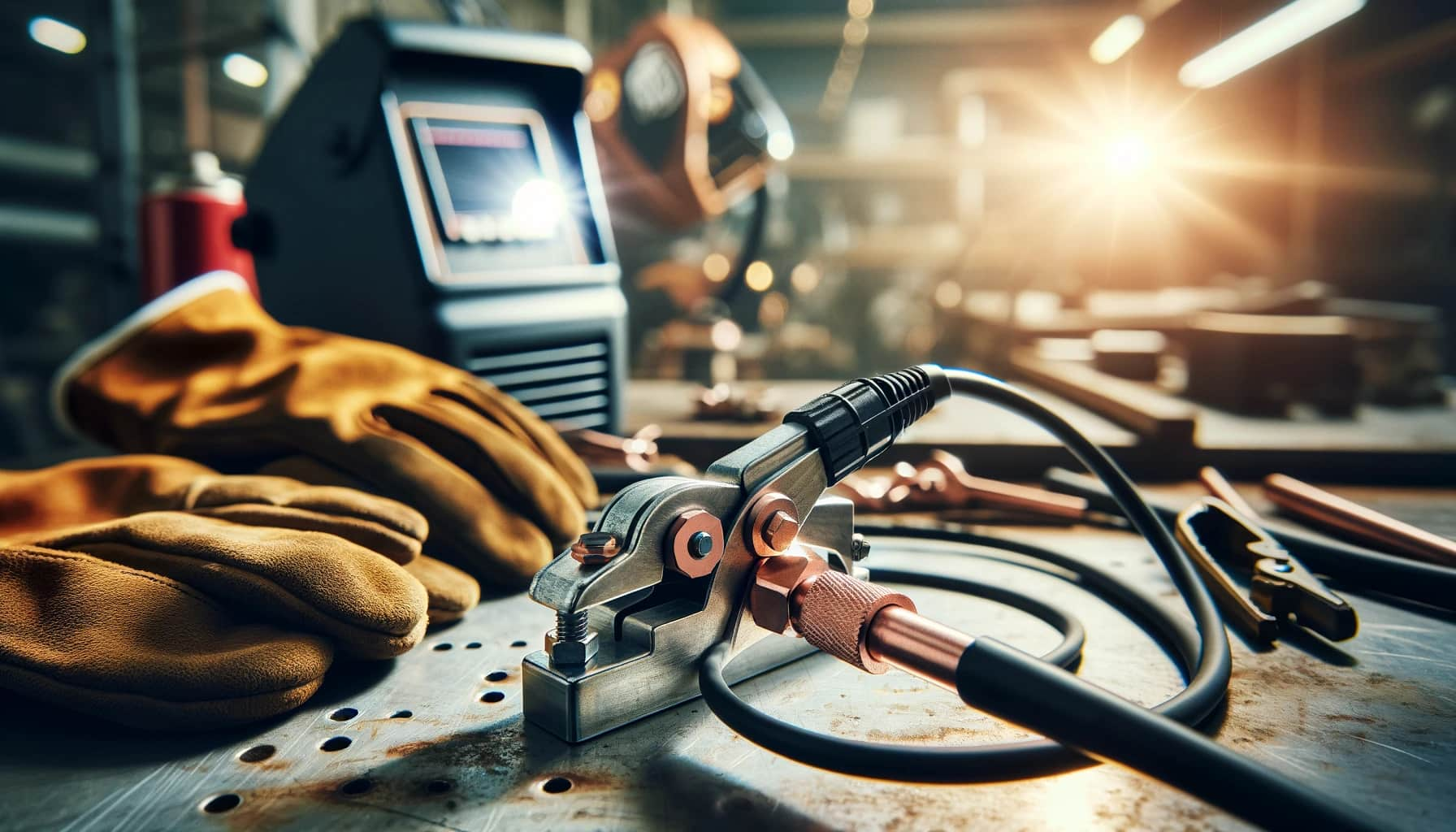
Credit: www.arccaptain.com
Types Of Welding Machines And Their Grounding Needs
Different welders need different grounding steps. Here’s how they compare:
| Welder Type | Typical Grounding Method | Extra Precautions |
|---|---|---|
| MIG (GMAW) | Work clamp to workpiece/table | Check for loose wire feed connections |
| TIG (GTAW) | Work clamp to workpiece/table | Use clean, bare metal for clamp |
| Stick (SMAW) | Work clamp to workpiece/table | Avoid wet, painted, or rusty surfaces |
| Plasma Cutter | Work clamp to workpiece/table | Stronger current requires solid contact |
Tools And Materials You Need
To ground your welder correctly, gather the right tools and materials:
- Ground Clamp (Work Clamp): Usually comes with your welder.
- Ground Cable: Heavy, flexible cable (usually copper or aluminum) rated for your welder’s amperage.
- Clean Work Surface: Bare, unpainted, and rust-free metal.
- Wire Brush or Grinder: For cleaning the contact point.
- Safety Gloves and Boots: Insulated and dry.
- Multimeter: Optional, for checking continuity and resistance.
Most welders include a ground clamp and cable, but you may need to upgrade for higher amperage or longer cable runs.
Step-by-step Guide: How To Ground A Welder
Follow these steps to ground your welder safely and effectively:
1. Turn Off And Unplug The Welder
Never handle cables or clamps when the machine is on. Turn off the power and unplug the welder before starting.
2. Inspect The Ground Clamp And Cable
Check for damage, corrosion, or loose connections. Replace worn parts. A poor connection increases resistance and heat, which can burn your equipment.
3. Choose The Right Grounding Point
Pick a spot on the workpiece or welding table that is:
- Clean (no paint, rust, or grease)
- Bare metal
- Close to the weld zone
If you ground too far away, you risk voltage drop and poor welds.
4. Clean The Contact Area
Use a wire brush or grinder to remove paint, rust, and dirt from the grounding point. The clamp needs solid contact with bare metal.
5. Attach The Ground Clamp Firmly
Open the ground clamp and attach it tightly to the cleaned area. Make sure the jaws grip well and do not slip off.
- For large workpieces, clamp as close as possible to the weld joint.
- For small or odd-shaped parts, clamp to a metal table that connects to the work.
6. Check The Connection
Wiggle the clamp. It should stay secure. Poor contact can cause arcing at the clamp, heat, or shocks.
7. Plug In And Power Up The Welder
After you’re sure the clamp is secure and the cables are safe, plug in and turn on the welder.
8. Test With A Small Weld
Strike a small test arc. If the arc is weak, sputters, or you see sparks at the clamp, check the contact and cable again.
9. Monitor While Welding
Watch for signs of bad grounding, such as:
- Excessive heat at the clamp
- Sparking at the clamp
- Poor weld quality
Stop and fix any issues before continuing.
Where To Attach The Ground Clamp: Best Practices
For the safest, most stable welding, attach the ground clamp:
- Directly to the workpiece, as close as possible to the weld area
- To a metal welding table that is electrically connected to your workpiece
- Never to painted, oily, or rusty surfaces
- Avoid using thin sheet metal or moving parts
Pro tip: If you weld on a car or frame, always connect the ground clamp to the piece you’re welding, not just the chassis. Modern vehicles have many insulated joints and poor electrical contact.
Common Grounding Mistakes And How To Avoid Them
Many welders make small mistakes that lead to big safety risks or bad welds. Here’s what to watch for:
- Clamping to Painted or Dirty Surfaces: This increases resistance and causes weak arcs.
- Loose Ground Clamp: If the clamp wiggles or falls off, current flow becomes unstable.
- Using Undersized Ground Cable: Too small a cable overheats and can start fires.
- Clamping Far from the Weld: Increases voltage drop and can cause arc instability.
- Ignoring Clamp Condition: Rusty or corroded jaws block current.
- Grounding Through Bearings or Bolted Joints: These make poor electrical paths and can damage parts.
- Not Inspecting Cables Regularly: Cuts, frays, or burns in the cable are dangerous.
To avoid these mistakes, inspect your equipment before every session and always clean the contact point.
Grounding For Different Welding Environments
Grounding methods can change based on where you weld. Here’s how to adjust for different places:
Welding At Home Or In A Small Shop
- Use a good-quality welding table connected to your ground clamp.
- Make sure your work surface is dry and clear of clutter.
- Keep cables off the floor to prevent tripping or water contact.
Welding Outdoors
- Never weld in wet or damp areas.
- Use insulated mats and keep the work area dry.
- If possible, drive a temporary ground rod into the earth for extra safety.
Industrial Or Construction Sites
- Often require earth grounding in addition to the work clamp.
- Follow OSHA or NFPA codes for electrical safety.
- Use heavy-duty ground cables and clamps, rated for the machine’s amperage.
Welding On Vehicles Or Pipes
- Connect the ground clamp directly to the part being welded.
- If working on pipes, use a pipe ground clamp for better contact.
- Never ground through bearings or moving joints.
How Grounding Affects Weld Quality
Proper grounding does more than keep you safe—it boosts weld quality. Here’s why:
- Stable Arc: Good grounding gives a steady, strong arc with less spatter.
- Better Penetration: Current flows smoothly, allowing the weld to melt and fuse fully.
- Less Defects: Weak grounding causes porosity, undercut, and poor bead appearance.
- Reduced Equipment Wear: Machines run cooler and last longer with solid ground paths.
If you see erratic arc, spatter, or bad bead shape, check your ground first.
The Role Of Earth Ground: When And Why It’s Needed
Most portable welders just need a work clamp. But some situations require an earth ground:
- Large Industrial Welders: Often need an earth ground for code compliance.
- Permanent Welding Stations: Should have a dedicated ground rod, especially in commercial shops.
- Welding Around Flammable Materials: An earth ground helps reduce fire risk from stray currents.
- Sensitive Electronics Nearby: Earth grounding prevents interference with computers or controls.
To install an earth ground, drive a copper rod (at least 8 feet long) into the soil near your shop. Connect a heavy copper wire from the rod to the welder’s earth ground terminal. Always follow local electrical codes.
How To Test A Ground Connection
Even if the clamp looks good, test your ground for best results:
- Visual Check: Clamp should grip bare metal tightly.
- Multimeter Test: Set to ohms and check resistance between clamp and workpiece. Good ground reads less than 0.1 ohms.
- Arc Test: A strong, stable test arc means solid ground.
If you see sparks at the clamp or the cable gets hot, your ground is not good.
Ground Clamp Maintenance: Keeping Your Setup Safe
A well-maintained ground clamp lasts for years. Here’s what experts recommend:
- Clean the jaws with a wire brush after each session.
- Check for spring tension—replace if weak.
- Inspect cables for cuts, burns, or frays. Replace if damaged.
- Lubricate moving parts with a light oil (not grease).
- Replace rusty or corroded clamps.
Regular care keeps your equipment safe and reliable.
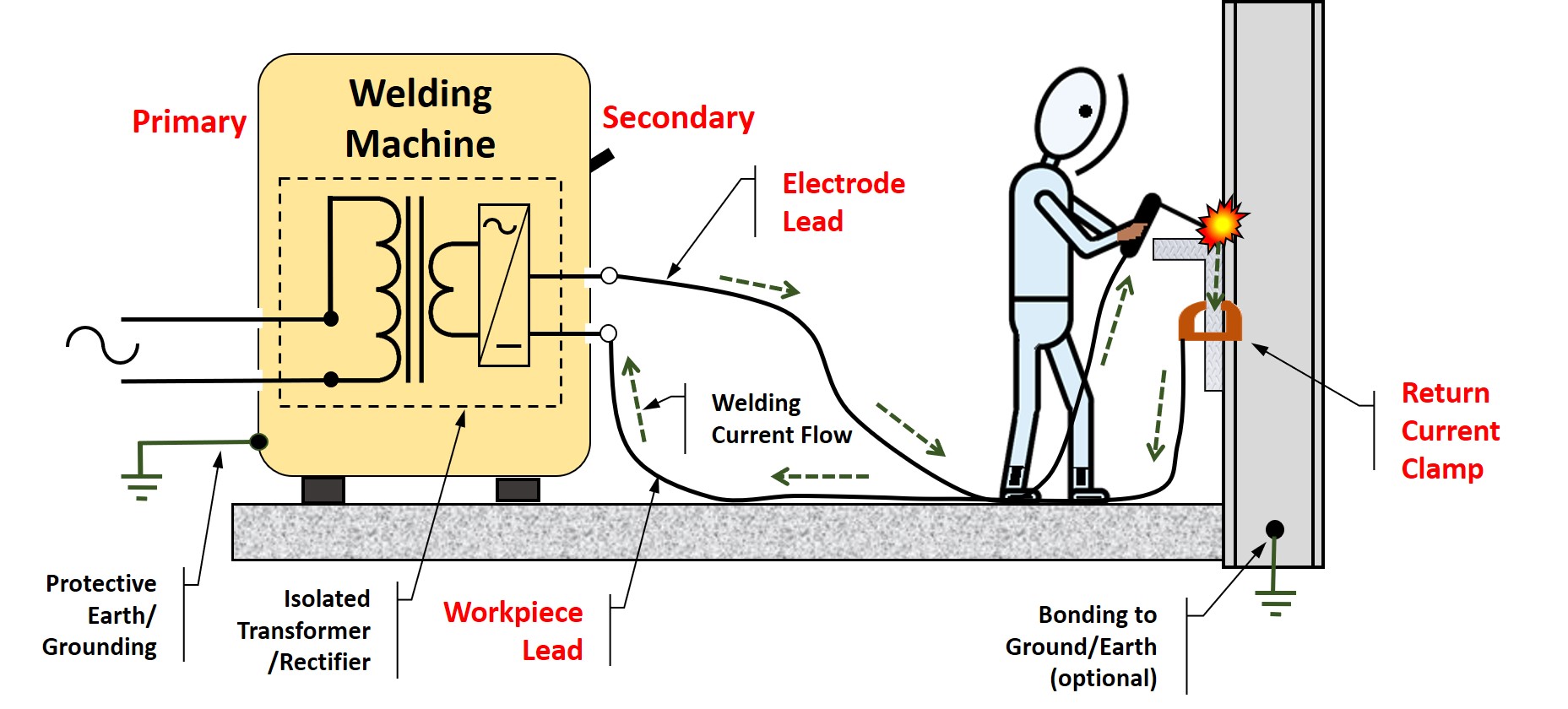
Credit: www.mikeholt.com
Comparison: Different Types Of Ground Clamps
Not all ground clamps are equal. The right clamp makes your setup safer and your welds cleaner.
| Clamp Type | Best For | Key Features |
|---|---|---|
| Spring Clamp | General shop use | Easy to use, fast, moderate grip |
| C-Clamp | Heavy-duty work | Strong grip, good for thick material |
| Magnetic Clamp | Flat steel surfaces | Fast attachment, not for rusty surfaces |
| Pipe Clamp | Round pipes and tubes | Wraps around pipe for solid contact |
Choose a clamp rated for your machine’s maximum amperage. For high-amperage welding (over 250 amps), pick heavy-duty clamps with copper jaws.
Upgrading Your Grounding: When And Why
Your stock ground clamp works for most jobs. But upgrade if:
- You weld thick, high-amperage parts
- You need longer cable runs
- Your clamp often gets hot
- You weld outdoors or on large structures
High-quality clamps and cables reduce voltage drop, increase safety, and improve weld quality. Look for pure copper clamps and heavy, flexible cables.

Credit: www.youtube.com
Real-world Example: Grounding A Mig Welder In A Home Garage
Suppose you just bought a 180-amp MIG welder for your garage. How do you ground it?
- Plug your welder into a dedicated 220V outlet with a correct breaker.
- Inspect the included ground clamp and cable. Upgrade if the cable is thin or short.
- Place your workpiece on a clean, solid steel welding table.
- Use a wire brush to clean a spot on the table or workpiece.
- Attach the ground clamp tightly to the cleaned area.
- Check that the clamp does not slip or spark.
- Wear dry gloves and boots.
- Weld a small bead to check arc stability.
If you see spatter or a weak arc, check your clamp and cable. Clean or upgrade as needed.
What To Do If You Can’t Get A Good Ground
Sometimes, workpieces are painted, rusty, or oddly shaped. If your clamp won’t grip, try these solutions:
- Use a grinder to make a clean patch for the clamp.
- Move the clamp closer to the weld joint.
- Try a different clamp style (like a C-clamp or magnetic clamp).
- For large structures, use multiple ground clamps and cables.
- For pipes, use a dedicated pipe ground clamp.
Never weld without a solid ground—it risks your safety and ruins your work.
Grounding And Electrical Safety Codes
In the USA, welding safety is governed by standards from OSHA and the National Electrical Code (NEC). These codes require:
- All welding machines must have a safe grounding system.
- Portable welders must use work clamps with sound electrical contact.
- Permanent installations often need an earth ground rod.
Always follow your local codes and manufacturer’s instructions. For more on official code requirements, visit the OSHA welding regulations.
Grounding In Special Situations: Advanced Tips
Welding On Aluminum Or Stainless Steel
These metals form oxide layers that block current. Always clean the ground area until you see bright, bare metal. Use a stainless-steel brush on aluminum.
Welding Multiple Parts
If your setup includes several pieces, connect them electrically with jumpers or bars. Attach the ground clamp to the main piece, and ensure all parts touch solidly.
Long-distance Welding
For large projects or pipe welding, use multiple ground clamps and heavy cables to reduce voltage drop.
Welding Near Electronics
Sensitive electronics can pick up welding current. Use a dedicated earth ground and keep welding cables away from electronic devices.
Quick Reference: Grounding Checklist
- Power off and unplug the welder.
- Inspect ground clamp and cable.
- Clean contact area to bare metal.
- Attach clamp firmly, close to weld.
- Check clamp for tightness.
- Plug in and power up.
- Test with a small weld.
- Watch for signs of poor grounding.
Troubleshooting: Signs Of Poor Ground And How To Fix
If you notice these problems, check your ground:
- Hot or Sparking Clamp: Clean or replace the clamp, check cable size.
- Weak Arc or Spatter: Clean contact point, move clamp closer to weld.
- Cable Gets Hot: Use heavier cable, check for damage.
- Weld Defects: Check ground first before changing welder settings.
Fix grounding issues before changing wire speed, voltage, or other settings.
Investing In Grounding: Why It Pays Off
Many welders focus on the torch, wire, or helmet, but skip grounding. Investing in a top-quality ground clamp and cable pays off with better welds, fewer shocks, and longer machine life. It’s a small cost for big safety and performance gains.
Frequently Asked Questions
How Do I Know If My Welder Is Grounded Properly?
Check that the ground clamp grips clean, bare metal tightly. Use a multimeter to test resistance—it should be less than 0. 1 ohms. If your arc is stable and the clamp stays cool, your ground is good.
Can I Use Any Metal For A Ground Clamp?
No, use clamps made from copper or brass for the best electrical contact. Steel clamps work, but copper transfers current better and resists rust. Avoid cheap, lightweight clamps—they can overheat and fail quickly.
Is Earth Grounding Required For All Welders?
Most small, portable welders only need a work clamp. Permanent or industrial welders may require an earth ground rod by code. Always check your local electrical codes and manufacturer’s manual for your specific setup.
What Happens If I Weld Without A Good Ground?
You risk electric shock, machine damage, and poor welds. The arc may be unstable, spatter more, or not start at all. Bad grounding also increases fire risk and can destroy sensitive electronics nearby.
How Often Should I Inspect My Ground Clamp And Cable?
Check your ground clamp and cable before every welding session. Look for rust, corrosion, loose jaws, or damaged insulation. Regular inspection prevents accidents and keeps your welding setup safe and reliable.
Grounding your welder is a simple step, but it saves lives and protects your investment. With the right habits and tools, you’ll weld safer, smarter, and with more confidence every time you strike an arc.