Disclosure: This post contains affiliate links and I will be compensated if you make a purchase after clicking through my links. Learn More
Becoming a welder in Oregon means gaining hands-on skills, completing required training, and earning certifications that open doors to steady, high-paying work. Here’s exactly how to start, qualify, and build a successful welding career in the state.
What Does A Welder Do In Oregon?
Welders in Oregon join and cut metal parts using tools like torches and arc welders. They work in industries like construction, shipbuilding, manufacturing, and repair shops. Most welders read blueprints, measure materials, inspect welds for quality, and follow strict safety rules. Oregon welders often work outdoors, in factories, or on job sites. The job can involve lifting, bending, and standing for long periods. Attention to detail and steady hands are key.
Why Choose Welding As A Career In Oregon?
Welding offers job security, good pay, and variety. Oregon’s economy relies on manufacturing, shipyards, and infrastructure—all need skilled welders. In 2023, the average welder in Oregon made about $50,360 per year, higher than the national average. Entry-level welders start around $20 per hour, and experienced welders can reach $30+ per hour. The state projects steady growth for welding jobs through 2030, especially in Portland, Eugene, and Salem.
Welders often get overtime pay, union benefits, and opportunities for advancement. Skills learned as a welder also transfer to fields like pipefitting, fabrication, and inspection. For people who want to work with their hands and build real things, welding is a smart path.
Basic Requirements To Become A Welder In Oregon
To start a welding career in Oregon, you must:
- Be 18 years or older (some programs accept students at 16 with parental consent)
- Have a high school diploma or GED
- Be physically fit (able to lift 50 pounds, see clearly, and work in different environments)
- Show strong math and reading skills
- Pass a drug test (often required by employers and training schools)
Some employers look for a clean criminal background, especially for government or union jobs.
Step-by-step Guide: How To Become A Welder In Oregon
Here’s a clear path you can follow to enter the welding field in Oregon and succeed:
1. Complete High School Or Get A Ged
A high school diploma or GED is the minimum requirement for welding jobs and training programs. Focus on math (especially geometry and algebra), reading, and science. Some high schools in Oregon offer shop classes, metalworking, or pre-apprenticeship programs—these are great ways to build early skills.
2. Research Welding Programs And Schools
Oregon has many options to learn welding, including:
- Community colleges
- Trade and technical schools
- Union apprenticeship programs
- On-the-job training (rare for beginners)
Most employers prefer candidates who completed a formal welding program. These programs teach safety, welding processes (MIG, TIG, stick, flux-core), blueprint reading, and hands-on skills.
Here are top welding schools in Oregon:
| School Name | Location | Program Length | Approx. Cost |
|---|---|---|---|
| Portland Community College | Portland | 9-12 months (certificate) | $5,000-$8,000 |
| Clackamas Community College | Oregon City | 9 months (certificate) | $5,500-$7,500 |
| Lane Community College | Eugene | 1 year (certificate) | $6,000-$8,000 |
| Oregon Welding Institute | Springfield | 6-8 months | $10,000-$14,000 |
3. Choose The Right Welding Training
Not all welding schools are equal. Look for:
- Accredited programs (recognized by employers)
- Hands-on lab time (at least 60% of training)
- Instructors with industry experience
- Modern equipment and safety practices
- Job placement support
Tour the campus if possible. Ask about industry partnerships, graduate job rates, and what welding processes you’ll learn.
4. Enroll And Complete Your Welding Program
Most welding certificate programs in Oregon last 6-12 months. Associate degree programs take about 2 years and can boost long-term career options. Training includes:
- Safety and OSHA standards
- Welding processes: MIG, TIG, stick, flux-core
- Cutting and grinding
- Blueprint reading and metal layout
- Welding symbols and codes
- Inspection and quality testing
You’ll spend hours in the welding booth learning to join steel, stainless, and sometimes aluminum. Some programs include fabrication and pipe welding basics.
5. Get Certified As A Welder
Oregon does not require a state welding license, but employers demand certification. The most common is the American Welding Society (AWS) Certified Welder test. Many schools offer AWS testing on-site. Pipefitters and specialty welders may need extra certifications, like the ASME Section IX for pressure piping.
What Does Aws Certification Involve?
- Hands-on test in a welding booth
- Weld different metals and positions (flat, horizontal, vertical, overhead)
- Your welds are inspected for quality (X-ray, bend test, visual)
Passing the test proves you meet industry standards. Some employers have their own welding tests as well.
6. Find Your First Welding Job
Start applying for jobs before you finish your program. Oregon welders work for:
- Construction companies
- Manufacturing plants
- Shipyards (especially in Portland and the coast)
- Repair and custom fabrication shops
- Government (city, county, state)
- Specialty contractors (pipeline, aerospace)
Union jobs often pay more and include benefits. Search job boards, school career centers, and union websites. A strong resume, AWS card, and good references help you stand out.
7. Keep Your Skills And Certifications Current
Welding technology changes. Continue learning new processes and codes. Renew your AWS certification as required (every 6 months to 1 year, depending on employer). Many welders add skills like pipe welding, blueprint reading, or robotic welding to boost earnings and job security.

Credit: www.youtube.com
Oregon Welding Apprenticeships: Earn While You Learn
Many welders in Oregon join a welding apprenticeship after school. Apprenticeships mix paid work with classroom training. They last 3-4 years and lead to journey-level status—the highest rank for hands-on welders.
Key points about Oregon welding apprenticeships:
- Pay starts at $18-$22/hour and rises each year
- Unions and employers sponsor most apprenticeships
- 6,000-8,000 hours of on-the-job training
- 500+ hours of classroom instruction
- Benefits: Health insurance, pension, job security
To apply, you usually need to pass a math test, interview, and meet physical requirements. The Oregon Bureau of Labor and Industries (BOLI) lists current apprenticeship openings.
| Union/Program | Location | Specialty | Contact |
|---|---|---|---|
| UA Local 290 | Tualatin | Pipe Welding | www.ua290.org |
| Ironworkers Local 29 | Portland | Structural Welding | www.ironworkers29.org |
Types Of Welding And Certifications In Oregon
Oregon employers use several welding processes. Each has its own certifications and best uses.
Mig Welding (gmaw)
- Fast, easy to learn
- Used for auto repair, manufacturing, and light fabrication
Tig Welding (gtaw)
- Precise, clean welds
- Needed for aerospace, pipe, and stainless steel
Stick Welding (smaw)
- Works outdoors, on dirty or rusty metal
- Common for construction, shipyards, and pipelines
Flux-cored Arc Welding (fcaw)
- Handles heavy steel, thick materials
- Used in structural and industrial settings
Most welders in Oregon start with MIG and stick welding, then add TIG or flux-core as they advance. AWS certification is available for each process. Pipe welders may need extra ASME or API certifications.
How Much Do Welders Make In Oregon?
Wages vary by location, skill, and type of work. Here’s a simple breakdown:
| Welding Role | Average Pay (Hourly) | Top Earners (Hourly) |
|---|---|---|
| Entry-Level Welder | $19 – $23 | $27+ |
| Experienced Welder | $24 – $30 | $35+ |
| Pipe Welder | $28 – $36 | $40+ |
| Welding Inspector | $32 – $40 | $45+ |
Union welders often earn more, especially with overtime. Some Oregon welders make over $80,000 a year with experience, union membership, and specialty skills.
Where Are The Best Welding Jobs In Oregon?
The biggest demand is in Portland, Eugene, Salem, and along the coast. Shipyards, heavy industry, and construction drive most hiring. Rural areas offer jobs in agriculture and repair, but pay may be lower. Oregon’s strong manufacturing sector means steady opportunities for certified welders.
Career Paths For Oregon Welders
Welding is a skill you can build on. Common career moves include:
- Welding inspector: Checks quality, earns more
- Welding supervisor: Manages teams, plans jobs
- Fabricator: Custom metal work, high demand
- Pipefitter or boilermaker: Specialized trades with higher pay
- Robotic welder operator: Uses machines for large projects
- Welding instructor: Teaches at schools or training centers
- Small business owner: Starts a mobile or custom welding shop
Each path requires more training, certification, or experience. Many welders move into leadership or teaching after 10+ years on the job.
Common Mistakes To Avoid When Starting Out
- Skipping certification – Most employers will not hire welders without proof of skills.
- Ignoring safety – Welding is dangerous without proper gear and habits.
- Not practicing enough – Employers want to see clean, strong welds in all positions.
- Choosing the wrong school – Low-quality programs mean wasted time and money.
- Not updating skills – Welding codes and technology change; stay current for better jobs.
Credit: www.pcc.edu
Practical Tips For Success As A Welder In Oregon
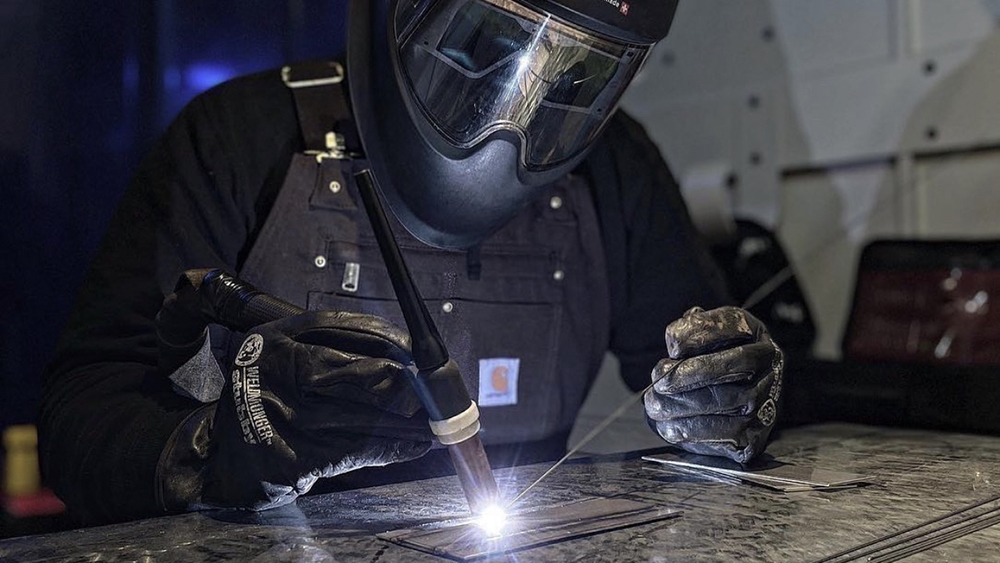
- Invest in good personal protective equipment (PPE): Helmet, gloves, boots, fire-resistant clothing.
- Network with instructors and classmates. Many jobs come from word of mouth.
- Build a portfolio of your best welds. Photos and test results impress employers.
- Stay organized. Keep track of certifications, test dates, and job contacts.
- Learn basic blueprint reading and math. These skills set you apart.
- Be reliable. Show up on time, work safely, and ask questions if unsure.
Oregon Welding Licenses And Legal Requirements
Oregon does not have a state welding license, but some cities or employers may require extra testing for public works or pressure piping. Always check local rules, especially for government or union jobs.
To work on boilers or pressure vessels, welders must meet Oregon Boiler and Pressure Vessel Law standards. This includes passing special tests and keeping up with code changes. For more details, see the Oregon Building Codes Division.
Women And Minorities In Oregon Welding
Welding offers strong opportunities for everyone, regardless of gender or background. Oregon supports women and minorities through:
- Dedicated scholarships and grants
- Pre-apprenticeship programs
- Networking groups like Women Who Weld
Oregon employers value diversity and often seek to hire a broad workforce. Skills, safety, and reliability matter most.
How To Pay For Welding School In Oregon
Training costs money, but many options help cover tuition:
- Federal grants (Pell Grant)
- Oregon Promise (free community college for eligible students)
- Scholarships from AWS, unions, or local businesses
- GI Bill for veterans
- Employer-sponsored training
Most schools offer payment plans. Some apprenticeships cover all costs and pay you while you learn.
Welding Unions And Associations In Oregon
Joining a union can boost pay, benefits, and job security. Major unions for Oregon welders include:
- UA Local 290 (pipefitters and welders)
- Ironworkers Local 29
- Boilermakers Local 242
Unions offer apprenticeship programs, health insurance, pension plans, and legal support. Membership is usually required for public works and large construction jobs.
Tools And Equipment You Need As A Welder
At the start, most employers provide equipment. As you advance, you may want your own tools:
- Welding helmet (auto-darkening recommended)
- Leather gloves and jacket
- Steel-toe boots
- Chipping hammer and wire brush
- Tape measure, soapstone, and scribe
- Grinder or flap disc (for prep and finishing)
- Tool bag
Quality tools last longer and improve safety. Ask instructors or experienced welders for brand recommendations.
Welding Safety Rules And Health Risks
Welding can be dangerous without the right habits. Key risks include:
- Burns from hot metal and sparks
- Eye injuries (arc flash)
- Fumes and gases (always use ventilation)
- Electric shock
- Hearing loss (wear ear protection)
Always wear PPE, follow safety rules, and report hazards. Oregon OSHA offers free safety training and resources.
Real-world Example: A Welder’s Journey In Oregon
Carlos, age 24, started at Lane Community College with no welding experience. He completed a 1-year certificate, passed the AWS test, and got hired at a Eugene fabrication shop. After 2 years, he joined Ironworkers Local 29, entered their apprenticeship, and doubled his pay in 3 years.
Today he works on bridges, takes classes to stay certified, and earns $80,000+ per year.
Is Welding Right For You?
Welding suits people who:
- Like hands-on, physical work
- Enjoy building and fixing things
- Can focus on detail and safety
- Want a trade with strong demand and growth
If you want a reliable career with room to grow and don’t mind getting your hands dirty, welding in Oregon is a smart choice.
Frequently Asked Questions
How Long Does It Take To Become A Welder In Oregon?
Most people complete a welding program in 6-12 months and get certified shortly after. Apprenticeships last 3-4 years but pay you while you learn. You can start working quickly if you focus on hands-on training and certification.
Do You Need A License To Weld In Oregon?
Oregon does not require a general welding license, but most employers require AWS certification. Special jobs like pressure piping or boilers need extra tests. Always check with your employer or union for specific requirements before you start.
What Are The Best Welding Jobs In Oregon?
Top jobs are in construction, shipyards, manufacturing, and union positions. Pipe welding, inspection, and fabrication offer the highest pay and steady work. Portland, Eugene, and Salem have the most openings for certified welders.
How Much Does Welding School Cost In Oregon?
Welding programs cost between $5,000 and $14,000, depending on the school and program length. Community colleges are usually more affordable. Grants, scholarships, and apprenticeships can lower or cover costs for many students.
Is Welding A Good Career In Oregon?
Yes. Welding offers strong pay, job security, and paths for advancement. Oregon’s industry needs skilled welders, and certified workers are in high demand. With the right training and attitude, welding is a stable, rewarding career choice.
Starting a welding career in Oregon is possible for anyone willing to learn, practice, and focus on safety. The path is clear: get trained, get certified, and build your future one weld at a time.
Credit: capitalpress.com