Disclosure: This post contains affiliate links and I will be compensated if you make a purchase after clicking through my links. Learn More
Becoming a welder in Ohio means practical training, state-specific requirements, and real job opportunities. You need the right education, skills, and certifications to start your welding career and secure stable, well-paid work in Ohio’s manufacturing and construction sectors.
Why Welding Is A Smart Career In Ohio
Welding offers steady jobs and strong income potential. Ohio’s manufacturing industry is massive, from automotive plants around Cleveland to construction projects in Columbus. Welders are always needed to build and repair machinery, vehicles, bridges, and pipelines.
The U.S. Bureau of Labor Statistics reports over 17,000 welders working in Ohio as of 2023. Median pay is about $48,000 per year, but experienced welders with special certifications can earn more than $60,000. Some union welders and those who travel for large industrial jobs make even higher wages.
Welding is not just a job—it’s a skilled trade that offers variety. You might work in a factory, outdoors on pipelines, or repairing farm equipment. Many welders enjoy the hands-on, problem-solving nature of the work.
What Does A Welder Do?
A welder uses heat and pressure to join metal parts together. This can be for building things, fixing machines, or creating metal structures. Common tasks include:
- Reading blueprints and technical drawings
- Measuring, cutting, and shaping metal parts
- Using welding equipment to fuse metals
- Inspecting finished welds for strength and quality
- Cleaning and maintaining equipment
Welders often work with different types of metals, such as steel, aluminum, and stainless steel. They may also use different welding methods. The most common types are:
- MIG (Metal Inert Gas) welding
- TIG (Tungsten Inert Gas) welding
- Stick welding (SMAW)
- Flux-cored arc welding
Each method has its uses, and you may need to learn several to get the best jobs.

Credit: www.youtube.com
Ohio’s Welding Job Market
Ohio has a strong reputation for manufacturing and construction. In cities like Cincinnati, Dayton, and Toledo, welders are in demand for factories, shipyards, and building sites. Rural areas also need welders for agriculture and energy projects.
Most welding jobs in Ohio are in these industries:
- Manufacturing (cars, machinery, appliances)
- Construction (bridges, buildings, roads)
- Energy (pipelines, power plants, wind turbines)
- Repair and maintenance (farm and factory equipment)
- Shipbuilding (especially in northern Ohio by Lake Erie)
According to the Ohio Department of Job and Family Services, the state expects steady growth in welding jobs through 2030. The need for skilled welders is not going away.
Steps To Become A Welder In Ohio
Becoming a welder in Ohio is a clear process. You don’t need a college degree, but you do need the right skills and certifications. Here’s how to start:
1. Finish High School Or Get A Ged
Most employers want you to have a high school diploma or a GED. In school, focus on:
- Math (algebra, geometry)
- Shop classes (if available)
- Science (especially physics)
Strong math and reading skills help you understand blueprints and measure metal parts.
2. Choose A Welding Training Program
You need hands-on training to become a welder. There are several ways to get this in Ohio:
Technical/vocational Schools
Many vocational high schools and career centers offer welding programs. These usually last 6-12 months and focus on practical skills.
Community Colleges
Schools like Columbus State Community College and Cuyahoga Community College offer Associate Degrees or certificates in welding. These programs can last from a few months to two years.
Apprenticeships
A welding apprenticeship combines paid work with classroom learning. You work under a skilled welder, get paid as you train, and often join a union.
Private Welding Schools
Some private schools, like Lincoln Electric Welding School in Cleveland, offer short, intensive programs. These focus on getting you job-ready fast.
3. Learn Key Welding Skills
No matter how you train, you must master:
- Welding techniques (MIG, TIG, Stick)
- Cutting and grinding metal
- Reading blueprints
- Welding safety rules
- Equipment maintenance
Hands-on practice is essential. Good schools spend at least 60% of training time in the workshop.
4. Earn Welding Certifications
Ohio does not require a state license just to work as a welder. But most employers want you to earn welding certifications. The most important are:
- AWS Certified Welder (from the American Welding Society)
- ASME Boiler and Pressure Vessel certifications (for industrial jobs)
- API 1104 (for pipeline welding)
You earn these by passing a practical test (a welding “coupon”) at a test center. Some programs offer certification tests as part of graduation.
5. Build Your Resume And Find A Job
Once you finish training and have your certification, you can start job hunting. Good welders create a resume that lists:
- Welding methods you know
- Types of metals you’ve worked with
- Certifications you hold
- Internships or apprenticeships
- References from instructors or employers
Most entry-level jobs are in manufacturing or construction. After a year or two, you can move into specialized roles.
6. Keep Learning And Get Advanced Certifications
As you get experience, you can boost your pay and job options by earning advanced certifications, such as:
- Certified Welding Inspector (CWI)
- Certified Welding Educator (CWE)
- Special endorsements for underwater welding, robotic welding, or pipe welding
Some welders go on to teach, supervise, or start their own businesses.
Comparing Welding Training Options In Ohio
Choosing the right training program is a big decision. Here is a quick comparison of your main options:
| Training Path | Length | Typical Cost | Key Benefit |
|---|---|---|---|
| Technical School | 6-12 months | $3,000-$10,000 | Quick, hands-on training |
| Community College | 1-2 years | $4,000-$15,000 | Degree/certificate, more theory |
| Apprenticeship | 2-4 years | Usually paid | Earn as you learn |
| Private Welding School | 3-6 months | $5,000-$20,000 | Fast-track to job market |
What Employers Want In Ohio Welders
Employers in Ohio look for more than just welding skills. They want welders who are:
- Reliable and punctual
- Physically fit (can lift 50+ lbs, stand for long shifts)
- Safety-focused
- Able to read blueprints and follow instructions
- Willing to work overtime or different shifts
Many companies prefer welders who are comfortable with technology, such as robotic welding arms or computer-controlled machines.
Welding Certifications Explained
Certification is key if you want a good welding job in Ohio. The most respected is from the American Welding Society (AWS). Here is how the main certifications compare:
| Certification | Test Type | Typical Jobs | Renewal |
|---|---|---|---|
| AWS Certified Welder | Practical (hands-on) | Manufacturing, construction | Every 6 months |
| ASME Section IX | Practical + theory | Boilers, pressure vessels | Every year |
| API 1104 | Practical + code | Pipelines, energy | Every 2 years |
A key point: Welding certifications are job-specific. You might need a different certification for each employer or project. Always ask employers what they require.
Union Vs. Non-union Welding Jobs
Ohio has a strong tradition of union labor. Welding unions, such as the International Brotherhood of Boilermakers and United Association (UA) Local 189, offer apprenticeships, higher pay, and good benefits.
Union Welding Jobs
- Higher hourly pay (often $25-$40/hour)
- Paid health insurance and retirement
- Job security and overtime pay
- Access to advanced training
Non-union Welding Jobs
- More jobs available, especially for beginners
- Often easier to get started
- Pay can be lower, but some large manufacturers pay well
Both paths have pros and cons. Many welders start non-union, then join a union later for better pay and benefits.
Top Welding Schools In Ohio
Choosing a respected school boosts your job prospects. Here are some of the best-known welding schools in Ohio:
- Lincoln Electric Welding School (Cleveland) – Famous worldwide, offers many types of welding and short, focused courses.
- Columbus State Community College – Offers an Associate of Applied Science in Welding.
- Cuyahoga Community College (Cleveland) – Known for strong welding and fabrication programs.
- Owens Community College (Toledo) – Offers both certificates and degrees.
- Ohio Technical College (Cleveland) – Fast-track welding programs with job placement help.
- Butler Tech (Hamilton) – Good for high school students and adults.
- Apollo Career Center (Lima) – Offers AWS test facilities.
Always check if the school is AWS-accredited and what certifications you can earn.
How To Pay For Welding School
Welding school is an investment, but there are ways to manage the cost:
- Federal financial aid (FAFSA) for accredited colleges
- Ohio Means Jobs workforce grants
- Veterans’ GI Bill (for former military members)
- Union apprenticeships (you earn while you learn)
- Scholarships from the American Welding Society and local foundations
Some employers will pay for your training if you agree to work for them after you finish.
Welding Apprenticeships In Ohio
An apprenticeship is one of the best paths to a welding career. You get paid, receive training, and often join a union.
- UA Local 189 (Columbus) offers 5-year apprenticeships with benefits.
- Boilermakers Local 85 (Toledo) trains welders for industrial work.
- Ironworkers Local 17 (Cleveland) offers welding training as part of their apprenticeship.
To apply, you usually need to be 18, have a high school diploma or GED, pass a drug test, and sometimes a basic math test.
Getting Your First Welding Job In Ohio
Your first job is likely to be as a welder helper or entry-level welder. Pay often starts around $18-$22 per hour. As you prove your skills, you can move up quickly.
Best ways to find a job:
- Apply to local manufacturers (Honda, Ford, Parker Hannifin, etc.)
- Use job sites like OhioMeansJobs.com and Indeed
- Visit union hiring halls
- Ask instructors for leads
- Attend job fairs at welding schools
Bring your resume, certifications, and be ready to weld a test piece at the interview.
Welding Specializations In Ohio
Over time, you can move into specialized roles. These pay more and often require extra training:
- Pipe welding (energy, refineries, utilities)
- Structural steel welding (bridges, buildings)
- Robotic welding operator
- Underwater welding (rare, very high pay)
- Welding inspector
- Fabricator (custom metalwork, art, or machinery)
Specialists often earn 20%–50% more than entry-level welders.
Typical Work Environments For Ohio Welders
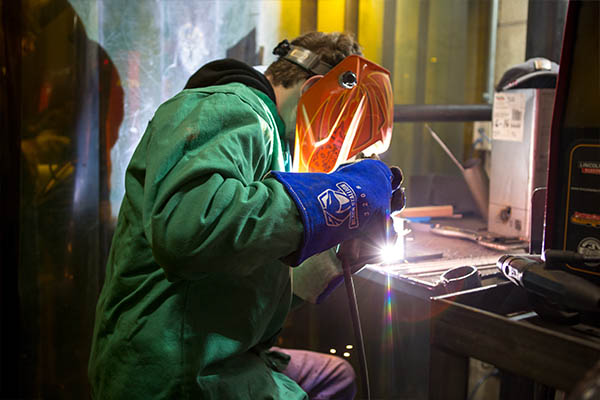
Welders in Ohio work in many settings:
- Factories – indoors, steady hours, often union
- Construction sites – outdoors, weather challenges, seasonal work
- Repair shops – small teams, varied tasks
- Shipyards – heavy metal, sometimes on Lake Erie
- Pipeline sites – travel, high pay, tough conditions
Some jobs require travel, shift work, or overtime. Safety gear is always required.
Credit: www.cscc.edu
Essential Tools And Equipment For Welders
Most employers provide basic equipment, but many welders prefer to own their own tools:
- Welding helmet with auto-darkening lens
- Jacket and gloves (leather)
- Work boots (steel toe)
- Measuring tools (tape, square)
- Grinder
- Chipping hammer and wire brush
High-quality tools make your work safer and faster.
Safety Is Non-negotiable
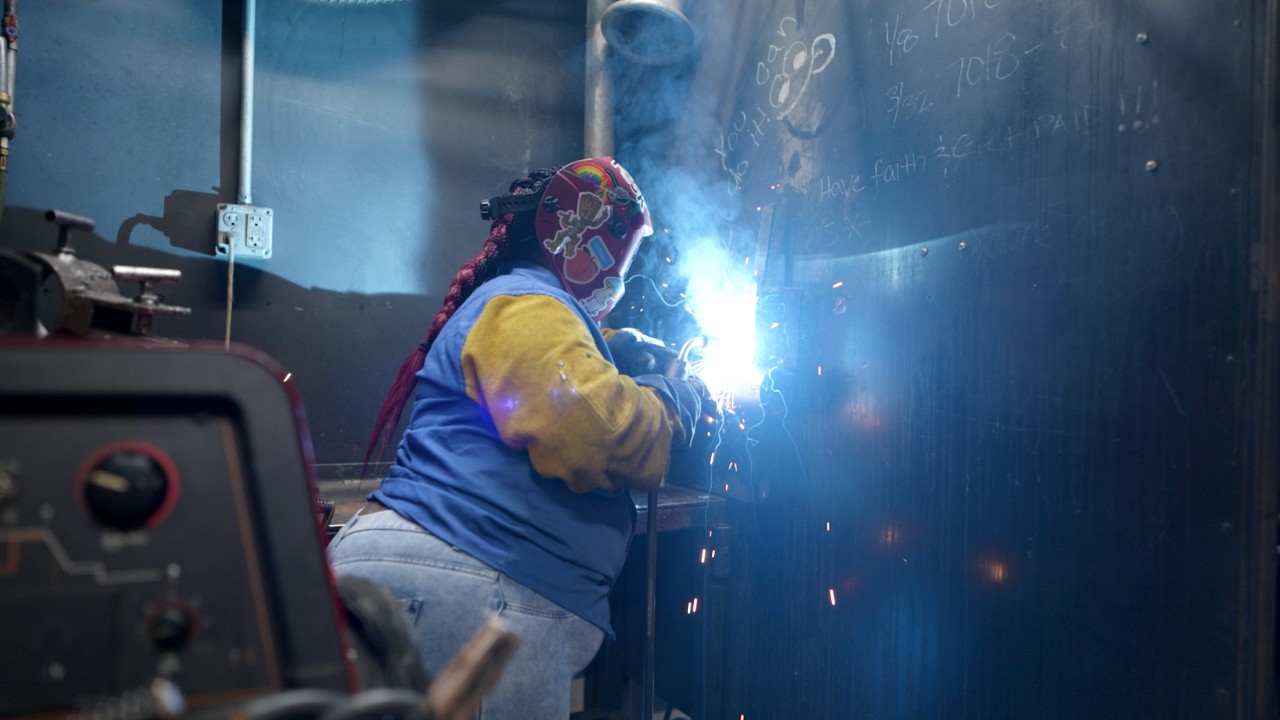
Welding involves heat, sparks, and sometimes dangerous gases. Safety is not optional. Ohio employers require:
- Welding helmets and face shields
- Fire-resistant clothing
- Ventilation or fume extraction
- Safety training (often part of your school or apprenticeship)
Never skip safety steps. Welders who ignore safety have higher rates of burns, eye injuries, and lung problems.
Two Common Mistakes Beginners Make
1. Skipping proper training
Some people try to “learn on the job” without formal training. This leads to poor quality welds, failed job tests, and safety risks. Employers want certified, trained workers.
2. Not keeping certifications current
Welding certifications often expire. If you don’t renew, you might lose your job or miss out on promotions. Set reminders to keep your paperwork up to date.
Welding Job Outlook In Ohio
The future for welders in Ohio is bright. Manufacturing, energy, and construction are all growing. Retirements mean thousands of open jobs each year.
Skilled welders can choose from:
- Full-time factory work with benefits
- Travel jobs with per diem pay
- Self-employment (repair, small shop, custom work)
- Teaching or inspecting after years of experience
The best jobs go to those with current certifications, solid safety records, and a good work ethic.
Credit: www.fortis.edu
Real-world Example: A Welding Career Path In Ohio
Mike finished high school in Dayton, took a 9-month welding course at a local career center, and passed his AWS test. He started at a parts manufacturer for $20/hour. After 2 years, he joined the union, got extra certifications, and now works on bridges for $35/hour plus benefits. He’s training to become a Certified Welding Inspector. Mike’s story is common—welding rewards effort and skill.
Comparing Welding Careers To Other Trades
Here’s a quick look at how welding stacks up against similar trades:
| Trade | Typical Pay (Ohio) | Training Time | Job Security |
|---|---|---|---|
| Welder | $36,000–$60,000 | 6–24 months | Strong |
| Electrician | $40,000–$70,000 | 2–4 years | Very strong |
| Plumber | $38,000–$65,000 | 2–5 years | Very strong |
| HVAC Tech | $35,000–$60,000 | 6–24 months | Good |
Welding offers faster entry to the workforce than most trades, with strong pay and growth.
Useful Resources For Ohio Welders
- American Welding Society: Offers certifications, scholarships, and job boards.
- OhioMeansJobs: State job listings, training info, and career help.
- Welding schools’ websites: Check program details, costs, and accreditation.
- Union websites: Learn about apprenticeships and benefits.
You can find more by visiting American Welding Society.
Frequently Asked Questions
What Is The Fastest Way To Become A Welder In Ohio?
The quickest path is a 3–6 month program at a private welding school, followed by passing the AWS Certified Welder test. You can apply for entry-level jobs right after earning your certification.
Do You Need A License To Weld In Ohio?
Ohio does not require a state welding license for most jobs. Certain cities or specialized work, like pressure vessels, may require specific certifications, such as AWS or ASME credentials.
How Much Do Entry-level Welders Make In Ohio?
Most entry-level welders in Ohio earn between $18 and $22 per hour. Pay increases as you gain experience, certifications, and move into specialized welding roles or union jobs.
Are Welding Jobs In Ohio Union Or Non-union?
Ohio offers both union and non-union welding jobs. Union jobs usually pay more and offer better benefits, but non-union positions are often easier to get when starting out.
Can I Get Financial Aid For Welding School In Ohio?
Yes, many welding schools accept federal financial aid (FAFSA), Ohio workforce grants, and veterans’ GI Bill benefits. Some unions and the American Welding Society offer scholarships as well.
—
Welding is a hands-on, high-demand trade in Ohio with real career growth. With the right training and certifications, you can start a rewarding job with strong pay and advancement. Take your first step and join Ohio’s skilled workforce.