Disclosure: This post contains affiliate links and I will be compensated if you make a purchase after clicking through my links. Learn More
If you want to become a welder in Illinois, you’ll need to complete training, earn certifications, and follow state requirements. Welding offers strong job growth, good pay, and many career options for those with the right skills and credentials. Whether you enjoy building things, solving problems, or working with your hands, welding can open doors to a secure and respected profession. With Illinois’ strong need for skilled tradespeople, welders are essential in keeping the state’s industries running smoothly and safely.
What Does A Welder Do?
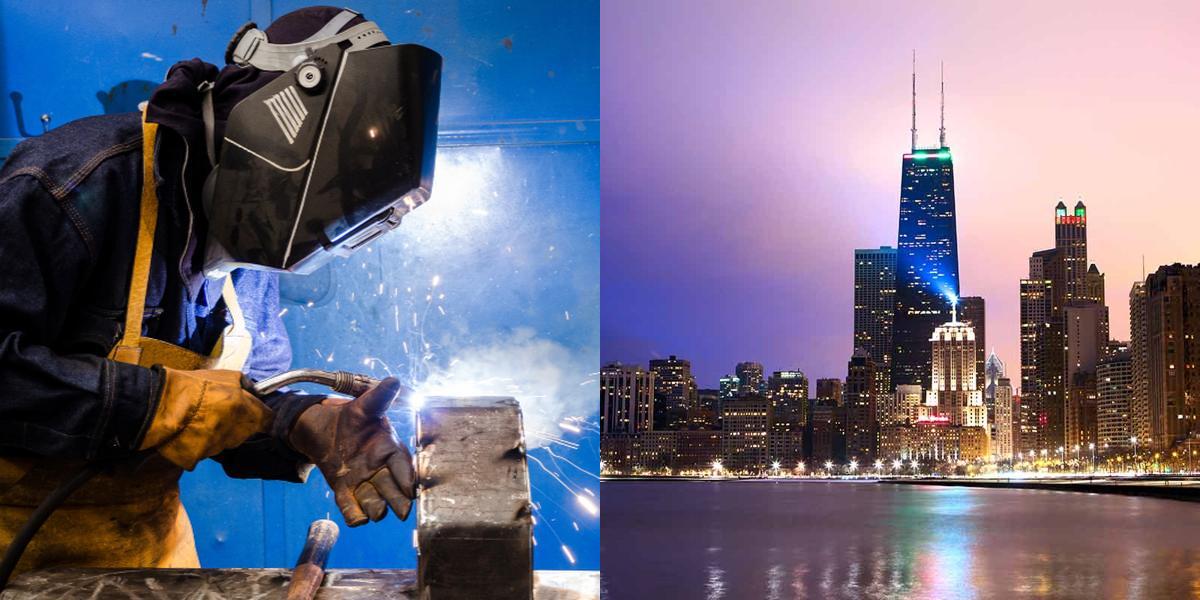
Welders use heat and electricity to fuse metals together, making strong joints that hold up under pressure and use. Their work is found in construction, manufacturing, transportation, and repair industries. A skilled welder can build bridges, fix pipelines, create machinery, or work on cars and airplanes. For example, welders help build skyscrapers in Chicago, repair farm equipment in rural areas, and maintain railroads that cross the state. Every project needs accuracy, safety, and strong technical skills. Even a small mistake in a weld can lead to expensive repairs or safety hazards, so attention to detail is vital. In Illinois, welders are in demand for both large-scale projects and small custom jobs. The range of work means you can choose to work outdoors, indoors, on a team, or independently, depending on your interests.
Why Welding Is A Great Career In Illinois
Illinois is known for its strong manufacturing base and busy construction sector. The state has thousands of factories, railroads, and infrastructure projects that need welders. According to the U.S. Bureau of Labor Statistics, there were over 13,000 welders working in Illinois in 2023, and the field is expected to grow. The demand is not only in big cities but also in smaller towns where industry and agriculture thrive.
Wages are competitive—average welders earn around $47,000 per year, and experienced welders can earn more, especially with special skills or certifications. For example, welders who work in hazardous environments, on pipelines, or with rare metals often earn higher pay. Some specialty welders, like those in the aerospace or nuclear sectors, can see salaries well above state averages.
Many welders also enjoy the satisfaction of seeing their work last for decades, knowing that bridges, vehicles, or buildings are safer because of their skills. Unlike some office jobs, welding offers variety and the chance to travel or move into supervisory roles.
The career also provides job stability, as skilled trades are less likely to be replaced by automation compared to purely manual or repetitive jobs.
Credit: sic.edu
Step-by-step Guide: How To Become A Welder In Illinois
1. Complete High School Or Get A Ged
You need a high school diploma or GED to qualify for most welding programs. Focus on math, science, and shop classes. These subjects teach skills you’ll use every day on the job, such as measurements, angles, and reading blueprints. Math helps with calculating dimensions and materials, while science explains how metals react to heat. Shop classes can give you early experience using tools and understanding basic mechanics, giving you a head start in training.
2. Research Welding Careers And Specialties
Welding is not just one job. In Illinois, you can specialize in:
- Structural welding (buildings, bridges)
- Pipe welding (plumbing, oil, and gas)
- Automotive welding (cars, trucks, trains)
- Manufacturing welding (factories, machinery)
- Aerospace welding (planes, spacecraft)
Decide what interests you most. Each field may need different skills and certifications. For example, pipe welding often requires passing special tests for working with pressurized systems. Automotive welding may focus more on thin metals and high-speed techniques. Researching these options early helps you choose the best training and certifications for your goals.
It’s common for new welders to start in general positions and move to a specialty later. Some welders find they enjoy the challenge of working in tight spaces as a pipe welder, while others prefer the precision of TIG welding on custom machinery.
3. Choose The Right Welding Training Program
Most Illinois welders attend a training program at a community college, technical school, or welding institute. Programs usually last 6 months to 2 years. You’ll learn welding theory, safety, and practice hands-on skills in a shop. Some schools also offer night or weekend classes for students who work during the day.
Top welding schools in Illinois:
- Illinois Central College (East Peoria)
- College of DuPage (Glen Ellyn)
- Lincoln Land Community College (Springfield)
- Southwestern Illinois College (Granite City)
- Joliet Junior College (Joliet)
These programs teach the main welding types: MIG, TIG, Stick, and Flux-Cored welding. You’ll also learn how to read blueprints, understand welding symbols, and follow industry safety standards. Some programs include classes on metallurgy, robotics, or fabrication, which are valuable in advanced jobs.
Comparison: Certificate Vs. Associate Degree
| Program Type | Length | Cost | Career Impact |
|---|---|---|---|
| Certificate | 6-12 months | $2,000–$6,000 | Entry-level jobs, quick start |
| Associate Degree | 2 years | $6,000–$15,000 | Advanced jobs, better pay, leadership roles |
If you want to start working quickly, a certificate is best. If you want more options and higher pay, consider an associate degree. An associate degree often includes general education classes and more in-depth technical training, which can help if you want to move into management or inspection roles later.
4. Gain Hands-on Welding Experience
Employers want to see real welding skills. Most programs include shop hours and supervised projects. Some schools offer internships at local businesses, giving you direct job experience. You might build practice projects like toolboxes, metal frames, or small structures that demonstrate your abilities.
You can also look for entry-level jobs as a welder’s helper. You’ll do tasks like preparing materials and cleaning equipment. This is a great way to learn from experienced welders and get used to the work environment. Helpers often advance quickly if they show responsibility and a willingness to learn.
Don’t overlook volunteer projects, such as helping with school plays, community centers, or local fairs where welding is needed. These experiences can fill your resume and show dedication.
5. Earn Welding Certifications
Illinois does not require a state welding license, but almost every employer wants industry-recognized certifications. The most respected is the American Welding Society (AWS) Certified Welder card.
To get AWS certified, you must pass practical welding tests. These tests check your skills with different processes, metals, and positions. You’ll need to show you can follow safety rules and make strong, clean welds. Many test centers in Illinois offer practice sessions to help you prepare for the exam.
Other helpful certifications:
- Certified Welding Inspector (CWI)
- Certified Welding Educator (CWE)
- Specialty certifications (pipe welding, underwater welding, etc.)
The more certifications you have, the more jobs you qualify for. Some employers pay for advanced certifications if you show potential and commitment. Keep your certifications current and renew them as required—expired cards may limit your job options.
6. Build A Strong Resume And Job Network
Once you finish your training and get certified, make a resume that highlights:
- Welding processes you know (MIG, TIG, Stick, etc.)
- Safety certifications (OSHA, First Aid)
- Hands-on experience and projects
- Any awards or school achievements
Include details about the types of metals and materials you have worked with, as this can set you apart. For example, experience with stainless steel or aluminum welding is highly valued in certain industries.
Connect with local unions, trade groups, and welding associations. Attend job fairs and welding events in Illinois. Many jobs are filled through personal connections, not just online ads. Being active in professional groups can introduce you to mentors and future employers.
Remember, a good reputation travels fast in the trades. Show up on time, work hard, and be respectful to build positive relationships.
7. Apply For Welding Jobs In Illinois
Start with companies that match your interests. In Illinois, top employers include:
- Manufacturing plants (Caterpillar, John Deere)
- Construction firms (Turner Construction, Walsh Group)
- Railroads and transit companies (Metra, Amtrak)
- Energy and utility companies (Exelon, ComEd)
Check sites like Indeed, LinkedIn, and Illinois JobLink. Also, visit union halls and local trade schools for job leads. Some companies prefer to hire from their pool of apprentices or interns, so building connections during training is smart.
Be ready for a hands-on job test as part of the hiring process. Employers want to see your skills in action, not just on paper.
8. Consider Joining A Union
Many Illinois welders join unions, such as the United Association or Ironworkers Local. Unions offer:
- Higher pay and benefits
- Safer working conditions
- Apprenticeship programs
- Job security
Union membership is not required, but it can improve your career. Unions negotiate for better wages, overtime pay, and health insurance. They also provide training, legal support, and a clear path for advancement. Apprenticeships through unions often lead to permanent jobs and long-term benefits like pensions.
9. Keep Learning And Upgrade Your Skills
Welding technology changes fast. New machines, materials, and safety standards appear every year. Take extra classes, attend workshops, and get new certifications to keep your skills fresh.
Specialty skills like robotic welding, CNC programming, or inspection can boost your value. Illinois employers pay more for welders who stay current. If you learn how to operate or repair welding robots, for example, you could move into a high-demand field that combines welding and automation.
Don’t forget soft skills, like communication and leadership. Foreman and supervisor roles often go to welders who can manage teams and solve conflicts.
Welding Apprenticeships In Illinois
An apprenticeship is paid, on-the-job training. You work under a skilled welder, learn advanced techniques, and earn a salary. Most apprenticeships last 3-4 years and lead to a full-time union job.
Apprenticeships combine classroom instruction with hands-on work, so you get both theory and practice. You might learn advanced blueprint reading, rigging, layout, and even how to supervise small teams. Apprenticeships are competitive, but they set you up for long-term success.
Example: Ironworkers Local 1 Apprenticeship
- Duration: 4 years
- Pay: Starts at $21/hour, increases with experience
- Benefits: Health insurance, pension, classroom training
Apprenticeships are a smart path if you want a career, not just a job. You learn everything from blueprint reading to rigging and safety. Many apprentices also get to work on large projects, such as stadiums, bridges, or factories, which look great on a resume.
How To Find An Apprenticeship
- Contact local unions (Ironworkers, Pipefitters, Boilermakers)
- Visit Illinois Department of Employment Security website
- Ask welding instructors for leads
Apply early and be prepared for entrance tests or interviews. Some programs require an aptitude test covering math, reading, and mechanical reasoning.
Essential Welding Skills And Qualities
Welding needs more than technical training. Top welders in Illinois share these skills:
- Attention to detail: Small mistakes can cause big problems.
- Physical strength: Welders lift, bend, and stand for hours.
- Steady hands: You must control the torch and make clean welds.
- Math skills: Measurements and angles matter.
- Teamwork: Many projects need group effort.
- Problem-solving: You’ll fix issues on the spot.
Being reliable and having a strong work ethic are also important. Employers value welders who show up on time, follow directions, and help coworkers. Many successful welders also practice time management, since projects often run on tight deadlines.
One insight that beginners often miss: learning to communicate clearly with supervisors and team members can prevent expensive mistakes and make jobs run smoothly.
Costs And Financial Aid For Welding School In Illinois
Welding school costs depend on the program. On average:
- Certificate: $2,000–$6,000
- Associate degree: $6,000–$15,000
You may need extra money for books, tools, and safety gear (around $500–$1,200). Some schools include toolkits in tuition, while others require you to buy your own.
Most students use financial aid, grants, or scholarships. Fill out the FAFSA (Free Application for Federal Student Aid) to qualify for federal and state help. Some programs offer work-study jobs on campus, letting you earn money while gaining experience.
Top scholarships for Illinois welders:
- AWS Foundation Scholarships
- Illinois Community College Board Grants
- School-specific awards
Ask the financial aid office at your school for details. Also, look for local organizations or industry groups that offer small scholarships—these are less competitive and can cover the cost of books or supplies.
Credit: dreambound.com
Welding Job Outlook And Salary In Illinois
Welding pays well in Illinois, especially with experience and certifications. Here’s a salary breakdown:
| Welding Role | Average Salary | Top 10% Salary |
|---|---|---|
| Entry-Level Welder | $36,000 | $45,000 |
| Experienced Welder | $47,000 | $60,000 |
| Specialty Welder (Pipe, Aerospace) | $54,000 | $75,000+ |
Union welders and those in high-risk fields (like pipeline or underwater welding) can earn more. Over the next decade, the state expects thousands of new welding jobs due to retiring workers and new projects. Skilled welders who stay up-to-date with technology and certifications will have the best job prospects.
Some welders also get overtime pay or bonuses for working nights, weekends, or in remote locations. Keep in mind that salary can vary by city, with Chicago often paying higher wages than smaller towns.
Common Welding Processes Used In Illinois
Welders use different methods based on the job. The main processes are:
- MIG (Gas Metal Arc Welding): Fast, clean, used in auto and manufacturing.
- TIG (Gas Tungsten Arc Welding): Precise, used for thin metals and high-quality work.
- Stick (Shielded Metal Arc Welding): Works outdoors, good for construction and repairs.
- Flux-Cored Arc Welding: Strong, used for thick materials and heavy industry.
Most Illinois employers want welders who know all four. Some jobs require advanced skills, like working with aluminum or stainless steel. For example, TIG welding is often used for custom bicycle frames or food processing equipment, while Stick welding is used to fix steel beams on bridges.
An insight many new welders overlook: employers value flexibility. If you can switch between welding processes as needed, you’ll be trusted with more complex projects and may earn higher pay.
Safety Standards And Requirements
Welding can be dangerous—burns, eye injuries, and fumes are common risks. Illinois employers follow strict safety rules set by OSHA (Occupational Safety and Health Administration).
Key safety requirements:
- Wear PPE (Personal Protective Equipment): Helmet, gloves, boots, fire-resistant clothing.
- Use proper ventilation to avoid harmful fumes.
- Follow lockout/tagout and fire prevention guidelines.
- Complete safety training before starting work.
Some jobs may require extra training, like confined space entry or hazardous materials handling. Employers may ask you to complete a 10-hour or 30-hour OSHA course, which teaches you how to recognize and avoid workplace dangers.
A tip for new welders: never skip pre-work safety checks. Even experienced welders can be injured if they rush or ignore safety steps.
Tools And Equipment Every Welder Needs
Illinois welders use many tools daily. These include:
- Welding machine (MIG, TIG, Stick)
- Protective helmet with auto-darkening filter
- Welding gloves and jacket
- Steel-toed boots
- Angle grinder
- Chipping hammer and wire brush
- Measuring tape and square
- Clamps and magnets
Most schools provide basic tools during training, but you’ll need your own set for work. High-quality safety gear is worth the investment—it keeps you safe and helps you work efficiently.
It’s also wise to keep a small kit of replacement parts—like contact tips, nozzles, and grinding wheels—so you’re ready for quick repairs on the job.
Career Advancement For Welders In Illinois
Welding can lead to many career paths. With experience, you can move up to:
- Welding supervisor or foreman
- Certified Welding Inspector
- Welding instructor
- Manufacturing manager
- Self-employed contractor
Some welders open their own shops or work as freelance specialists. The most successful welders keep learning, get advanced certifications, and build strong reputations.
As you build your career, consider joining professional groups or attending industry conferences. These can connect you with mentors, give you access to the latest trends, and help you find new opportunities.
Real-world Example: Illinois Welder Career Path
Maria started as a welder’s helper in Rockford. After earning her AWS Certified Welder card and completing an apprenticeship, she joined a union and worked on highway bridge projects. After five years, she became a foreman, earned $65,000 a year, and now trains new welders at her company.
Her story shows how starting with entry-level jobs, building skills, and staying motivated can lead to a rewarding welding career in Illinois. Maria also took extra courses in blueprint reading and safety, which helped her move into leadership faster than her peers.
Mistakes To Avoid When Starting Your Welding Career
- Skipping safety training: Injuries can end your career early.
- Not getting certified: Most employers want proof of your skills.
- Ignoring new technology: Stay updated with welding machines and processes.
- Neglecting soft skills: Communication and teamwork are important.
- Not networking: Many jobs come from personal connections.
Another mistake beginners often make is underestimating the importance of tool maintenance. Keeping your equipment clean and in good repair not only improves your work but also shows employers you take your job seriously.
Avoid these mistakes to build a strong, lasting career.
Welding Schools And Program Comparison In Illinois
Here’s a quick look at some top programs:
| School | Location | Program Length | Certifications Offered |
|---|---|---|---|
| Illinois Central College | East Peoria | 1 year (certificate), 2 years (degree) | AWS, OSHA |
| College of DuPage | Glen Ellyn | 1-2 years | AWS, specialty certs |
| Lincoln Land Community College | Springfield | 1-2 years | AWS, NCCR |
| Joliet Junior College | Joliet | 1 year (certificate), 2 years (degree) | AWS |
Visit each school’s website for up-to-date costs and program details. Consider factors like class sizes, job placement rates, and industry partnerships when choosing a program.

Credit: www.midwesttech.edu
Is Welding Right For You? Key Questions To Ask
Welding is not for everyone. Before you commit, ask yourself:
- Do you enjoy working with your hands?
- Can you focus on details for long periods?
- Are you comfortable with heat, noise, and physical work?
- Do you like solving problems and building things?
- Are you willing to keep learning new skills?
If you answer yes, welding could be a great career in Illinois. Take time to visit a welding shop or talk with local welders to get a real feel for the work environment.
Resources For Illinois Welders
- American Welding Society: Offers certifications, resources, and job listings.
- Illinois Department of Employment Security: Lists apprenticeships and training programs.
- Local unions and technical schools: Great for networking and job leads.
- Illinois JobLink: State job board for welders and skilled trades.
If you want more details on welding careers and certifications, visit the American Welding Society.
Frequently Asked Questions
What Is The Fastest Way To Become A Welder In Illinois?
The quickest way is to finish a welding certificate program, which takes about 6–12 months. After training, pass the AWS Certified Welder test to qualify for most entry-level jobs. Some students even work part-time while in school to gain experience sooner.
Do I Need A State License To Weld In Illinois?
No, Illinois does not require a state welding license. Most employers want you to have an industry certification, like the AWS Certified Welder card, for hiring.
How Much Do Welders Make In Illinois?
Entry-level welders earn around $36,000 a year. With more experience, skills, and certifications, salaries can reach $50,000–$75,000 or more, especially in specialized fields or union jobs.
Can I Become A Welder Without Going To College?
Yes, you can start as a welder’s helper or through a union apprenticeship program. You still need hands-on training and certifications, but a traditional college degree is not required.
What Are The Most In-demand Welding Skills In Illinois?
Employers want welders skilled in MIG, TIG, Stick, and Flux-Cored processes. Knowing blueprint reading, safety standards, and having specialty skills like pipe welding or robotic welding also help you stand out.
—
Illinois offers strong opportunities for welders who take the right steps. With training, certification, and hard work, you can build a stable, rewarding career that pays well and stays in demand. Start your journey with the right school, stay safe, and keep learning—your future in welding is wide open.