Disclosure: This post contains affiliate links and I will be compensated if you make a purchase after clicking through my links. Learn More
Stick welding, also known as Shielded Metal Arc Welding (SMAW), is one of the most common welding methods in construction, repair, and manufacturing. Many welders choose stick welding because it works well outdoors and in different positions. But stick welding is not free from problems. One of the most frustrating issues is slag inclusion. These are pieces of non-metallic material trapped inside the weld, making it weak and often leading to failed inspections.
If you want strong, clean welds, you must learn how to avoid slag inclusions. This is not just about following a checklist. You need to understand why slag forms, what causes inclusions, and how your technique, equipment, and preparation all play a part.
Many new welders think they are doing everything right but still end up with hidden defects. Even experienced welders can miss small details that lead to inclusions.
In this article, you will get a clear and thorough guide on how to avoid slag inclusions in stick welding. You will learn what causes them, how to spot them, and, most importantly, how to prevent them. Whether you are a beginner or want to improve your skills, this article will help you weld with more confidence and better results.
What Are Slag Inclusions In Stick Welding?
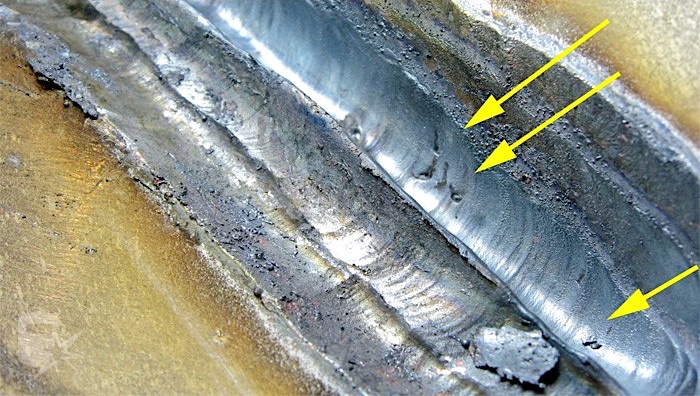
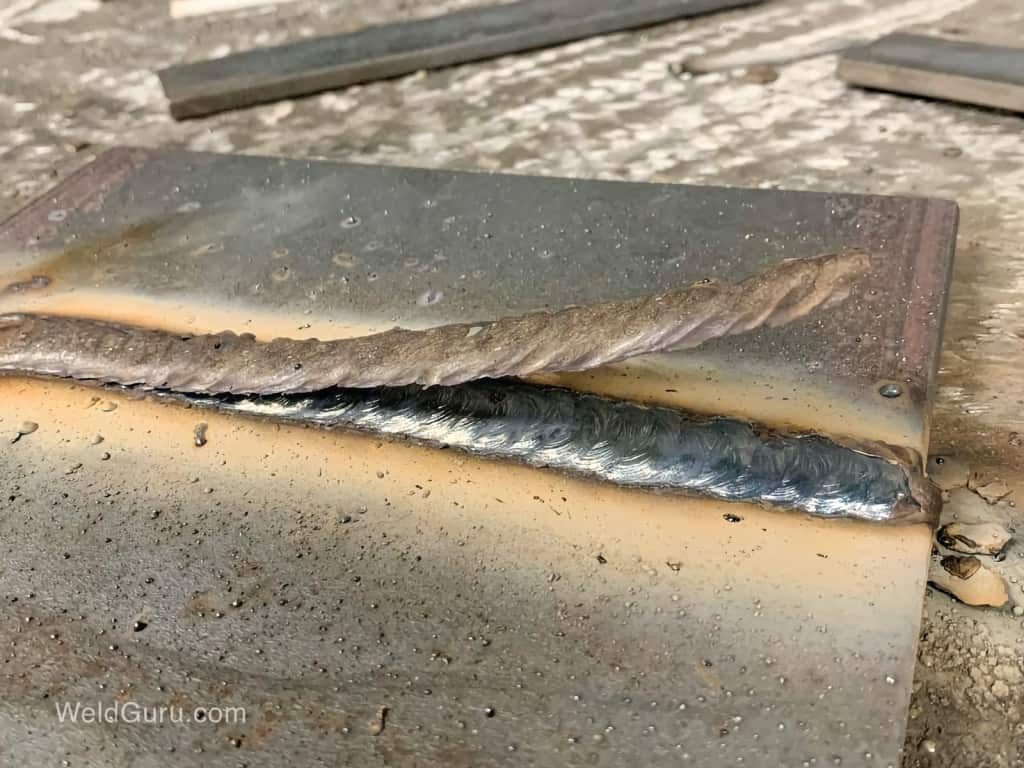
Slag inclusions are pieces of nonmetallic material—mainly the flux coating from the electrode—trapped inside the weld metal. During stick welding, the flux melts and covers the weld pool. This protects the molten metal from the air and helps remove impurities. When the weld cools, the flux solidifies as slag on top of the weld.
Ideally, you chip away all the slag after each pass. If some slag gets trapped inside the weld instead of floating to the surface, it creates weak points. These inclusions lower the weld strength and can cause cracks or failure under stress.
Slag inclusions are one of the most common welding defects in stick welding. They are a leading reason why welds fail X-ray or ultrasonic tests, especially in industries where safety is critical.
Why Are Slag Inclusions A Problem?
Slag inclusions are not just a cosmetic issue. They create weak spots in the weld that:
- Reduce the strength of the joint
- Make the weld more likely to crack
- Cause leaks in pressure vessels and pipelines
- Lead to failed inspections
Many codes and standards do not allow any slag inclusions in critical welds. Even a small trapped piece can make a weld unacceptable.
Credit: weldguru.com
How Slag Forms In Stick Welding
When you strike an arc, the electrode melts and deposits metal into the joint. The electrode’s flux coating also melts, forming slag. This slag floats on top of the weld pool, protecting it from oxygen and nitrogen in the air. As the weld cools, the slag solidifies and must be removed.
Slag is helpful on the weld surface but becomes a serious problem if it gets trapped inside. Inclusions usually happen because the welder’s technique or preparation was not right.
Main Causes Of Slag Inclusions
Understanding why slag gets trapped is key to preventing it. The main causes are:
- Poor cleaning between weld passes: Leftover slag from the previous pass gets trapped in the next pass.
- Improper welding angle: The wrong angle prevents slag from rising to the surface.
- Low welding current: Not enough heat keeps slag from melting and floating out.
- Travel speed too fast: Moving too quickly doesn’t give slag enough time to escape.
- Improper electrode manipulation: Bad hand movements disturb the slag flow.
- Incorrect joint preparation: Rust, paint, or oil on the base metal trap slag.
- Wrong electrode size or type: Some electrodes are more likely to trap slag if used incorrectly.
- Welding in tight spaces: Difficult positions make it hard for slag to escape.
- Overlapping weld beads: Overlapping beads can trap slag between layers.
- Moisture on electrodes or base metal: Moisture creates steam and weakens slag removal.
Many welders miss these points, focusing only on arc control. But each factor plays a big role in avoiding inclusions.
How To Identify Slag Inclusions
Spotting slag inclusions is not always easy. Sometimes they appear as dark spots or lines on the surface. Other times, they are hidden deep inside the weld, only visible through X-ray or ultrasonic testing.
Some signs to look for:
- Rough, uneven weld surface
- Porosity or pinholes
- Visible black lines or spots in cross-sections
- Cracks along the weld bead
If you find any of these signs, you may have slag inclusions. Always check your welds carefully before moving to the next pass or finishing a job.
Essential Steps To Avoid Slag Inclusions
Now, let’s look at the practical steps you can take to avoid slag inclusions in stick welding. Each step matters, and often, it’s the small details that make the biggest difference.
1. Clean The Base Metal Properly
Start with clean metal. Rust, paint, oil, or moisture on the surface all increase the risk of slag getting trapped.
- Use a grinder, wire brush, or sandpaper to remove rust and paint.
- Wipe off any oil or grease with a clean rag and solvent.
- Dry the surface if it’s wet or damp.
Tip: Even small spots of dirt can cause inclusions. Clean the area at least 1–2 inches around the joint.
2. Use The Right Welding Current
The welding current controls the heat. Too low, and the slag does not melt and float out. Too high, and you may burn through or create other defects.
| Electrode Size | Recommended Amperage Range | Typical Application |
|---|---|---|
| 2.5 mm (3/32″) | 40–90 A | Light sheet metal |
| 3.2 mm (1/8″) | 80–130 A | General welding |
| 4.0 mm (5/32″) | 120–180 A | Heavy plate |
Check your electrode’s recommended amperage. If you see slag not lifting easily, increase the current slightly.
3. Hold The Correct Electrode Angle
The angle of the electrode controls how the slag flows. For most stick welding:
- Use a drag angle (stick tilted 15–20° back from vertical).
- For vertical-up welding, use a slight push angle.
Wrong angle traps slag under the weld bead.
Tip: Practice holding a steady angle. Even small changes affect slag removal.
4. Control Your Travel Speed
Travel speed is the speed you move the electrode along the joint. Too fast, and slag cannot escape. Too slow, and you get too much buildup.
- Keep a steady, moderate speed.
- Watch the molten pool and let slag rise to the top before moving forward.
Common mistake: Many new welders rush at the end of a pass. Slow down to finish cleanly.
5. Chip And Brush Between Passes
After each weld pass, remove all slag before starting the next. Use a chipping hammer and wire brush.
Practical steps:
- Chip away all visible slag.
- Brush the weld bead until shiny metal appears.
- Check edges and corners carefully.
Never weld over loose slag. Even a small piece can cause a large inclusion.
6. Prepare The Joint Correctly
A good joint fit-up gives slag a path to escape. Poor fit-up traps slag at the root or sides.
- Use the right joint design (butt, fillet, groove) for the job.
- Make sure gaps and angles are correct.
- Tack weld pieces to hold alignment.
Tip: For thick materials, grind a bevel so the electrode can reach the root.
7. Select The Right Electrode
Different electrodes produce different amounts of slag. For example, E6013 and E7018 are common, but E7018 has a heavier slag.
- Use the electrode recommended for your job and position.
- Do not use electrodes that are too large for the joint.
Non-obvious insight: Moist or old electrodes can cause poor slag formation and inclusions. Store electrodes in a dry oven.
8. Use Proper Electrode Manipulation
Your hand movements control the weld pool and slag flow. Poor technique traps slag.
- Use a slight weave (side-to-side movement) if needed, but do not weave too wide.
- Pause briefly at the edges to let slag float out.
- Keep a steady hand.
Mistake to avoid: Do not zig-zag too quickly. This stirs the slag into the weld.
9. Avoid Overlapping Beads
If you overlap weld beads too much, you can trap slag between layers.
- Space beads evenly.
- Do not build up too much metal in one spot.
- Plan your passes for good coverage.
Practical example: On a wide groove, use stringer beads (narrow, straight passes) rather than wide, overlapping beads.
10. Maintain Good Visibility
If you cannot see the weld pool and slag, you cannot control them.
- Use a good quality welding helmet and lens.
- Keep your helmet lens clean.
- Adjust your body position for a clear view.
Hidden problem: Poor lighting in the work area can hide slag and defects. Add more light if needed.
11. Control Moisture
Moisture on the base metal or electrode creates steam. This weakens the slag and increases inclusions.
- Dry all parts before welding.
- Store electrodes in a heated oven if possible.
Fact: Many welders skip drying rods, but this is a top cause of hidden inclusions.
12. Check Your Work Regularly
After each pass, inspect the weld bead.
- Look for any signs of trapped slag.
- Use a chipping hammer and brush to check for loose slag.
- If you find inclusions, grind them out and re-weld.
Pro tip: Do not wait until the job is finished to check for defects. Fix them as you go.
13. Use Correct Welding Position
Some positions (like overhead or vertical) are harder for slag to escape.
| Welding Position | Difficulty for Slag Removal | Recommended Electrode |
|---|---|---|
| Flat | Easy | E6013, E7018 |
| Horizontal | Moderate | E7018 |
| Vertical Up | Hard | E7018 (with special technique) |
| Overhead | Very Hard | E6010, E7018 |
If you are new, practice in the flat position until you master slag removal.
14. Grind Out Defects Before Repair
If you find a slag inclusion, do not weld over it. Grind out the defect completely before repairing.
- Use an angle grinder to remove the affected area.
- Clean with a brush before re-welding.
Welding over inclusions only makes the problem worse.
15. Avoid Excessive Weaving
Wide weaving movements can trap slag.
- Use stringer beads for most stick welds.
- Weave only when necessary and keep movements narrow.
Fact: Many codes limit weave width to 2–3 times the electrode diameter.
16. Use The Correct Arc Length
Arc length is the gap between the electrode and the workpiece.
- Keep the arc length about the same as the electrode diameter.
- Too long an arc creates more slag and less penetration.
- Too short can cause sticking and poor slag removal.
Practical tip: Listen for a steady “crackling” sound. This means the arc length is correct.
17. Plan Multi-pass Welds Carefully
For thick joints, you need multiple passes.
- Clean each pass before starting the next.
- Stagger passes to cover all areas evenly.
- Avoid stacking beads on top of slag.
Non-obvious insight: On multi-pass welds, the first pass is most likely to trap slag. Take extra care cleaning the root pass.
18. Watch For Joint Gaps And Fit-up
If the joint is too tight or too loose, slag has trouble escaping.
- Use proper joint preparation.
- Leave a small root gap if needed.
- Check alignment before welding.
Hidden risk: Tight corners and T-joints trap slag more easily.
19. Avoid Contaminated Or Damaged Electrodes
Bent, damaged, or dirty electrodes do not work well.
- Use fresh, undamaged electrodes.
- Store electrodes in a dry place.
- Discard any rods with broken flux.
Fact: Damaged flux changes how slag forms and can cause inclusions even with good technique.
20. Follow Welding Codes And Standards
Many industries have strict welding codes (such as ASME, AWS, ISO). These codes tell you how to prepare, weld, and inspect to avoid defects.
- Read the code for your job before starting.
- Follow all procedures for cleaning, passes, and inspections.
Practical example: For pressure vessels, the code may require 100% inspection and no inclusions allowed.
Common Mistakes Welders Make
Even experienced welders make mistakes that lead to slag inclusions. Here are some to watch for:
- Skipping cleaning between passes: The most common cause of inclusions.
- Using old or damp electrodes: This weakens the slag.
- Not adjusting current for electrode size: Leads to poor melting.
- Ignoring fit-up and joint prep: Traps slag in corners and roots.
- Trying to cover up defects with extra passes: Always remove and repair instead.
Tools And Equipment That Help Prevent Slag Inclusions
Having the right tools makes a big difference. Some helpful items:
- Chipping hammer: For removing slag between passes.
- Wire brush: For cleaning the weld bead.
- Angle grinder: For joint preparation and defect removal.
- Electrode oven: For keeping rods dry.
- Good helmet and lighting: For clear visibility.
Investing in these tools pays off in better weld quality.
Credit: weldguru.com
Slag Inclusion Vs. Other Welding Defects
It’s useful to compare slag inclusions to other common defects:
| Defect Type | Main Cause | How to Detect | Effect on Weld |
|---|---|---|---|
| Slag Inclusion | Poor cleaning or technique | Visual, X-ray, ultrasonic | Weak spots, cracks |
| Porosity | Gas in weld pool | Visual, X-ray | Leaks, weak weld |
| Cracks | Stress, cooling too fast | Visual, dye penetrant | Weld failure |
| Undercut | Wrong angle/speed | Visual | Reduced strength |
Knowing the difference helps you spot and fix problems quickly.
Inspection And Testing Methods
You cannot always see slag inclusions on the surface. Inspection methods include:
- Visual inspection: Check the surface after each pass.
- X-ray testing: Shows inclusions inside the weld.
- Ultrasonic testing: Finds hidden defects in thick welds.
- Bend tests: Reveal weak spots by bending the welded sample.
Tip: For critical jobs, always use X-ray or ultrasonic testing.
Practical Examples Of Avoiding Slag Inclusions
- Pipe welding: Clean the root pass carefully and use stringer beads. Check for inclusions before the next pass.
- Repair jobs: Grind out cracks or old welds completely before adding new metal.
- Heavy plate welding: Use multi-pass technique. Clean after each pass. Store rods in a heated oven.
- Outdoor work: Keep electrodes dry. Protect joints from rain or moisture.
Non-obvious insight: In field work, wind can blow away slag and make inclusions more likely. Use windshields if needed.
How To Fix Slag Inclusions
If you find a slag inclusion:
- Grind out the defect completely.
- Clean the area with a brush.
- Re-weld using proper technique.
Never try to cover up inclusions. Inspect your work after repair.
How To Develop Good Welding Habits
Avoiding slag inclusions is not just about following steps. You need good habits:
- Always clean between passes.
- Check your equipment before starting.
- Inspect your welds often.
- Keep learning and practicing new techniques.
Over time, these habits will help you produce cleaner, stronger welds.
Frequently Asked Questions
What Is The Main Cause Of Slag Inclusions In Stick Welding?
The main cause is poor cleaning between weld passes. If you do not remove all the slag before welding the next pass, it gets trapped inside the weld metal.
How Do I Remove Slag From The Weld Bead Effectively?
Use a chipping hammer to break the slag, then a wire brush to clean the weld surface. Make sure all slag is gone before starting another weld pass.
Can Electrode Type Affect Slag Inclusions?
Yes. Some electrodes, like E7018, produce heavier slag. If you use the wrong size or type for your job, or use old/damp electrodes, you are more likely to have inclusions.
How Can I Check For Hidden Slag Inclusions?
Use X-ray or ultrasonic testing for critical welds. For simple jobs, carefully inspect and clean each pass. Look for rough spots, cracks, or dark lines.
Is It Okay To Weld Over A Slag Inclusion If It’s Small?
No. Always grind out the inclusion completely before repairing. Welding over inclusions makes the weld weak and can cause failure.
—
Stick welding gives you strong, reliable joints—if you avoid common mistakes like slag inclusions. By cleaning carefully, using the right settings, and practicing good habits, you can produce welds that are safe and meet every code. For more detailed standards and official welding procedures, visit the Wikipedia page on Shielded Metal Arc Welding. Clean welds are always stronger, and your skill will show in every finished project.

Credit: yeswelder.com