Disclosure: This post contains affiliate links and I will be compensated if you make a purchase after clicking through my links. Learn More
You must be at least 18 years old to work as a welder in most U.S. states, but some training programs and apprenticeships accept students at 16 or 17. Age requirements depend on state laws, school policies, and job site safety rules.
Age Requirements For Welders In The Usa
If you want to become a welder, your age matters. In the United States, federal and state labor laws decide how young you can start working as a welder. Most employers and unions follow these rules closely to keep everyone safe.
The Fair Labor Standards Act (FLSA) sets the minimum age for hazardous jobs—like welding—at 18. Welding is considered hazardous because it involves intense heat, sparks, and sometimes dangerous fumes. This means you usually need to be 18 or older to work as a welder in a regular, paid job.
Some high school students can weld before 18 through career and technical education programs. These programs are designed for students who want to learn a skilled trade and may allow supervised welding starting at 16 or 17. But you cannot get hired full-time as a welder until you turn 18.
Why The Age Matters
Welding is not just about joining metal. It can be risky. The tools and machines get very hot. The work area can have sharp objects, heavy equipment, and loud noise. Young workers need to be protected from accidents and injuries.
State Laws And Differences
Some states add their own rules to the federal standard. For example, a few states may have stricter age limits or extra safety requirements. Most states agree with the 18-year minimum for hazardous work, but always check your state’s Department of Labor website for the latest updates.
High School Welding Programs: Start Early
Many high schools now offer welding classes for students as young as 16. These classes are usually part of a Career and Technical Education (CTE) pathway. Students can learn the basics in a controlled, supervised setting.
High school welding classes let you:
- Practice welding with safety gear and trained teachers
- Learn about tools, welding types, and shop safety
- Prepare for a career or further education
But even if you finish a high school welding class, you can’t work as a professional welder until you are 18. The school setting is different from a job site.

Credit: ptt.edu
Welding Apprenticeships: The Pathway For Young Workers
Apprenticeships are a traditional way to learn welding. They mix classroom lessons with on-the-job experience. Most welding apprenticeships accept students at age 18, but some may allow entry at 17 if you have a high school diploma or GED.
During an apprenticeship, you get paid as you learn. You work under the guidance of an experienced welder and develop real-world skills. Most programs last three to four years.
Benefits of welding apprenticeships:
- Earn money while you train
- Build experience for your resume
- Learn safety, welding techniques, and job site rules
Some unions, like the United Association (UA) or the International Brotherhood of Boilermakers, offer respected apprenticeship programs. Entry requirements can include a minimum age, drug tests, and physical fitness.
Post-secondary Welding Training: Age And Opportunities
Technical colleges and trade schools offer welding certifications and diplomas. Most schools require you to be 17 or 18 to enroll. Some may accept 16-year-olds with parental permission.
In post-secondary programs, you will:
- Learn advanced welding processes (MIG, TIG, Stick)
- Get certified by the American Welding Society (AWS)
- Train on up-to-date equipment
Finishing a trade school program gives you an advantage when applying for jobs. Employers prefer candidates with formal training and recognized certifications.
Can You Start Welding Before Age 18?
If you are under 18, you can practice welding in these situations:
- School welding classes: Many high schools offer classes for juniors and seniors.
- Summer camps or workshops: Some local colleges and training centers have short programs for teens.
- At home with supervision: If your family has the right equipment and follows strict safety, you can practice as a hobby—but not for pay.
You cannot legally work full-time or get paid as a welder under age 18 in most settings. This rule protects young workers from dangerous tasks.
Types Of Welding Jobs And Their Age Requirements
Different welding careers have slightly different requirements. Below is a comparison of common welding job types and their usual age limits:
| Welding Job Type | Minimum Age | Education/Training Needed |
|---|---|---|
| Entry-Level Welder | 18 | High school diploma, welding certificate |
| Apprentice Welder | 17-18 | High school diploma or GED |
| Pipe Welder | 18 | Technical training, apprenticeship |
| Structural Welder | 18 | Certificate, on-the-job training |
| Welding Inspector | 21 | Experience, AWS certification |
As you can see, most welding jobs require you to be at least 18 years old. More advanced roles, like welding inspector, need extra experience and are not open to young workers.
Why Do Welding Jobs Have Age Limits?
Welding is classified as a hazardous occupation by U.S. labor law. Here’s why:
- Hot metal and sparks can cause burns.
- Toxic fumes may harm your lungs.
- Heavy equipment can cause injuries.
- Bright arcs can damage your eyes.
Young workers may not have enough training or judgment to handle these risks safely. The law is designed to keep teenagers from getting hurt on the job.
Special Cases: Welding In Other Countries
The minimum age to be a welder is not the same everywhere. Some countries allow younger apprentices, while others have strict age laws.
Here’s a quick look at age limits in a few countries:
| Country | Minimum Age for Welding | Notes |
|---|---|---|
| USA | 18 | Under 18 allowed only in training/school |
| Canada | 18 | 16-17 with supervision in some provinces |
| UK | 16 | 16+ as apprentice, 18+ for full work |
| Australia | 16 | 16+ with training, 18+ for site work |
| Germany | 16 | 16+ for vocational training, 18+ for full work |
If you plan to weld outside the U. S. , check local labor laws first.
What If You Want To Become A Welder Later In Life?
Welding is a field open to adults of all ages. If you are over 18, you can start training anytime. Many welders start in their 20s, 30s, or even 40s. Employers value skill, safety, and experience—not just age.
Older students may have advantages:
- Stronger focus and maturity
- Better understanding of safety
- Life experience to handle complex jobs
Trade schools and unions welcome adult learners. You can switch careers or start as a welder at almost any adult age.
Steps To Become A Welder: The Full Process
If you are interested in welding, here’s a simple roadmap:
- Finish high school or get a GED: Most employers require at least this level of education.
- Take welding classes: Look for programs at your high school, technical college, or community college.
- Get certified: The American Welding Society (AWS) offers respected certifications.
- Apply for apprenticeships: Unions and some companies offer paid training.
- Gain experience: Work on different projects, learn new techniques, and build your skills.
Welding is a hands-on career. The more you practice, the better you get. Certifications prove your ability to employers and help you earn a higher salary.

Credit: www.reddit.com
Certifications And Their Age Requirements
Certifications prove your skills and help you get hired. The AWS Certified Welder program is the industry standard in the United States. You must be at least 18 years old to take most professional welding certification tests.
Other certifications include:
- Certified Welding Inspector (CWI): Must be 21 or older, with experience.
- Certified Welding Educator (CWE): Must be 18 or older, with teaching experience.
- Specialty process certifications: For TIG, MIG, pipe welding, etc.
If you are under 18, you can earn a “student welder” certificate in some programs. These prove you have basic skills but do not allow you to work as a full welder until you are of age.
Common Questions About Age And Welding
Many people ask about age, safety, and training in welding. Here are some less obvious points and insider tips:
Can You Skip Training If You Are Older?
No. Age does not replace training. Whether you are 18 or 48, you need to learn safe welding practices and pass certification tests.
Is There An Upper Age Limit For Welding?
There is no maximum age to start a welding career. As long as you are healthy and can pass physical tests, you can weld.
Are There Part-time Welding Jobs For Teens?
Most part-time welding jobs also require you to be 18. Teens can practice in school or in supervised programs but cannot get paid for welding work until they meet the age requirement.
What If You Have A Disability?
Many welders work with minor disabilities. Some schools and unions will help you find the right training and equipment. Welding requires good vision, steady hands, and the ability to follow safety rules.
Are There Gender Barriers In Welding?
No. Welding is open to all genders. More women are joining the welding workforce every year. Skills and safety matter more than gender or age.
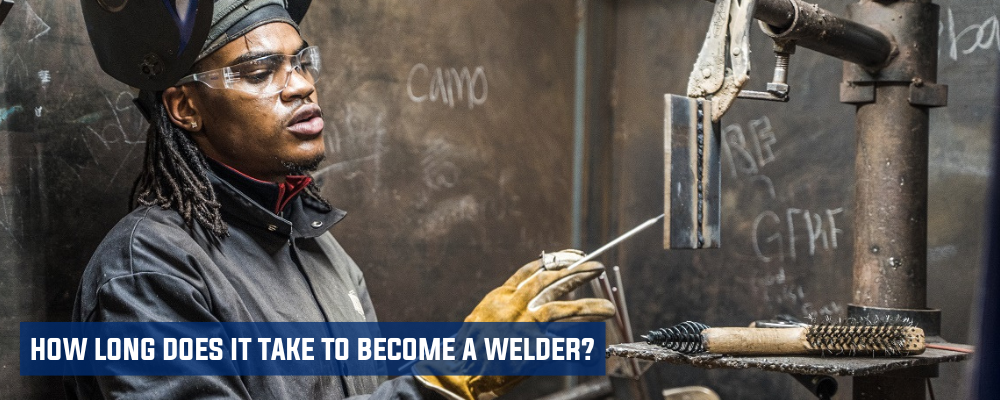
Credit: www.deltatechnicalcollege.com
Real-world Example: Young Welders In High School
Some high schools partner with local businesses to offer welding internships. For example, a school in Ohio allows 17-year-old students to work part-time in a supervised shop. They do not operate the most dangerous equipment, but they gain real experience.
After graduation, these students are job-ready and can work full-time once they turn 18.
These programs prepare students for a fast start. They also show how schools and employers follow the law to keep young workers safe.
The Path To A Welding Career: What You Need To Know
To succeed as a welder, you need more than just the right age. Here are some factors that matter to employers:
- Skill level: Are you certified and experienced?
- Safety record: Do you follow all safety rules?
- Work ethic: Are you reliable and willing to learn?
- Physical ability: Can you lift heavy objects and work in tough conditions?
Employers want welders they can trust with dangerous tools and important projects. Starting your training early helps, but you must meet all the requirements before you can get hired.
Income Potential And Career Growth
Welding is a high-demand trade. According to the U.S. Bureau of Labor Statistics, the median annual wage for welders, cutters, solderers, and brazers was about $47,540 in 2022. Top earners make over $63,000 per year.
Welders can move up to higher-paying roles such as:
- Welding supervisor
- Certified welding inspector
- Welding instructor
- Pipefitter or boilermaker
With experience and extra certifications, your income and job security can rise quickly.
Common Mistakes Beginners Make
If you are starting a welding career, avoid these mistakes:
- Ignoring safety: Not wearing proper gear leads to burns and injuries.
- Skipping training: Untrained welders make poor-quality welds and are more likely to get hurt.
- Not getting certified: Many jobs require AWS certification or similar proof.
- Overlooking physical demands: Welding can be tough on your body—prepare for hard work.
- Not checking local laws: Age and training rules change by state.
Many beginners also forget that welding requires patience and practice. Rushing leads to mistakes.
Tips For Parents Of Future Welders
If your child wants to become a welder, help them:
- Find a good high school or community program
- Learn about local age and safety laws
- Invest in quality safety equipment (helmet, gloves, jacket)
- Encourage safe practice at home, if possible
- Support them in getting certifications
Welding is a respected trade with great job prospects, but safety and training always come first.
Welding As A Lifetime Skill
Welding is more than just a job. It’s a valuable skill you can use for art, repairs, construction, and many industries. Many hobbyists weld at home for fun or to build custom projects. But if you want to get paid to weld, you must meet the age and training requirements.
Some local makerspaces or community workshops offer welding classes for adults and teens. These can be a safe way to learn and practice before entering the workforce.
Essential Safety Requirements For Young Welders
Safety always comes first in welding, especially for younger students. Here are key requirements:
- Wear a welding helmet with proper shade to protect your eyes
- Use fire-resistant clothing and gloves
- Work in a well-ventilated area to avoid fumes
- Keep a fire extinguisher nearby
- Follow all teacher or supervisor instructions
Schools and training centers have strict rules to protect students. Ignoring safety can result in serious injuries.
Welding Careers And The Future Of The Industry
Welding is not going away. In fact, the demand for skilled welders is rising as older workers retire. New technologies—like robotic welding—also create fresh job opportunities.
Welders work in:
- Construction
- Manufacturing
- Oil and gas
- Shipbuilding
- Aerospace
With the right age, training, and certification, you can build a stable and rewarding career.
Frequently Asked Questions
What Is The Minimum Age To Work As A Welder In The Usa?
The minimum age is 18 for most welding jobs in the United States. Some states or special programs may allow 16- or 17-year-olds to practice welding under supervision, but paid, full-time work requires you to be 18.
Can You Learn Welding In High School Before 18?
Yes, many high schools offer welding classes for students as young as 16. These classes focus on safety and basic skills. You cannot work as a professional welder until you are 18, but you can start training earlier in a school setting.
Do You Need A Certification To Work As A Welder At 18?
Most employers require you to have a welding certification, like those from the American Welding Society (AWS). Certification proves you can weld safely and correctly. You can earn these after completing training at a technical school or apprenticeship.
Are There Exceptions To The Age Limit For Welding Jobs?
Some supervised school programs or apprenticeships may allow limited welding work for 16- or 17-year-olds. These exceptions always include strict safety rules, and you cannot do all types of welding work until you are 18.
Where Can I Find Official Information About Welding Age Requirements?
You can find official information on the U.S. Department of Labor’s website and the American Welding Society (AWS) site. For more details, see this U.S. Department of Labor resource about child labor laws.
Starting your welding career requires patience, training, and meeting the right age requirements. With the right preparation, welding can offer strong pay, job security, and a valuable skill for life. Stay safe, get certified, and you will find many opportunities in this respected trade.