Disclosure: This post contains affiliate links and I will be compensated if you make a purchase after clicking through my links. Learn More
Choosing the right welding machine size for home use can feel confusing at first. Many people worry about buying a welder that is too weak or too powerful for their needs. The good news is, you do not need an industrial machine to handle most home projects.
But you also do not want to struggle with a small welder that cannot finish the job.
In this article, you will find clear advice on how to pick the best size welding machine for home use. You will learn about different types of welders, important features, real-world examples, and common mistakes. By the end, you will know exactly what to look for, and you will avoid wasting money or effort.
Understanding Welding Machine Size
The “size” of a welding machine usually means its amperage output and duty cycle. These two numbers show what the welder can handle and for how long. For home use, you should also consider the machine’s input voltage and physical size.
Amperage Output
Amperage, measured in amps (A), tells you how much welding power the machine provides. Higher amps mean deeper, stronger welds and the ability to work with thicker metal. Lower amps are better for thin metal and small repair jobs.
For example:
- 40-90 amps: Thin sheet metal, auto body, hobby work
- 90-140 amps: Home repairs, fence posts, light frames
- 140-200 amps: Thicker steel, trailers, bigger projects
Most home users find a 90-140 amp welder fits most needs. If you plan to weld material over 1/4 inch thick, you may need a machine that can reach 180 amps or more.
Duty Cycle
Duty cycle tells you how long you can weld before the machine must cool down. It is given as a percentage. For example, a 20% duty cycle at 90 amps means you can weld for two minutes out of every ten at 90 amps.
A higher duty cycle means less waiting.
Cheap welders often have low duty cycles. This is fine for short welds but can be frustrating for longer jobs. For most home projects, a 20–40% duty cycle is enough.
Input Voltage
Home welders usually use:
- 110/120V (standard household outlet)
- 220/240V (high-power outlet, like for a dryer)
110V welders are easy to plug in anywhere but have lower power. 220V welders offer more power but need a special outlet.
Some machines are dual voltage and can run on both. This is useful if you want flexibility.
Physical Size And Portability
A large, heavy welder is hard to move. For home use, you want a machine you can carry or roll easily. Today’s inverter welders are much lighter than old transformer models.
For example, an inverter MIG welder may weigh only 25 pounds, while a transformer model can weigh over 80 pounds.
Key insight: Many people buy a big, heavy welder thinking it is “better,” but struggle to move it or store it. For most home needs, a compact machine is more practical.
Types Of Welding Machines For Home Use
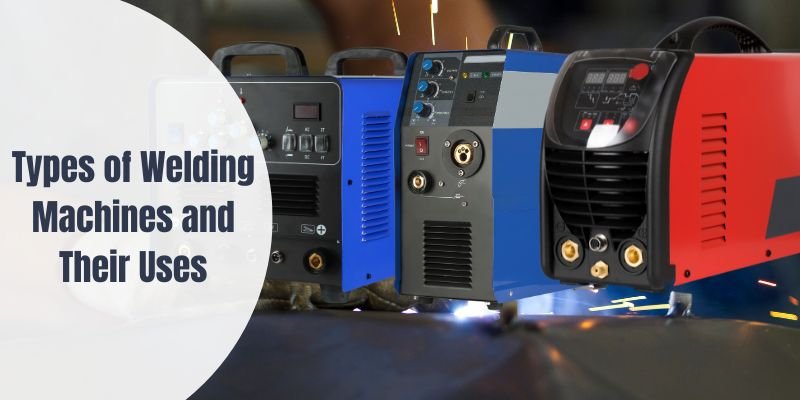
Welders come in several types. Each has strengths and weaknesses. Picking the right type is as important as picking the size.
Mig Welders (metal Inert Gas)
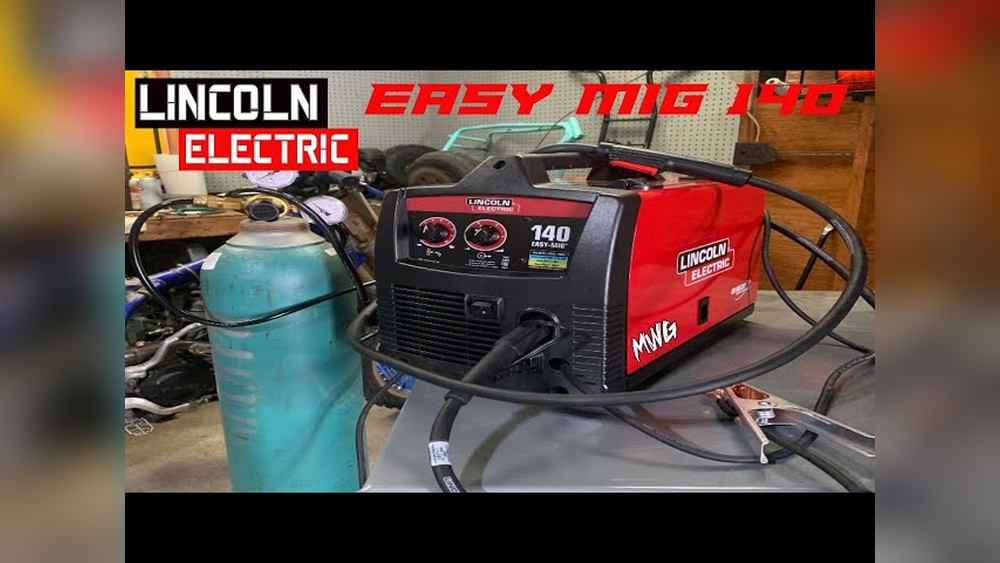
MIG welders are popular for home use. They are easy to learn, fast, and handle most common metals. You feed a wire through a gun, and gas shields the weld.
- Good for: Beginners, car repairs, light fabrication, fences
- Typical home size: 90–140 amps
You can use flux core wire instead of gas. This lets you weld outside, even in wind, but makes more smoke and splatter.
Stick Welders (smaw)
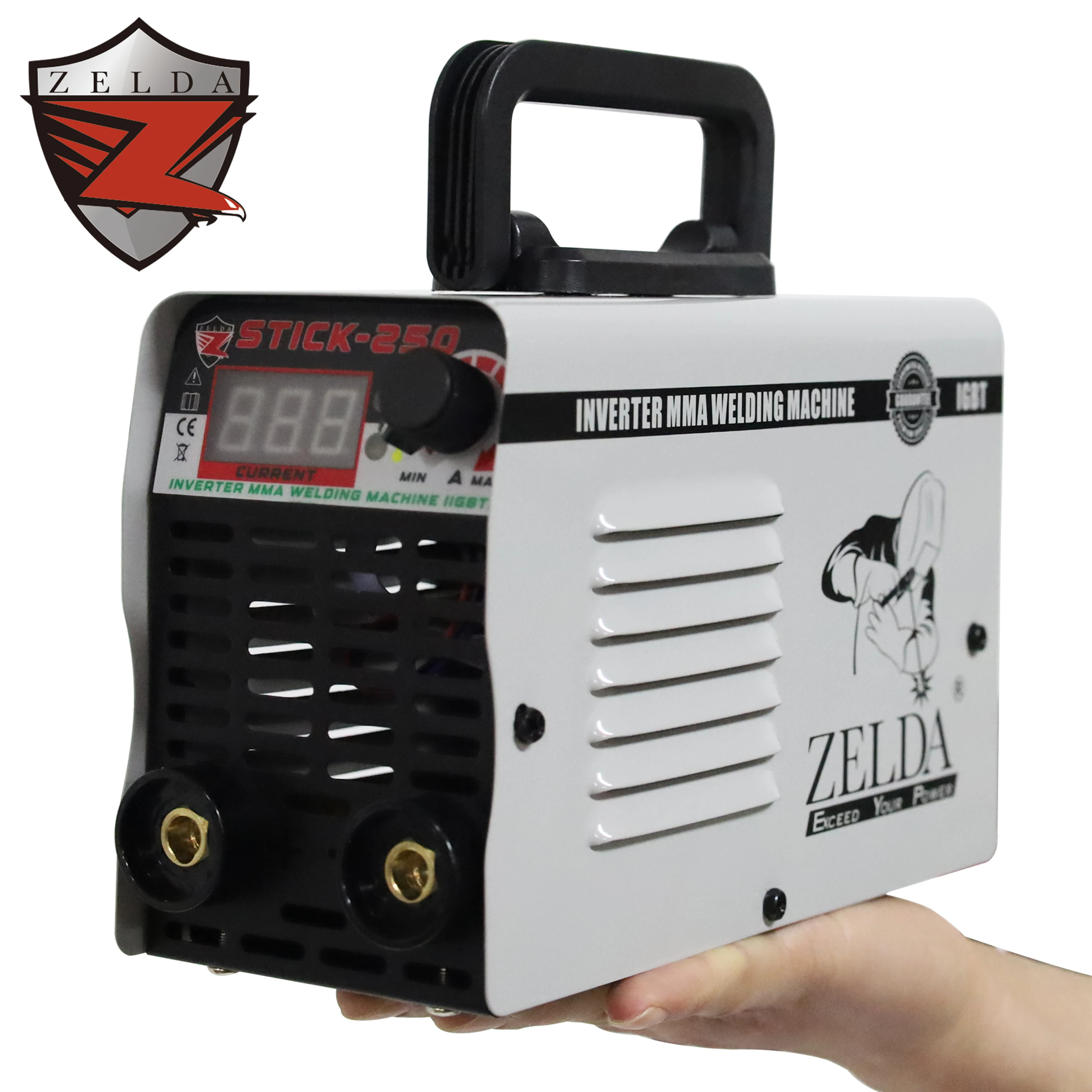
Stick welders use rods instead of wire. They are simple and work well outdoors and on dirty or rusty metal.
- Good for: Farm repairs, gates, thick metal, outdoor jobs
- Typical home size: 100–180 amps
Stick welding takes more practice to make neat welds. It is slower than MIG.
Tig Welders (tungsten Inert Gas)
TIG welders give very clean, precise welds. They are best for thin metal, stainless steel, and aluminum. TIG takes skill and is slower than MIG or Stick.
- Good for: Bikes, art, thin stainless, aluminum
- Typical home size: 120–200 amps
TIG welders are often more expensive. They are not the first choice for quick repairs.
Multi-process Welders
Some machines can do MIG, Stick, and TIG. These are called multi-process welders. They cost more but are flexible.
- Good for: Users who want all options in one box
- Typical home size: 120–200 amps
Key insight: Many beginners think they need TIG for everything. In reality, MIG or Stick covers most home jobs. TIG is best for advanced or special projects.
What Size Welding Machine Do You Need? (practical Examples)
To pick the right size, think about what you want to weld. Here are some common home uses and the size you need for each:
1. Auto Body Work
Auto body panels are thin (20-18 gauge or 0. 8-1. 2 mm). Too much power will burn through.
- Ideal size: 30–90 amps (MIG or TIG)
- Voltage: 110V is enough
- Duty cycle: 20% is fine for short welds
2. General Home Repairs
For things like lawn mowers, brackets, or shelves, you might weld 1/16 to 1/8 inch metal.
- Ideal size: 70–120 amps
- Voltage: 110V or dual voltage
- Duty cycle: 20–30%
3. Fences And Gates
Fence posts and gates often use 1/8 to 1/4 inch steel.
- Ideal size: 100–160 amps (MIG or Stick)
- Voltage: 110V may work, but 220V is better for thicker steel
- Duty cycle: 25–40%
4. Trailers And Heavy Frames
For trailer frames or heavy equipment, you need to weld 1/4 inch or more.
- Ideal size: 140–200 amps
- Voltage: 220V required
- Duty cycle: 30% or higher
5. Small Art Or Hobby Projects
For art, sculpture, or thin sheet metal, you do not need much power.
- Ideal size: 40–90 amps
- Voltage: 110V
- Duty cycle: 20%
6. Aluminum Welding
Aluminum needs more amps than steel, especially with MIG or TIG.
- Ideal size: 150–200 amps
- Voltage: 220V
- Duty cycle: 25% or higher
Practical tip: If you are unsure, pick a welder with adjustable output. It is safer to have a bit more power than not enough, but do not buy a huge machine “just in case.”
Comparison Table: Welding Machine Size For Home Projects
Here is a quick comparison of recommended welder sizes for common home tasks:
| Project Type | Metal Thickness | Recommended Amps | Voltage | Welder Type |
|---|---|---|---|---|
| Auto Body | 0.8–1.2 mm (20–18 ga) | 30–90 | 110V | MIG/TIG |
| General Repairs | 1.5–3 mm (1/16–1/8 in) | 70–120 | 110V | MIG/Stick |
| Fences/Gates | 3–6 mm (1/8–1/4 in) | 100–160 | 110/220V | MIG/Stick |
| Trailers/Heavy Frames | 6 mm+ (1/4 in+) | 140–200 | 220V | Stick/MIG |
| Art/Hobby | <1.5 mm (thin) | 40–90 | 110V | MIG/TIG |
| Aluminum | 1–6 mm | 150–200 | 220V | MIG/TIG |
Key insight: Many beginners forget to match the welder size to the thickness of the metal. Using too much or too little power is a common mistake.
Credit: www.homedepot.com
How To Match Welder Amperage To Metal Thickness
A simple rule is: use 1 amp per 0.001 inch of metal thickness for MIG welding steel. For example, if you weld 1/8 inch steel (0.125 inch), you need about 125 amps.
Here is a quick reference:
| Metal Thickness (inches) | Amps Required (approx) |
|---|---|
| 1/16″ (0.0625) | 60–70 |
| 1/8″ (0.125) | 120–140 |
| 1/4″ (0.25) | 180–200 |
For stick welding, you can use slightly higher amps for the same thickness. For TIG, the amps needed may be less for thin metal, but more for aluminum.
Key insight: Always check your welder’s chart or manual for the right settings, as different brands may vary.
Important Features Besides Size
While size is important, other features will affect your experience at home. Here are key points:
Adjustable Settings
A good home welder lets you adjust the amps easily. Variable controls help you match the power to each job.
Duty Cycle Display
Some welders show the duty cycle on the front panel. This helps you avoid overheating.
Overload Protection
This feature shuts off the welder if it gets too hot. It protects both you and the machine.
Wire Feed Speed Control (for Mig)
Being able to fine-tune the wire speed gives smoother welds and less splatter.
Portability
Look for a lightweight machine with a handle or wheels. This is especially useful if you want to store it away after use.
Quality Leads And Cables
Cheap cables can limit the welder’s true power and break easily. Thicker, longer cables are better for home use.
Accessories
Some welders come with useful extras, like a welding mask, gloves, or extra tips. These can save you money if you are just starting out.
Cost Vs. Performance
Many people think a more expensive, bigger welder is always better. For home use, this is not true. You can get a quality 110V MIG or Stick welder for under $400 that will handle most tasks. If you want to weld thicker metal, a dual-voltage or 220V machine may cost $500–$800.
Professional machines can cost $1,000 or more. For most home projects, this is unnecessary.
Practical tip: Avoid very cheap welders (under $150). They often have poor duty cycles, weak power, and can break quickly. Spending a bit more usually gives much better value.
Common Mistakes When Choosing A Home Welder
- Buying too much power: Large industrial welders are heavy, use more electricity, and are hard to store.
- Ignoring duty cycle: A welder that overheats easily will slow you down.
- Not checking your outlets: A 220V welder needs a special plug. Make sure your garage or workspace has the right power.
- Forgetting about safety gear: Budget for a good helmet, gloves, and fire-resistant clothing.
- Overlooking wire and rods: Some welders use expensive or hard-to-find consumables.
- Skipping research on support and repairs: Well-known brands usually offer better support and spare parts.
- Assuming all welders can weld aluminum: Many entry-level welders struggle with aluminum. Check the specs.
Real-life Example: Choosing A Welder For A Home Garage
John wants to fix his car’s exhaust, repair a broken gate, and build a small trailer. He has regular 110V outlets but can add a 220V outlet if needed.
He looks at three welders:
- 90A 110V MIG
- 140A dual-voltage MIG/Stick
- 200A 220V Stick
John chooses the 140A dual-voltage MIG/Stick. It can weld thin auto sheet metal at low amps, fix gates with stick rods, and handle up to 1/4 inch steel for his trailer. It is portable, plugs into any outlet, and offers the best mix of power and flexibility for home use.
Safety Tips For Home Welding
Welding at home can be safe if you follow simple rules:
- Always use a welding helmet with the right shade.
- Wear leather gloves and long sleeves to protect against burns.
- Keep a fire extinguisher nearby.
- Work in a well-ventilated area to avoid fumes.
- Keep flammable materials away from your workspace.
- Never weld near water or in wet conditions.
- Check your cables for damage before each use.
Welding can cause serious injury if you ignore safety. Do not rush or take shortcuts.
Credit: www.alibaba.com
How To Get The Most From Your Home Welding Machine
Once you pick the right size, you can maximize your machine’s performance by following these steps:
- Read the manual: Each welder is different. Learn its settings and limits.
- Practice on scrap metal: Get comfortable before working on important projects.
- Use the right rods or wire: Match them to your metal type and thickness.
- Clean your work area: Remove rust, paint, or oil for stronger welds.
- Adjust settings for each job: Do not use the same amps or speed for everything.
- Let the machine cool if needed: Respect the duty cycle to avoid overheating.
- Store your welder properly: Keep it dry, dust-free, and secure.
Key insight: Many home welders skip cleaning or practice, but this makes welding much harder and the results weaker.
How To Decide: A Simple Checklist
Still not sure what size to buy? Here is a step-by-step guide:
- List your main welding tasks (car repair, fence, art, etc. ).
- Check the thickest metal you will weld.
- See what power outlets you have (110V, 220V).
- Pick the welder type (MIG, Stick, TIG, multi-process).
- Match the amps to your needs (see earlier tables).
- Check the duty cycle for your main jobs.
- Consider weight and portability.
- Look at your budget.
- Read user reviews for real-world feedback.
- Buy from a trusted brand or store.
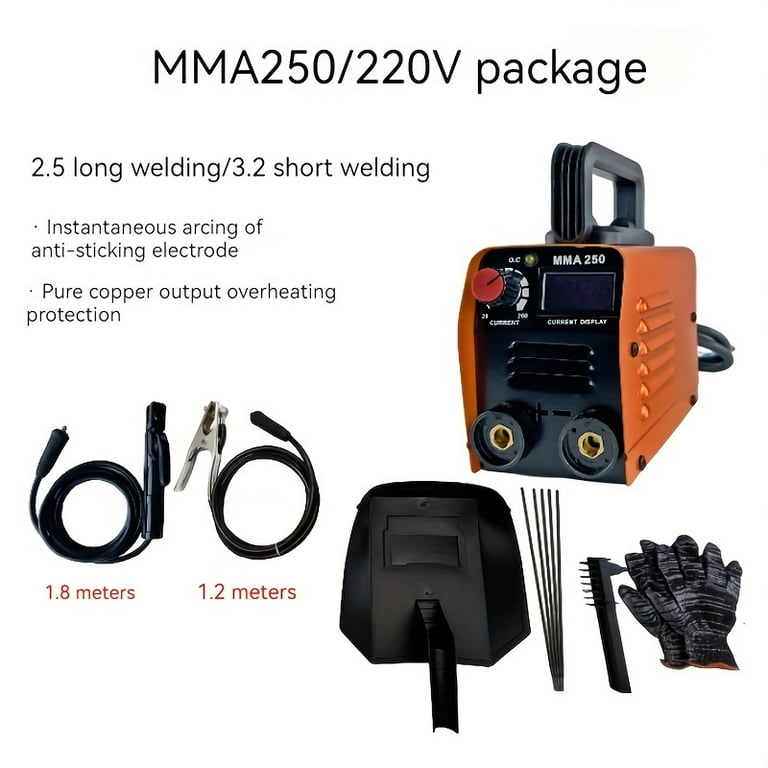
Credit: www.walmart.com
Comparison Table: Entry-level Home Welders
Here is a simple comparison of popular home welding machines and their main specs:
| Model | Type | Max Amps | Voltage | Weight | Duty Cycle @ Max Amps |
|---|---|---|---|---|---|
| Lincoln Electric Handy MIG | MIG | 88 | 110V | 46 lbs | 20% @ 70A |
| Forney Easy Weld 140 MP | MIG/Stick/TIG | 140 | 110V | 25 lbs | 30% @ 90A |
| Hobart Handler 140 | MIG | 140 | 110V | 57 lbs | 20% @ 90A |
| PrimeWeld TIG225X | TIG/Stick | 225 | 110/220V | 41 lbs | 40% @ 140A |
| Everlast PowerARC 140ST | Stick/TIG | 140 | 110/220V | 25 lbs | 35% @ 140A |
Frequently Asked Questions
How Many Amps Do I Need For Welding At Home?
Most home projects can be done with a 90–140 amp welder. If you want to weld thicker materials (over 1/4 inch), consider a machine with up to 180–200 amps. For car repairs and thin steel, 90 amps is often enough.
Can I Use A Welding Machine With A Regular Household Outlet?
Yes, many small welders run on 110/120V outlets. These machines usually handle up to 140 amps. For thicker metal or longer welds, a 220V outlet is better. Some welders can use both voltages.
Is Mig Or Stick Better For Home Use?
MIG is easier for beginners and works well for most home projects. Stick is better for outdoor welding or rusty metal. If you want flexibility, look for a multi-process welder that does both.
Can I Weld Aluminum At Home?
Yes, but you need the right welder. MIG welders need a spool gun for aluminum. TIG welders work well for thin aluminum. Not all entry-level welders support aluminum, so check the specifications first.
What Safety Gear Do I Need For Home Welding?
You need a welding helmet with the right shade, leather gloves, long sleeves, and closed shoes. Also, keep a fire extinguisher nearby. Never weld without proper protection, even for small jobs.
Final Thoughts
Choosing the right size welding machine for home use does not have to be complicated. Start by thinking about your main projects and the thickest metal you will weld. Match the amps and voltage to your needs, not just the biggest or most expensive model. For most home use, a 90–140 amp MIG or Stick welder is enough. Consider the duty cycle, portability, and your available power outlets. Always use proper safety gear and follow the manual for best results.
If you want to learn more about welding machines and how to choose the best one, you can check resources like the Wikipedia Welding Page for more details.
With the right welder, you can repair, build, and create many useful things at home—safely and with confidence.