Disclosure: This post contains affiliate links and I will be compensated if you make a purchase after clicking through my links. Learn More
Welding is a skill that shapes metal into strong structures, tools, and products we use every day. While the process may look simple from the outside, even small changes in equipment can make a big difference. One tool that can improve welding quality and speed is the spool gun. Many welders, both beginners and experts, use spool guns for certain jobs—especially when working with aluminum or other wires that bend easily. But what is a spool gun, and why is it so important in welding? This article explains everything you need to know about spool guns, how they work, and when to use one.
What Is A Spool Gun?
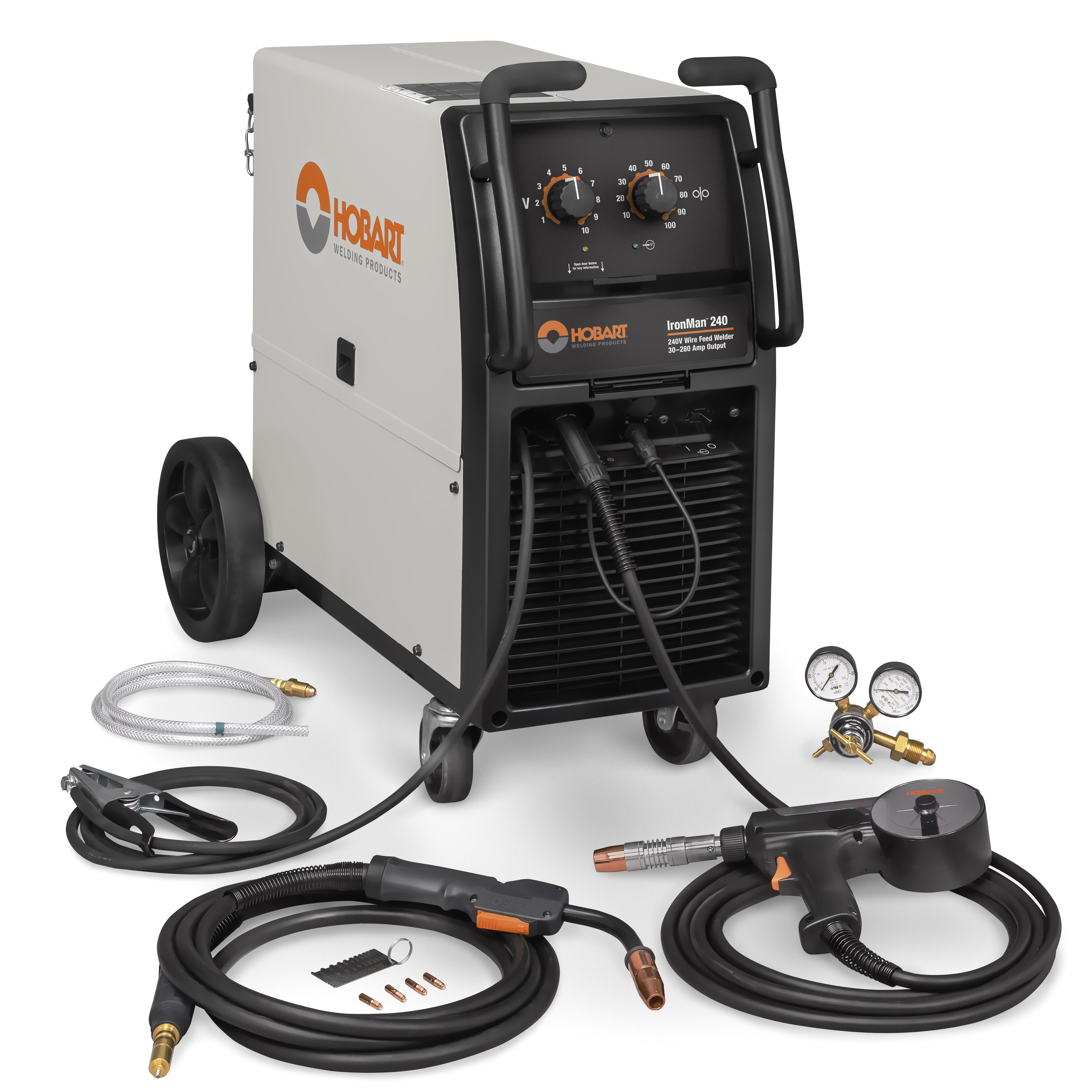
A spool gun is a type of welding tool that feeds welding wire directly from a small spool attached to the gun itself. In most standard MIG (Metal Inert Gas) welding setups, the wire is stored in a larger spool inside the welding machine and pushed through a long cable to the welding gun. In a spool gun, the wire spool sits right on the gun, close to the welding arc.
This design solves a common problem: some wires, like aluminum, are soft and can jam or tangle if pushed through a long cable. By keeping the wire close to where you weld, a spool gun prevents these jams, making the welding process smoother and more reliable.
How Does A Spool Gun Work?
The spool gun has a few main parts:
- Wire spool: Holds the welding wire (usually 4-inch spools).
- Drive motor: Feeds the wire from the spool through the gun.
- Trigger: Controls both the wire feed and the welding arc.
- Contact tip: Guides the wire to the weld.
- Nozzle: Directs shielding gas to protect the weld.
When you press the trigger, the drive motor feeds wire from the spool through the contact tip, and the arc melts the wire to join the metals. The gas nozzle releases a shielding gas, usually argon or a mix, to keep the weld clean.
Main Uses For A Spool Gun In Welding
Spool guns are not always needed for every welding job. But there are certain situations where they are the best tool for the job.
Welding Aluminum
The most common use for a spool gun is welding aluminum. Aluminum wire is softer than steel and can kink or jam inside a long cable. Standard MIG guns often struggle to feed aluminum wire smoothly, which leads to poor welds or stops the process completely. A spool gun avoids this by feeding the wire a very short distance.
Welding Other Soft Or Specialty Wires
Besides aluminum, spool guns work well with other soft or delicate wires, such as silicon bronze, flux-cored aluminum, or specialty alloys. These wires also tend to jam in regular MIG setups. Using a spool gun gives you a more stable wire feed, reducing stops and starts.
Repair And Fabrication Work
Spool guns are helpful for repair jobs where you need to weld thin aluminum parts, car panels, boats, or trailers. Their portability and easy setup make them useful for quick or on-site fixes.
Short-run Or Occasional Welding
If you only weld aluminum sometimes, a spool gun is a practical solution. It allows you to switch between steel and aluminum without needing a dedicated aluminum MIG machine.
Why Spool Guns Are Better For Aluminum Welding
Aluminum’s softness is both a benefit and a problem. It conducts heat quickly, so you need to work fast and keep the weld area small. But its softness also means it can bend or jam inside the long cables of a regular MIG gun. Here’s why spool guns solve this problem:
- Short Wire Path: The wire only travels a few centimeters from the spool to the tip. There’s less chance of bending or jamming.
- Less Friction: Shorter cable means less rubbing against the wire liner, which is important for soft wires.
- Better Control: The welder has more control over the wire feed and can adjust speed on the gun itself.
- Cleaner Welds: Fewer jams mean a more stable arc and cleaner weld beads.
Spool Gun Vs. Push-pull Gun
Both spool guns and push-pull guns solve the problem of feeding soft wires. But how do they compare? Here’s a clear comparison:
| Feature | Spool Gun | Push-Pull Gun |
|---|---|---|
| Wire Spool Location | On the gun | In the machine (pulled by gun) |
| Wire Feed Length | Very short | Longer, but assisted |
| Wire Spool Size | Small (usually 1 lb) | Large (10-12 lb) |
| Cost | Lower | Higher |
| Complexity | Simple to use | More complex |
| Best Use | Short runs, repairs | Production, long welds |
Spool guns are best for short jobs, occasional welding, or repairs. Push-pull guns are better for high-volume or industrial work where you need to weld for hours without stopping.
Advantages Of Using A Spool Gun
Many welders choose spool guns for several reasons:
1. Fewer Wire Feed Problems
By keeping the wire path short, spool guns reduce the chance of bird-nesting (when wire tangles inside the gun) or jams. This means less downtime and fewer wasted materials.
2. Fast Setup And Changeover
You can quickly switch between aluminum and steel. Just attach the spool gun and load the correct wire. This is much faster than setting up a dedicated aluminum welder.
3. Portable And Lightweight
Spool guns are lighter and easier to move around than full-size MIG welders with long cables. This helps when working in tight spaces or on-site repairs.
4. Better Weld Quality
A steady wire feed leads to a more consistent arc and smoother welds. This is especially important with aluminum, which is sensitive to heat and contamination.
5. Lower Cost For Occasional Use
For welders who do not work with aluminum every day, a spool gun is cheaper than buying a separate aluminum MIG welder or a push-pull setup.
Disadvantages And Limitations Of Spool Guns
While spool guns solve many problems, they are not perfect for every job. Here are some things to consider:
1. Small Wire Spool Size
Most spool guns use 1-pound (0. 45 kg) wire spools. This means you need to change spools often during long welding jobs, which can slow you down.
2. Limited Duty Cycle
Spool guns can overheat if used for long periods without breaks. They are not built for continuous, heavy-duty welding.
3. Heavier Gun
Because the wire spool sits on the gun, the tool can feel heavier in your hand, especially during longer jobs.
4. Cost Of Wire
Small spools of aluminum wire usually cost more per pound than larger spools used in standard MIG setups.
5. Maintenance
Spool guns have more moving parts (such as the drive motor on the gun) that may need cleaning or repair over time.
Common Types Of Spool Guns
Several brands and models of spool guns exist, each with different features. Here are some common types you may see:
Basic Spool Guns
These are simple, entry-level models designed for hobbyists or light repair work. They often have only basic speed controls and are compatible with many small MIG welders.
Advanced Spool Guns
These offer more features, such as adjustable drive tension, digital displays, and better cooling. They are suitable for more serious welding tasks.
Dedicated Aluminum Spool Guns
Some spool guns are made only for aluminum welding. They may have features like teflon liners and special drive rolls to handle soft wire.
Multi-process Spool Guns
These guns are designed to work with machines that can handle both MIG and TIG welding. They allow you to switch between processes easily.
Oem (original Equipment Manufacturer) Spool Guns
These are made by the same company as your welding machine and are designed to match perfectly. They often have plug-and-play connections and are easier to set up.
| Spool Gun Type | Best For | Main Features |
|---|---|---|
| Basic | Hobby, light repair | Simple controls, affordable |
| Advanced | Professional use | More control, better cooling |
| Dedicated Aluminum | Aluminum welding | Special liners, drive rolls |
| Multi-Process | Shops with many needs | Switch between MIG/TIG |
| OEM | Specific welder brands | Plug-and-play, matched parts |

Credit: www.arccaptain.com
How To Set Up And Use A Spool Gun
Correct setup is important for good results. Here’s a step-by-step guide:
- Check Compatibility: Make sure your welding machine supports a spool gun. Some machines have a special port or switch for this.
- Attach the Spool Gun: Connect the gun to the machine’s port and secure all cables.
- Load the Wire Spool: Open the gun’s cover, insert the spool, and thread the wire through the drive rollers to the tip.
- Set Drive Tension: Adjust the drive roll tension so the wire feeds smoothly but does not slip.
- Install the Contact Tip and Nozzle: Match the tip size to the wire diameter for best performance.
- Connect the Gas Hose: Attach the gas line and make sure the flow is set correctly (usually 20–30 cubic feet per hour for aluminum).
- Adjust Settings: Set wire speed and voltage according to the wire and metal thickness.
- Test on Scrap Metal: Make a few practice welds to fine-tune your settings.
- Weld Your Project: Move steadily, keeping the gun at the correct angle (usually 10–15 degrees) and distance from the work.
Tips For Better Results With A Spool Gun
Many beginners make the same mistakes when starting with a spool gun. Here are some tips to help you avoid common problems:
- Keep the Gun Clean: Aluminum wire makes more dust and shavings. Clean the drive rolls, liner, and tip often.
- Use the Right Gas: Pure argon works best for aluminum MIG welding.
- Watch Wire Tension: Too much tension can crush the wire; too little can cause slipping or uneven feeding.
- Avoid Long Extension Cords: These can lower voltage and affect arc stability.
- Change Tips Regularly: Aluminum wire wears out contact tips quickly. Replace them when you see irregular arc or feeding problems.
- Don’t Overheat the Gun: If you feel the gun getting hot, pause to let it cool.
- Practice on Scrap First: Aluminum welding has a learning curve. Practice before working on important parts.

Credit: www.weldingsuppliesfromioc.com
Choosing The Right Spool Gun
If you want to buy a spool gun, consider these factors:
Compatibility
Make sure the gun fits your welder. Many brands offer adapter kits or make guns designed for their own machines.
Power Handling
Check the gun’s amperage rating. Choose one that matches the thickness of metals you plan to weld.
Wire Size And Type
Most spool guns handle 0. 030–0. 035 inch (0. 8–0. 9 mm) wire, but check what sizes your gun supports.
Spool Capacity
A larger spool means fewer changes, but may add weight to the gun. Decide what balance works best for your projects.
Controls And Features
Look for easy-to-use controls, clear markings, and comfortable grips. Some advanced models have digital displays or adjustable run-in speeds.
Price And Warranty
Spool guns range from $150 to over $1,000. Consider your budget, but also check reviews and warranty policies.
Real-world Examples Of Spool Gun Use
Auto Body Repair
Shops often use spool guns to fix aluminum hoods, doors, or frames on cars and trucks. The short wire path prevents jams, so repairs go quickly.
Boat Repair
Boat hulls and decks are often made from aluminum. Spool guns make it easier to weld repairs on-site or in a shop, even in tight spaces.
Trailer And Rv Fabrication
Many trailers and RV frames use aluminum for lighter weight. Builders use spool guns to join frame pieces and attach panels with smooth, strong welds.
Artistic Metalwork
Artists who use aluminum in sculptures or garden art prefer spool guns for their control and clean welds.
Small Shops And Hobbyists
DIY welders who only work with aluminum sometimes use spool guns to save time and avoid buying another welder.
Spool Gun Maintenance And Troubleshooting
Good maintenance keeps your spool gun working smoothly:
- Clean After Every Use: Wipe down the gun, tip, and nozzle.
- Check for Wear: Inspect the drive rolls, liner, and tips. Replace worn parts.
- Tighten Connections: Loose parts can cause gas leaks or poor wire feeding.
- Store Properly: Keep the gun in a dry place to avoid corrosion.
If you have problems:
- Wire Won’t Feed: Check for jams, adjust tension, or replace worn tips.
- Arc Is Unstable: Make sure gas is flowing and the tip is clean.
- Gun Feels Hot: Let it cool, and check for blocked airflow.
Safety Tips For Using A Spool Gun
Welding always requires good safety habits:
- Wear Protective Gear: Use a welding helmet, gloves, and flame-resistant clothing.
- Ventilate the Area: Aluminum welding can create fumes. Use fans or weld outdoors.
- Check for Gas Leaks: Always test connections before starting.
- Keep Work Area Clean: Remove flammable items and keep cables organized to prevent trips.
Credit: www.hobartwelders.com
Cost Comparison: Spool Gun Vs. Other Aluminum Welding Solutions
Cost can be a big factor when deciding how to weld aluminum. Here is a comparison:
| Method | Startup Cost | Wire Cost (per lb) | Best For |
|---|---|---|---|
| Spool Gun | $150–$600 | $15–$20 | Repairs, small jobs |
| Push-Pull Gun | $1,000–$2,500 | $8–$12 | Production, long welds |
| TIG Welder | $800–$3,000 | — | Thin, high-quality welds |
A spool gun is often the best choice for those who need to weld aluminum but do not want to invest in expensive equipment.
Two Non-obvious Insights About Spool Guns
- Wire Type Matters More Than Many Realize: Not all aluminum wires behave the same way in a spool gun. 4043 wire is more forgiving and easier to feed than 5356 wire, which is stiffer but stronger. Choosing the right wire for your project can save time and reduce frustration.
- Gun Angle Affects Weld Quality: Many new welders hold the spool gun at too steep an angle or too close to the workpiece. A slight push angle (10–15 degrees) gives a smoother bead and better gas coverage, especially with aluminum.
Frequently Asked Questions
What Is The Main Advantage Of Using A Spool Gun For Aluminum Welding?
The biggest advantage is the short wire path, which prevents jams or tangling when using soft aluminum wire. This leads to smoother feeding, fewer problems, and cleaner welds.
Can I Use A Spool Gun For Steel Welding?
Yes, but it’s less common. Most people use spool guns for aluminum or other wires that are hard to feed. For steel, a standard MIG gun is usually fine unless you need to switch wires often.
How Do I Know If My Welder Supports A Spool Gun?
Check your welder’s manual or look for a special spool gun port or switch on the machine. Many modern welders have this feature, but not all. Some older models may need an adapter.
Is A Spool Gun Better Than A Push-pull Gun?
A push-pull gun is better for long, high-volume welding jobs because it can use bigger wire spools and offers more stable feeding over long distances. A spool gun is simpler, cheaper, and easier for short runs or repairs.
Where Can I Learn More About Welding With Spool Guns?
For more details and professional guidance, visit Wikipedia’s page on spool guns for technical data and more examples.
Welding aluminum and other soft metals can be challenging, but the right tools make it easier. A spool gun gives you better control, fewer problems, and a smoother welding process. Whether you’re a hobbyist, a repair tech, or a fabricator, understanding spool guns will help you get the best results from your work.